

Antique Wooden Easel
An antique wooden easel supports paintings, plates, or books with a dignity that modern metal stands simply cannot match.
What these pieces are
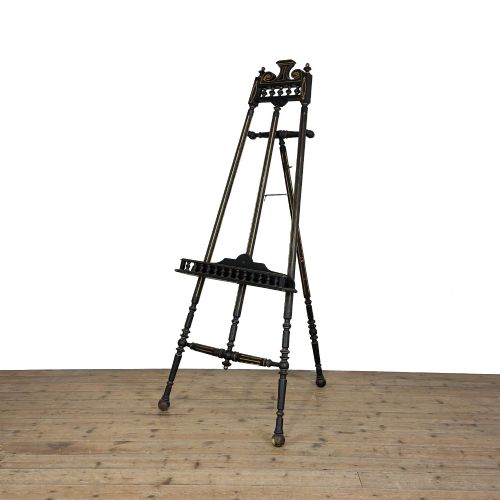
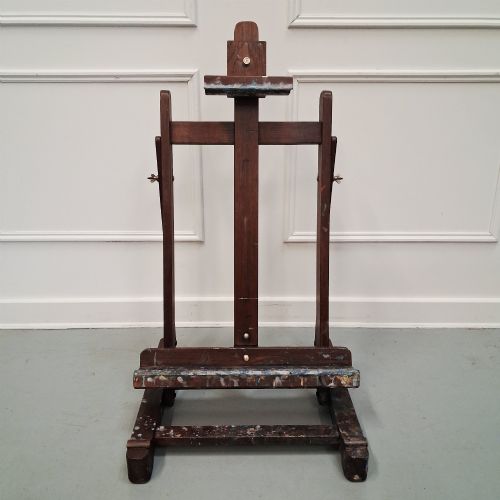
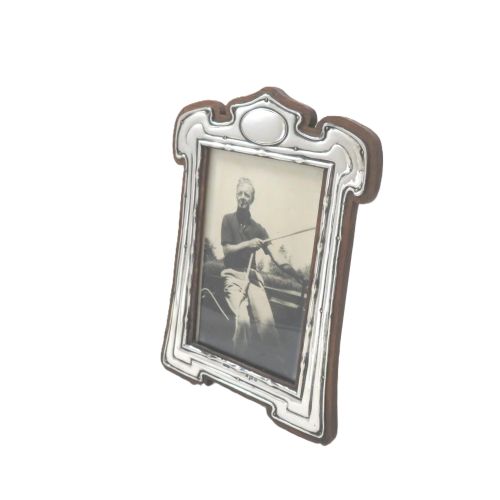
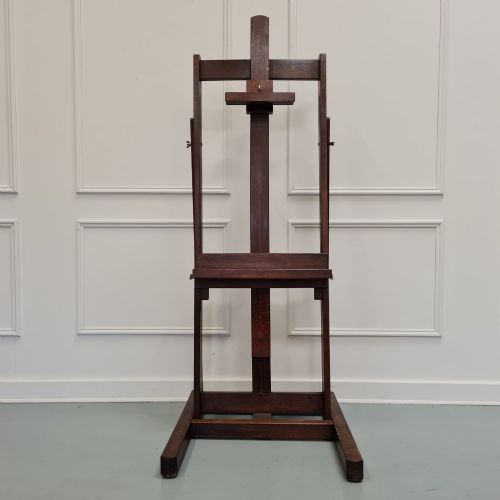
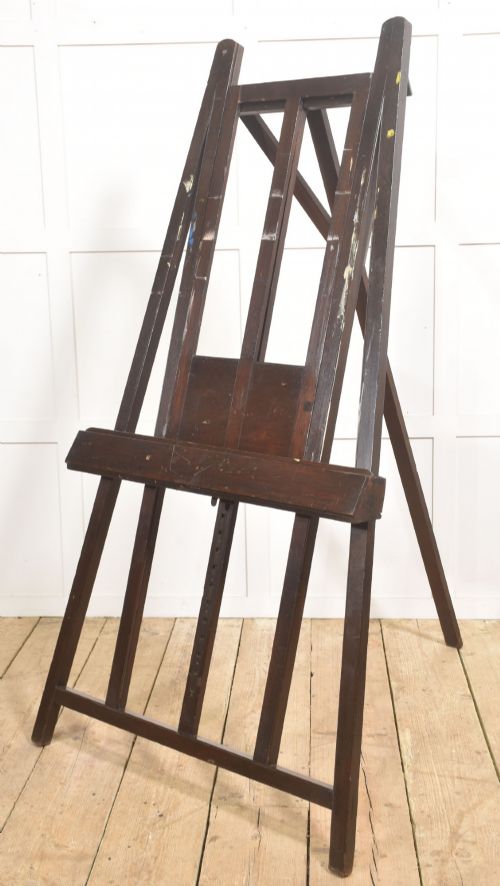
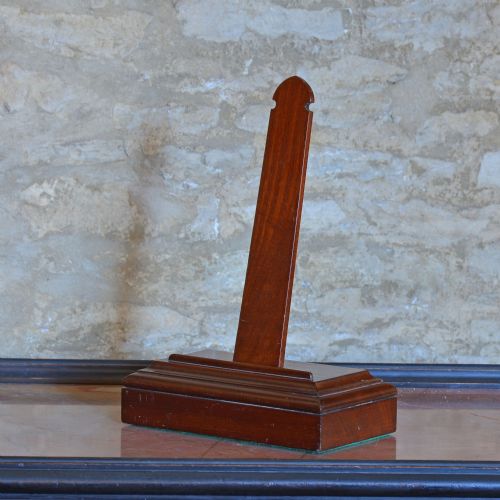
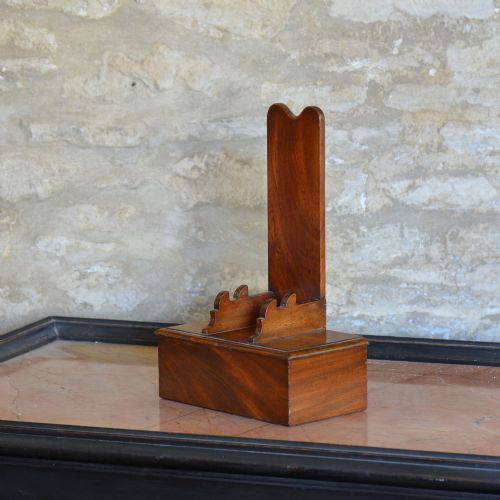
An antique wooden easel serves as both a practical studio tool and an elegant display stand for pictures, plates, or trays. When searching for an antique wooden easel, buyers encounter items ranging from tall artists' frames to compact table stands.
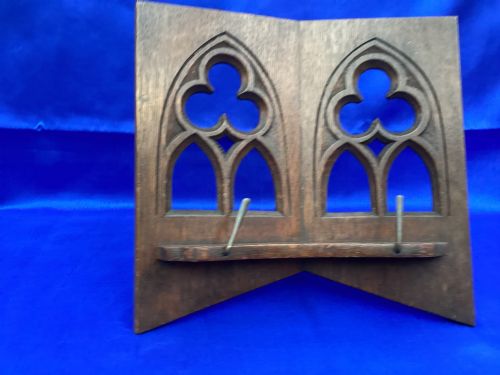
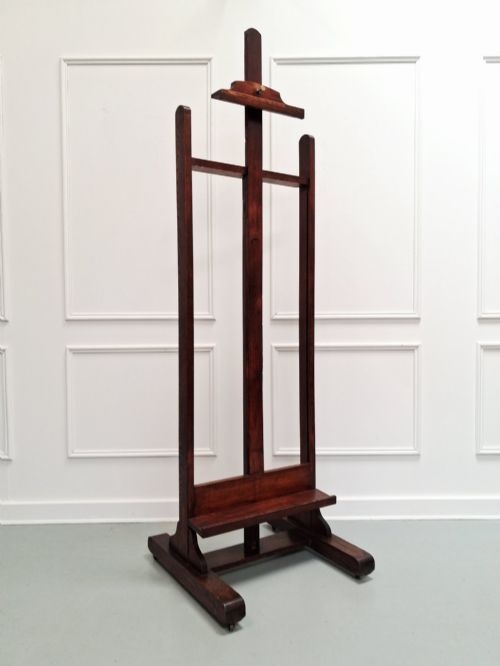
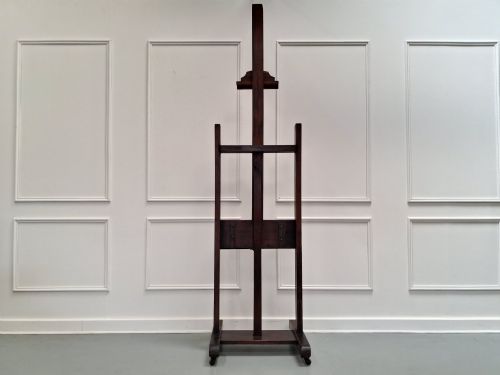
The pieces on this page span the Georgian period, the nineteenth century, and the early twentieth century, incorporating Anglo-Indian and Victorian styles. Forms include large adjustable painting stands alongside carved picture display easels and plate stands.
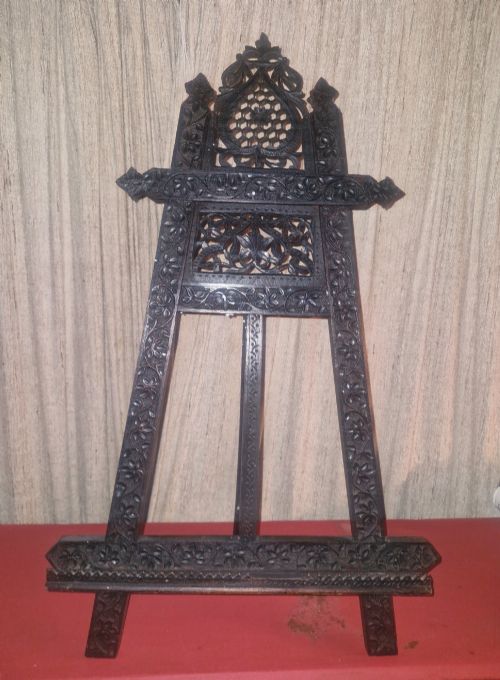
Origin and design vary widely among these items, reflecting both European studio requirements and decorative Eastern carving traditions. A buyer is equally likely to find a functional mahogany painting stand or a heavily carved hardwood display piece.
How they were made
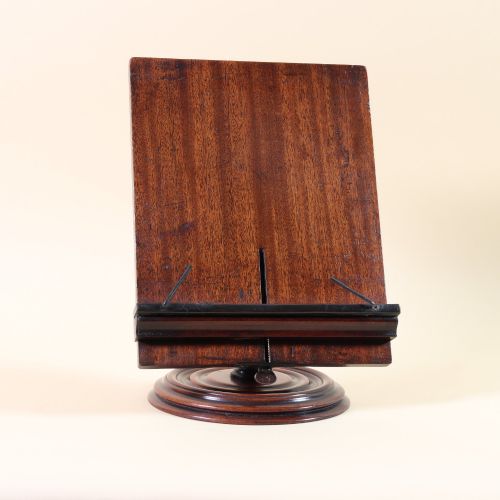
Cabinetmakers and manufacturers built these items using dense timbers such as mahogany, rosewood, and other seasoned hardwoods. These sturdy woods provided the necessary structural integrity to support heavy canvases, large ceramic plates, or deep wooden trays.
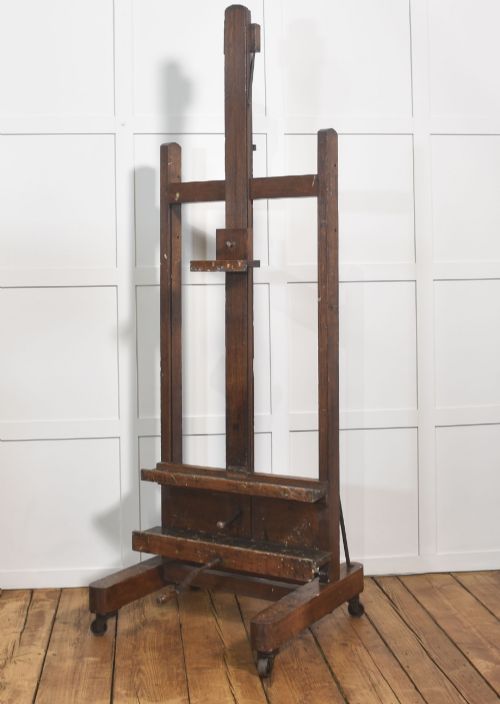
Construction techniques combine traditional joinery with functional hardware made from brass and other metals. Adjustable mechanisms utilise metal fittings to allow height alteration and angle adjustment for the working artist.
Retail Price Guide 2026
Typical UK retail prices for wooden easel, calculated from the Sellingantiques database of over a million retail prices indexed since 2003. This retail price guide relies exclusively on Sellingantiques data; no external sources or auction records are used, so the figures do not describe the wider market.
The listings here include items made from mahogany, rosewood, and general hardwood, incorporating brass and other metal hardware.
What varies in quality
Quality in these items rests upon the integration of solid timber construction and the refinement of decorative carving. Pieces featuring detailed relief work, such as dragon and swan motifs, demonstrate superior craftsmanship compared to plain utility frames.
The sophistication of the mechanical adjustment system further distinguishes standard items from high-end examples. Smoothly operating brass fittings and robust folding hinges indicate a higher standard of manufacture from established workshops.
Roberson and Co London
The Antique Wooden Easel Glossary
- Georgian
- A period of British design spanning the eighteenth and early nineteenth centuries, characterised by classical proportions and mahogany construction. Pieces from this era often exhibit restrained elegance and superior cabinetmaking.
- Mahogany
- A durable tropical hardwood prized for its rich reddish-brown colour and fine grain. It forms the primary structural material for many formal British display stands.
- Plate stand
- A specialised display easel designed to hold decorative ceramic plates or shallow trays upright for viewing. These objects often feature a ledge at the base and a supportive back prop.
- Anglo-Indian
- A descriptive term for items produced in India under British colonial rule, frequently combining traditional European furniture forms with intricate indigenous carving styles.
Frequently Asked Questions
What is an antique wooden easel used for?
These pieces serve a dual purpose as functional equipment for painters and decorative display structures for households. They hold canvases during the creative process or showcase plates, trays, and framed pictures in a room.
Larger versions accommodate working artists, while smaller table models function as dedicated display stands for valued objects. Their sturdy hardwood construction ensures they safely support heavy items.
How do I date an antique easel?
Dating relies on examining the timber species, the style of decoration, and the nature of any mechanical fittings. Georgian examples show classical restraint and use mahogany, while nineteenth-century pieces often incorporate brass adjustment hardware.
Design motifs also provide chronological clues, such as nineteenth-century swan designs or early twentieth-century Eastern carvings. Comparing the construction methods to known period furniture helps narrow down the decade of manufacture.
Are these easels suitable for heavy paintings?
Many of these items were built specifically to bear the weight of heavy oil paintings or large framed artworks. Robust hardwood frames and secure metal adjustments provide the structural strength needed for studio use.
Display-specific stands may be lighter and are better suited for plates or photographs rather than heavy canvases. Checking the timber thickness and the condition of the joints determines a piece's load-bearing capacity.
How do I maintain wood on an easel?
Maintenance involves keeping the timber away from direct heat sources and sudden humidity changes to prevent splitting. Occasional application of a suitable furniture wax helps nourish the hardwood and preserve its finish.
Metal adjustment mechanisms benefit from a light application of oil if they become stiff over time. Gentle dusting with a soft cloth keeps carved decorative details free from accumulated dirt.