


Wooden Studio Easel
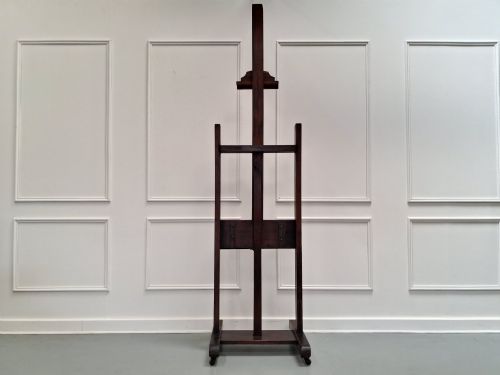
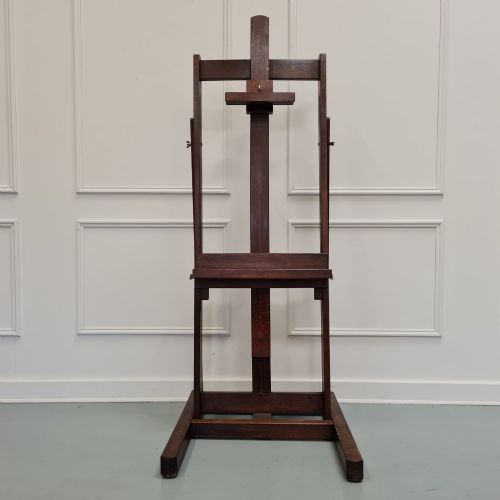
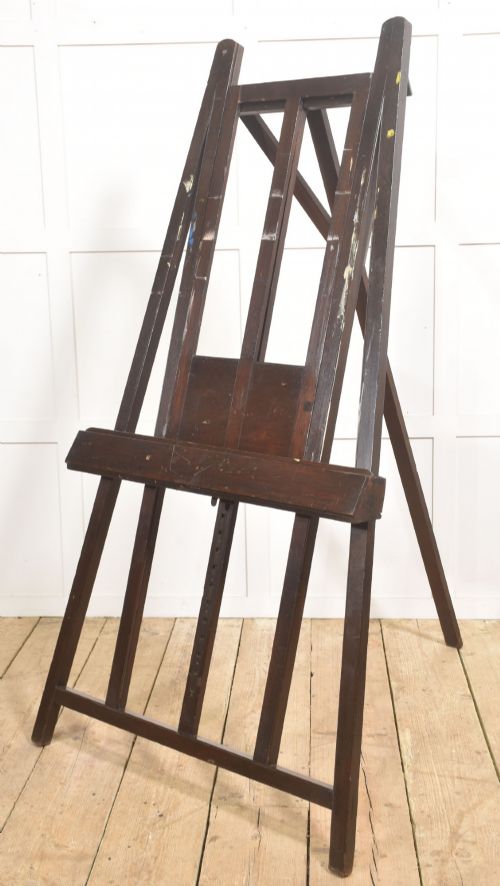
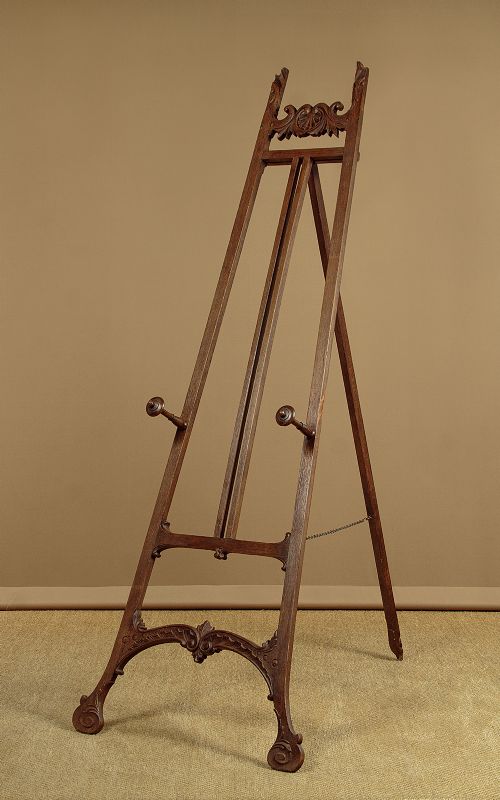
A wooden studio easel is a robust working frame designed to hold paintings securely, combining practical utility with striking period presence.
Wooden Studio Easel
When you search for a wooden studio easel, you encounter substantial furniture built to support artists at work or display finished canvases. The examples seen here range from grand nineteenth century floor standing models to smaller tabletop and display pieces.
You are most likely to meet oak and mahogany structures from the nineteenth and early twentieth centuries. Many originate from France and Britain, spanning Victorian, Edwardian, and later periods.
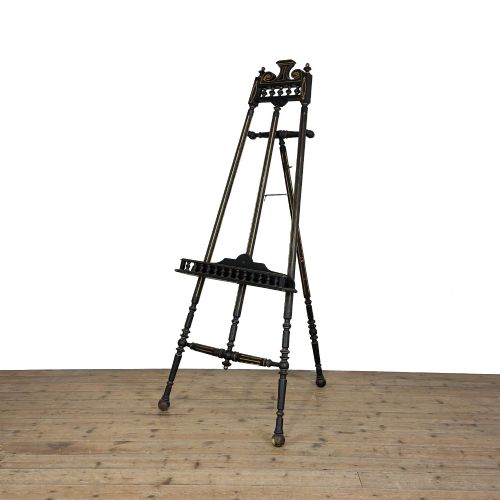
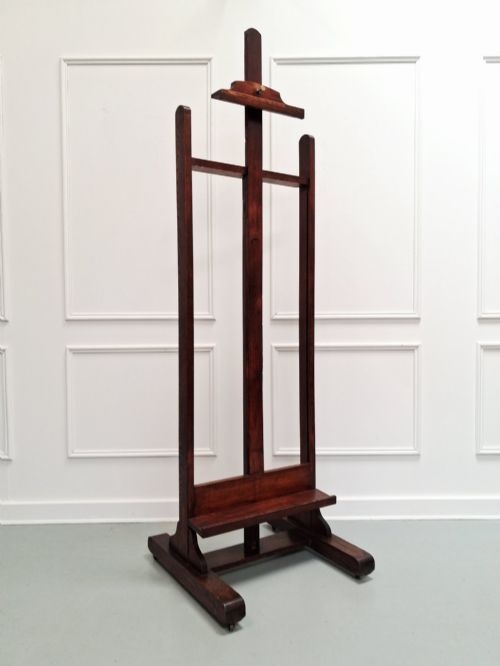
Forms include fully adjustable studio frames, double sided gallery designs, and decorative ebonised pieces. They serve equally well in modern interiors as statement display stands for large artwork.
How they were made
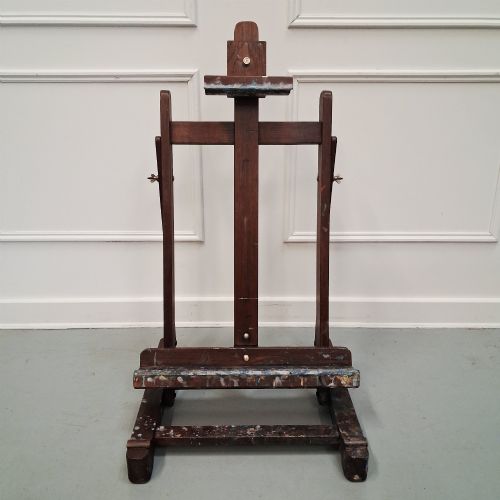
Cabinet makers utilised dense hardwoods like oak, mahogany, and pitch pine to ensure the framework could bear the weight of heavy canvases. These timbers were frequently joined with robust pegged mortise and tenon construction.
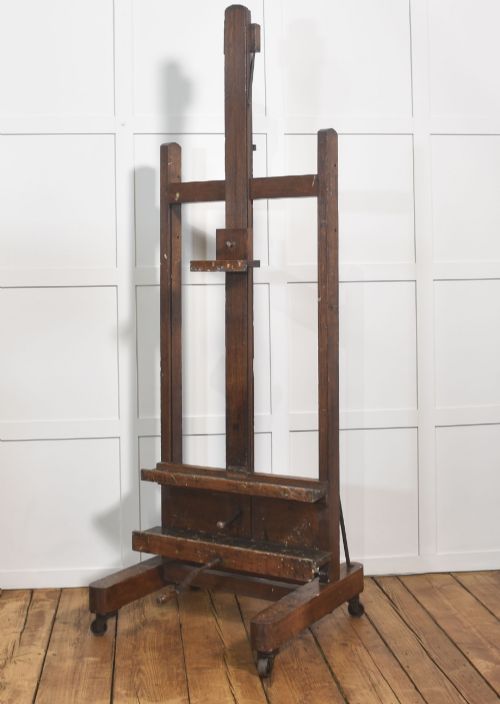
Mechanical adjustment relied on cast iron, brass, and plain metal fittings, allowing artists to raise and lower the working shelf with precise cranks and ratchet mechanisms. Ebonised finishes and occasional gold leaf accents provided a decorative surface layer for formal display items.
What varies in quality
The sophistication of the mechanical adjustment mechanism dictates much of the standing of an individual piece, with smooth-working brass and iron ratchets setting finer examples apart from simpler fixed frames. Heavier timber construction and intact original hardware contribute significantly to the structural integrity.
Design ambition also marks the difference between standard utilitarian studio equipment and high status display furniture. Elaborate carved details, such as swan motifs, or specialised forms like double sided gallery stands indicate superior workshop origins.
Windsor and Newton
The Wooden Studio Easel Glossary
- Ebonised wood
- Timber stained or painted to resemble dense, dark ebony. This finish was particularly favoured during the Victorian Aesthetic Movement.
- Gallery easel
- A dual purpose stand designed to hold multiple artworks simultaneously for exhibition or viewing. These often feature double sided display capacity.
- Pitch pine
- A resinous North American pine used in nineteenth century cabinet making. It yields strong timber with prominent growth rings.
- Ratchet mechanism
- A notched metal bar and catch system that allows the main shelf to be adjusted securely in height. This mechanical component is central to a studio easel.
- Tabletop easel
- A scaled down version designed to sit on a desk or table rather than stand on the floor. These smaller frames accommodate modest canvases or display plates.
Wooden Studio Easel: Frequently Asked Questions
How do I adjust the height?
Most floor standing examples use a metal handle or winding mechanism connected to a rack and pinion system. Turning the handle shifts the central carriage up or down the main upright.
Simpler nineteenth century versions rely on a peg and holes method or a metal ratchet catch that drops into slotted teeth. You simply lift the shelf to the desired position and secure it with the pin.
Can I use a studio easel for display?
These frames make exceptional display stands for large paintings, mirrors, or photographs in a domestic setting. Their adjustable ledges accommodate various frame thicknesses safely.
Many period examples were specifically built for galleries and exhibitions rather than messy painting studios. Their decorative wood finishes suit contemporary living spaces well.
How do I tell Victorian from later pieces?
Victorian examples frequently display heavier timber scantlings, traditional pegged joinery, and darker finishes like ebonised wood or deep mahogany. They often carry complex cast iron winding gear.
Pieces from the 1900s to the 1930s tend to show lighter French oak construction and simpler, more streamlined adjustment hardware. Regional styling from French provincial workshops also marks out these twentieth century variants.