


Artist Studio Display Stand
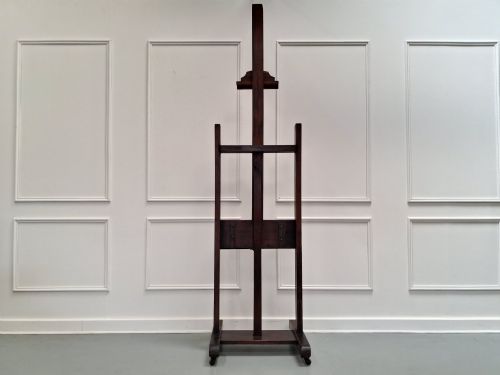
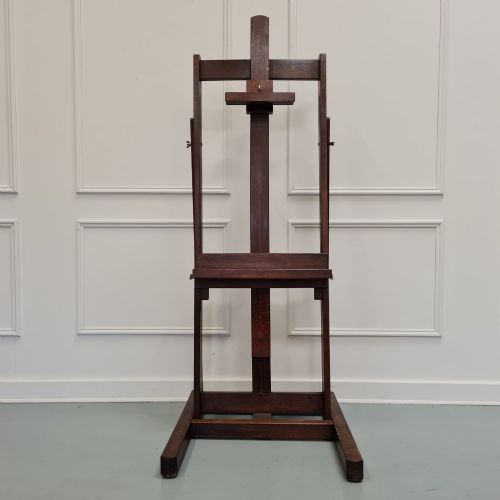
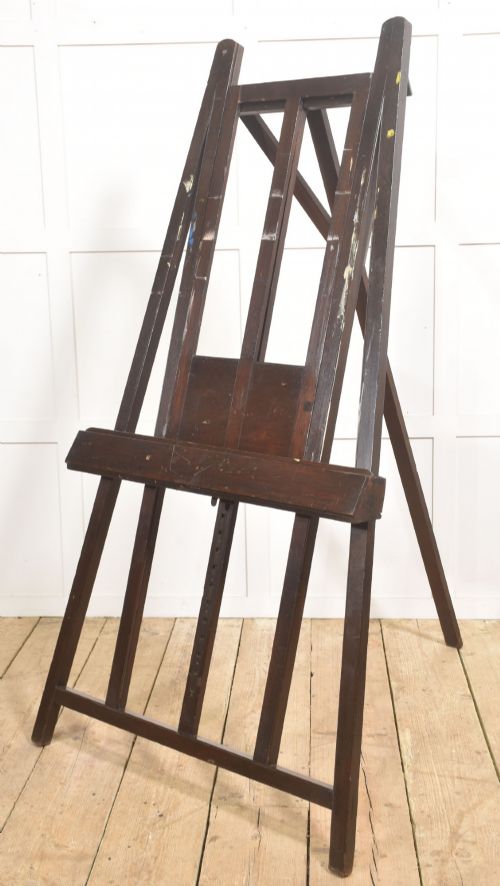
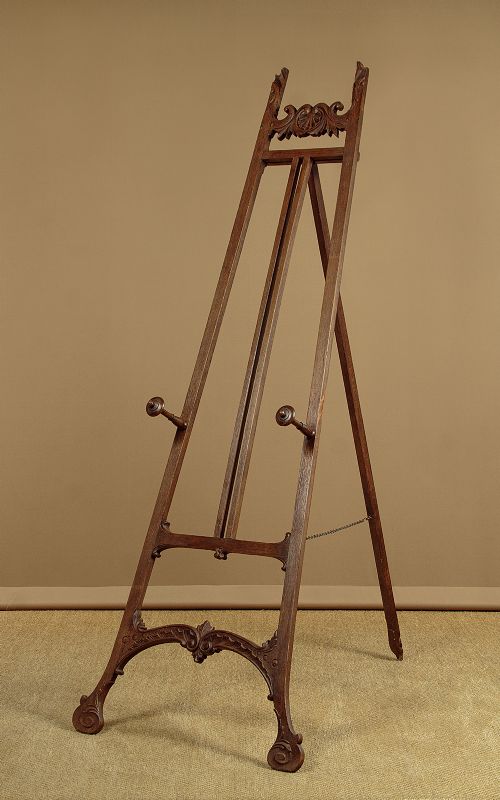
An artist studio display stand is a practical piece of workspace furniture designed to hold canvases, sculptures and frames securely while in progress or on exhibition.
Artist Studio Display Stand
An artist studio display stand encompasses a functional range of furniture primarily taking the form of easels, pedestals and stands. When exploring the category of artist studio display stand, buyers encounter floor-standing examples alongside compact tabletop formats.
The objects originate from varied periods including the Victorian era, the 1890s, 1900, 1910, 1930 and the wider nineteenth century. Styles span Victorian designs, the Aesthetic Movement, French Provincial, French Country, Edwardian and utilitarian studio aesthetics.
How they were made
Makers constructed these stands predominantly from timbers such as oak, mahogany, pitch pine and general pine. Metal components, brass fixtures, iron mechanisms and cast iron elements provide structural support and adjustment capability.
Surface finishes involve natural polished timber, applied paint and ebonised treatments. Mechanical ingenuity appears in fully adjustable frameworks and double-sided gallery configurations.
Design variations range from utilitarian studio models and double-sided gallery formats to decorative Aesthetic Movement pieces.
What varies in quality
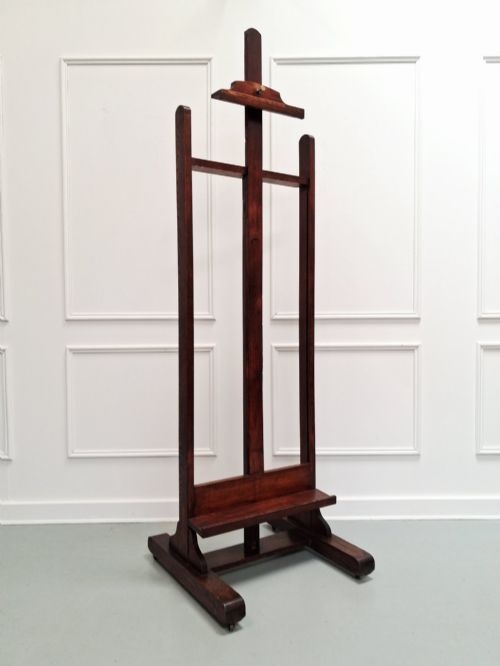
Construction robustness separates utilitarian studio items from more decorative examples, particularly in the complexity of adjustment mechanisms and timber selection. Heavier pieces utilise dense hardwoods like mahogany and oak to ensure stability under heavy canvases or sculptures.
Stylistic detailing differentiates standard workshop furniture from pieces featuring specific design traits, such as carved ornaments or swan motifs. The integration of brass and iron hardware also influences the overall standard of manufacture.
Windsor and Newton
The Artist Studio Display Stand Glossary
- Easel
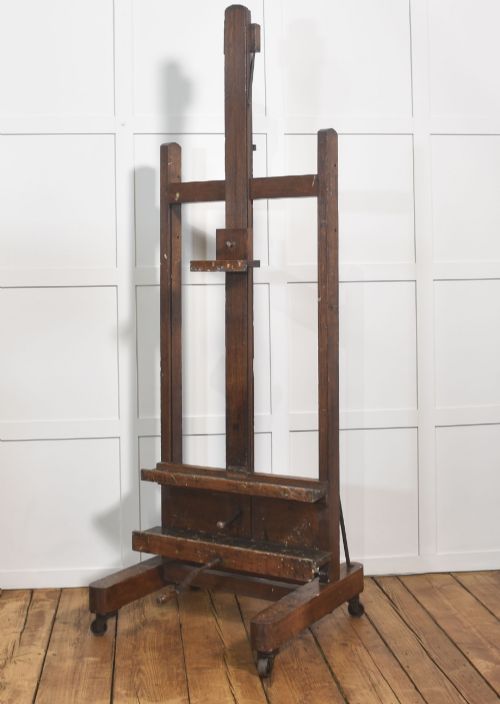
- A freestanding upright support used for holding an artist's work at a proper height for painting or display. These structures often incorporate winding mechanisms for height adjustment.
- Pedestal
- A support or base for a statue, vase, or sculptor stand. They elevate items to eye level for observation.
- Ebonised
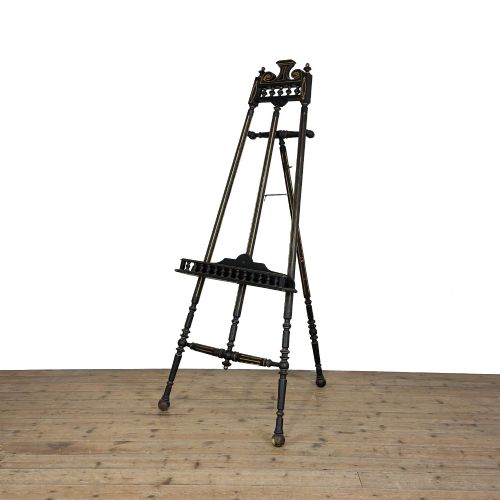
- Wood finished to resemble ebony through a staining and polishing process. This dark finish gained popularity during the Victorian and Aesthetic periods.
- Double sided
- An easel configuration allowing two canvases or displays to be mounted simultaneously on opposing faces. This layout maximised workspace utility in crowded studios.
- Gallery easel
- A heavy-duty stand designed to display finished artworks to prospective buyers. These robust frames often feature wide ledges and stable bases.
Artist Studio Display Stand: Frequently Asked Questions
What is an artist studio display stand used for?
These stands serve primarily to hold canvases, boards and sculptures at a comfortable height for working or exhibition purposes.
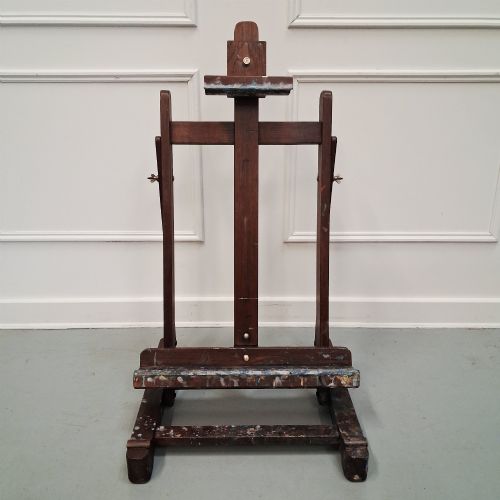
Larger floor-standing versions support substantial oil paintings, while smaller tabletop variants suit illustrations and delicate panels.
How do I identify a Victorian easel?
Victorian examples frequently display heavier timber construction, visible mechanical brass winding handles and darker finishes like ebonised wood.
They often incorporate utilitarian studio framing designed for durability during daily artistic practice.
Were these stands made in France?
French examples from the nineteenth and early twentieth centuries often utilise oak or pitch pine with regional stylistic characteristics.
Styles from this origin range from provincial country furniture to refined studio apparatus.
What materials are common in these stands?
Oak and mahogany form the primary structure for the majority of these pieces, complemented by pine in utility formats.
Metal components such as iron and brass appear frequently in the mechanical adjustment systems.