




Antique Wooden Door Pediment
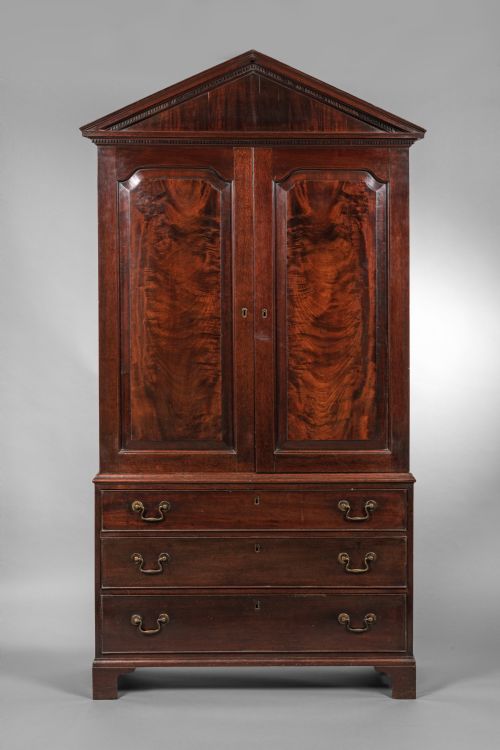
An antique wooden door pediment is an architectural fragment that adds considerable scale and historical weight above an interior opening.
Antique Wooden Door Pediment
When you search for an antique wooden door pediment, you encounter architectural salvage originally designed to crown doorways, cabinets, or large wall panels. The examples available here span several distinct periods, including the seventeenth, eighteenth, and nineteenth centuries, with notable French and English regional influences.
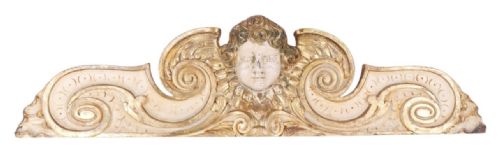
Most pieces on this page take the form of overdoor panels, pelmets, or decorative architectural crests. You will find items carved from solid oak and mahogany, occasionally retaining traces of old paint, gesso, or gold leaf.
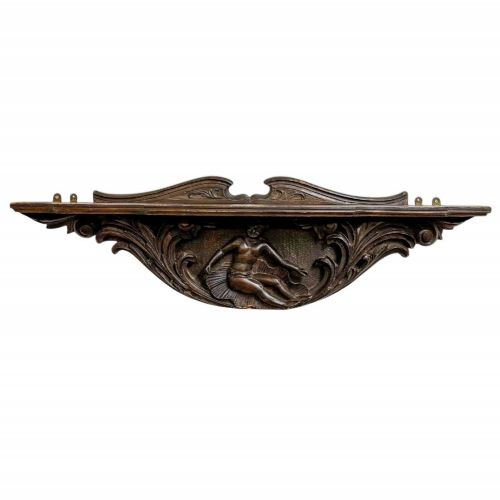
Beyond standard door placement, many of these elements function effectively as wall reliefs or decorative shelf supports above furniture. Their primary appeal lies in their capacity to introduce sculptural depth and period character into a modern interior.
Construction and materials
The construction of an antique wooden door pediment relies primarily on dense hardwoods such as oak and mahogany, chosen for their stability and capacity to hold crisp detail. Craftsmen shaped these timbers using hand chisels and gouges, achieving high relief through deep undercutting.
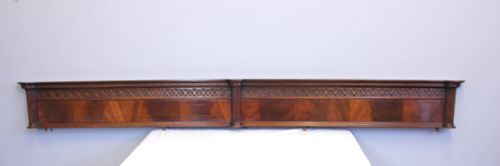
Surface treatment frequently involves applied gesso and gold leaf, or intricate marquetry inlay executed in contrasting veneers. In some instances, painted finishes were utilised to mimic more costly stones or to unify the timber grain before mounting above an entrance.
Judging quality and execution
Quality in an antique wooden door pediment resides in the depth of the carving and the anatomical correctness of figurative elements such as cherubs or scrolling foliage. Superior examples display confident chisel work where the wood is undercut to create genuine three-dimensional shadow.
The choice of timber and the complexity of the joinery further distinguish finer pieces from simpler decorative hardware. Pieces retaining their original gilded, painted, or polished surfaces without excessive modern intervention command greater historical interest.
Edward Pearce·Garman Meonstoke
The Antique Wooden Door Pediment Glossary
- Pediment
- An architectural crowning element, triangular or segmented, placed above doors, windows, or furniture. In interior salvage, it frequently takes the form of an ornate carved panel.
- Overdoor
- A decorative panel or painting positioned immediately above a doorway frame. These pieces often incorporate high-relief carving or figurative motifs.
- Gesso
- A plaster-like mixture applied to wood surfaces as a base for gilding or painting. It allows for crisp moulding details that complement carved wooden elements.
- Marquetry
- The art of applying decorative veneer pieces to a structure to form geometric or pictorial designs. It appears on finer cabinetwork and associated architectural elements.
- Pelmet
- A narrow framework or board placed above a window or door to conceal fittings. French examples in this category often feature hand-carved wooden scrollwork.
Antique Wooden Door Pediment: Frequently Asked Questions
What is an antique wooden door pediment used for?
These architectural elements are traditionally mounted above interior doorways to provide a sense of grandeur and finish. Interior designers also hang them directly on plain walls as sculptural art.
Some larger panels or shelf-fitted versions serve as overmantels or decorative crowns for bespoke bookcases and display cabinets.
How do I mount a heavy wooden pediment?
Due to their solid oak or mahogany construction, most pieces require secure fixing directly into wall studs or masonry using appropriate brackets. Professional installation is strongly recommended for larger seventeenth or nineteenth-century panels.
Ensure the weight distribution is supported evenly along the back frame or integrated hanging points.
Can I use an overdoor pediment outside?
These items are salvaged from interior settings and are generally not suited for permanent exterior exposure. Dampness and fluctuating temperatures will damage historic woods, gesso, and gold leaf.
Keep them within climate-controlled interior spaces to preserve the original timber and surface finishes.
How do I tell seventeenth-century oak from nineteenth-century work?
Seventeenth-century pieces typically exhibit deep, hand-hewn oak tool marks, heavy timber dimensions, and construction methods characteristic of early joinery. The carving styles reflect English Baroque or Jacobean motifs.
Nineteenth-century revivals often utilise softer mouldings, machine-prepared timber backs, or French chateau styling with applied gesso details.