

English Oak Panels
English oak panels bring the solid architecture of earlier centuries into a room, offering genuine historical substance through carved timber.
English Oak Panels
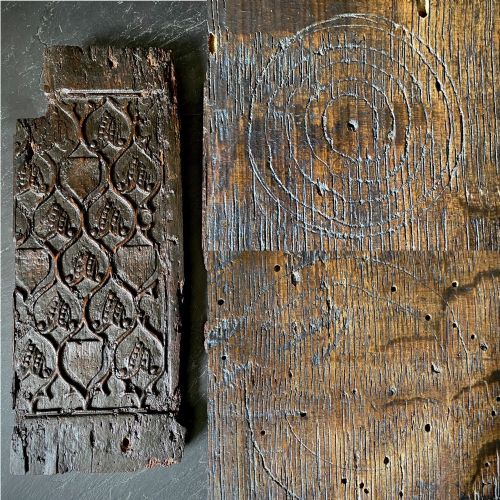
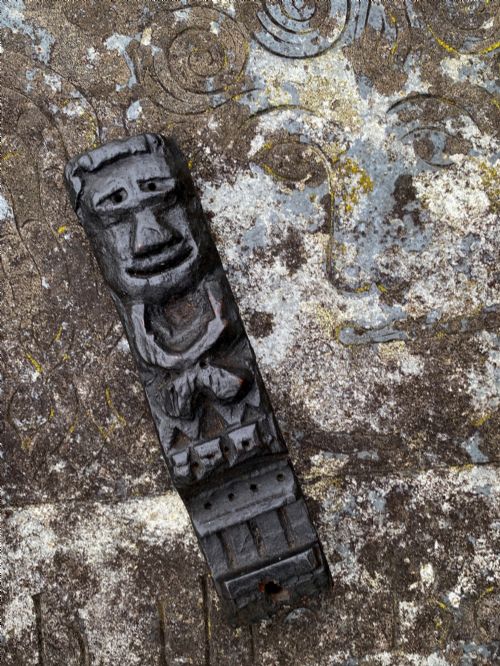
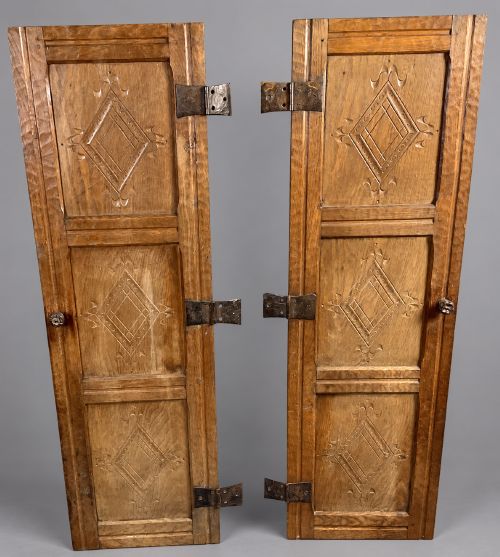
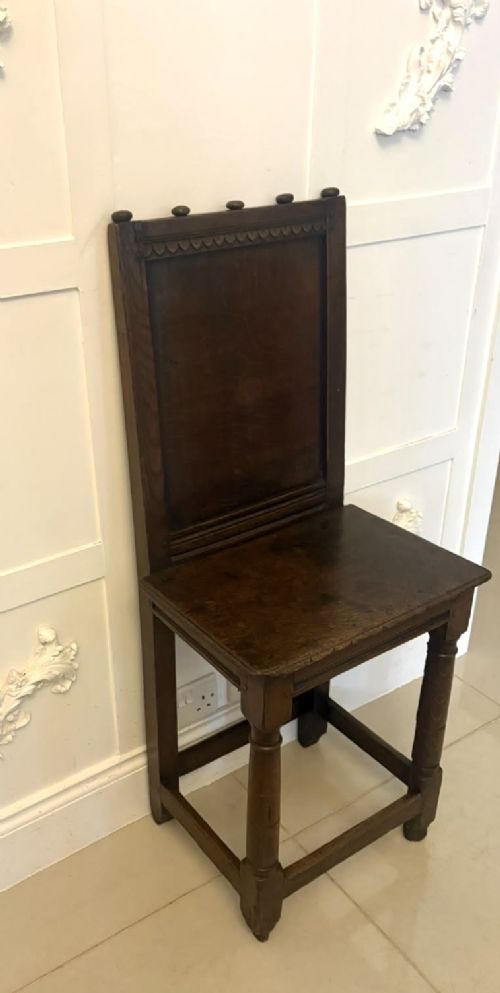
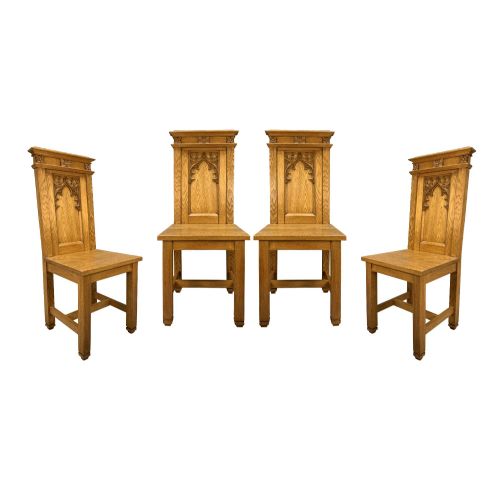
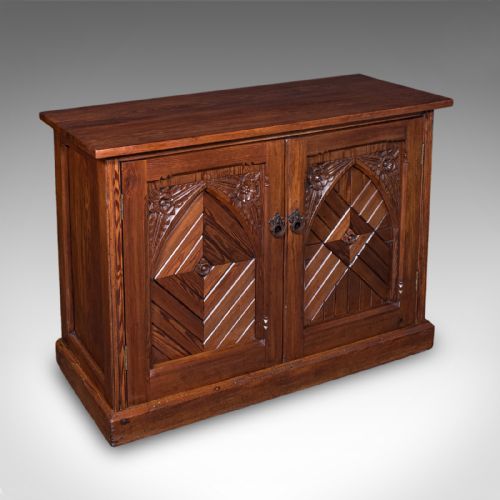
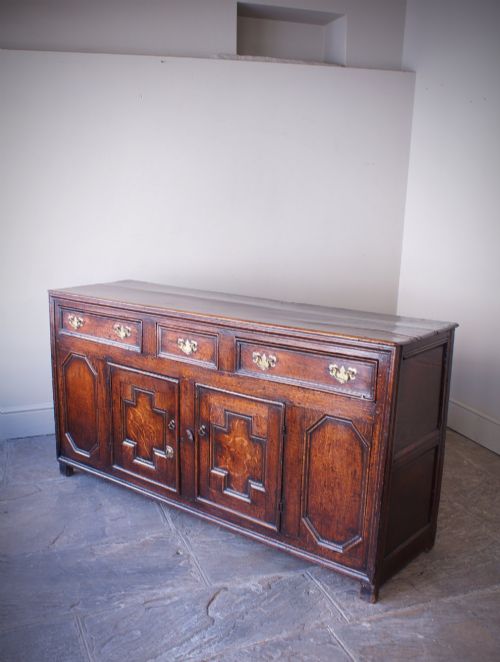
English oak panels represent structural timber elements from 16th-century, 17th-century and 18th-century buildings, furniture, and furnishings. A buyer searching this phrase encounters architectural fragments, cupboard doors, linenfold carvings, and integrated sections removed from larger pieces of period woodwork over time.
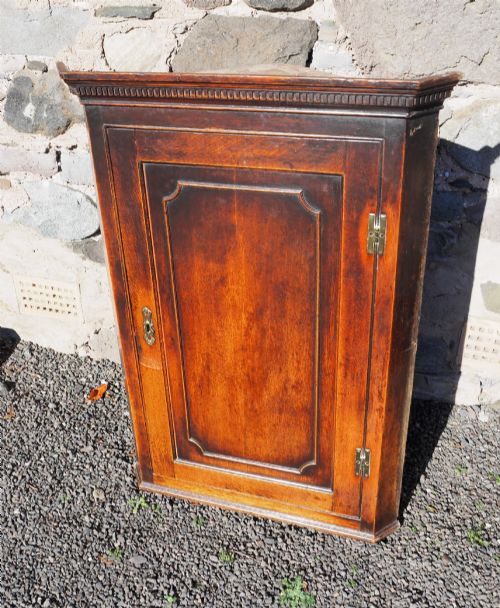
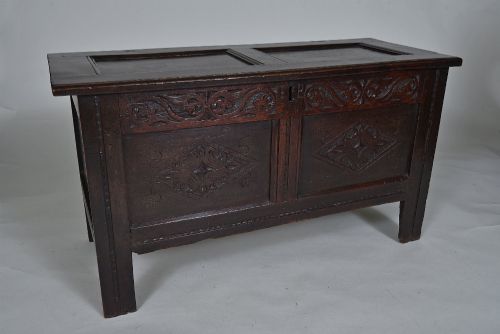
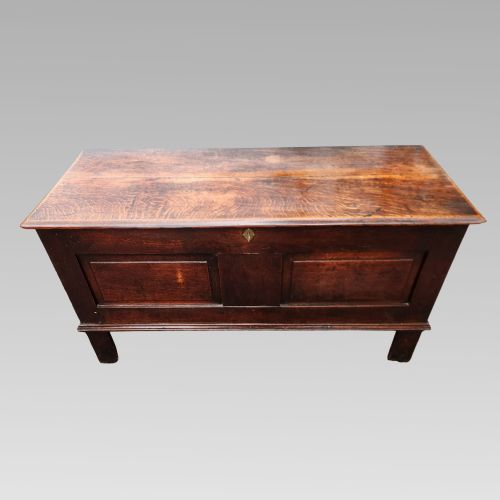
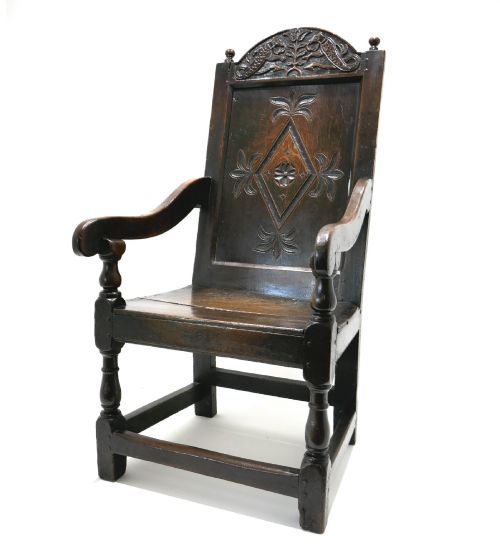
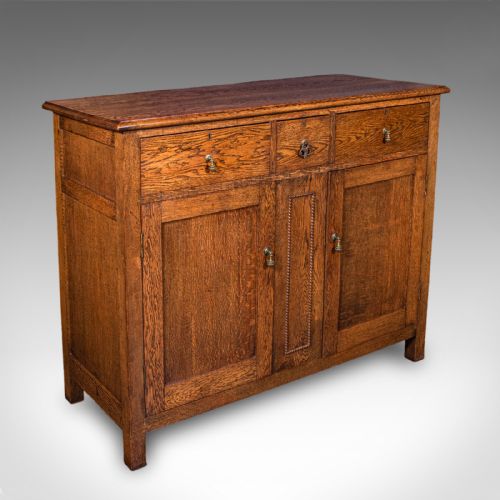
The versions most frequently met on this page include sixteenth-century and seventeenth-century carved linenfold panels, along with later Jacobean, Georgian, and Victorian adaptations. These items appear either as standalone wall elements or integrated into items like coffers, chests, and cupboards.
The origins span various English regions and stylistic revivals, reaching from Tudor and Elizabethan foundations through to Gothic Revival interpretations. Each piece holds the grain, tool marks, and patination accumulated through centuries of domestic use.
How they were made
Makers fashioned english oak panels using native timber, shaping the material with hand tools such as adzes, drawknives, and chisels. The grain shows the natural variations of English oak, often quarter-sawn to display the characteristic medullary rays.
Joinery techniques relied on mortise and tenon frames held with wooden pegs, allowing the panels to float and move naturally with changes in humidity. Surface decoration involved hand carving, featuring linenfold motifs, geometric patterns, and low-relief scrolling.
Finishes developed organically through waxing, handling, and environmental exposure over hundreds of years, producing the deep honey and dark brown tones recorded across the pieces.
English Oak Panels Retail Price Guide 2026
Typical asking prices for english oak panels among the pieces listed under this phrase on Sellingantiques today, from the lower quarter to the upper quarter. They describe what is for sale here now, not the wider market.
What varies in quality
Depth and crispness of the hand carving distinguish finer examples, where the chisel work retains sharp detail and confident geometry. Lesser pieces show worn or shallow incisions from hurried production or excessive later sanding.
Integrity of the timber dictates longevity, with superior examples retaining original edge profiles, sound tenons, and minimal replacement wood. The presence of dense, well-figured English oak with a stable, undisturbed surface patination separates the better panels from compromised fragments.
The English Oak Panels Glossary
- Linenfold
- A style of relief carving imitating folded linen fabric, popular on Tudor and Elizabethan panels. This technique gives flat wooden surfaces a textured, textile-like appearance.
- Wainscot
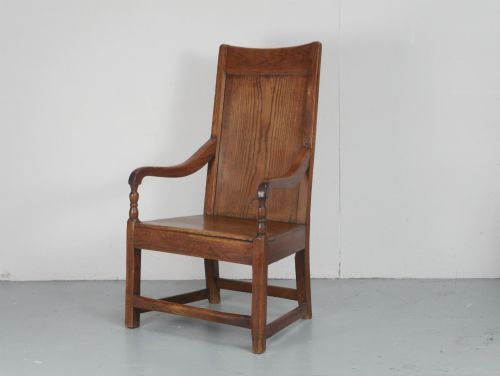
- A type of fine wooden panelling used on interior walls or incorporated into chair backs. The term also designates sturdy, panelled chairs from the seventeenth century.
- Coffer
- A large wooden chest used for storage, constructed with heavy frame and panel techniques. These often incorporate carved panels similar to wall sections.
- Quarter-sawn
- A method of log cutting that produces vertical growth rings and pronounced medullary rays on the timber face. This cut minimises warping and enhances the visual figure of oak.
- Peg
- A wooden dowel used in traditional joinery to secure mortise and tenon joints without relying on metal fasteners. These pins hold structural frames together through seasonal wood movement.
English Oak Panels: Frequently Asked Questions
How were english oak panels used originally?
These elements formed interior wall linings, church screens, and structural components of large furniture pieces such as cupboards and coffers.
They provided insulation against damp stone walls and added decorative hierarchy to important rooms in domestic and institutional buildings.
How do I hang english oak panels on a wall?
Mounting requires concealed steel brackets or wooden battens that support the weight from the frame rather than piercing the panel itself.
Because solid oak expands and contracts with indoor climate changes, the mounting system should allow for slight natural movement.
How can I tell a 16th century panel from a later copy?
Early pieces show hand-tool marks from pit-sawing and chiselling, alongside peg construction and dry, oxidised timber surfaces without modern adhesives.
Revival copies from the Victorian period or later often feature machine-cut edges, overly uniform carving, and synthetic finishes.
How do I clean and maintain antique oak?
Dusting with a dry, soft cloth removes daily particles without disturbing the historic surface wax or the underlying timber patination.
Occasional applications of natural beeswax maintain the moisture balance of the wood without creating a sticky or glossy buildup.