


Antique Wooden Desk Seat
An antique wooden desk seat offers a practical workspace foundation, bringing period craftsmanship and robust timber construction into a modern study.
Antique Wooden Desk Seat
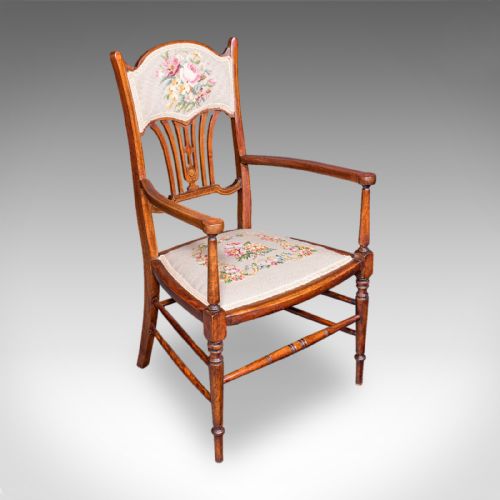
An antique wooden desk seat encompasses various seating forms designed for writing or office tasks, including Windsor armchairs, Captain's chairs, and revolving desk chairs. These pieces emerge from the eighteenth, nineteenth, and early twentieth centuries, spanning periods such as Georgian, Victorian, Regency, and Edwardian.
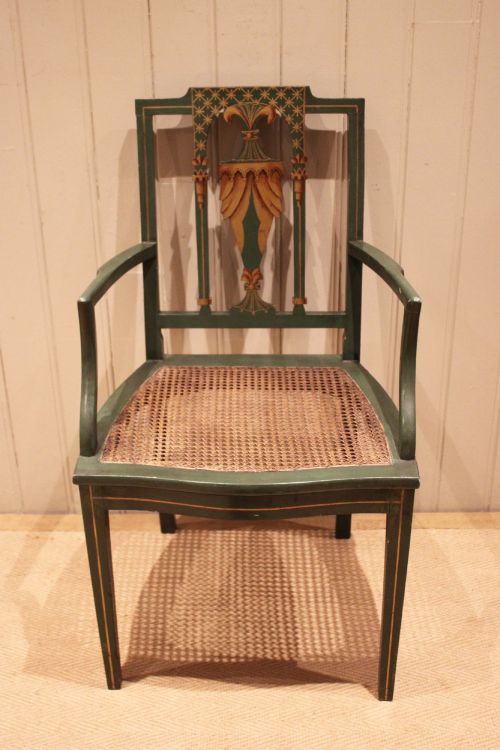
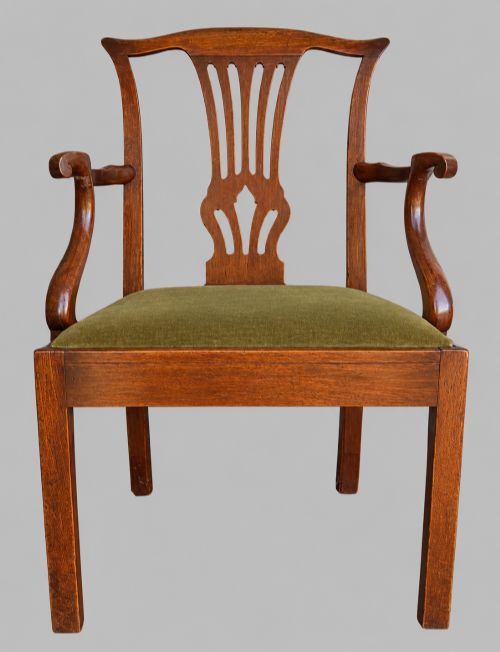
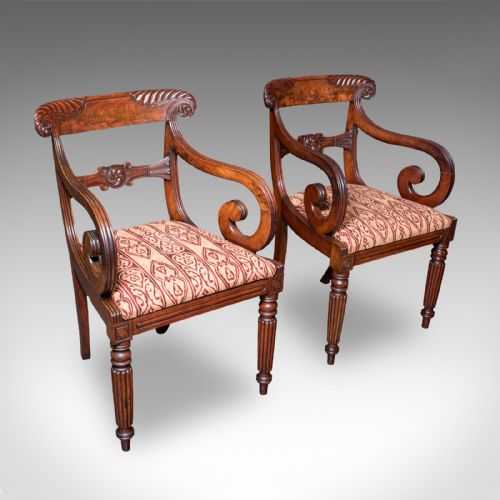
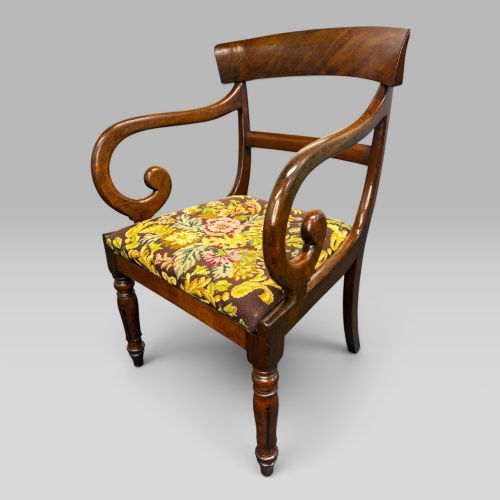
The most common variants on this page combine vernacular country timbers like elm, ash, and beech with formal mahogany or walnut office seating. Buyers encounter everything from low-back Windsor chairs to Gothic walnut revolving seats and inlaid mahogany elbow chairs.
Materials and construction
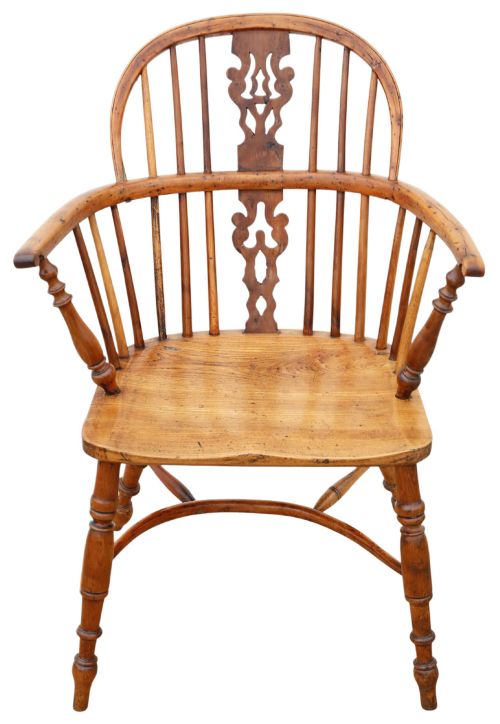
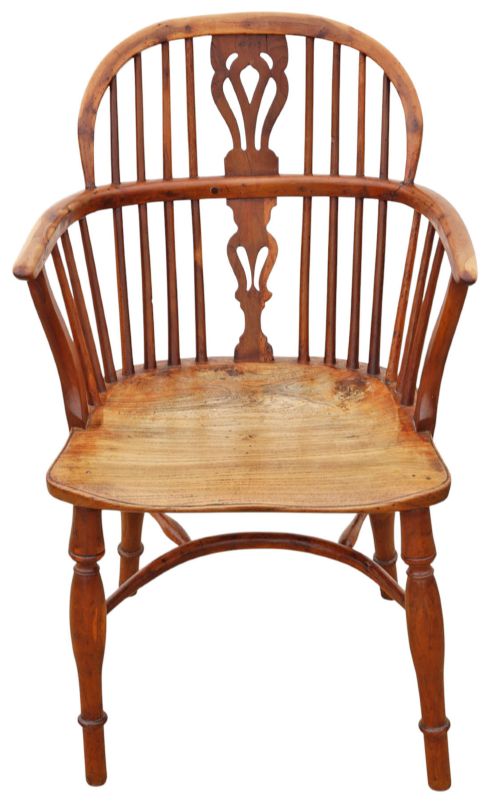
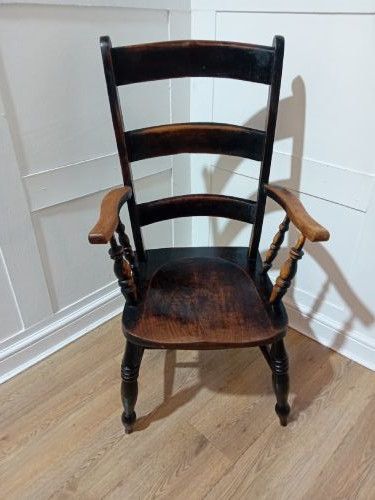
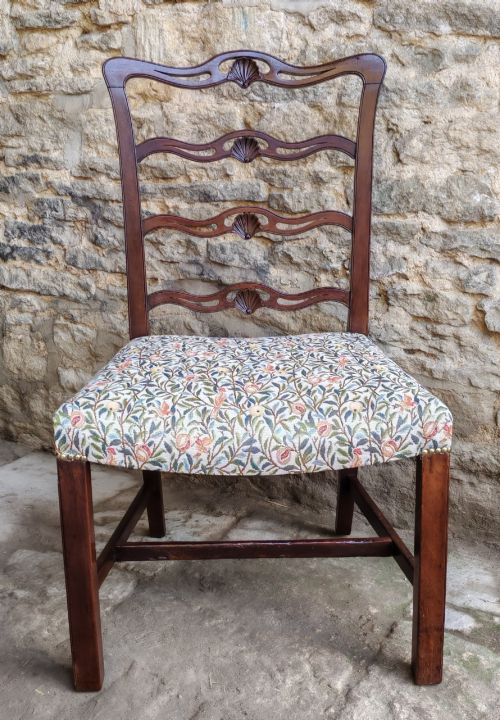
Cabinet makers and country bodgers utilised native British hardwoods, frequently pairing yew and elm for Windsor seats or employing solid mahogany and beech for formal office designs. Turned spindles, curved hoops, and carved ladderbacks give structural integrity while displaying natural grain patterns.
Joinery methods rely on traditional mortise and tenon joints, steam bending for curved components like comb backs and bows, and occasionally cane panels or fabric upholstery inset into the wooden frames.
Several chairs on this page survived centuries of office desk duties simply because their robust elm seats proved too heavy to break.
Judging the range
Quality differences stem from the dexterity of the timber selection and the retention of original surfaces, such as early finishes or patinated polish on mahogany and fruitwood. Bold figure in yew wood or well-matched elm grains elevate a vernacular Windsor chair far above plain utility versions.
Structural harmony and delicate hand-carving define the upper tier of formal pieces, whereas heavy replacement parts or stripped timber diminish the integrity of country seating.
The Antique Wooden Desk Seat Glossary
- Windsor chair
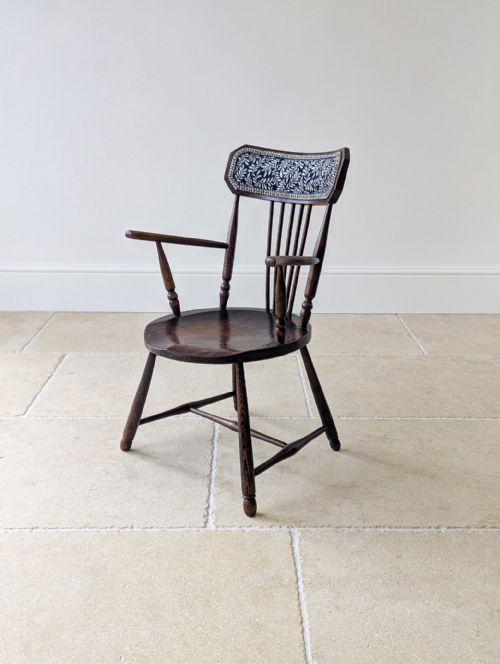
- A wooden chair featuring a solid plank seat into which the legs and back spindles are separately bored. This form often incorporates a bentwood hoop or comb back.
- Smoker's bow
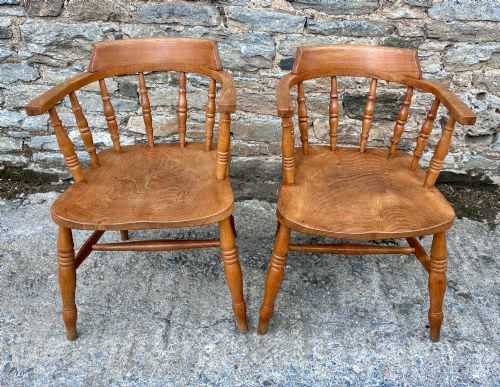
- A low-backed Windsor armchair with a continuous curved arm rail supported by turned spindles, commonly utilised in offices and smoking rooms.
- Chippendale style
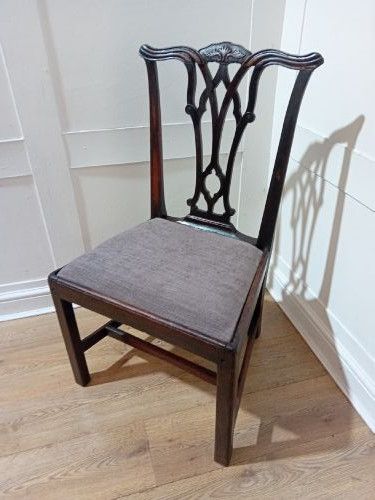
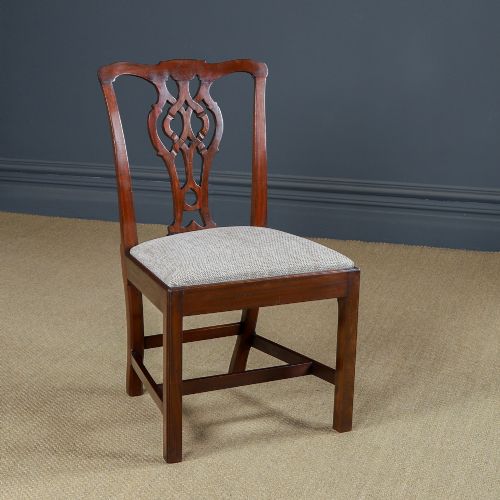
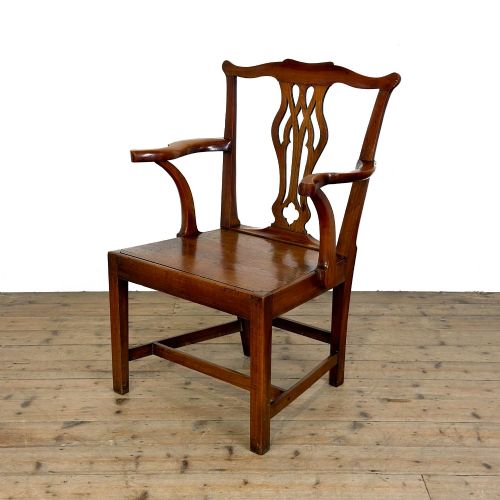
- A decorative aesthetic drawing on mid eighteenth-century English furniture designs, characterised by interlaced carved splats and cabriole or straight legs.
- Vernacular
- Everyday domestic or working furniture made by regional craftsmen using local timber traditions rather than following high-style urban fashions.
- Comb back
- A Windsor chair variation where the vertical back spindles extend upward into a horizontal headpiece resembling a hair comb.
Antique Wooden Desk Seat: Frequently Asked Questions
What defines a desk chair?
A desk chair is any seating furniture designed for writing or administrative tasks at a table, often featuring supportive armrests or a swivel mechanism.
Historical examples range from sturdy elm Windsor armchairs to mahogany Chippendale style office seats and Gothic revolving chairs.
How do I identify a Windsor chair?
A Windsor chair is distinguished by its thick solid wooden seat into which the legs and back components are fitted directly.
These pieces typically exhibit bentwood bows, stick backs, and combinations of native timbers like elm, ash, and yew.
Are these chairs comfortable for daily work?
Many period wooden desk seats provide ergonomic support through contoured wooden saddle seats and curved back rails shaped to the body.
Some variants include upholstered or cane seats for added cushioning during prolonged sitting sessions.
How do I date an antique wooden chair?
Dating relies on observing construction techniques, tool marks, timber types, and stylistic details associated with periods like the Georgian or Victorian eras.
Turned components, joinery methods, and the presence of original finish or patination offer key chronological indicators.