



Antique Wooden Canterbury
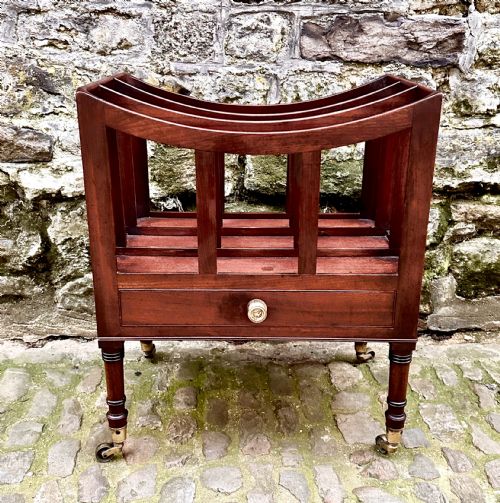
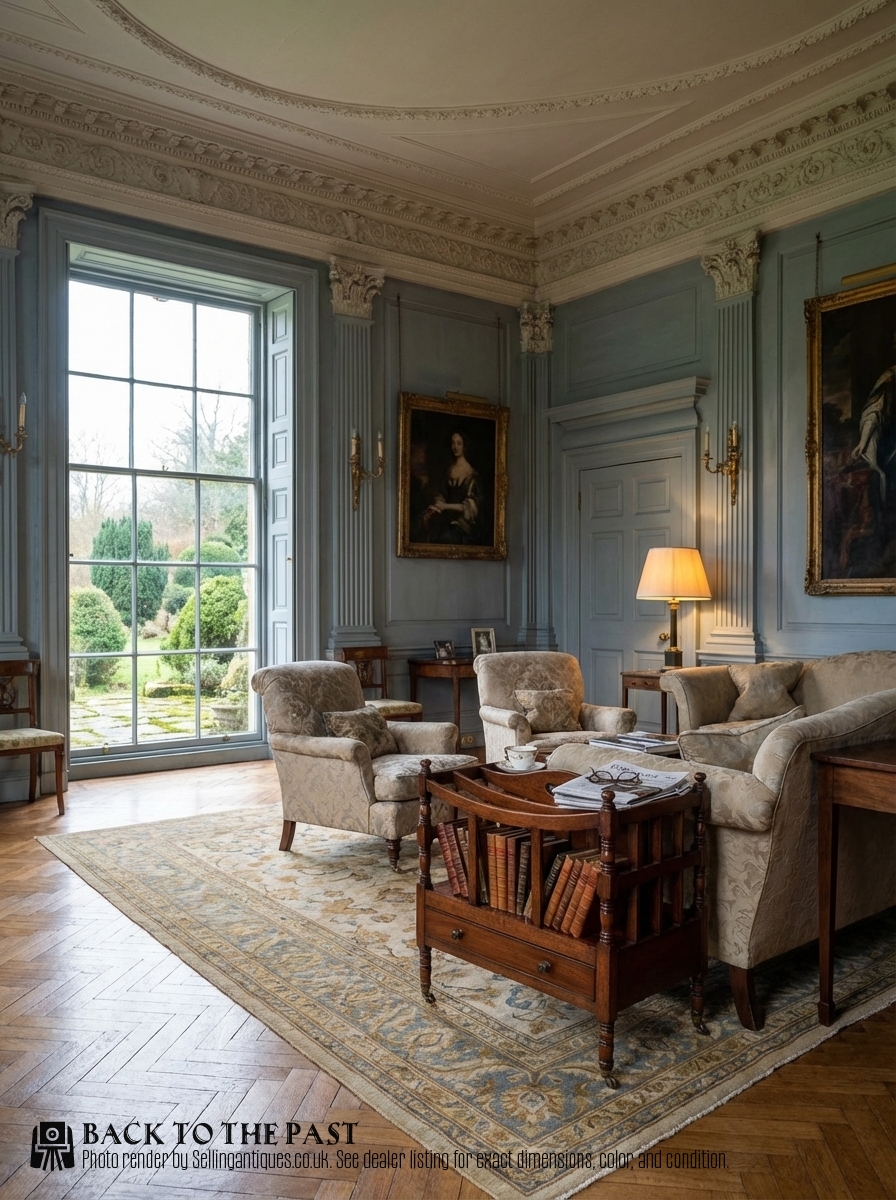
An antique wooden canterbury is a practical holder for newspapers and sheet music that brings refined division to a parlour.
Antique Wooden Canterbury
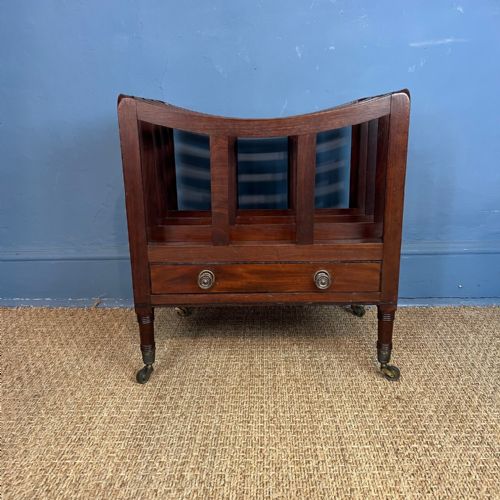
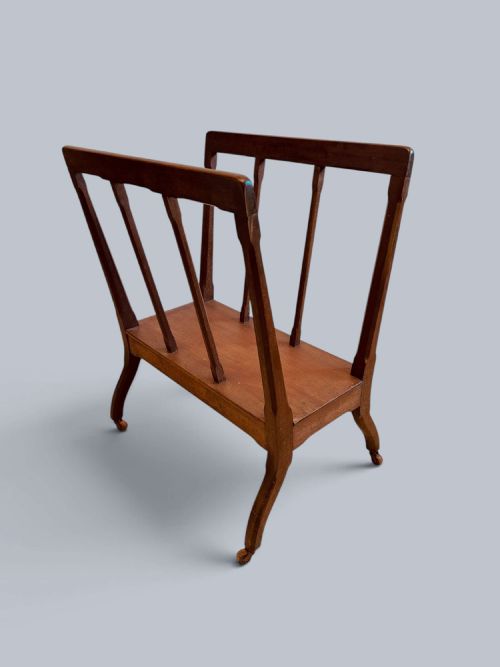
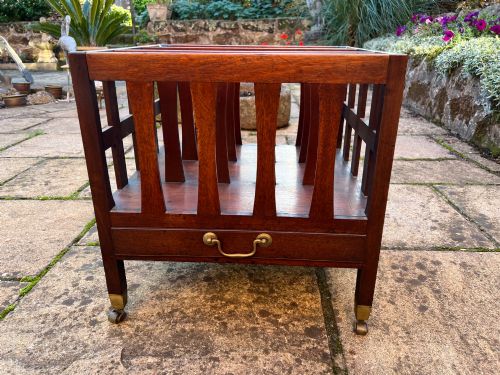
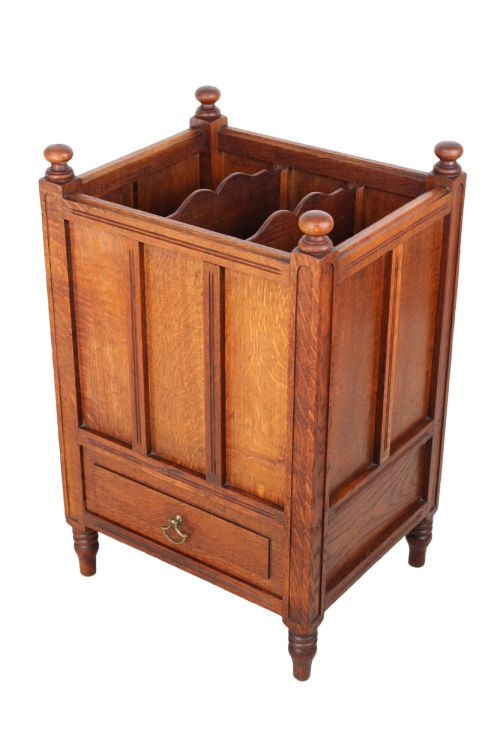
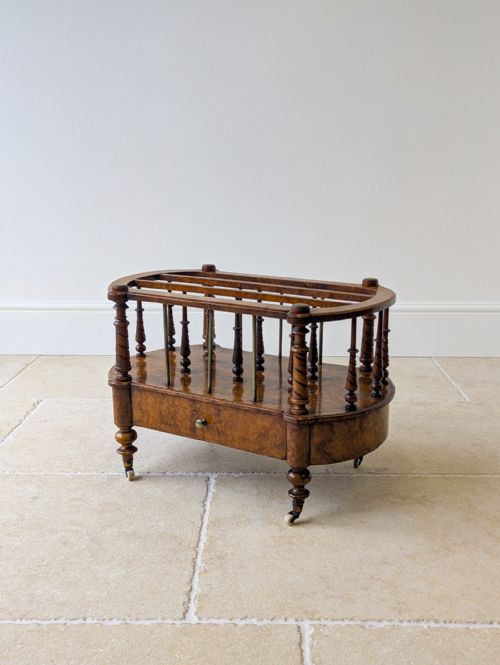
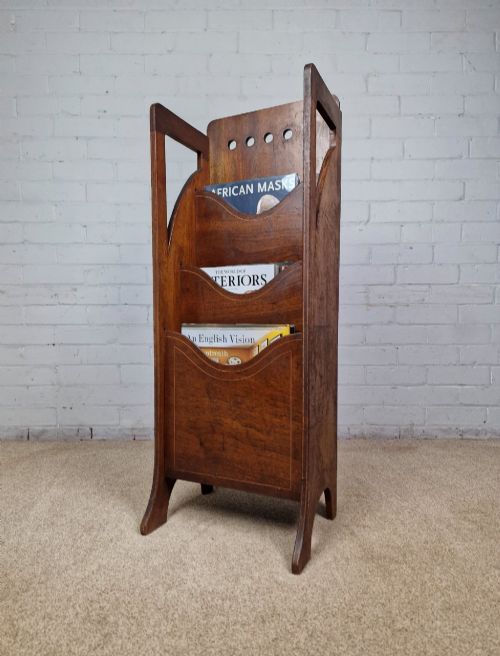
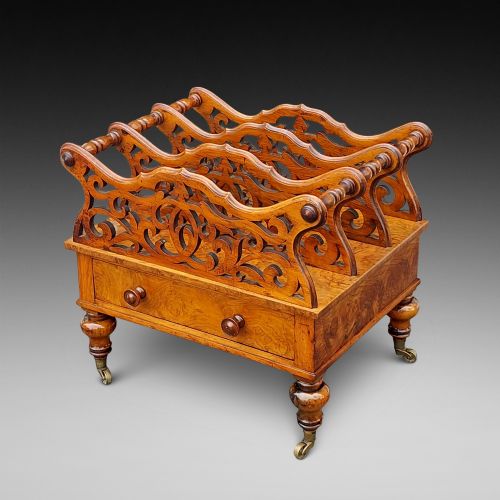
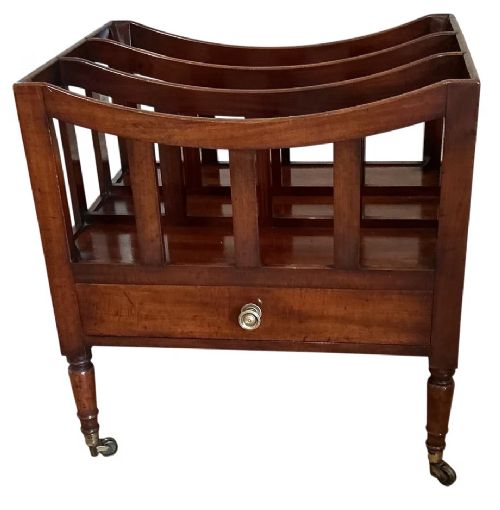
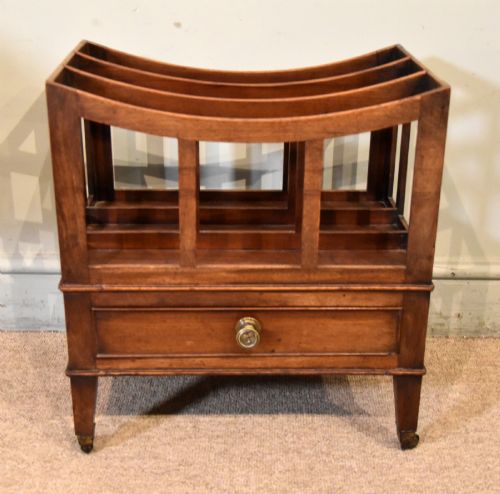
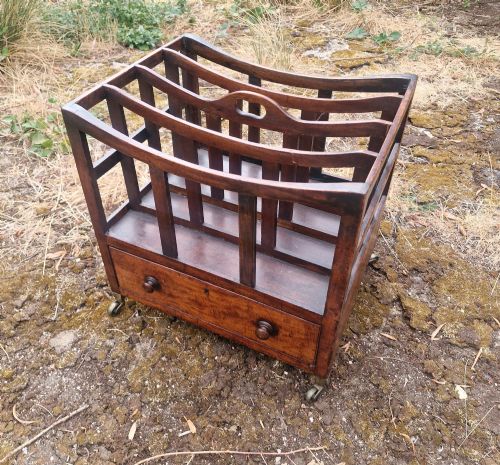
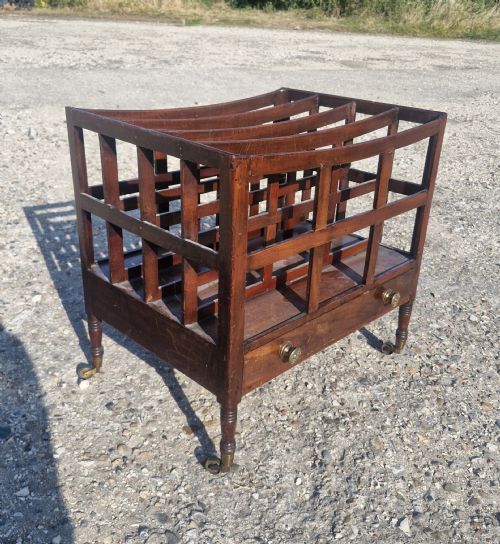
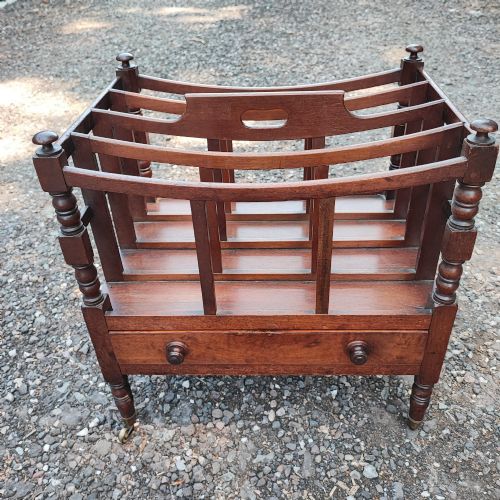
An antique wooden canterbury is primarily encountered in forms designed for newspapers, sheet music, and magazines, combining partitioned compartments with low drawer bases and slender supports. The pieces on this page span the Georgian, Regency, William IV, Victorian, and Edwardian periods, reflecting changing domestic habits in storing current reading and musical scores.
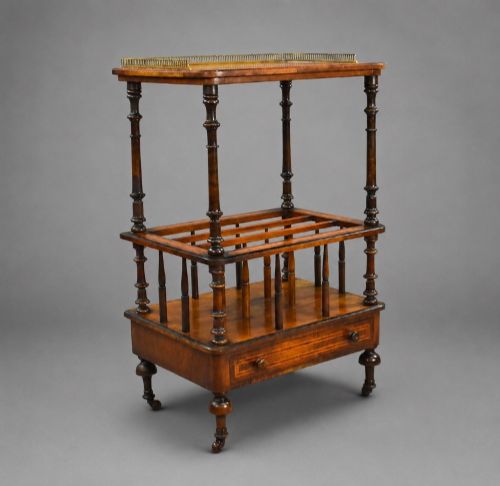
The most common formats you will meet are freestanding racks featuring four slatted divisions, often mounted on turned legs with castors for easy movement across a carpet. Alongside these standard variants, you will also discover combined music stands, cabinets, and occasional tables that integrate the traditional partitioned rack with a drawer or display surface.
Materials and construction methods
Cabinet makers relied heavily on rich timbers such as mahogany, walnut, burr walnut, rosewood, oak, and fruitwood to build these stands. These woods were chosen for their strong grain patterns and stability, allowing craftsmen to shape slender upright spindles and curved division rails without sacrificing structural integrity.
Joinery techniques combined traditional framing with turned supports, inset ceramic or porcelain details, and brass castors for mobility. Finer examples incorporated delicate inlay work and carved elements, particularly within the Victorian and Edwardian interpretations of earlier Regency and Georgian designs.
Antique Wooden Canterbury Retail Price Guide 2026
Typical asking prices for wooden canterbury among the pieces listed under this phrase on Sellingantiques today, from the lower quarter to the upper quarter. They describe what is for sale here now, not the wider market.
Listings feature mahogany, walnut, burr walnut, rosewood, oak, and fruitwood across Georgian, Regency, Victorian, and Edwardian eras.
Assessing quality and craftsmanship
The distinction between ordinary production and superior quality rests in the selection of timber and the crispness of the turning on the upright spindles. Dense, highly figured Cuban mahogany or richly grained burr walnut indicate a more costly original commission, whereas simpler fruitwood or plain oak pieces served utilitarian household roles.
Structural refinement also defines the higher tiers of these pieces, seen in well-fitted drawers, robust joinery at the base junctions, and original brass hardware. Pieces that retain their delicate proportions while remaining entirely stable under daily use demonstrate the highest level of period joinery.
Henry Ogden and Son
The Antique Wooden Canterbury Glossary
- Canterbury
- A low stand with partitioned vertical sections used originally for holding sheet music or loose folios and newspapers. It typically includes a shallow drawer beneath the rack and rests on small castors.
- Whatnot
- A piece of open shelving with multiple tiers used for displaying small ornaments or books. They often share the same delicate turned supports and timber vocabulary as contemporary canterburys.
- Burr walnut
- A prized timber veneer taken from the knotted growth of a walnut tree, creating swirling, highly decorative grain patterns. It was frequently utilised on high-status Victorian cabinet furniture.
- Castor
- A small swivelling wheel attached to the base of furniture legs to permit effortless repositioning across the floor. They are commonly cast in brass on finer 19th-century pieces.
Antique Wooden Canterbury: Frequently Asked Questions
What were canterburys used for?
These stands were designed to hold daily newspapers, unbound periodicals, and sheet music near a piano or seating area.
They kept reading materials organised and accessible in the principal rooms of a grand house.
How do I date a wooden canterbury?
Dating relies on observing the prevailing timber choices, leg turning styles, and overall decorative vocabulary.
Georgian and Regency examples tend towards lean mahogany lines, while Victorian pieces often showcase figured burr walnut and heavier spindle work.
Can I use one as a modern magazine rack?
These stands suit modern living spaces perfectly for holding current journals, books, and broadsheet newspapers.
Their narrow partitioned compartments fit neatly beside a sofa or armchair without occupying excessive floor space.
Are these stands sturdy enough for daily use?
Most pieces are remarkably robust, though their slender upright spindles require sensible handling.
Checking that the lower joints and castor fixings remain firm ensures the stand handles regular household movement safely.