

Antique Wooden Cane
An antique wooden cane is a functional personal accessory that doubles as a refined handheld statement piece for daily walks.
Antique Wooden Cane
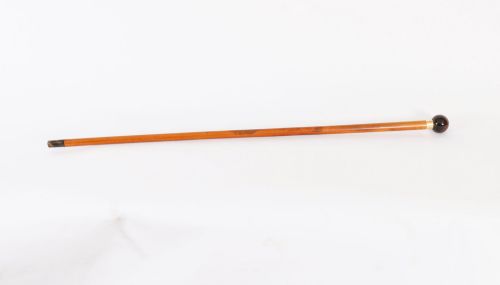
An antique wooden cane serves as a portable support and a gentlemanly accessory, frequently appearing with carved wooden shafts and decorative handles. These items emerge from the nineteenth and early twentieth centuries, spanning the Victorian and Edwardian eras.
The selection ranges from simple timber shafts to specialised formats containing concealed blades. Buyers encounter varieties fashioned from hazel, cherrywood, partridge wood, and ebony, often fitted with distinct handles.
Makers shaped these supports for steady daily use, military service, and formal carriage promenades. The enduring appeal lies in the combination of natural timber grain and metalwork craftsmanship.
Materials and construction methods
Artisans turned and straightened dense timbers such as oak, mahogany, and partridge wood to form durable shafts capable of bearing weight. Workers selected straight-grained woods to ensure structural integrity along the length of the shaft.
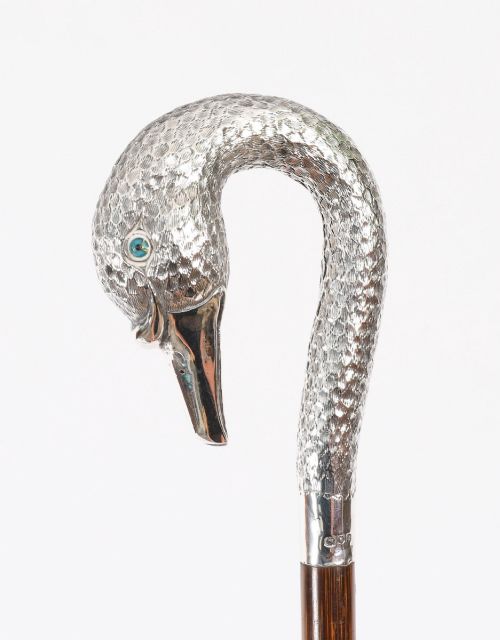
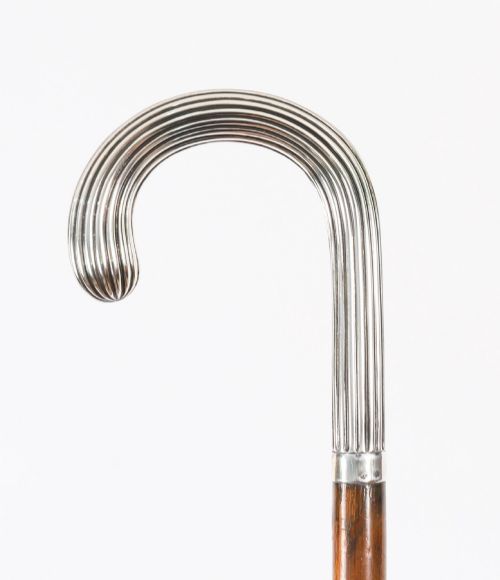
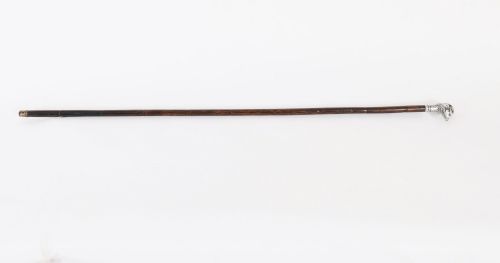
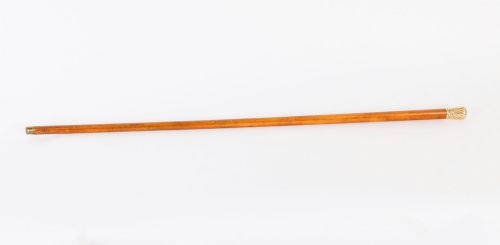
Craftsmenship extended to mounting silver, brass, gold, and steel components directly onto the timber. Handles took the form of animal heads, pommels, and crook shapes, attached securely to the wooden body.
Antique Wooden Cane Retail Price Guide 2026
Typical asking prices for wooden cane among the pieces listed under this phrase on Sellingantiques today, from the lower quarter to the upper quarter. They describe what is for sale here now, not the wider market.
Materials recorded on this page include silver, gold, brass, steel, and diverse hardwoods.
Assessing quality and finish
Quality rests in the precision of the handle attachment and the grade of the precious metal mountings. Sterling silver and eighteen-carat gold pommels indicate higher workshop standards than standard brass fixtures.
The balance of the timber shaft and the presence of signed maker details elevate the standing of the piece. Fine examples display crisp carving on animal heads and secure integration with internal steel blades.
Thomas Johnson·Wilkinson
The Antique Wooden Cane Glossary
- Pommel
- The rounded handle fitted to the top of a cane. It provides a comfortable grip for the user.
- Sword stick
- A walking cane containing a concealed steel blade within the wooden shaft. These pieces often feature locking mechanisms.
- Sterling silver
- A silver alloy containing ninety-two point five percent pure silver by mass. Makers used this material for decorative collars and handles.
- Partridge wood
- A dense tropical timber known for its distinctive partridge feather patterning. Craftsmen valued it for strength and appearance.
- Crook handled
- A cane featuring a curved upper section bent from the natural wood or attached separately. This shape allowed the owner to hang the accessory from an arm.
Antique Wooden Cane: Frequently Asked Questions
How do I date an antique wooden cane?
Dating relies upon hallmark stamps on silver or gold mounts, alongside the style of the handle and timber finish.
Assay office marks provide specific years of manufacture for precious metal components.
Were all sword sticks used by the military?
Military officers carried concealed blades during service, but civilians also purchased them for personal protection.
Masonic and regimental examples indicate specific organizational ownership rather than standard combat issue.
What woods were used for walking canes?
Carpenters utilised dense timbers including oak, mahogany, hazel, and ebony for rigidity.
Exotic woods like partridge wood provided striking visual patterns alongside structural support.
How do I maintain an antique cane?
Keep wooden shafts away from direct sunlight and extreme humidity changes to prevent timber splitting.
Polish metal mounts gently with a dry cloth without applying abrasive cleaners to the wood.