
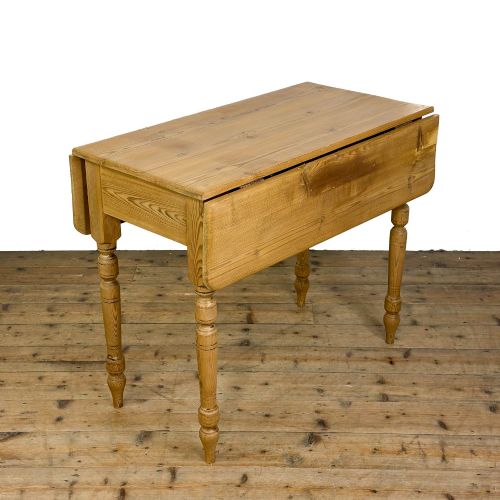
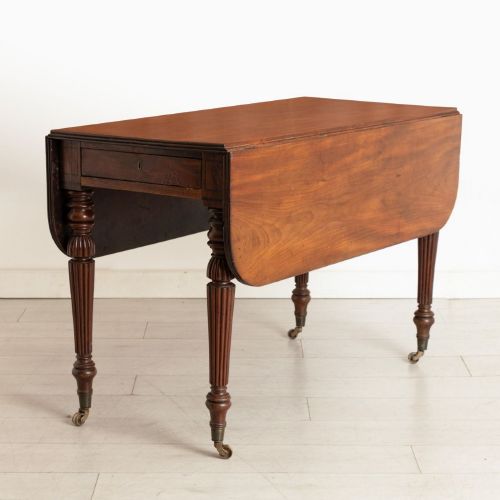
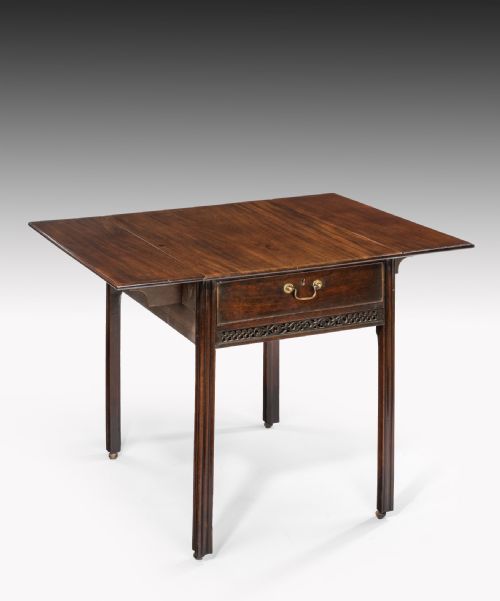
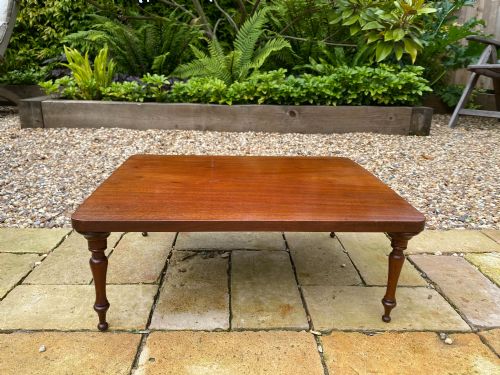
Antique Wooden Breakfast Table
An antique wooden breakfast table brings practical timber construction and period character to a room, offering a sturdy surface designed for morning dining or daily use.
Antique Wooden Breakfast Table
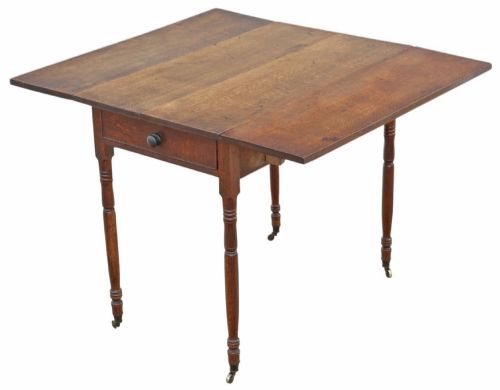
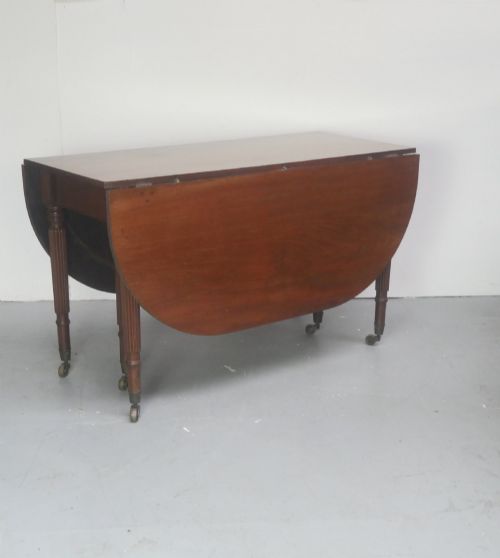
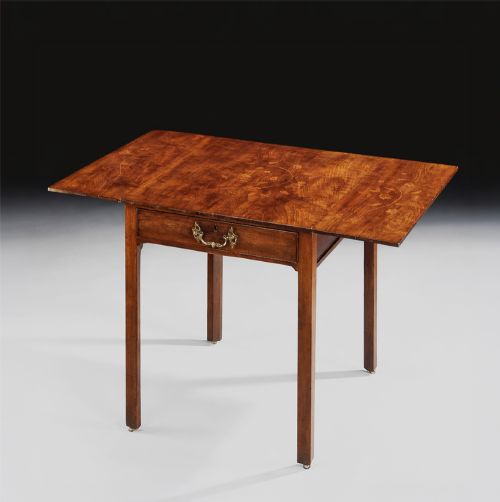
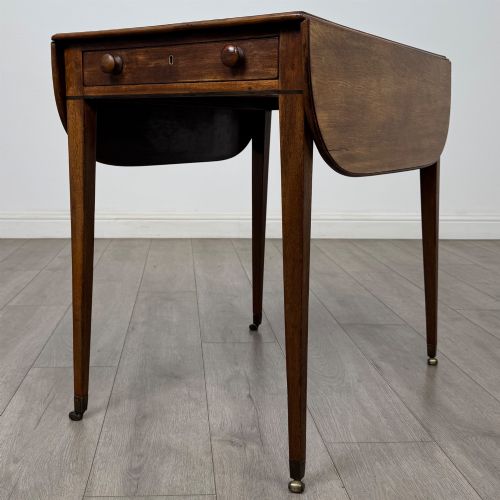
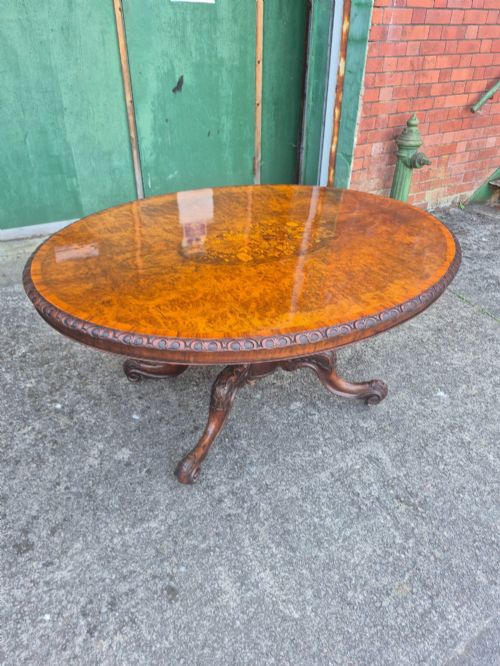
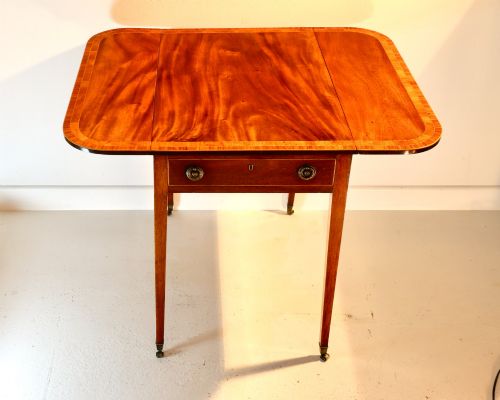
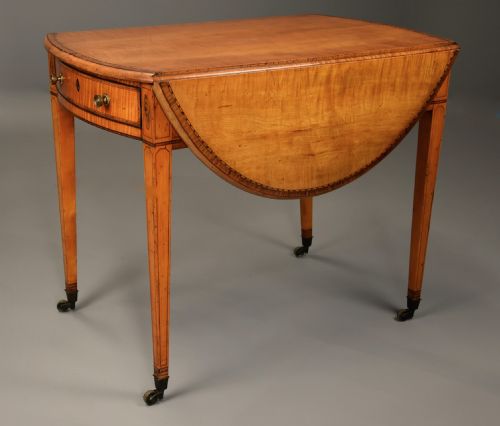
An antique wooden breakfast table is a versatile domestic furnishing found in various period forms, ranging from tilt-top pillar designs to drop-leaf Pembroke tables. These pieces originate across the eighteenth, nineteenth, and early twentieth centuries, reflecting the domestic habits of Georgian, Regency, and Victorian households.
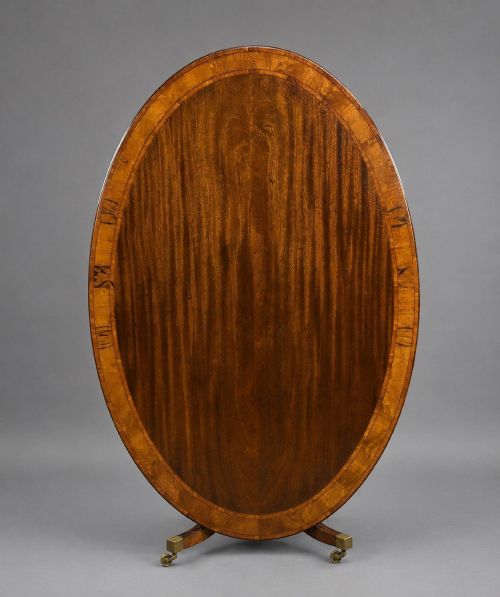
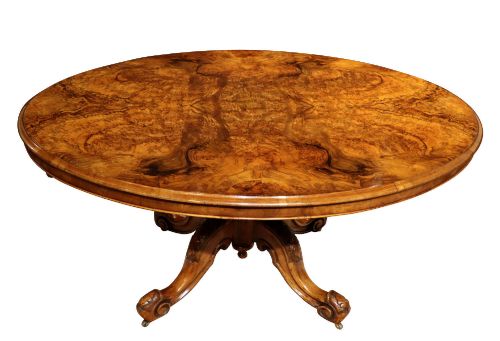
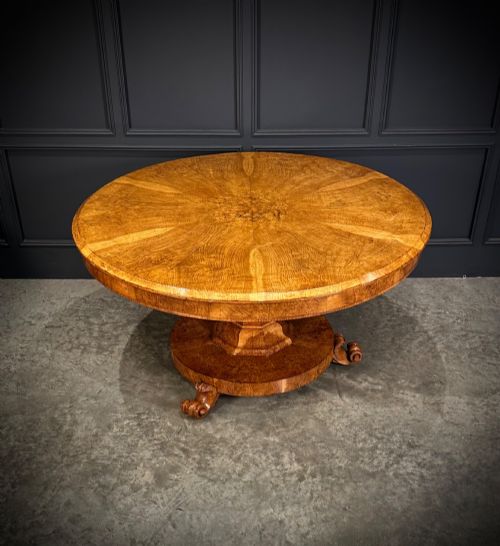
The versions most commonly met on this page include mahogany, burr walnut, and oak examples shaped with circular, oval, or rectangular tops. Many incorporate practical mechanisms such as drop leaves, gateleg supports, or tilt-top actions designed to save space when not in use.
Makers and workshops produced these tables in styles spanning rustic country farmhouse aesthetics to formal Regency and George III designs. Buyers encounter everything from solid pine kitchen tables to polished rosewood and satinwood supper tables.
Materials and construction
Makers built these tables from dense hardwoods like mahogany, oak, rosewood, and walnut, often selecting figured timbers such as burr walnut, pollard oak, or fiddleback sycamore for primary surfaces. Inlays of lighter woods like satinwood and contrasting stringing decorate borders, while secondary timbers such as pine appear in concealed structural parts.
Cabinetmakers utilised traditional joinery alongside pivoting tilt-top mechanisms, brass castor fittings, and drop-leaf hinges operated by gateleg or swing-bracket supports. Surfaces received hand-rubbed polish finishes that highlighted natural grain patterns and provided durability for everyday dining.
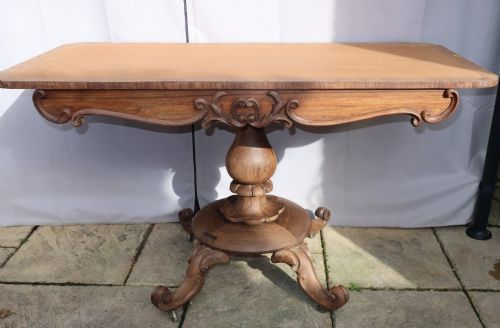
Carved details on pedestals, quadrapod bases, and pillar columns required skilled hand-chiselling, particularly on Regency and Victorian centre and breakfast tables.
Antique Wooden Breakfast Table Retail Price Guide 2026
Typical asking prices for wooden breakfast table among the pieces listed under this phrase on Sellingantiques today, from the lower quarter to the upper quarter. They describe what is for sale here now, not the wider market.
Listings feature woods including mahogany, rosewood, burr walnut, satinwood, oak, elm, and pine across styles from rustic country to formal Regency.
Factors of quality
The selection of timber grain heavily influences the visual standing of a piece, with highly figured mahogany, burr walnut, or fiddleback sycamore commanding greater appreciation than plain boards. The choice of solid timber over secondary veneers dictates the structural integrity and long-term durability of the frame.
Execution of carved enrichment on pedestals and bases distinguishes superior cabinetwork from simpler commercial production. Crisp moulding profiles, well-fitted drawers with original key fittings, and smoothly functioning tilt-top actions demonstrate high standards of workshop construction.
Morison of Ayr·Gillows
The Antique Wooden Breakfast Table Glossary
- Pembroke table
- A small occasional or dining table featuring two hinged drop leaves on opposing sides. It often includes one or two small drawers and slender legs.
- Tilt-top table
- A table designed with a hinged mechanism allowing the top to pivot vertically into a flat position for storage against a wall. This format saved valuable floor space in period rooms.
- Crossbanded border
- A decorative technique where veneer is applied to the edges of a tabletop so that the grain runs perpendicular to the central panel. It creates a defined visual frame.
- Quadrapod base
- A heavy central pedestal supported by four spreading feet, frequently fitted with brass castors on nineteenth-century tables. This configuration provided stability for large round tops.
- Gonçalo Alves
- A dense, heavily figured exotic hardwood utilised for cabinetmaking and turning during the Regency and William IV periods. Its rich colouring resembles rosewood.
Antique Wooden Breakfast Table: Frequently Asked Questions
How do I use an antique breakfast table today?
These tables function well as compact dining surfaces, kitchen prep spaces, or central display tables in a hallway or living room. Drop-leaf and tilt-top variants adapt easily to rooms where floor space is limited.
Their sturdy timber construction handles daily use, though placing them away from direct heat sources helps protect polished wood finishes and historic veneers.
How can I tell a Regency table from a Victorian one?
Regency tables, dating from the early nineteenth century, frequently display classical restraint, sabre legs, brass inlay, and dark mahogany surfaces influenced by ancient Roman designs. They often exhibit lighter, more linear proportions.
Victorian tables, produced later in the nineteenth century, tend to feature heavier proportions, elaborate pedestal carvings, quadrapod bases, and highly figured burr walnut veneers.
Did these tables always have tilt-tops?
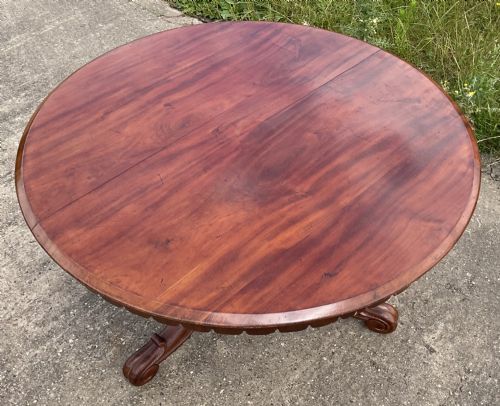
Tilt-top mechanisms appear frequently on round and oval breakfast tables from the Georgian and Victorian eras. The pivoting catch allowed the heavy top to rest vertically against a wall when not in use.
Many other forms, such as Pembroke tables and centre tables, feature fixed tops supported by rigid frame structures and do not tilt.