

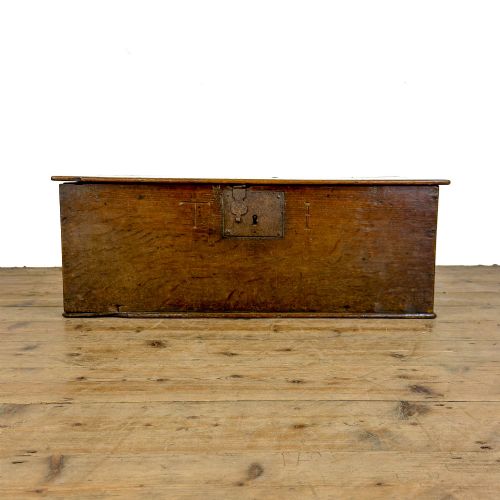
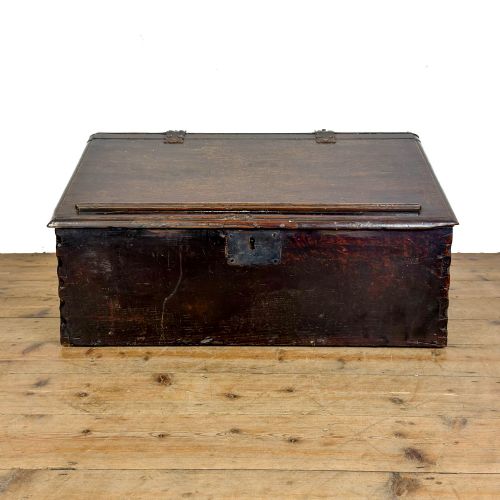
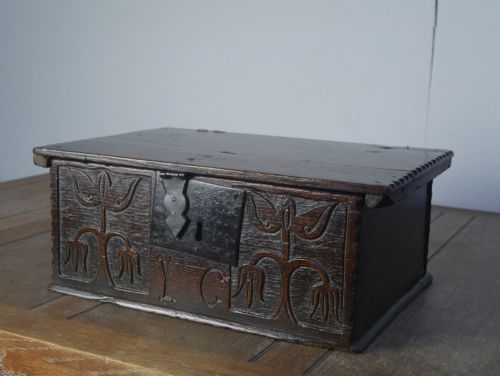
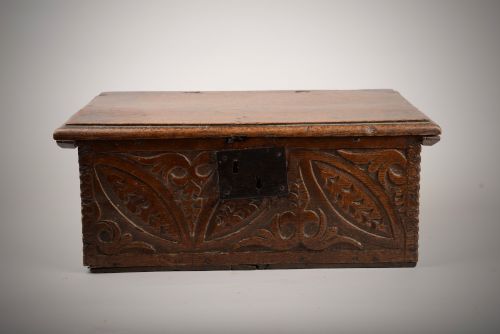


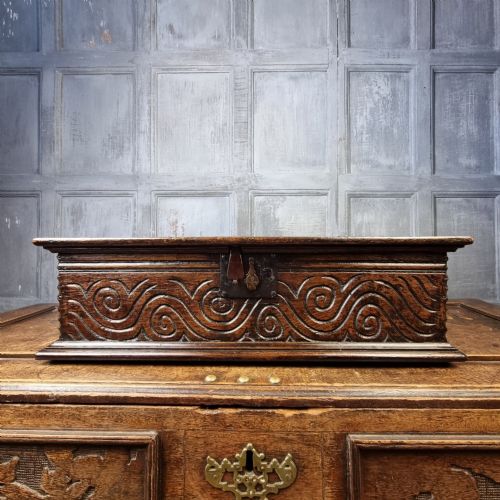

Antique Wooden Bible Box
An antique wooden bible box is a solid storage chest designed for texts and papers, offering compact history and practical desktop utility.
Antique Wooden Bible Box
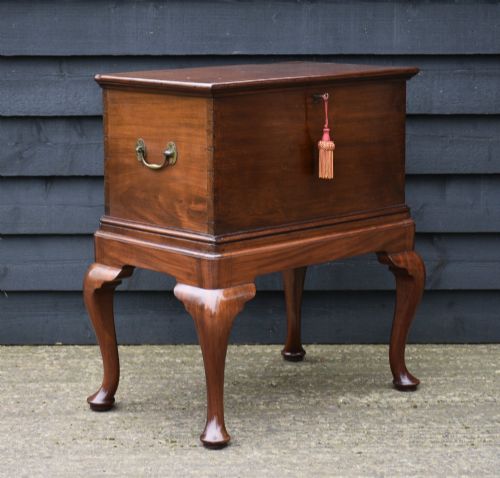
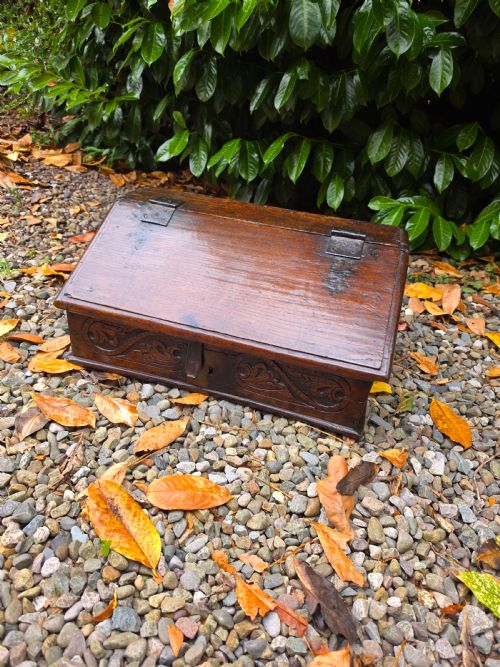
An antique wooden bible box serves as a portable container originally built to secure scriptures and personal documents safely away from damp or damage. These items appear primarily in sturdy regional woods, shaped as tabletop desks, slant front receptacles, or small coffers intended for domestic and ecclesiastical use.
The versions most frequently met on this page date from the seventeenth and eighteenth centuries, reflecting Jacobean, Georgian, and Welsh vernacular traditions. Carpenters built these pieces with hinged lids, internal drawers, or fitted compartments to organise writing materials and valuable texts.
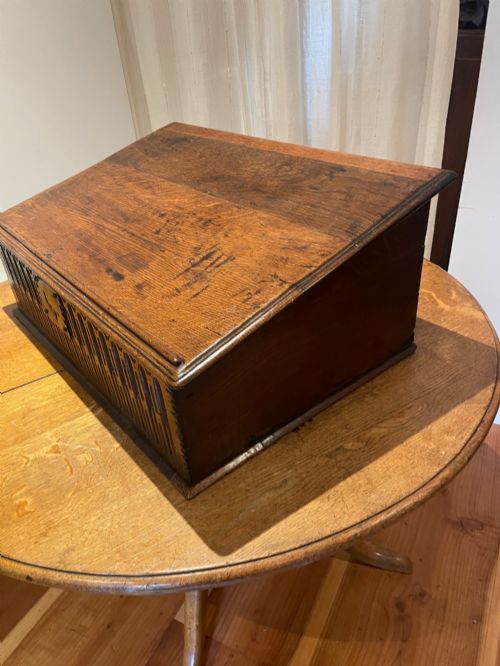
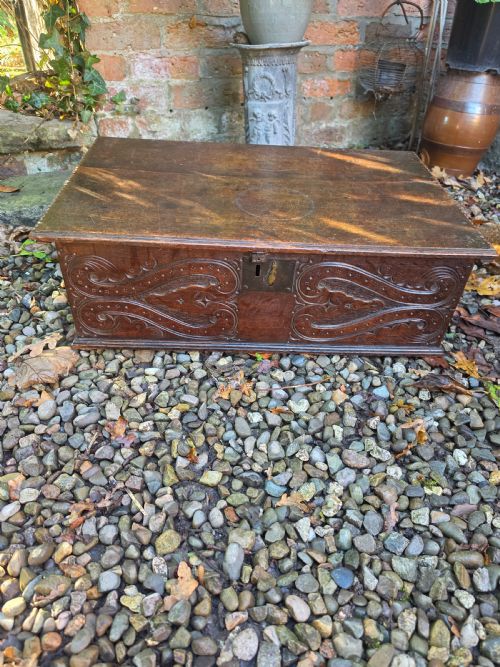
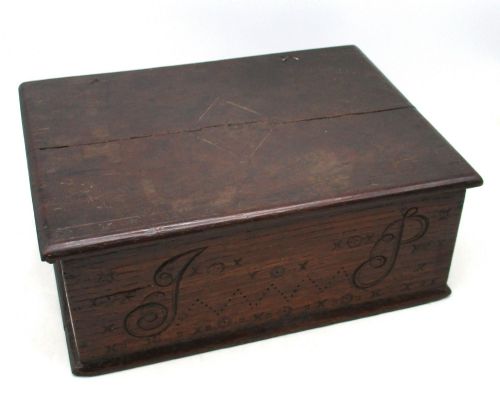
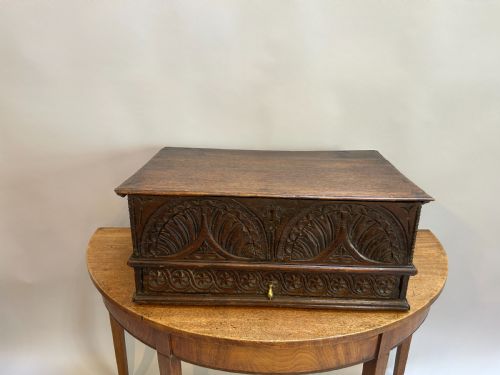
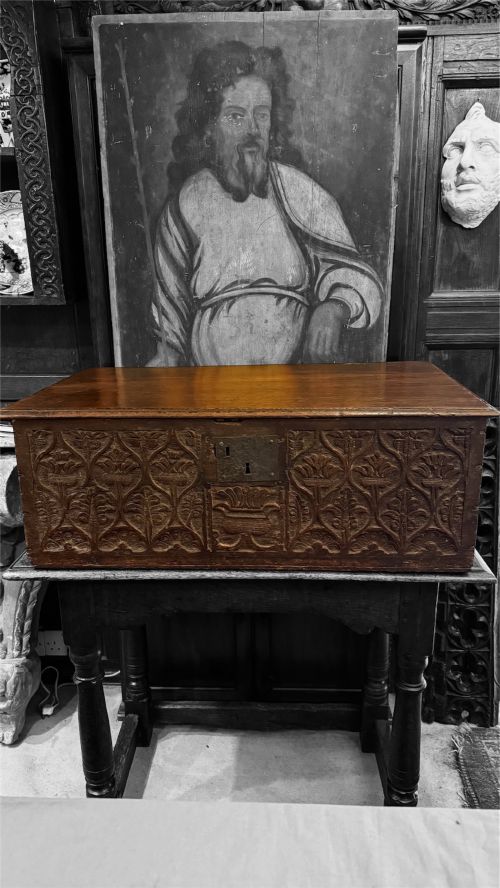
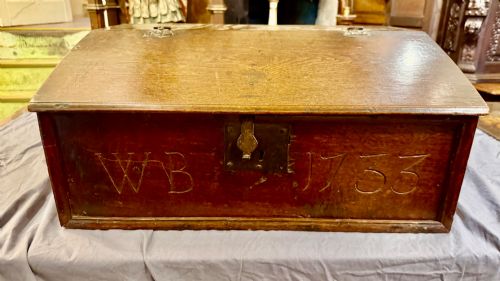
Collectors encounter variations including slant front writing slopes, carved document boxes, and regional forms like the Welsh coffer bach. Each piece demonstrates the utilitarian craftsmanship of early English and Welsh workshops, often bearing original owners' initials and dates.
What varies in quality
The standard of craftsmanship shows in the depth and sharpness of the hand carving, the selection of figured timber, and the integrity of original joints. Pieces retaining their early hinges, locks, and internal till drawers command greater interest.
Proportion and regional character dictate distinction, as smaller scaled items and those with documented provenance or dated inscriptions exhibit higher levels of individual artistry from the maker.
Antique Wooden Bible Box Retail Price Guide 2026
Typical asking prices for wooden bible box among the pieces listed under this phrase on Sellingantiques today, from the lower quarter to the upper quarter. They describe what is for sale here now, not the wider market.
Several boxes preserve the exact initials and carved dates scratched by seventeenth-century owners who clearly wished to establish permanent territorial rights over their stationery.
The Antique Wooden Bible Box Glossary
- Coffer bach
- A small Welsh chest traditionally made of oak, often featuring a small drawer beneath the main compartment. These pieces served as miniature storage chests or presentation items.
- Till
- A small internal compartment or drawer built inside a box for storing coins, keys, or small valuables. This feature sits beneath the main lid.
- Escutcheon
- A protective plate surrounding a keyhole, usually fashioned from brass or iron. It prevents the wood around the lock from splintering through repeated use.
- Slant front
- An angled writing surface forming the lid of a desk box, designed to provide a comfortable angle for reading and composing letters.
Antique Wooden Bible Box: Frequently Asked Questions
What is an antique wooden bible box?
An antique wooden bible box is a small portable chest constructed to hold sacred texts and personal papers safely in the home or church. These sturdy containers kept volumes protected from moisture and dust before dedicated bookcases became common.
Carpenters built them with flat or sloping lids, often placing them on tables or desks to provide a stable writing surface. Many examples include internal compartments for inkwells and quills.
How were bible boxes used historically?
These boxes functioned as secure receptacles for family bibles, legal documents, and correspondence when security in a household relied on locked storage. The sloped lids allowed owners to rest books or paper upon them for reading and writing.
In ecclesiastical settings, vergers utilised them to store parish records or church books. Their portable nature meant important texts could move easily between rooms or buildings.
How do I date an antique bible box?
Dating relies on examining construction methods, timber selection, and decorative styles such as Jacobean carving or Georgian paneling. Hand cut nails, pegged joints, and wrought iron hardware point towards seventeenth and eighteenth-century origins.
Many pieces feature carved initials, dates, or historical provenance that help narrow down the period of manufacture. Secondary woods and lock mechanisms also provide clues to the era.
Where should I place a bible box at home?
A bible box sits well on a sturdy side table, chest of drawers, or desk where its top surface remains accessible. Placing it away from direct heat sources prevents the old oak or elm from drying out and cracking.
They also function effectively as display pieces that double as storage for letters, stationery, or modern keepsakes. Their compact footprint allows them to fit comfortably into various room layouts.