


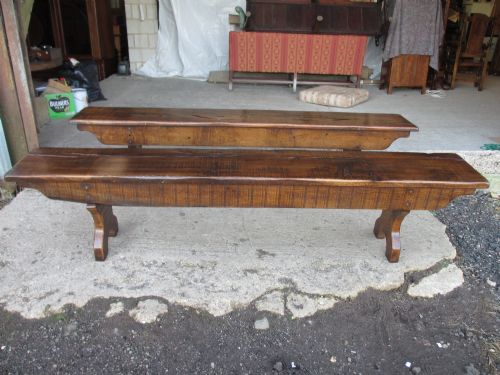
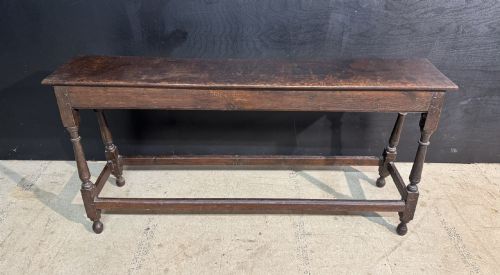
Antique Wooden Bench Seat
An antique wooden bench seat brings honest craftsmanship and enduring utility into a room or garden, offering sturdy seating grounded in history.
What They Are
An antique wooden bench seat covers a practical spectrum of domestic and outdoor forms, ranging from garden seating to indoor hall furniture and high-backed settles. When searching for an antique wooden bench seat, buyers encounter distinct regional and period iterations built for everyday use.
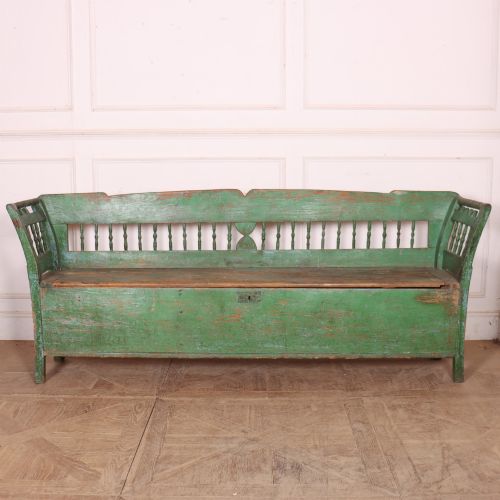
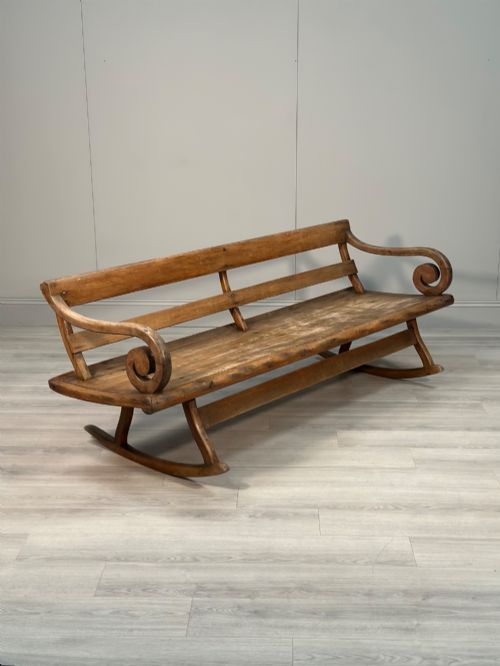
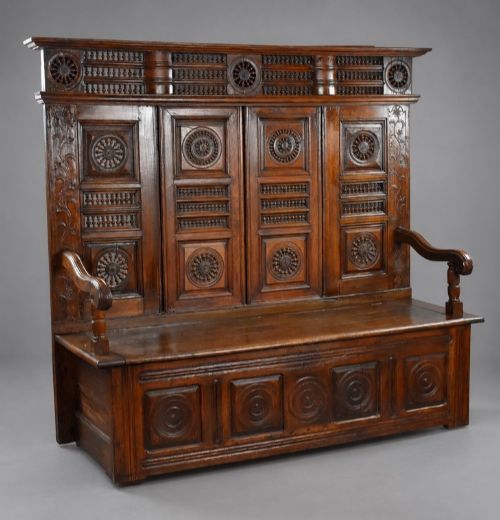
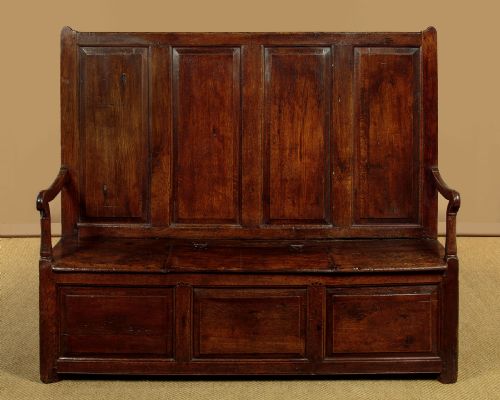
The pieces on offer span multiple eras and materials, including 17th century provincial items, Victorian farmhouse examples, and Edwardian garden designs. These forms include straightforward plank seats, long farmhouse hall benches, and enclosed box settles designed to block drafts.
Origin and purpose dictate the construction, with some pieces fashioned for rugged outdoor exposure while others served as warm fireside seating in period homes. Each piece reflects the functional demands of its original context, whether as a garden resting place or a farmhouse hallway staple.
How They Were Made
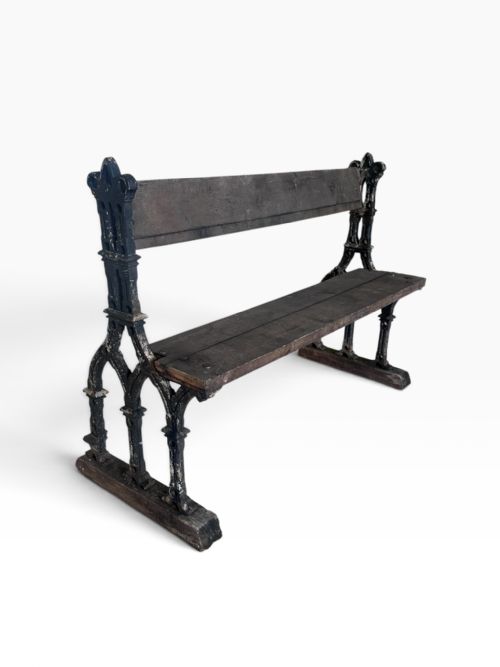
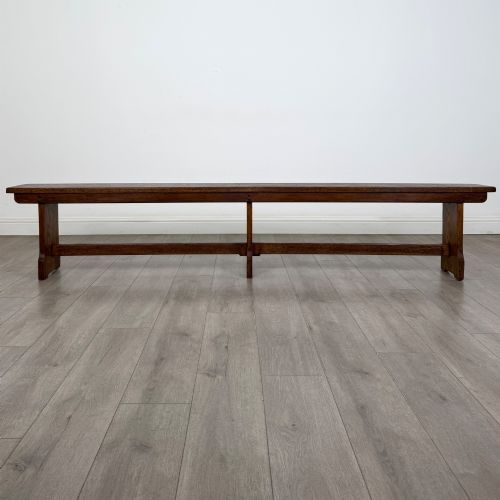
Construction relies on durable timbers such as oak, elm, teak, and pine, frequently combined with iron hardware for structural reinforcement. Joinery methods prioritise strength, utilising pegged joints, sturdy stretchers, and heavy planking capable of bearing substantial weight.
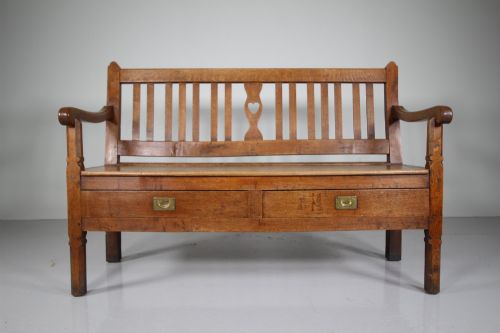
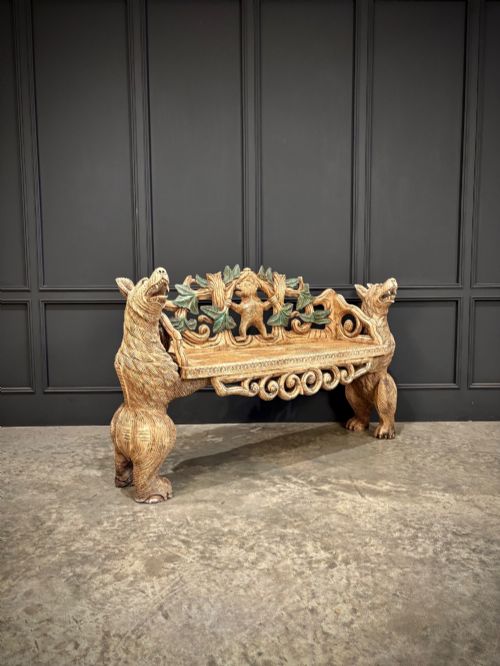
Surface treatments vary from natural grain finishes that highlight the timber to historic painted surfaces, such as grey paint on pine variants. Carved embellishments appear sparingly, exemplified by decorative motifs like heart cut-outs on garden seating.
Retail Price Guide 2026
Typical UK retail prices for wooden bench seat, calculated from the Sellingantiques database of over a million retail prices indexed since 2003. This retail price guide relies exclusively on Sellingantiques data; no external sources or auction records are used, so the figures do not describe the wider market.
Materials represented across the available inventory include oak, elm, teak, pine, iron, and paint.
What Varies in Quality
Quality rests upon the integrity of the timber and the preservation of original construction methods rather than decorative excess. Pieces retaining their original patination, unaltered proportions, and honest structural repairs stand distinctly above heavily modified examples.
The distinction between a utilitarian workshop piece and a finer vernacular item lies in the balance of timber selection and functional design. Heavier woods like oak and elm command attention for their longevity, while well-preserved softwood painted pieces rely on surface character.
The Antique Wooden Bench Seat Glossary
- Settle
- A wooden bench with a high back, solid arms, and frequently a box base, designed originally to keep out draughts in domestic interiors. These pieces often feature hinged lids creating storage beneath the seat.
- Patina
- The surface sheen and colour developed by timber through decades of handling, exposure, and waxing. A rich patina indicates age and regular use.
- Vernacular
- Architecture and furniture built by local craftsmen using traditional regional styles and locally available materials, rather than following formal academic designs. This approach ensures each piece suits its immediate environment.
- Stretchers
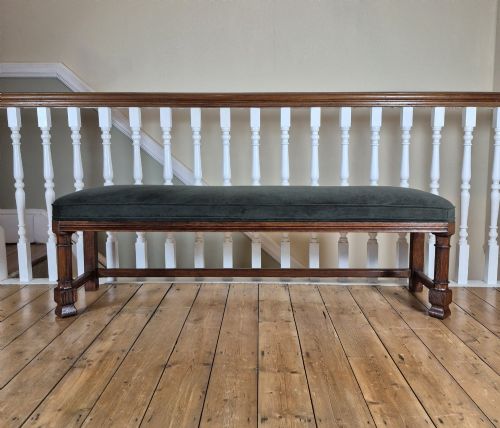
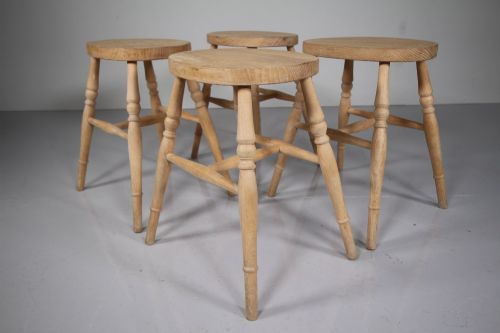
- Horizontal wooden bars connecting the legs of a bench to provide stability and prevent lateral movement. Strong stretchers are essential for heavy seating.
Frequently Asked Questions
Where should I place an antique wooden bench?
These pieces suit various settings depending on their original purpose, with garden variants designed for outdoor placement and settles suited to hallways or living spaces.
Indoor settles work well against long walls or in large entryways, while weather-resistant timbers fit naturally into garden landscapes.
How do I care for antique wooden seating?
Maintain timber by avoiding direct sunlight and extreme temperature fluctuations that cause wood to dry and split. Regular gentle dusting preserves the surface.
Apply appropriate natural waxes to unpainted hardwood surfaces periodically to nourish the grain without building up heavy residues.
How can I identify the period of a wooden bench?
Dating relies on examining the timber species, joinery techniques, tool marks, and overall design characteristics. Seventeenth-century pieces display heavier elm or oak construction and vernacular framing.
Later Victorian and Edwardian examples introduce softer pines, painted finishes, or specific decorative cut-outs like heart motifs on garden seats.