
Antique Wooden Animal Sculpture
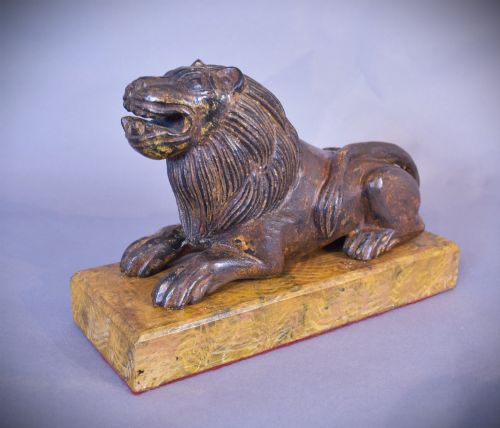
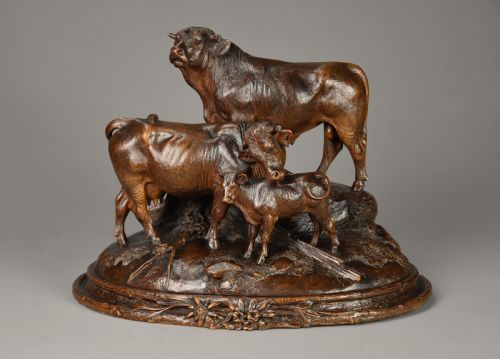
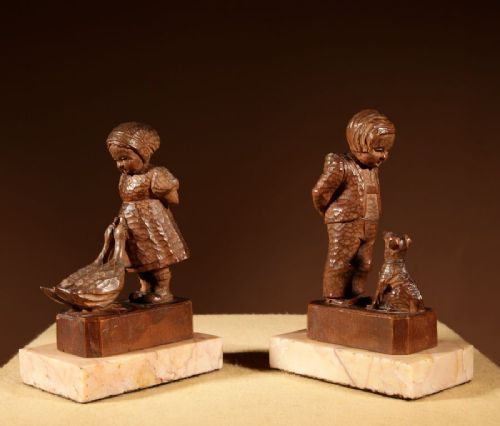
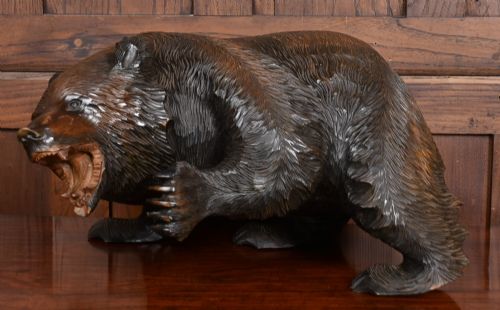
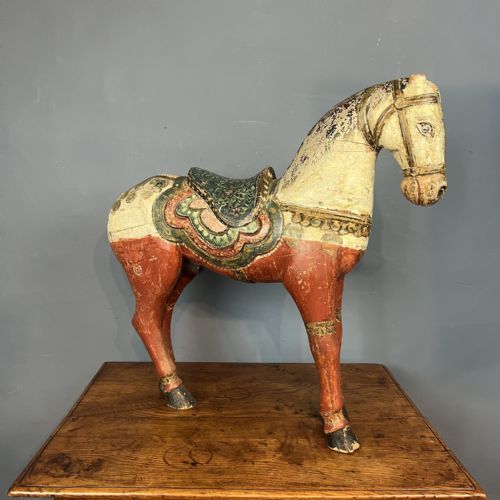
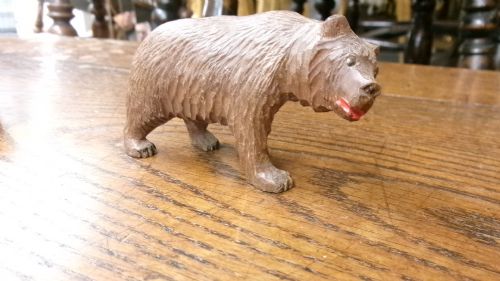
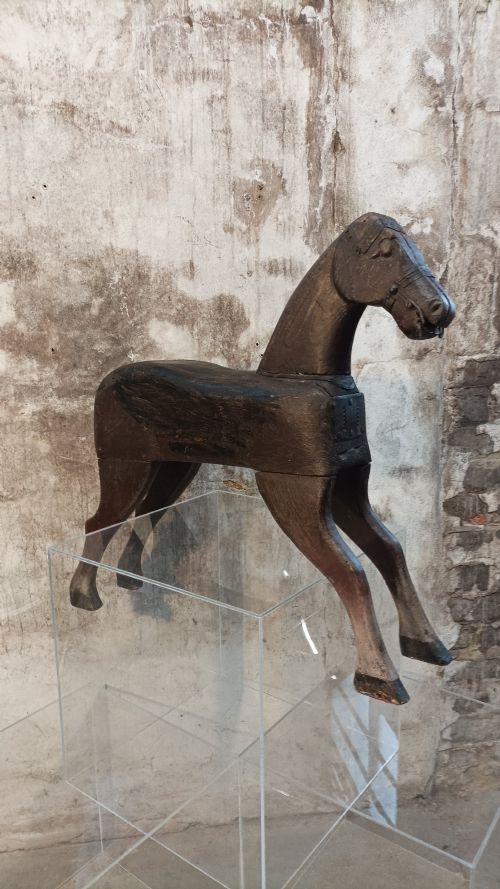
These antique wooden animal sculpture pieces bring character to a room, ranging from Black Forest bears to folk art horses.
Antique Wooden Animal Sculpture
An antique wooden animal sculpture is a carved representation of fauna, spanning domestic livestock, woodland wildlife and exotic creatures. When browsing this selection, buyers encounter everything from miniature netsuke to large wall masks and freestanding figures.
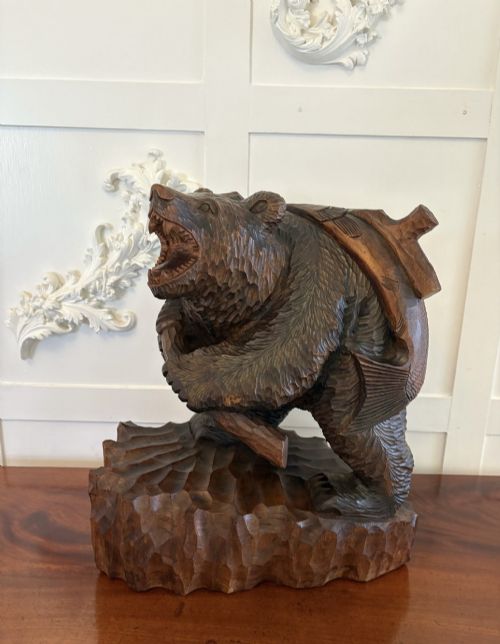
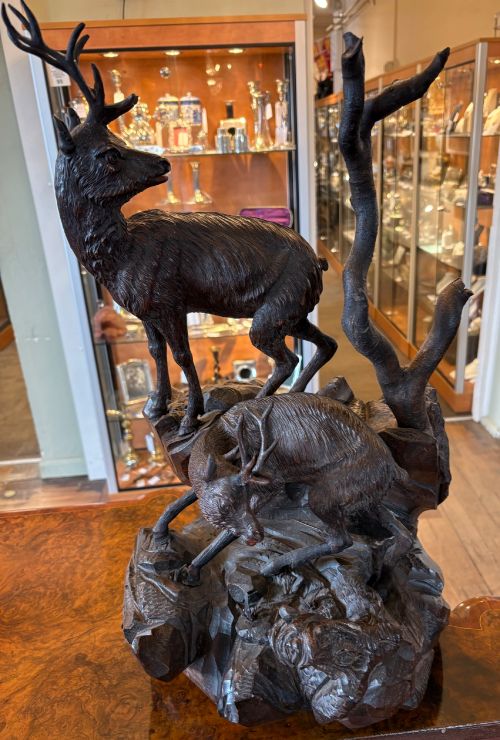
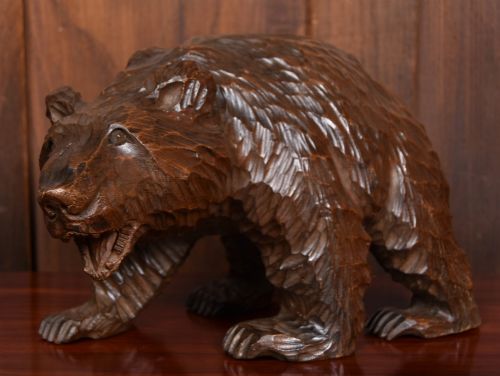
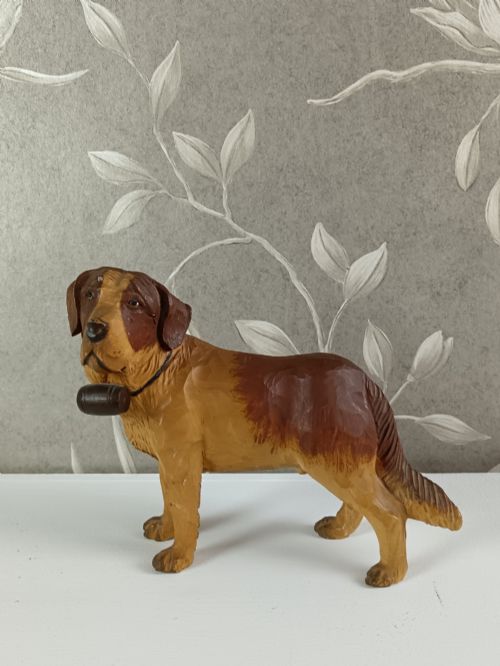
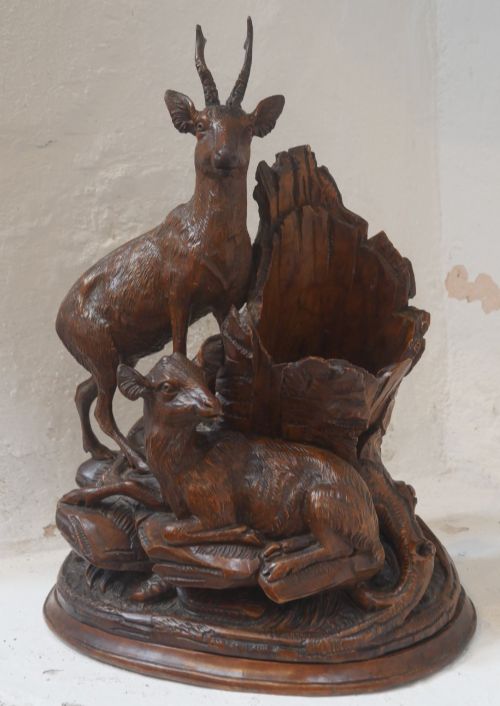
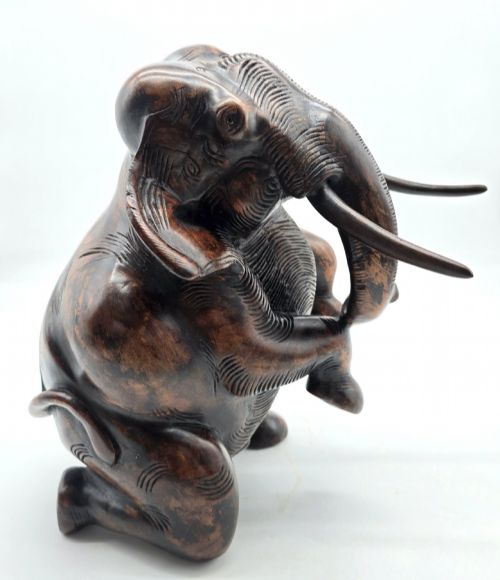
The most common examples on this page belong to the Black Forest tradition, featuring bears, deer and mountain goats carved with expressive realism. Alongside these European works appear Japanese wood carvings, Indian Raj period elephants and naive European folk art pieces.
How They Were Made
Carvers typically utilised linden wood, walnut and various hardwoods, selecting timber for its grain and density. Some figures received coats of paint or pigments, particularly in folk art and toy traditions.
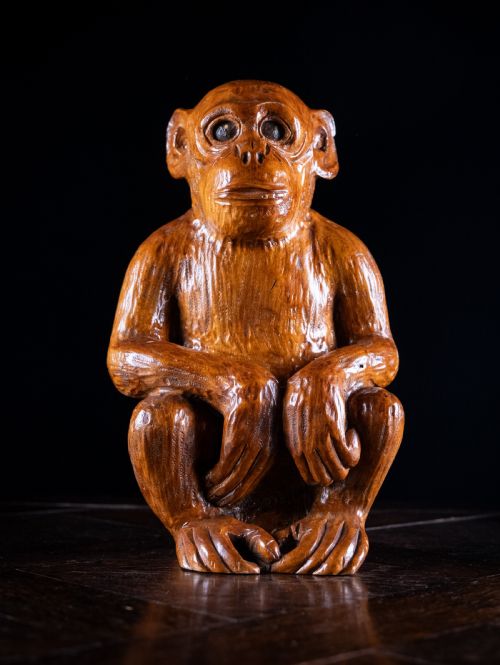
Makers applied hand chisels and gouges to block out forms before detailing fur, muscle and expression. Certain works incorporate glass eyes or bone elements to heighten realism.
Materials across the listings include linden wood, walnut, painted surfaces, bone and glass.
What Varies in Quality
Quality rests in the anatomical precision and vitality of the carving, distinguishing lifelike studies from stiff or generic productions. Master carvers captured tension in limbs and texture in fur with confident, economical strokes.
Signatures or stamps from established workshops elevate a piece, as seen in authenticated Black Forest works. The depth of undercutting and the complexity of the grouping also separate standard ornaments from ambitious sculptural groups.
J Huggler
The Antique Wooden Animal Sculpture Glossary
- Black Forest
- A style of wood carving originating from the mountainous region of central Europe, renowned for realistic animal studies, particularly bears and forest wildlife.
- Netsuke
- A small Japanese toggle carved from wood, used to secure a pouch or purse to a traditional kimono sash.
- Folk art
- Utilitarian or decorative objects made by self-taught or traditional artisans, often displaying a naive or primitive aesthetic.
- Linden wood
- A pale timber commonly utilised by European carvers for its fine, even grain and cooperative texture under the chisel.
- Kibori Kuma
- A traditional style of Japanese wooden carved bear originating from Hokkaido.
Antique Wooden Animal Sculpture: Frequently Asked Questions
What animals appear most frequently?
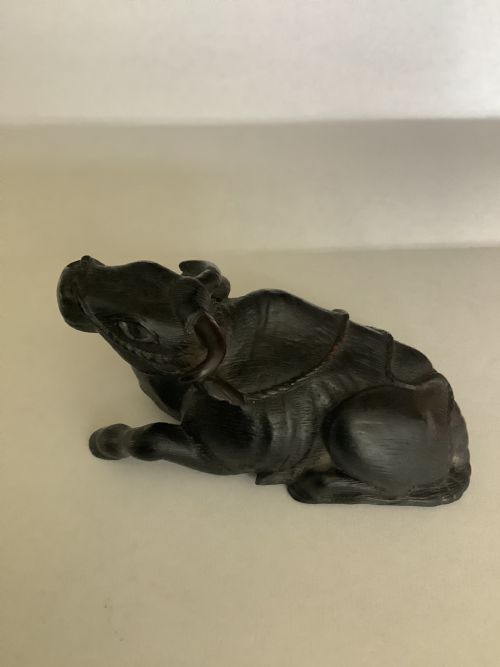
Bears, elephants and horses dominate the selection, reflecting regional carving traditions in Europe and Asia.
Bears arrive chiefly from Black Forest and Japanese workshops, whilst elephants stem from Anglo-Indian Raj period production.
How do I distinguish Black Forest carvings?
Black Forest carvings typically depict woodland animals like deer, bears, ibex and chamois rendered with high naturalism.
They originate from nineteenth and early twentieth century Switzerland and Germany, often utilising linden wood.
Where should I place large sculptures?
Large sculptures and wall masks suit prominent wall spaces or freestanding display on plinths and sideboards.
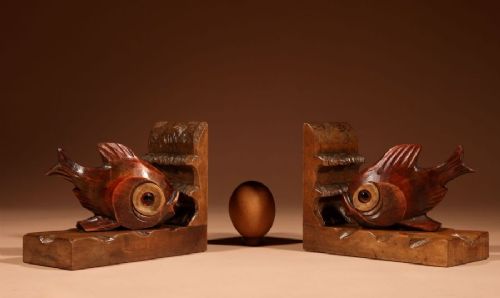
Heavier items like bookends and table groups anchor bookshelves and desks.
Are folk art pieces dated accurately?
Folk art pieces are assigned periods based on stylistic conventions, wear patterns and material characteristics.
Naive works often carry approximate dates due to their unbranded origins.