
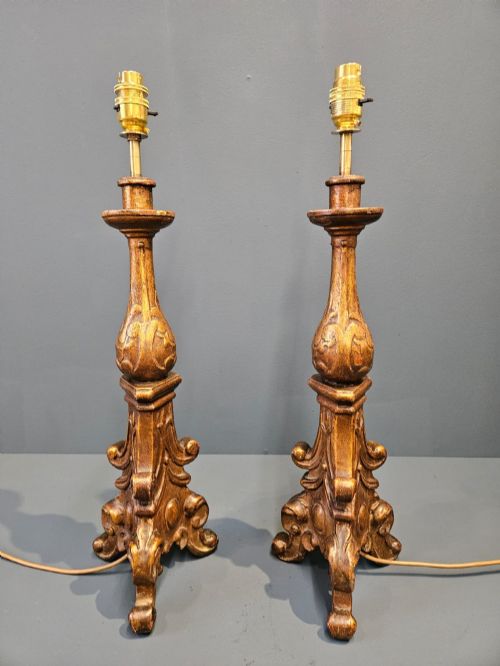
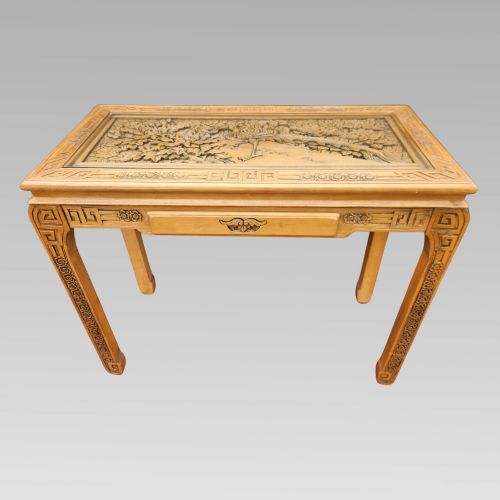
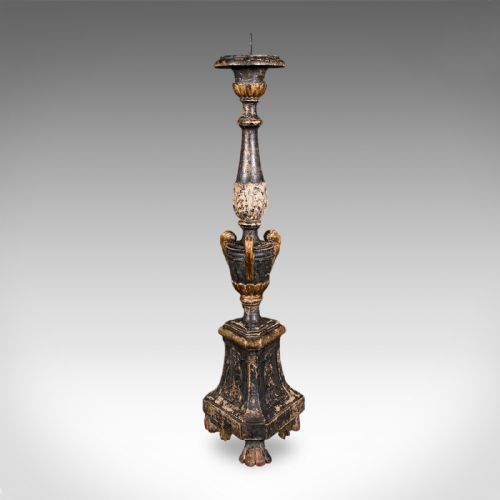


Antique Wooden Altar Table
An antique wooden altar table brings architectural timber and grounded proportion into a modern room.
Antique Wooden Altar Table
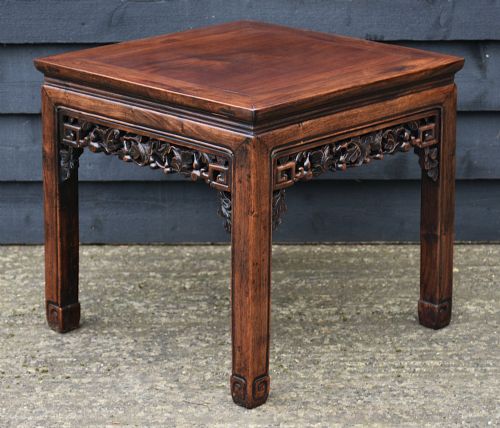
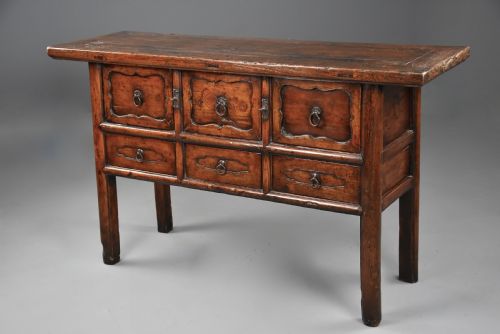
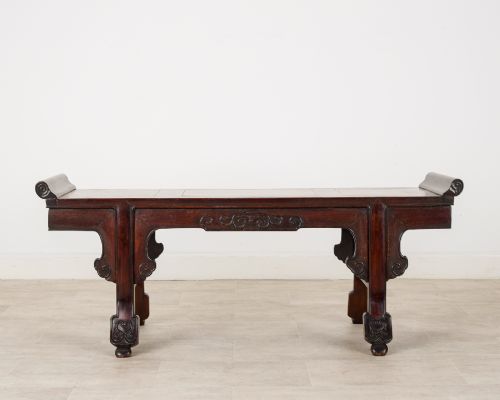
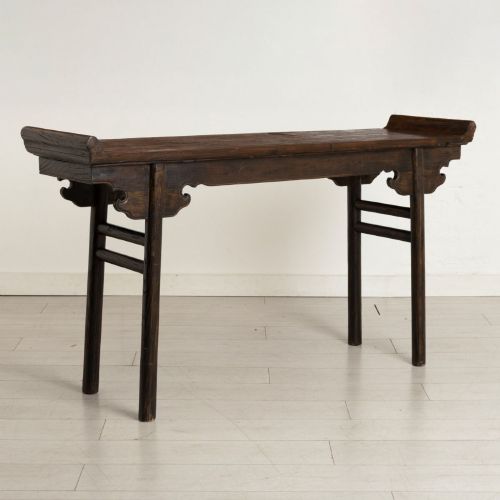
An antique wooden altar table is a long, narrow form derived from sacred Chinese architecture and domestic ritual furniture. These tables often feature clean structural lines with distinct flanged ends or recessed legs designed for ceremonial spaces. On this page, the pieces most frequently seen are elm, hardwood, and lacquer examples originating from Qing Dynasty and provincial Chinese traditions.
Beyond the classic Chinese forms, the selection includes related console tables, side tables, and low tables spanning the eighteenth, nineteenth, and early twentieth centuries. Makers utilised sturdy regional timbers such as elm and various hardwoods to construct surfaces that endured centuries of daily utility. Buyers select these tables to anchor narrow hallways, living spaces, or dining rooms with substantial historic presence.
The material palette recorded in the listings ranges from solid elm and locust wood variety to red lacquer finishes and exposed hardwood grains. Period origins stretch from eighteen-hundred through to nineteen-twenty, encompassing both traditional Chinese provincial workshops and nineteenth-century continental interpretations. Each item displays the characteristic wear of its period, reflecting decades of practical use.
How they were made
Makers constructed these tables primarily from dense timbers such as elm, hardwood, and oak, often employing traditional joinery that avoided metal fasteners. Frames rely on mortise and tenon connections to maintain stability across seasonal humidity shifts. Surfaces frequently show the natural grain of the wood, enhanced in certain examples by red lacquer applications or subtle polishing.
Where decorative elements appear, craftsmanship involves hand carving, gesso preparation, and occasional giltwood or silver leaf highlights. Structural integrity depends on the density of the chosen timber, with elm and hardwood providing robust weight. The resulting physical build prioritises longevity and balanced proportion over excessive ornamentation.
Some elm tables carry the quiet scars of generations of domestic life, doubling as historic work surfaces.
What varies in quality
Quality in these pieces rests on the integrity of the original timber and the crispness of the joinery. Tables retaining their native surface patination without aggressive modern stripping demonstrate superior preservation. The balance of the proportions, particularly the relationship between the slender length and the supporting legs, dictates the visual success of the piece.
The presence of traditional finishes, such as original red lacquer or undisturbed hardwood grain, separates standard utility items from more refined examples. Structural solidity in the frame and minimal timber replacement ensure the piece maintains its historical authenticity. Subtle distinctions in hand carving and edge profiling reveal the maker's hand.
The Antique Wooden Altar Table Glossary
- Elm
- A durable, heavy timber utilised extensively in provincial Chinese furniture making. It displays a pronounced interlocking grain pattern that resists splitting.
- Lacquer
- A protective and decorative coating derived from tree sap, applied in multiple layers. Historic examples often feature deep red hues characteristic of export workshops.
- Qing Dynasty
- The final imperial dynasty of China, spanning from sixteen-fourteen-fourteen to nineteen-twelve. Furniture from this era forms the basis of many traditional altar table designs.
- Hardwood
- A dense timber classification encompassing slow-growing deciduous species. These woods provide the structural strength required for narrow, long-span tables.
- Console Table
- A long, narrow table designed to stand against a wall. This form shares similar proportions with traditional altar tables.
Antique Wooden Altar Table: Frequently Asked Questions
How were altar tables used originally?
Altar tables served as central furniture pieces in temples and ancestral halls for holding ritual objects, offerings, and ceremonial vessels. Their elevated surfaces and elongated forms placed sacred items at a respectful height for viewing and worship.
Over time, domestic households adopted similar proportions for receiving guests and displaying treasured possessions in main reception rooms. This transition brought architectural dignity from religious spaces into everyday residential interiors.
How do I style an altar table at home?
An altar table fits naturally in narrow spaces such as hallways, behind sofas, or against living room walls due to its shallow depth. Placing ceramics, lamps, or decorative objects on the surface highlights the linear proportions without crowding the room.
The restrained silhouette allows the timber grain and historical patination to act as the primary visual focus. Pairing the table with minimalist modern seating creates a balanced contrast of eras.
What is the difference between elm and hardwood?
Elm is a specific fibrous timber known for its distinctive grain pattern and resilience in traditional provincial construction. Hardwood is a broader category describing dense, slow-growing deciduous woods selected for heavy structural stability.
Tables built from dense hardwoods often carry more weight and display tighter, smoother grain variations than standard elm pieces. Both materials offer exceptional longevity when maintained correctly.
How can I tell the period of a wooden table?
Dating relies on examining the construction methods, tool marks left by makers, and the natural ageing of the timber surface. Eighteenth and nineteenth-century examples often display hand-cut joinery and deep patination accumulated through generations of use.
Later nineteenth and early twentieth-century pieces may incorporate modified regional styles or export-specific finishes like red lacquer. Comparing the hardware, proportions, and timber species against known historical examples confirms the era.