


Antique Wood Wall Hanging
These pieces of antique wood wall hanging span functional storage and decorative ornament, offering genuine period presence for an interior.
Antique Wood Wall Hanging
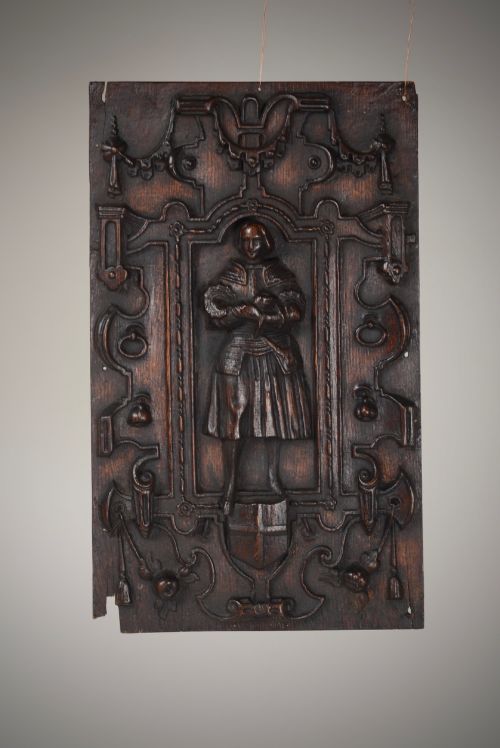
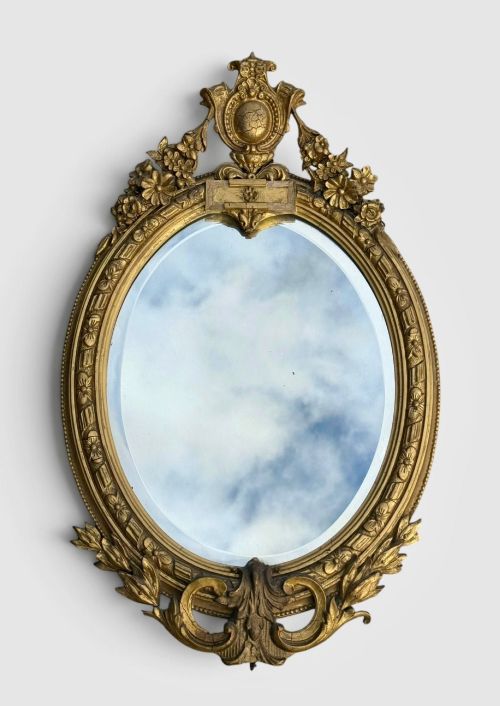
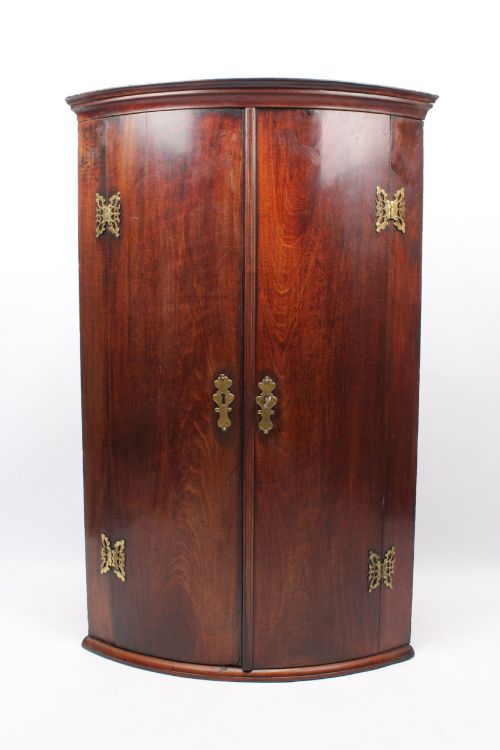
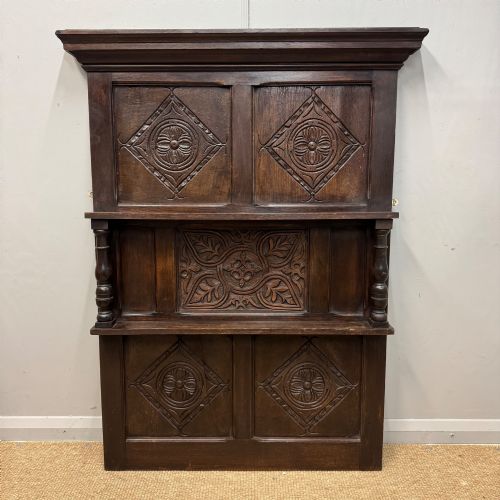
When you search for an antique wood wall hanging, you encounter a diverse range of objects designed to be mounted securely on domestic vertical surfaces. The selection spans the eighteenth, nineteenth, and early twentieth centuries, drawing on Georgian, Victorian, and Edwardian aesthetic traditions.
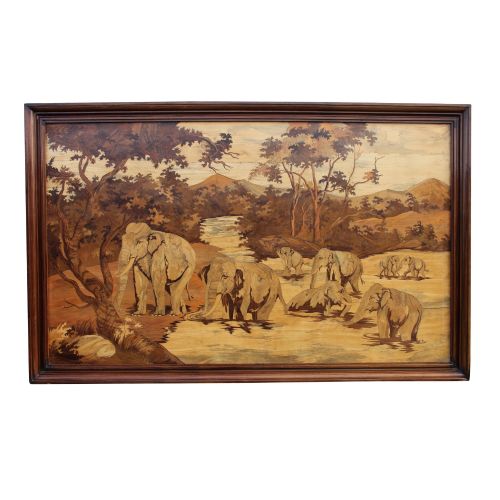
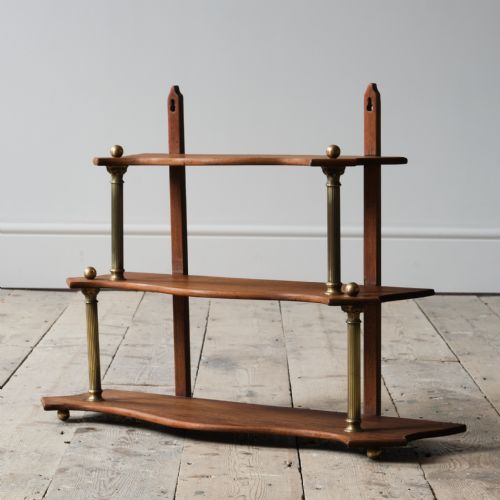
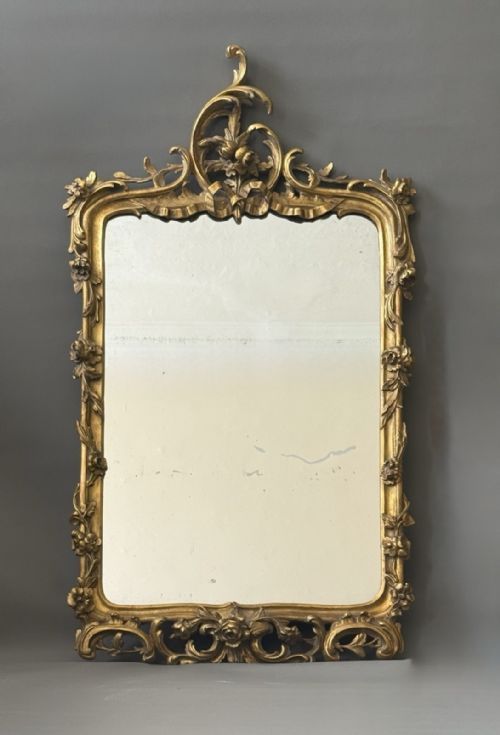
Mirrors and wall shelves appear most frequently on this page, alongside corner cupboards, carved wooden panels, and barometers. These items originated as functional or decorative household furnishings in walnut, mahogany, oak, and gilded timber.
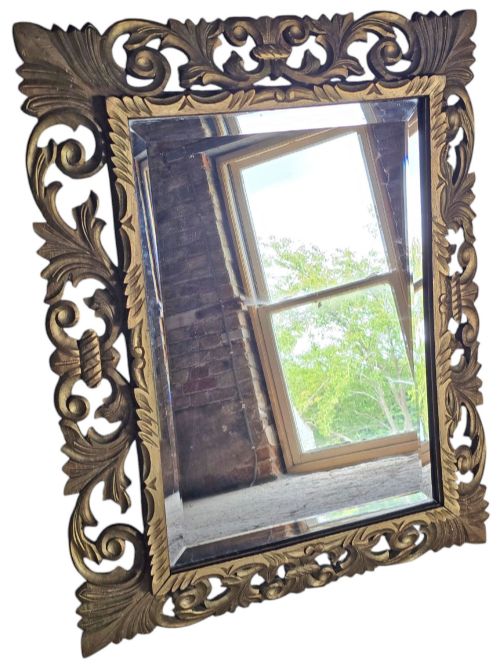
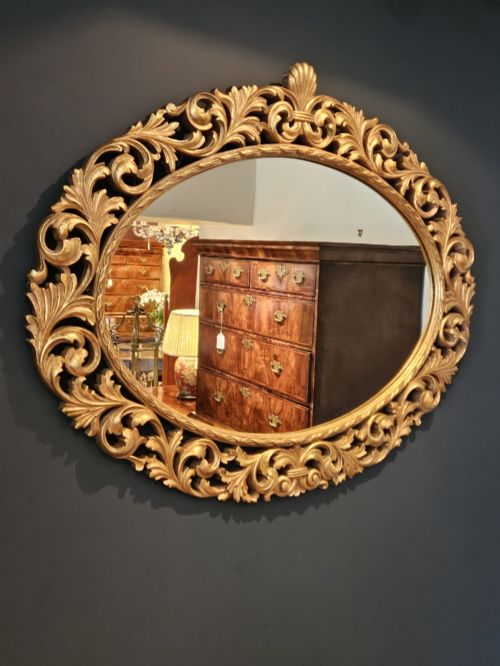
The assortment includes regional English pieces alongside continental examples featuring French Rococo, Florentine, and Italian carving styles. Each item reflects the domestic requirements and craftsmanship of its specific historical period.
Materials and Construction
Cabinetmakers and carvers utilised solid timbers such as mahogany, oak, walnut, and satinwood, often enhanced with marquetry inlay or applied veneers. Frames and decorative panels frequently combined carved wood with gesso layers before receiving gilding or paint finishes.
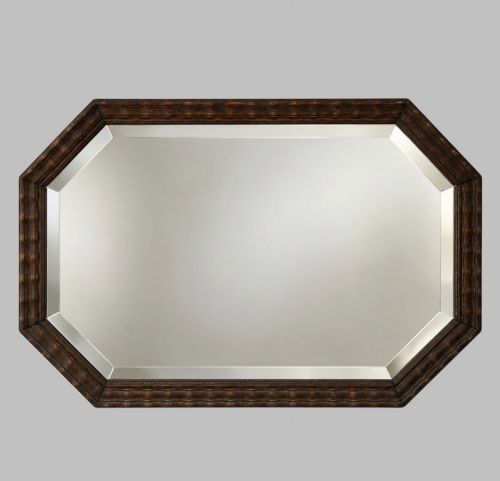
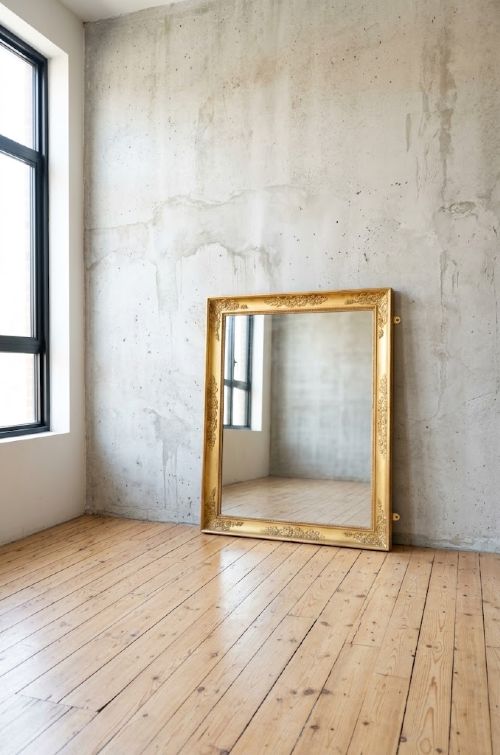
Mirrors incorporated bevelled glass plates set within intricate wooden or giltwood frames, whilst storage units employed traditional dovetail joinery and brass hardware. Carved panels and decorative mouldings relied on hand-chiselled detailing executed directly into the timber or gesso.
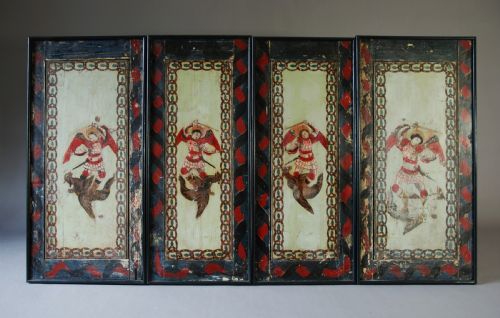
Smokers discovered solace behind small inlaid cupboards whilst St Michael contended with panels of naively painted pine.
Craftsmanship and Execution
Quality reveals itself in the crispness of hand-carved details and the depth of the gilding or timber finishing. Superior items display meticulous joinery and harmonious proportions rather than routine mechanical repetition.
The integrity of the original materials, whether figured mahogany, well-preserved gesso, or authentic antique mirror plates, distinguishes finer examples from standard production. Makers who exercised greater skill achieved a more balanced and enduring presence in the finished piece.
Waring & Gillow·Hyde & Sons Sleaford
The Antique Wood Wall Hanging Glossary
- Giltwood
- Timber that has been coated with a thin layer of gold leaf over a prepared base. This finish appears frequently on nineteenth-century mirror frames.
- Gesso
- A plaster-like material applied to wood surfaces and carved or moulded into intricate decorative reliefs. It provides the base for many gilded decorative frames.
- Marquetry
- The art of applying decorative pieces of veneer to a structure to form intricate patterns or pictures. It is often seen on eighteenth-century and Georgian cabinets.
- Overmantle
- A large mirror or panel specifically designed to hang above a fireplace mantelpiece. These pieces often feature substantial giltwood or carved oak frames.
- Whatnot
- A set of open tiered shelves used for displaying ornaments or books. Victorian examples frequently utilised rosewood or mahogany.
Antique Wood Wall Hanging: Frequently Asked Questions
How do I hang a heavy wooden mirror?
Heavy mirrors and cabinets require secure wall fixings suited to the specific wall construction, such as solid masonry or studwork. Weight distribution across robust brackets ensures safe mounting for antique frames.
Professional installation is recommended for larger giltwood and oak pieces to protect both the timber structure and the surrounding wall.
What woods were used in these pieces?
Cabinetmakers utilised a variety of timbers including mahogany, oak, walnut, satinwood, and pine. Selection depended on the functional requirements and the prevailing style of the period.
Finer display items often featured decorative veneers or exotic woods, whilst structural carcases relied on sturdy domestic timbers.
How do I clean antique carved wood?
Dusting with a dry, soft, lint-free cloth preserves the surface finish without introducing moisture. Wax polishes should be used sparingly and only on unfinished timber.
Gilded surfaces and gesso require particular care to prevent flaking or damage to the delicate metallic leaf.
How do I date a wall hanging?
Dating relies on observing construction techniques, timber choices, decorative motifs, and hardware. Georgian pieces typically show different joinery methods compared to Victorian or Edwardian items.
Stylistic indicators such as Rococo revival scrolls or Neoclassical symmetry help place an object within its correct historical decade.