

Antique Wood Cooler
An antique wood cooler is a traditional vessel for chilling wine or storing fuel, prized for its craftsmanship and rich timber grain.
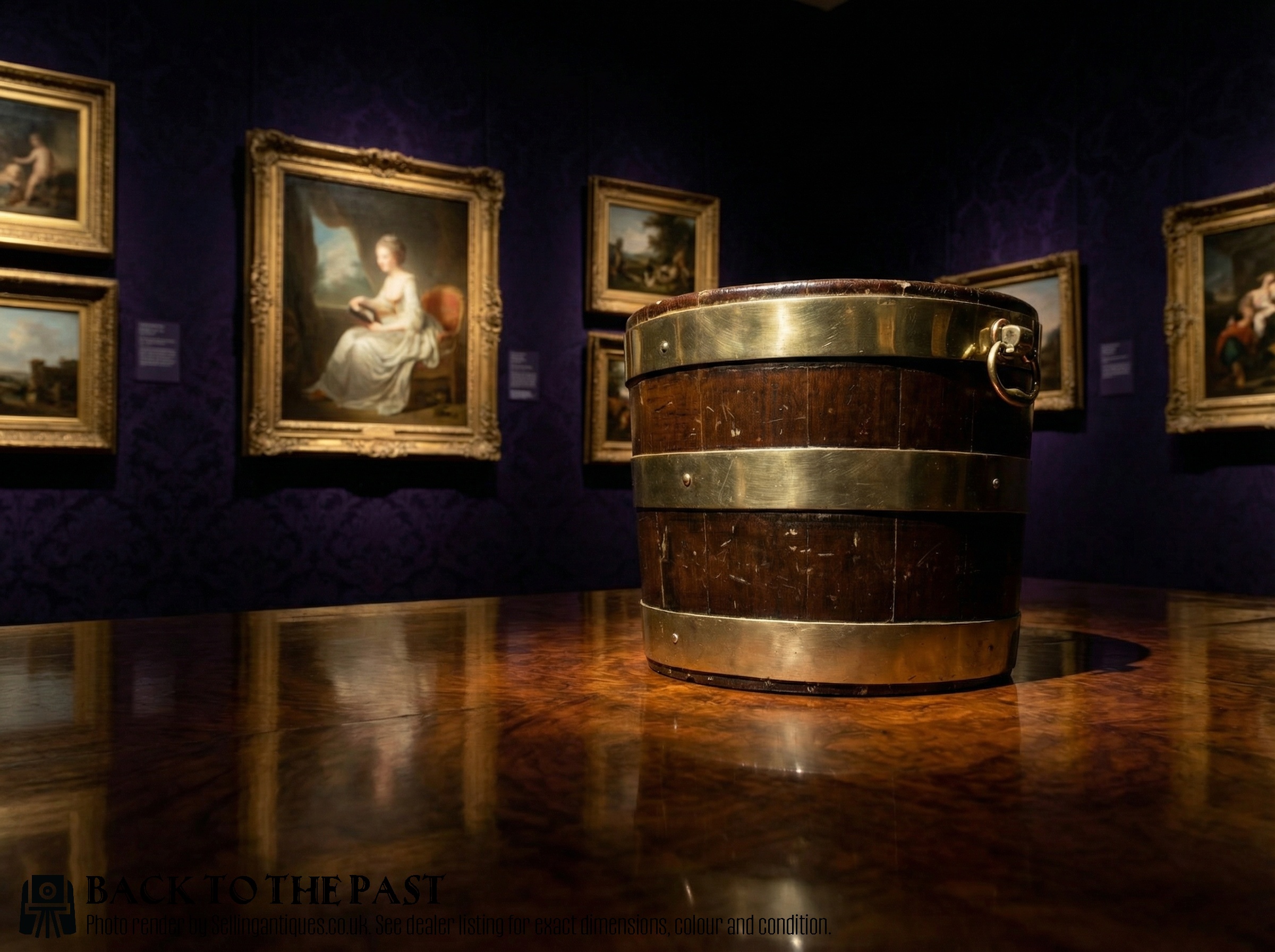
Antique Wood Cooler
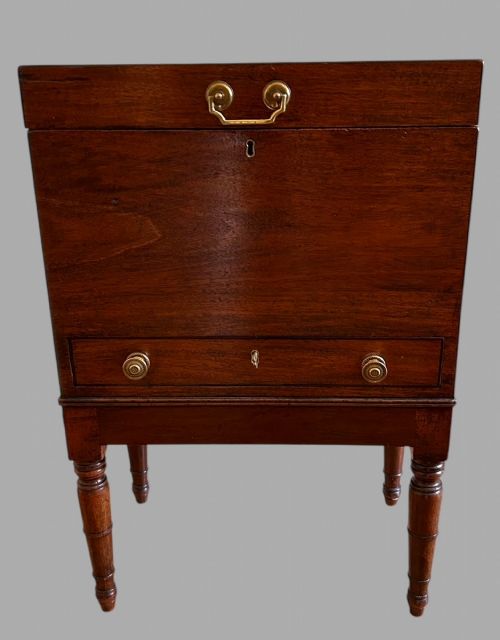
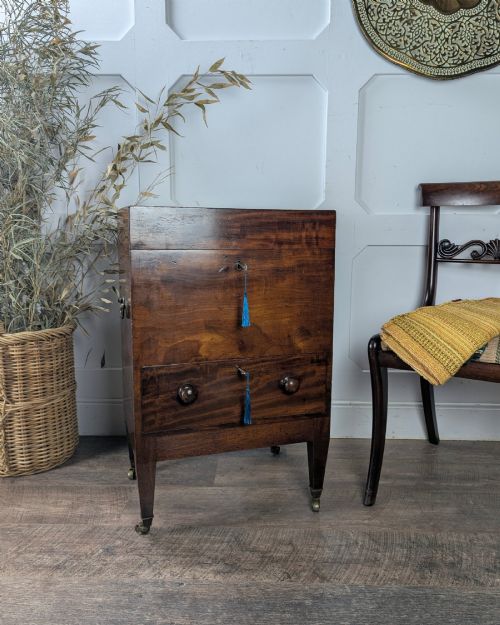
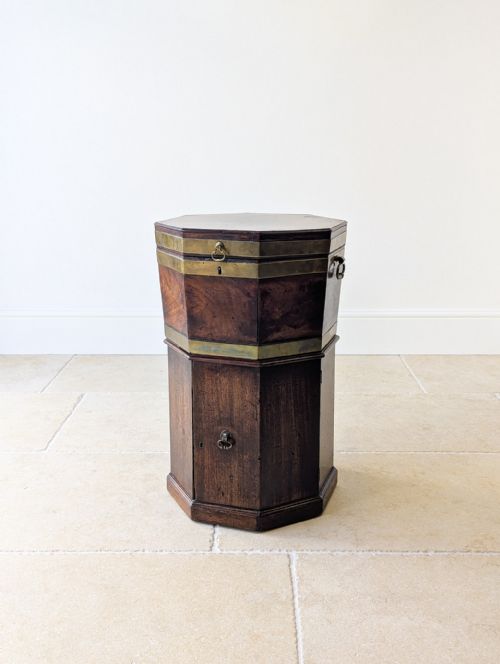
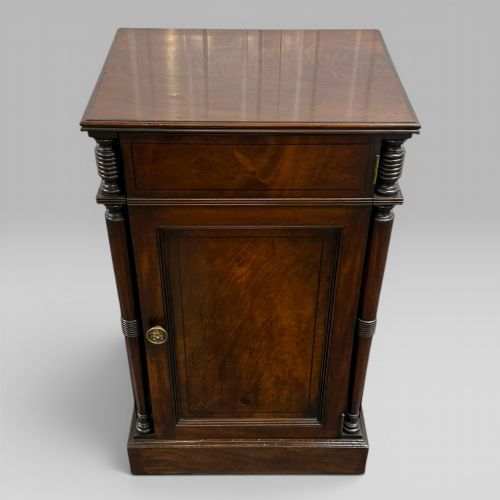
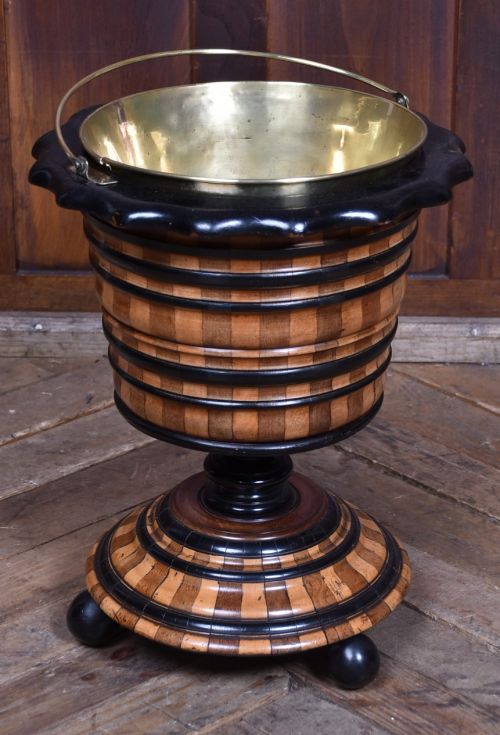
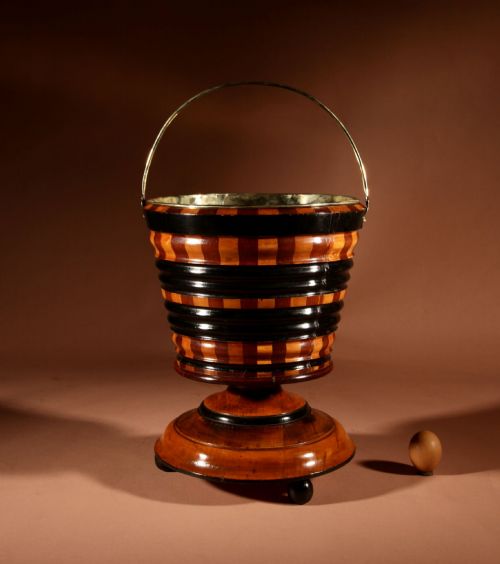
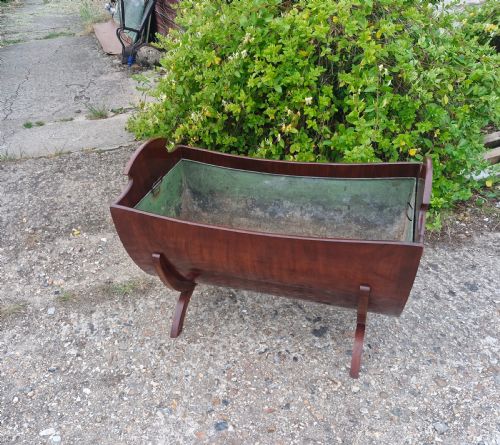
The antique wood cooler category encompasses cellarettes, wine coolers, peat buckets, and tea stoves designed for domestic utility in wealthy households.
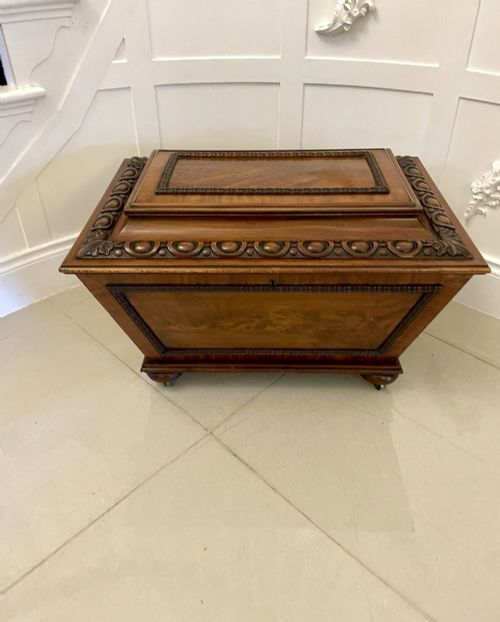
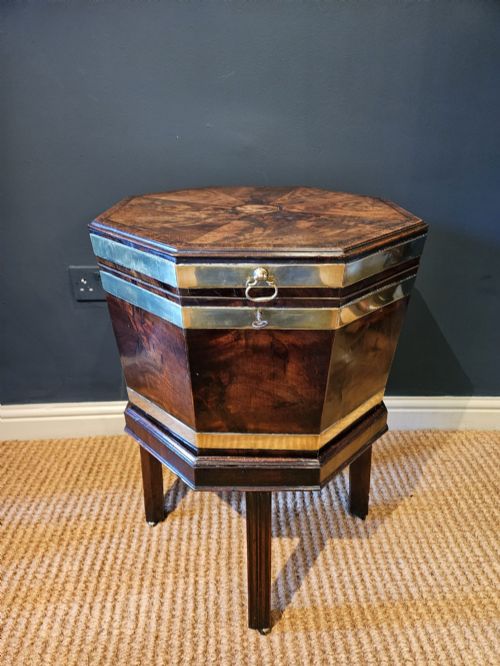
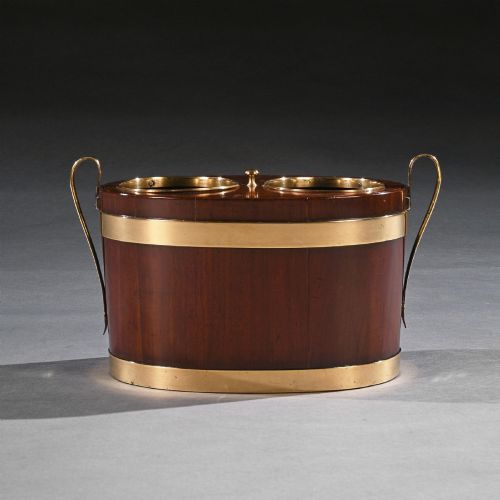
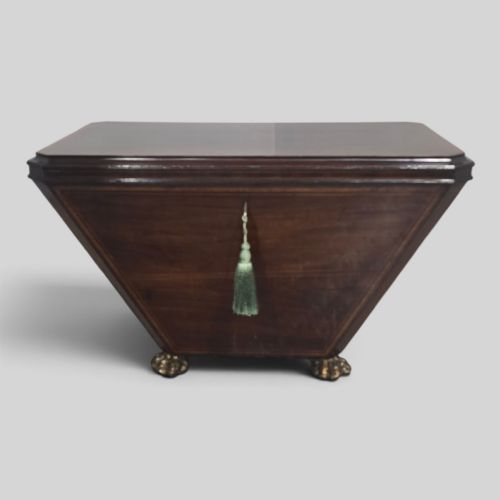
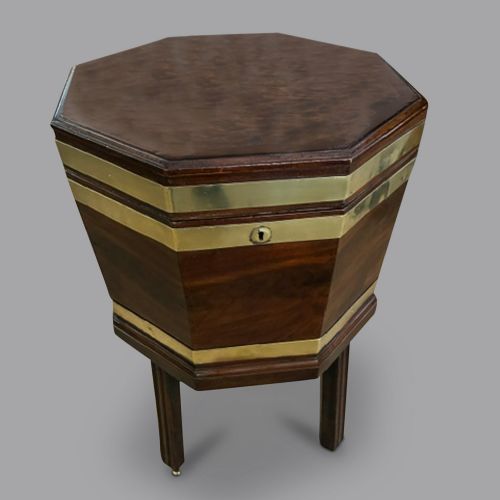
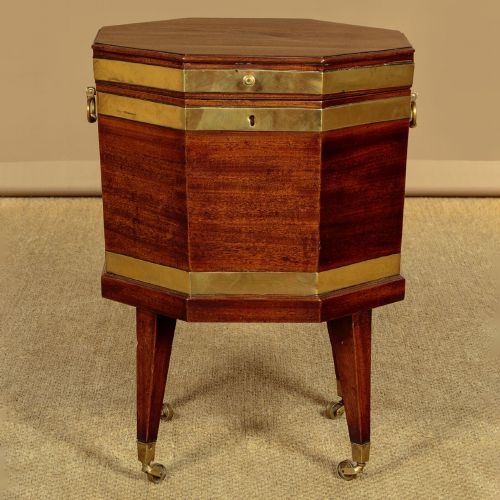
Buyers most frequently encounter mahogany examples dating from the Georgian, Regency, and Victorian periods, often shaped in ovals, octagons, or sarcophagus forms.
Origins stretch from English country houses to Dutch workshops and Anglo-Indian colonial outposts, reflecting diverse regional methods of storage and display.
Materials and Construction
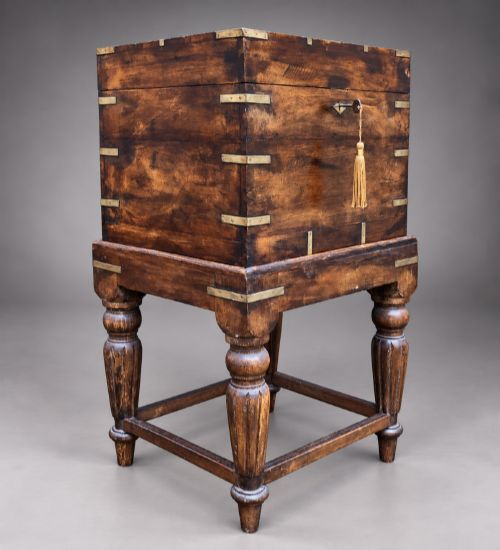
Craftsmen built these pieces primarily using solid or veneered mahogany, oak, and walnut, frequently enhancing the exterior with satinwood inlay or ebonised details.
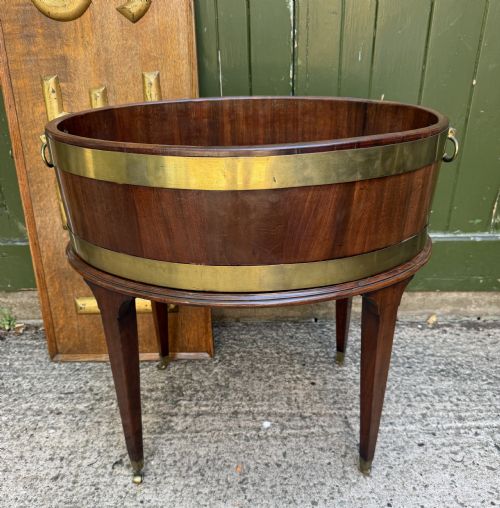
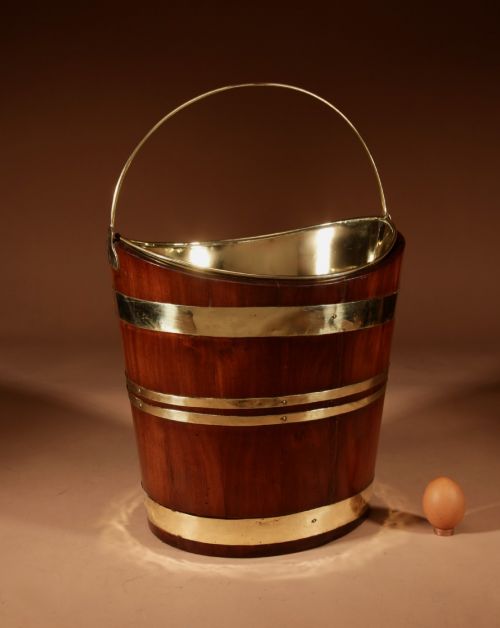
Coopered construction appears across buckets and tubs, utilising tight wooden staves bound with brass hoops or bands to contain moisture and dry goods alike.
Internal metal liners in brass or zinc protected the wooden structure from damp ice, peat, or water during daily service.
Antique Wood Cooler Retail Price Guide 2026
Typical asking prices for wood cooler among the pieces listed under this phrase on Sellingantiques today, from the lower quarter to the upper quarter. They describe what is for sale here now, not the wider market.
Listings feature 19th-century, Georgian, Regency, and Victorian periods, utilising mahogany, oak, walnut, and brass.
Distinguishing Quality
Quality rests in the selection of figured timber, the precision of the cooperage, and the crispness of brass mounts or inlaid decoration.
Makers known to high-end workshops demonstrate superior proportion and joinery, distinguishing bespoke commissions from standard vernacular production.
Edwards and Roberts·Gillows·Gillingtons·Freemans of Norwich
The Antique Wood Cooler Glossary
- Cellarette
- A lockable container used for storing wine bottles in a dining room. They often sat on the floor beneath a sideboard.
- Coopered
- Formed of curved wooden staves fitted together edge to edge, similar to barrel construction. This technique provided structural strength for holding liquids or loose fuel.
- Jardiniere
- An ornamental pot or stand for holding plants or flowers. In this context, older bucket forms often served this secondary domestic purpose.
- Sarcophagus
- A monumental stone or wooden coffin shape popular for grand Regency wine coolers. These heavy chests typically rested on paw feet or plinth bases.
- Teestoof
- A Dutch foot warmer or stove containing a container for hot embers. These pieces frequently share the coopered bucket form found in wine coolers.
Antique Wood Cooler: Frequently Asked Questions
What is an antique wood cooler?
An antique wood cooler is a historical container used originally for chilling wine bottles with ice or storing peat and fuel near a fireplace.
These pieces range from formal mahogany cellarettes on stands to coopered oak buckets with metal liners.
How were cellarettes used in Georgian dining rooms?
Cellarettes sat beneath sideboards during grand meals to keep wine close at hand without requiring servants to make constant trips to the cellar.
They were often lined with lead or brass to hold ice and water safely against the timber staves.
What is a peat bucket?
A peat bucket is a coopered wooden vessel designed to hold dried turf or peat for fueling domestic hearths and stoves.
Many examples feature brass swing handles and liners, making them versatile enough to serve as planters or log bins today.
How do I date a mahogany wine cooler?
Dating relies on stylistic shifts, such as the crisp brass banding and octagonal shapes common in the Georgian era versus the heavier sarcophagus forms of the Regency period.
Construction methods, timber selection, and the presence of maker attribution offer further chronological clues.
Can I use an antique cooler for plants?
Many buyers repurpose these timber vessels as indoor planters or jardinières, provided the original metal liner remains watertight.
Using a protective inner pot helps preserve the interior wood and brass components from moisture damage.