

Antique Wood Collectables
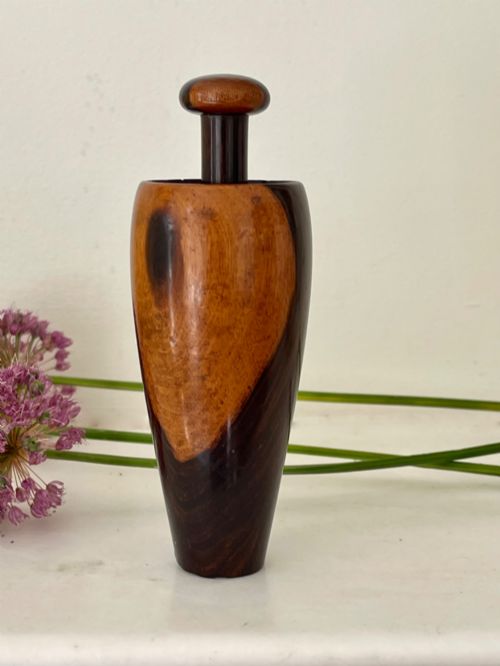
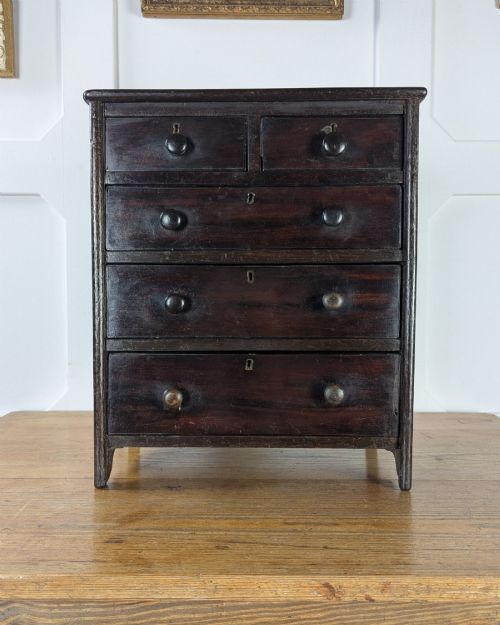
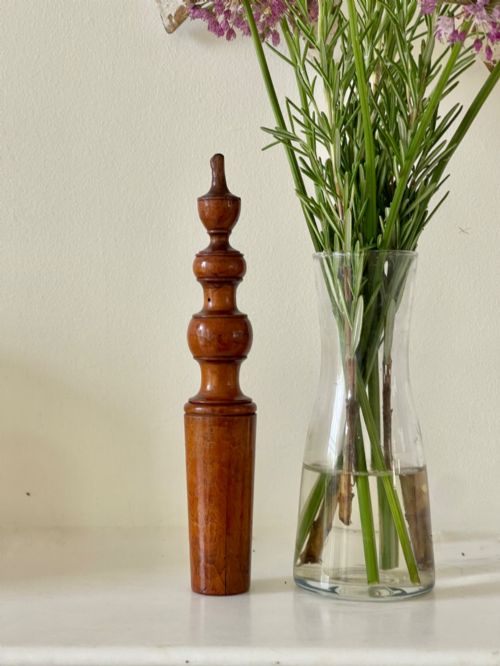
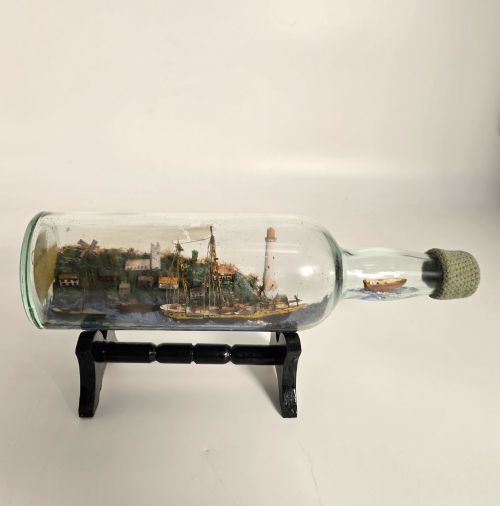
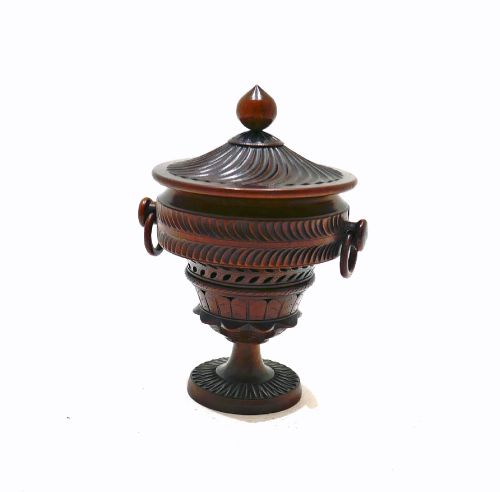
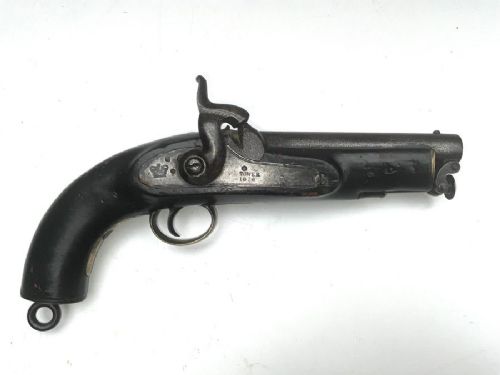
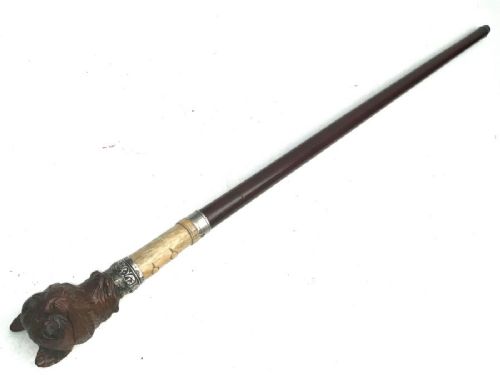
These antique wood collectables span pocket snuff boxes, carved treen, and walking canes from the nineteenth and early twentieth centuries.
Antique Wood Collectables
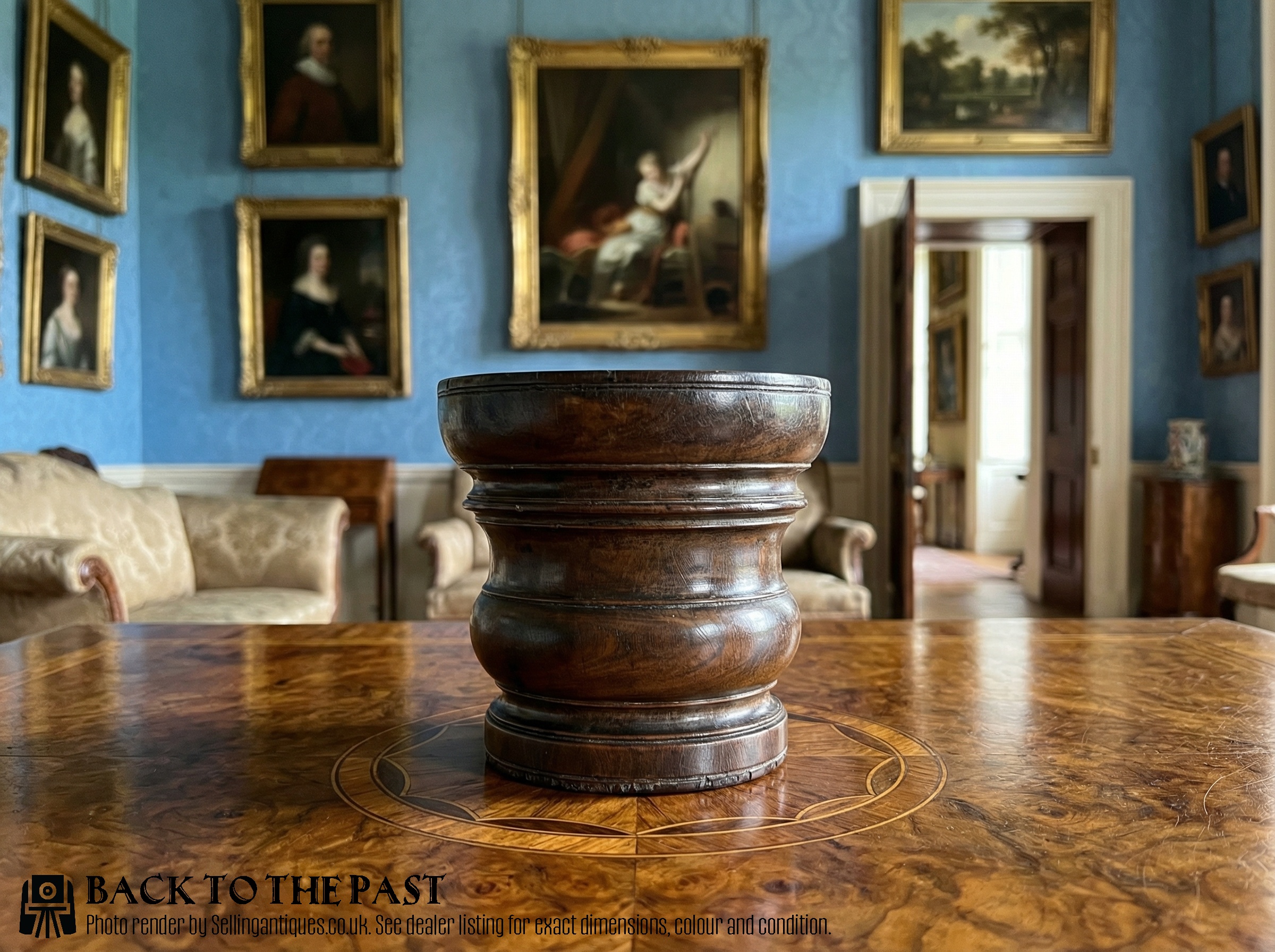
Antique wood collectables encompass a diverse array of small functional and decorative items produced primarily during the nineteenth and early twentieth centuries. These objects range from turned treen domestic pieces and carved snuff boxes to walking sticks, smoking accessories, and folk art carvings.
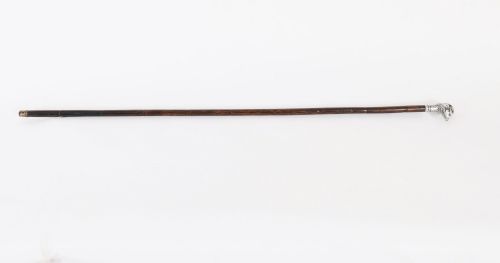
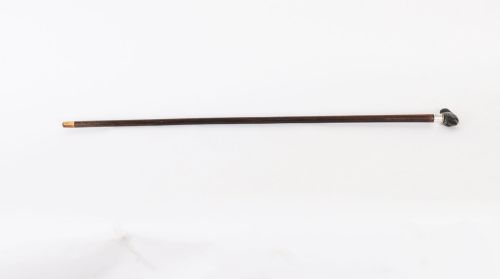
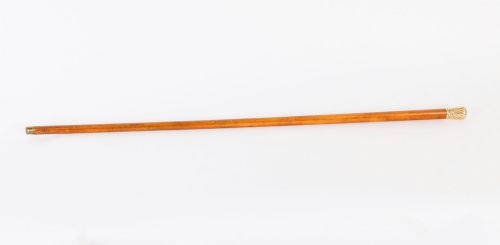
The most frequent examples encountered here belong to nineteenth century treen and walking sticks fitted with metal or carved handles. Pieces incorporate materials such as boxwood, fruitwood, and walnut, often displaying regional craftsmanship from Britain and continental Europe.
Collector interest centres on the survival of original surfaces, working mechanical elements in items like puzzle balls or shoe snuff boxes, and the tactile quality of the timber.
How they were made
Items were shaped using traditional turning on lathes, hand carving with gouges and chisels, and specialised woodworking techniques like engine turning. Tunbridge ware utilised meticulous mosaic tiling of naturally coloured woods to create geometric surface patterns.
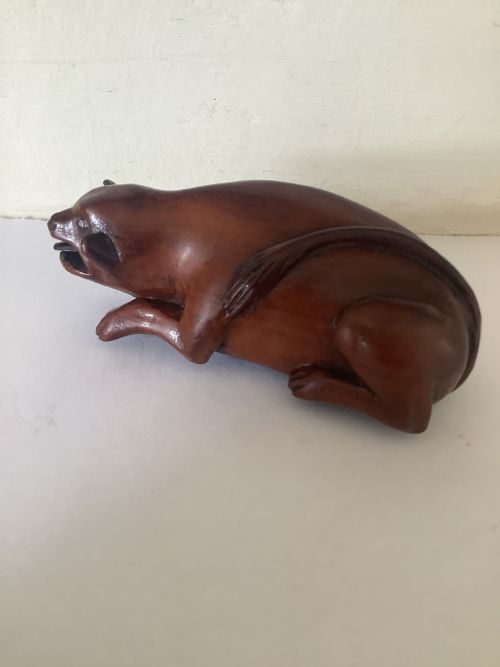
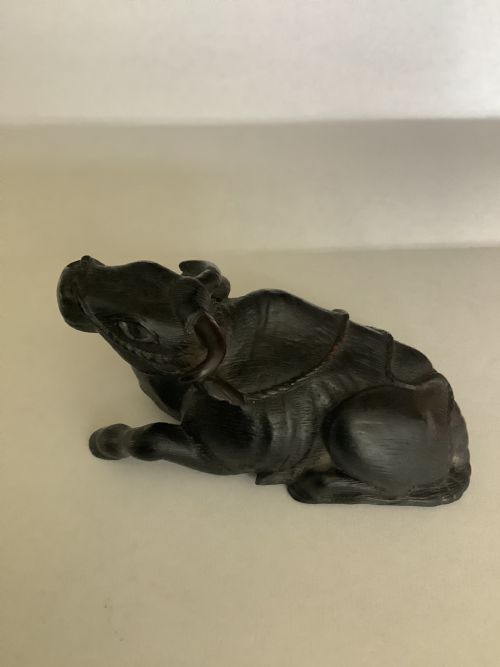
Makers selected dense hardwoods such as fruitwood, boxwood, laburnum, and burr walnut to achieve crisp detail in miniature carvings and durability in items subject to handling.
The listings span the nineteenth century through the 1930s, featuring carved wood, hardwood, steel, and brass.
What varies in quality
Quality rests on the crispness of the carving and the precision of the joinery, distinguishing finely detailed netsuke or engine turned snuff boxes from simpler utilitarian items. The character of the timber itself, particularly in burr walnut or figured fruitwood, dictates visual depth.
Preservation of original patination and the retention of delicate components, such as hinges on double opening snuff shoes or intricate turning on treen puzzle balls, separate standard examples from superior survivals.
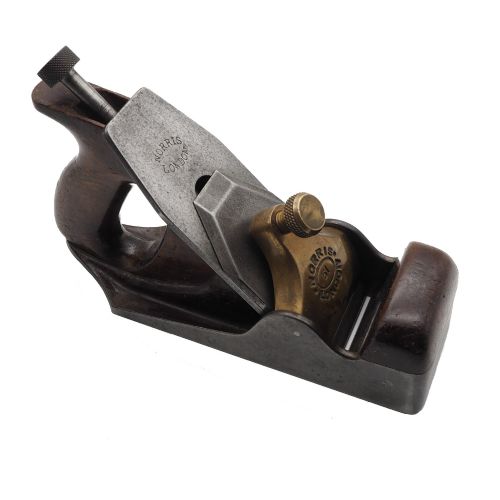
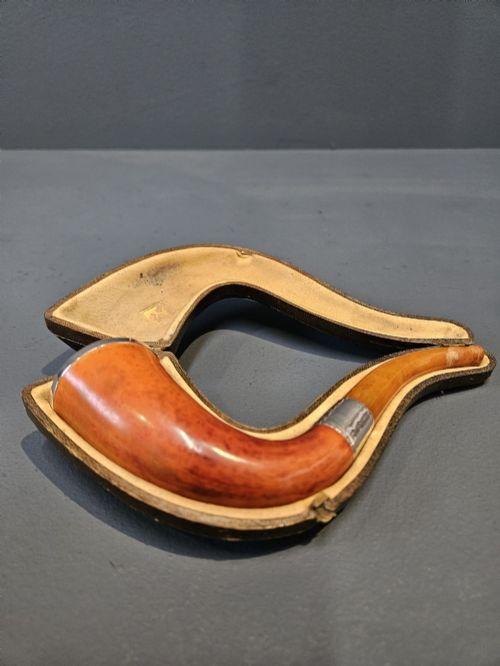
Norris London·Blumfeld·Butz Choquin·Moorcroft
The Antique Wood Collectables Glossary
- Treen
- Small handmade wooden objects for domestic or personal use. The term derives from old regional words for tree.
- Tunbridge Ware
- Small wooden boxes and decorative objects decorated with mosaic patterns made from contrasting natural wood veneers. Named after the Kent town where the technique flourished.
- Engine turned
- Geometric patterns cut into wood or metal using a specialised lathe. This mechanical decoration appears frequently on nineteenth century snuff boxes.
- Netsuke
- Small carved toggle used to secure a pouch or container to a traditional sash. These miniature sculptures often display intricate Japanese craftsmanship in wood.
- Fruitwood
- Dense timber harvested from fruit bearing trees such as apple, pear, or plum. Craftsmen favoured these woods for turning small vessels and boxes.
Antique Wood Collectables: Frequently Asked Questions
What is treen?
Treen refers to small, functional wooden objects made for everyday use in the home or workshop. Examples include lidded cups, lemon squeezers, and dairy bowls.
These pieces were shaped by hand or turned on a lathe, prioritizing utility alongside decorative appeal. Over generations, handling develops a rich patina on the wood surface.
How do I care for wooden collectables?
Wooden items require stable environmental conditions away from direct heat sources and strong sunlight to prevent timber shrinkage and cracking. Gentle dusting with a dry cloth maintains the surface.
Avoid using modern liquid polishes or harsh chemical cleaners, as these can strip away the historical patination accumulated on the wood over centuries.
How can I date nineteenth century wood items?
Dating relies on examining the tool marks left by manufacturing techniques, the style of decoration, and any accompanying hallmarks on silver or gold mounts. Fastenings, hinges, and wear patterns also offer clues.
Comparing construction methods with dated examples, such as nineteenth century walking sticks or signed carvings, helps establish the likely period of origin.