




Antique Wmf Metalwork
Antique Wmf Metalwork brings striking forms to a room, offering functional objects defined by the distinctive curves of Art Nouveau and Art Deco design.
Antique Wmf Metalwork
When searching for antique WMF metalwork, buyers encounter domestic and decorative objects produced by the Württembergische Metallwarenfabrik. These pieces span the late nineteenth century into the early decades of the twentieth century, capturing the transition from ornate floral motifs to geometric modernism.
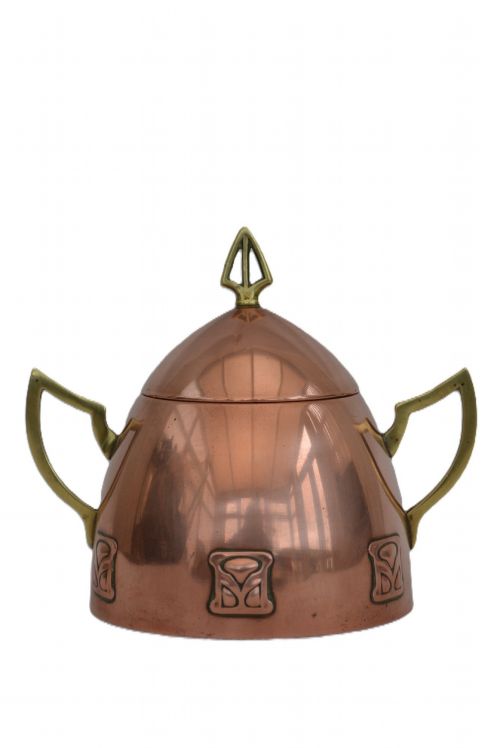
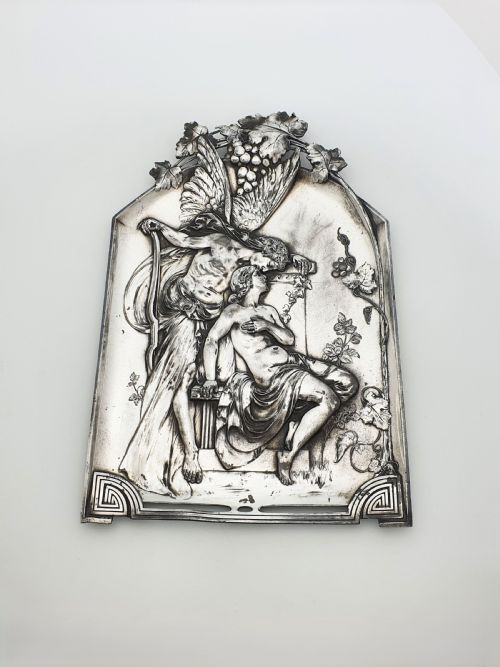
The selection on this page centres heavily on the Art Nouveau style, alongside expressions of Art Deco and Secessionist taste. Forms range from tableware such as sugar bowls and decanters to decorative centerpieces, wall plaques, and candlesticks.
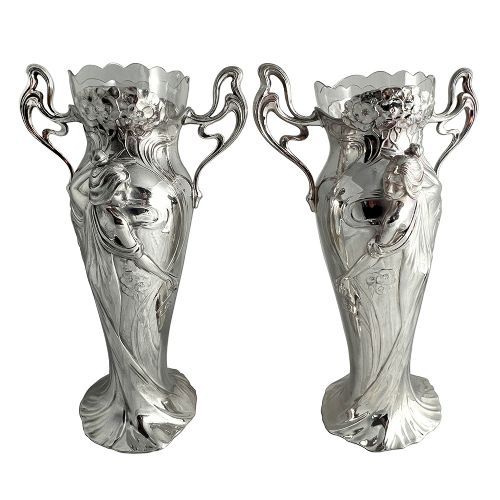
Most examples date around nineteen hundred, reflecting the firm's peak period of international design output. Buyers find both standalone metal items and mixed-media pieces incorporating cut glass, green vaseline glass, and plain glass inserts.
How these pieces were made
Production relied on base metals including pewter, copper, brass, and Britannia metal, which were frequently finished with silver plating or a silvered pewter surface. These metallic foundations allowed manufacturers to cast complex, flowing contours that defined the aesthetic of the period.
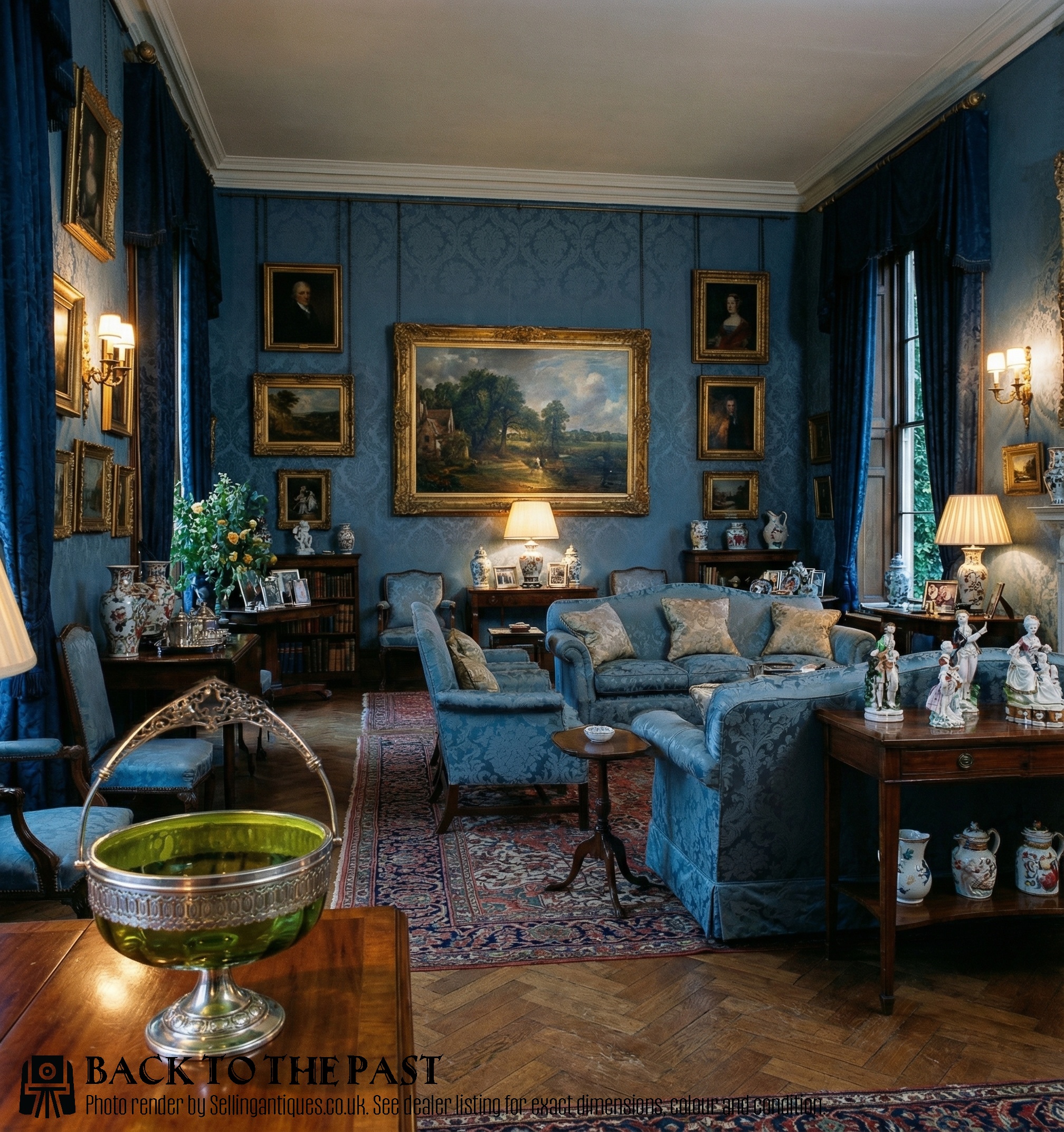
Many designs combined metalwork with glass components, pairing silver-plated frames or pewter mounts with cut glass, green vaseline glass vessels, and moulded glass dishes. This integration required precise fitting between rigid metal mounts and fragile blown or cut glass inserts.
Antique Wmf Metalwork Retail Price Guide 2026
Typical asking prices for wmf metalwork among the pieces listed under this phrase on Sellingantiques today, from the lower quarter to the upper quarter. They describe what is for sale here now, not the wider market.
Listings feature items spanning the nineteenth century through the nineteen twenties, encompassing Art Nouveau and Art Deco styles.
What varies in quality
Quality in these pieces rests on the crispness of the casting and the retention of the original surface finish, whether silver plate, silvered pewter, or copper. Finer examples maintain sharp detail in figural elements like maidens and floral reliefs.
The integration of mixed materials also defines the tier of an object, particularly where original glass inserts match the exact contours of the metal frames. Intact plating and well-preserved patination separate standard production items from superior studio output.
WMF
The Antique Wmf Metalwork Glossary
- Art Nouveau
- A style characterised by flowing, organic lines, asymmetrical plant motifs, and stylized female figures. This aesthetic dominated European design around nineteen hundred.
- Art Deco
- A later twentieth-century style focused on symmetry, streamlined geometry, and modern industrial forms. It succeeded the floral exuberance of earlier decades.
- Silvered pewter
- A base pewter material treated with a silver coating to give the appearance of solid silver. It was widely utilised by manufacturing firms to achieve an expensive look at a commercial scale.
- Vaseline glass
- A type of glass containing uranium dioxide that exhibits a distinct yellow-green fluorescence under ultraviolet light. It appears frequently in combination with metal mounts.
- Taza
- A low pedestal bowl or dish used for serving fruit or sweets. These footed vessels often featured decorative handles or pierced metalwork.
- Britannia metal
- A tin-based alloy known for its silvery lustre and smooth surface, often used as a base for silver plating. It provided a durable structure for domestic tableware.
Antique Wmf Metalwork: Frequently Asked Questions
What is WMF metalwork?
WMF stands for Württembergische Metallwarenfabrik, a prominent German metalworking company known for producing household goods and decorative art objects.
The firm gained international renown during the late nineteenth and early twentieth centuries for embracing contemporary artistic movements, particularly Art Nouveau.
How do I identify Art Nouveau WMF pieces?
Art Nouveau pieces by the firm typically feature flowing organic lines, whiplash curves, and naturalistic motifs such as flowers and stylized maidens.
These designs date primarily around nineteen hundred and often combine silvered pewter or plated metal with contrasting glass elements.
Are these pieces made of solid silver?
Most items are not solid silver, but are instead composed of base metals like pewter, Britannia metal, copper, or brass that have undergone silver plating.
Makers utilised these techniques to create decorative domestic objects with the appearance of solid silver while remaining accessible for everyday household use.
What types of objects were produced?
The firm manufactured a wide variety of functional and decorative items, including centerpieces, decanters, pitchers, sugar bowls, and desk sets.
Wall plaques, candlesticks, and swing-handled baskets were also common elements of their domestic product lines.
How do I care for antique metalwork?
Antique metal surfaces require gentle maintenance to preserve their original plating, patination, and finish.
Harsh chemical polishes should be avoided, particularly on silvered pewter and copper, as they can strip away the historical finish.