


Art Nouveau Fruit Bowl
An art nouveau fruit bowl brings organic curves and floral motifs to a table, combining utility with decorative flair from the turn of the twentieth century.
Art Nouveau Fruit Bowl
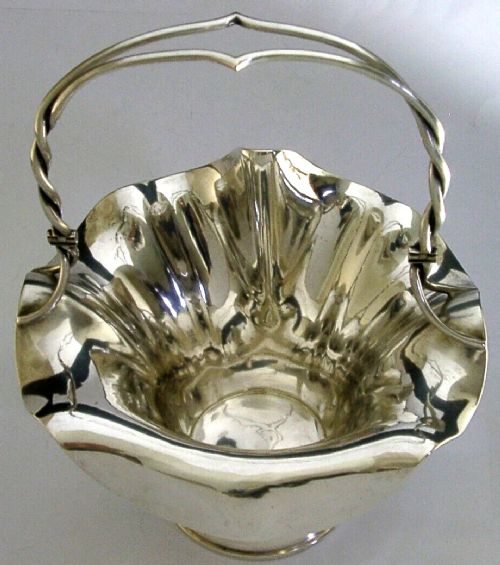
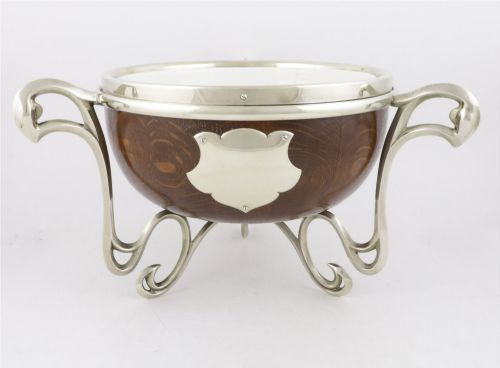
When searching for an art nouveau fruit bowl, buyers encounter centrepieces, baskets, and dishes spanning the late nineteenth century through to the Edwardian period and the decades immediately following. These pieces range from substantial silver-plated and pewter stands to smaller glazed earthenware and crystal vessels.
The version most commonly met on this page is the metal-framed glass liner or the standalone metal vessel, often produced by continental makers or domestic silversmiths around nineteen hundred. They frequently feature swing handles, pedestal stands, or figural supports influenced by the natural forms of the era.
Materials and construction methods
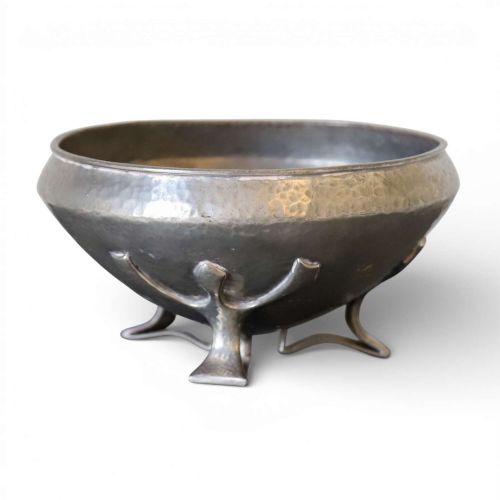
Metalwork forms are shaped from solid sterling silver, silver plate, or pewter, utilising techniques such as hammering, casting, and embossing to create flowing plant stems and flower heads. Pewter items often employ removable green glass liners or feature intricate openwork mounts.
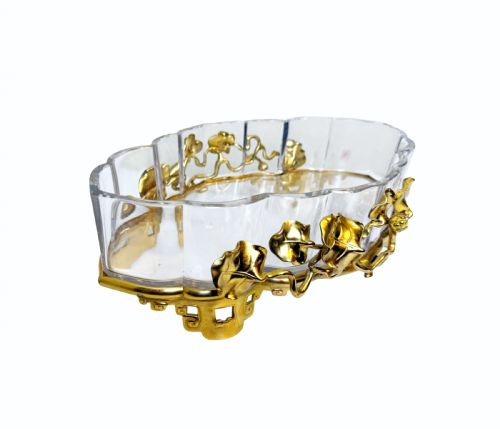
Glass vessels rely on blown crystal and iridescent techniques, sometimes enhanced with gilt bronze frames, gold enamel decoration, or lustre glazes. Earthenware examples combine moulded ceramic bodies with rich, reactive glaze formulations characteristic of the period.
Several pieces feature winged maidens and climbing fruit vines clinging steadfastly to the glass.
Distinctions in quality
Quality rests in the crispness of the casting and the integration of metal and glass elements. Superior metalwork shows purposeful hand-finishing in the chased details and botanical motifs, rather than soft or repetitive factory stamping.
In glass and ceramic pieces, depth of colour, particularly in iridescent and lustre finishes, marks the better examples. The weight of the metal mount and the harmonious balance between the support and the bowl dictate the overall stature of the piece.
Liberty and Co·Oliver Baker·WMF·Loetz·Wedgwood·Moorcroft·Eichwald·Royal Doulton·Gorham·Christofle et Cie·St Louis glassworks
The Art Nouveau Fruit Bowl Glossary
- Pewter
- A malleable metal alloy chiefly of tin, used extensively for soft-lustre vessels and organic designs. It accepts hammering and patination well.
- Lustre Glaze
- A ceramic finish incorporating metallic oxides that produce an iridescent sheen when fired. It creates shifting colours across the surface of the bowl.
- Centrepiece
- A large decorative vessel designed to sit in the middle of a table. These often incorporate elevated stands or figural elements.
- Vaseline Glass
- A type of glass coloured with uranium dioxide, yielding a characteristic yellow-green hue. It often glows under ultraviolet light.
- Epergne
- An ornamental centrepiece featuring multiple branching dishes or baskets. It is typically mounted on a central footed base.
Art Nouveau Fruit Bowl: Frequently Asked Questions
How were these bowls originally used?
These vessels served primarily as table centrepieces for holding fruit or flowers during formal dining. They were displayed prominently on sideboards and dining tables to showcase status and artistic taste.
Over time, many transitioned into purely decorative objects. Their generous proportions and striking metal mounts made them focal points in Edwardian interiors.
Are glass liners original to the metal stands?
Most metal frames were manufactured to house specific glass liners, matching their exact contours and rim dimensions. Finding a piece where the glass and metal remain together is standard for these designs.
Replacement liners do occur, so examining the fit and the wear patterns on both materials helps confirm their original pairing. Subtle variations in thickness can indicate a later substitute.
How do I care for silver plated pewter?
Pewter requires gentle cleaning with mild soap and water rather than harsh commercial silver polishes. Vigorous rubbing can strip thin silver plating or damage the soft surface of the metal.
Dry the vessel thoroughly after washing to prevent spotting. Storing it away from direct sunlight protects any glass liners and delicate enamel decorations.
What distinguishes Arts and Crafts from Art Nouveau?
Arts and Crafts design emphasises visible handcraftsmanship, simple forms, and honest materials such as hammered pewter and oak. The focus rests on utility and the integrity of the maker's labour.
Art Nouveau embraces sinuous, asymmetrical lines inspired by natural plant forms. It prioritises fluid movement and decorative grace over structural simplicity.