


Silver Plated Wall Plaque
These silver plated wall plaque pieces bring centuries of decorative metalwork into your interior with varied relief scenes and historic styles.
Silver Plated Wall Plaque
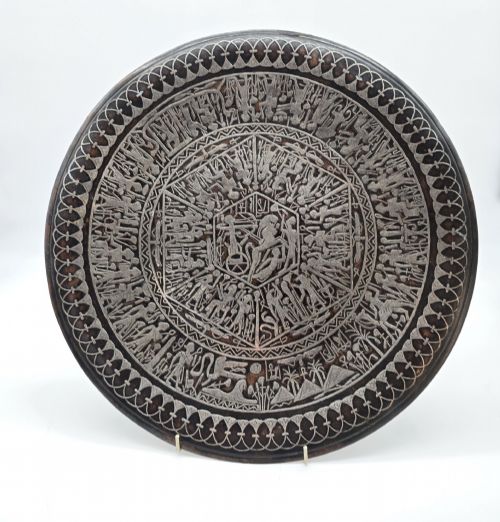
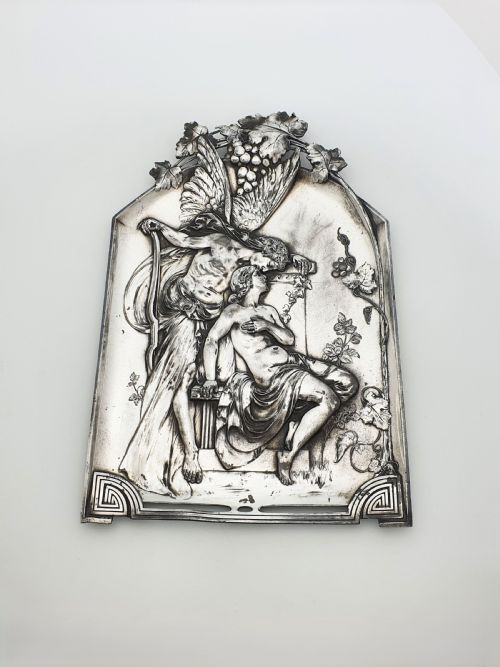
A silver plated wall plaque search reveals an array of decorative wall plates, chargers, and platters spanning the eighteenth century through the early twentieth century. You will encounter various regional interpretations and revivalist aesthetics, including Egyptian Revival, Art Nouveau, and Renaissance Revival designs.
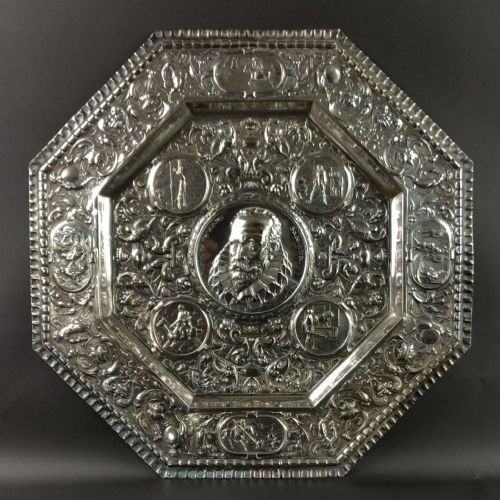
The objects take the form of large chargers, commemorative plates, and pierced trays intended primarily for display on walls rather than dining use. Many pieces draw on classical, mythological, or literary subjects like Miguel De Cervantes to create a striking visual focal point.
Manufacturing and materials
Maker workshops utilised base metals such as copper, brass, iron, and pewter as the structural foundation before applying silver plating or electrotype metal techniques. Artisans achieved prominent surface relief through repoussé work, beating the metal from the reverse side to raise the decorative motifs.
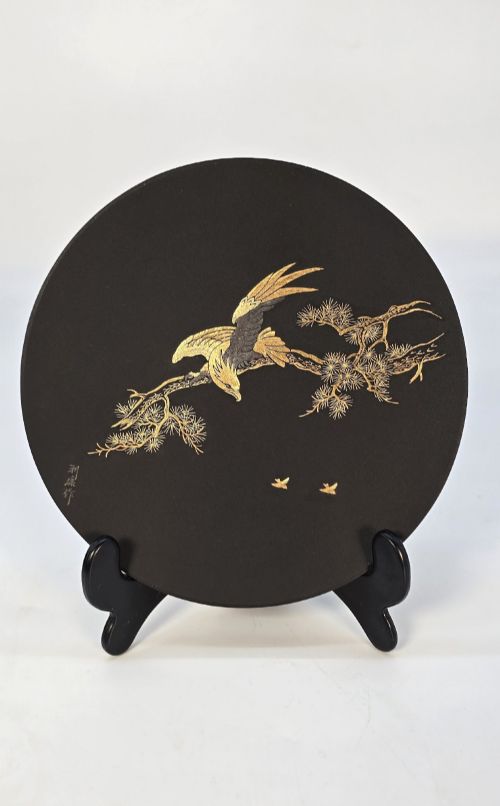
Detailing often involved patination, pierced cutwork, and inlaid metals such as gold and silver to create contrast within the design. Elkington and Co and WMF factories utilised specialised electrotyping methods to deposit silver layers onto base forms with precision.
The listings here feature nineteenth-century and early twentieth-century wall plaques created in copper, silver-plated metal, and pewter.
Evaluating craftsmanship and detail
Quality rests in the depth and sharpness of the repoussé hammer work, where finer examples display crisply defined facial expressions and intricate background chasing rather than soft or shallow relief. The weight and gauge of the underlying metal also indicate superior construction.
The integrity of the surface finish and the subtlety of mixed-metal inlays distinguish better items from simpler production pieces. Well-executed piercing and balanced composition across large chargers demonstrate higher workshop skill.
WMF·Elkington and Co
The Silver Plated Wall Plaque Glossary
- Repoussé
- A metalworking technique where the artisan hammers metal from the reverse side to create a raised design in relief on the front. This method defines much of the ornamentation on nineteenth-century chargers.
- Electrotype
- A replica or object formed through the electrodeposition of metal onto a mould, used extensively by nineteenth-century firms like Elkington and Co. It allowed workshops to replicate complex historical reliefs with high fidelity.
- Charger
- A large ornamental plate traditionally used for display rather than serving food. These pieces frequently feature elaborate borders and central figural scenes designed to hang on walls.
- Cairo Ware
- Metalware produced in Egypt around the turn of the twentieth century, often featuring distinctive silver and copper inlay work. These pieces reflect the Grand Tour aesthetic popular among European travellers.
- Patination
- The natural or induced surface ageing and discoloration of metal over time. Controlled patination highlights the depth of engraved and inlaid details.
Silver Plated Wall Plaque: Frequently Asked Questions
How do I hang a heavy metal charger safely?
Large wall chargers require robust picture wire or adjustable metal brackets designed to support the substantial weight of copper, iron, or plated metal. Ensure the fixing secures firmly into wall studs rather than plaster alone.
Position the piece at eye level to appreciate the fine details of the repoussé work and surface patination.
What is the difference between a charger and a plaque?
Chargers are typically circular vessels derived from large dining platters, adapted for ornamental display with wide decorated rims. Wall plaques often vary more in shape and focus directly on a pictorial scene or commemorative subject.
Both forms served primarily as decorative interior ornaments throughout the Victorian and Edwardian periods.
How should I clean silver plated metalwork?
Gentle dusting with a soft, dry cloth is usually sufficient to maintain the surface without disturbing historic patination or wearing down thin silver plating. Avoid harsh commercial dips or abrasive polishes that strip the underlying metal finish.
Consult a specialist conservator if tarnish obscures fine chasing or inlaid details.
How can I tell Art Nouveau pieces apart from Victorian designs?
Art Nouveau examples embrace flowing organic lines, stylised plant motifs, and asymmetric compositions typical of the turn of the twentieth century. Victorian pieces lean toward heavier revivalist styles, incorporating classical symmetry, gothic elements, or elaborate Renaissance Revival borders.
Examining the maker marks and typical motifs helps clarify the period of production.