



Antique Silver Wall Hanging
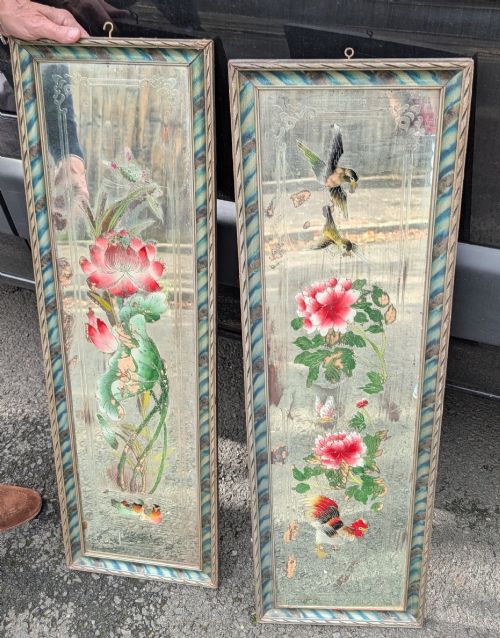
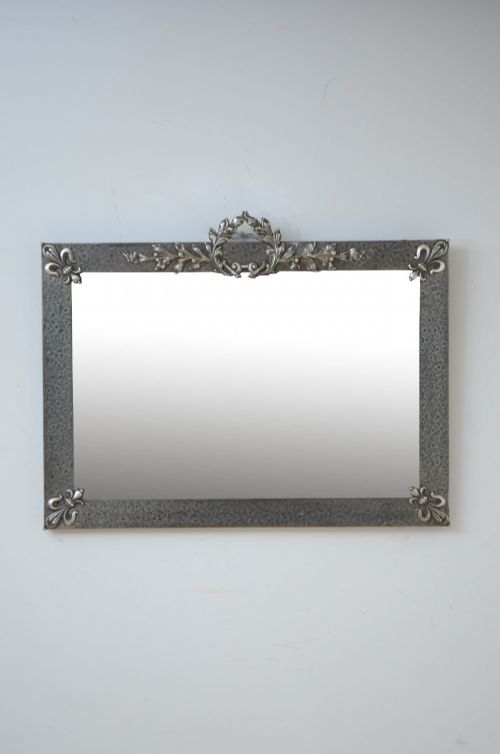
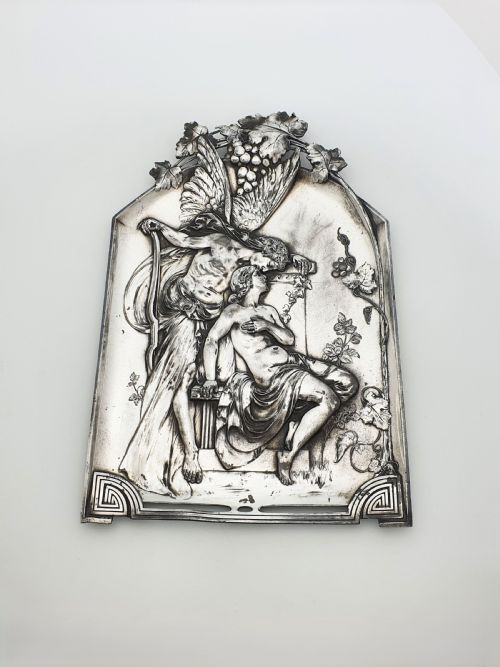
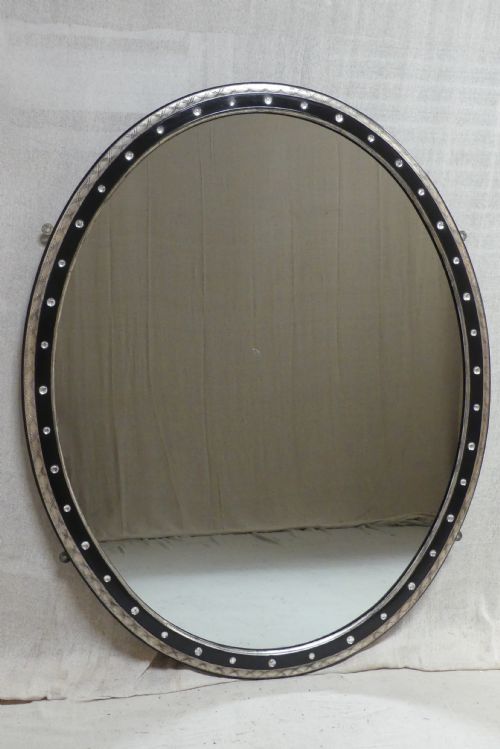
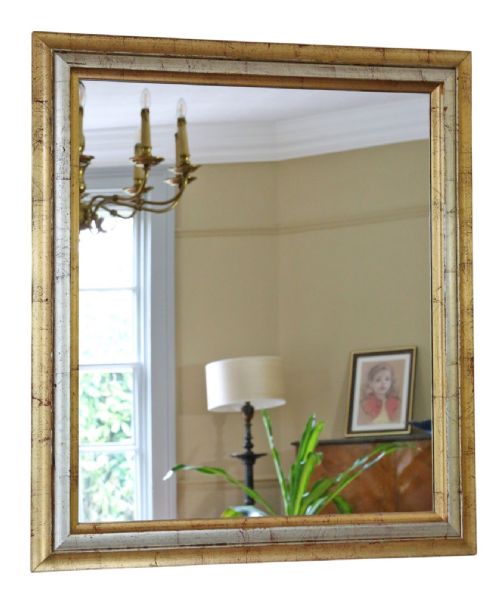
These antique silver wall hanging pieces are decorative mirrors, barometers, and plaques that bring period character and reflective light to any interior space.
Antique Silver Wall Hanging
When you search for an antique silver wall hanging, you encounter a varied selection of wall mirrors, barometers, plaques, and picture frames spanning several centuries. The nineteenth century yields significant examples, alongside eighteenth-century Italian silver-leaf pieces and twentieth-century Arts and Crafts metalwork.
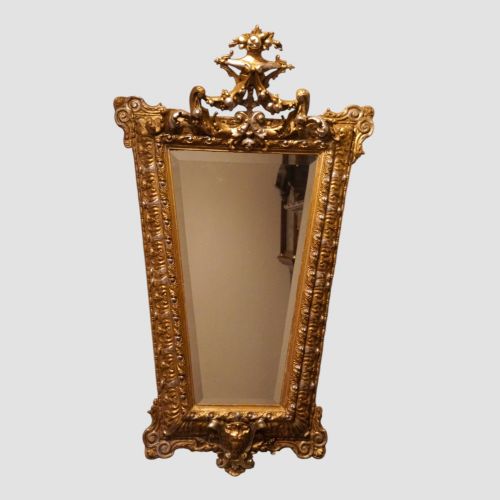
The most common forms on this page include wall mirrors featuring silver leaf and parcel gilt finishes, alongside wooden stick barometers and beaten pewter plates. Venetian and Chinese decorative styles appear frequently, offering distinct regional interpretations of wall decor.
Makers and origins range from London instrument makers to Venetian workshops and nineteenth-century European metalworkers. Buyers find items shaped by Georgian, Victorian, Art Nouveau, and Arts and Crafts design movements.
How they were made
Materials span silver leaf, silver-gilt, pewter, and metal combined with glass, mirror glass, mahogany, oak, boxwood, and rosewood. Artisans applied thin layers of silver leaf to carved wooden frames or hammered sheet metal into plates and mirror surrounds.
Construction techniques involve traditional cabinetmaking for barometer cases alongside glass bevelling and silver plating for mirrors and plaques. Tradesmen utilised inlay, carving, and metal-beating methods suited to each period style.
What varies in quality
The degree of hand-carving in wooden frames and the crispness of beaten metalwork distinguish finer items from simpler production. Superior examples display careful joinery in barometer cases and well-preserved silver leaf or mercury glass plates.
Design execution plays a major role, where distinct stylistic details from periods like Art Nouveau or the Arts and Crafts movement reflect higher artisan skill. The condition of the original reflective surface or instrument mechanism also marks the difference between standard and notable pieces.
Josef Herzog·JB Bergna·Pinchetti And Co·Tarone Gally And Co·George Dollond
The Antique Silver Wall Hanging Glossary
- Silver leaf
- Extremely thin sheets of silver applied to wood or gesso surfaces. It creates a luminous metallic finish often found on Venetian and Italian mirrors.
- Stick barometer
- A tall, narrow wall-mounted weather glass enclosed in a wooden case. Georgian examples frequently utilise mahogany or boxwood inlay.
- Parcel gilt
- A decorative technique where selected areas of an object are covered in gold or silver leaf while other parts remain exposed.
- Bevelled plate
- Mirror glass with edges cut and polished to an angled slope. This traditional detail adds depth and visual interest to antique mirror frames.
- Cairo Ware
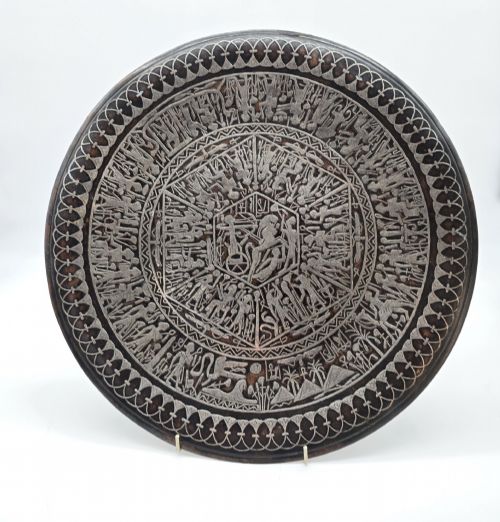
- Metalwork originating from late nineteenth-century Egypt, typically brass or white metal inlaid with silver and copper. These pieces often take the form of large wall chargers.
Antique Silver Wall Hanging: Frequently Asked Questions
How do I hang a heavy antique mirror?
Heavy wall hanging items require secure fixings anchored directly into wall studs or masonry using appropriate weight-rated brackets.
Professional installation is recommended for large nineteenth-century mirrors and barometers to ensure the piece remains safe and stable.
What is foxing on a mirror?
Foxing refers to the small spots and discolouration that develop on antique mirror glass over long periods as the silver backing ages.
Many collectors value foxing because it proves the age and authenticity of the original mirror plate.
How do I clean silver leaf frames?
Silver leaf surfaces require gentle dusting with a soft, dry brush to remove particles without damaging the delicate metallic layer.
Moisture and chemical cleaners should be avoided entirely to prevent tarnishing and flaking of the historical finish.
How do I identify a Georgian barometer?
Georgian barometers typically feature straight mahogany cases with exposed cistern covers and handwritten paper scales behind glass doors.
Maker signatures inscribed on the brass or silvered register plates often help date the instrument accurately.