

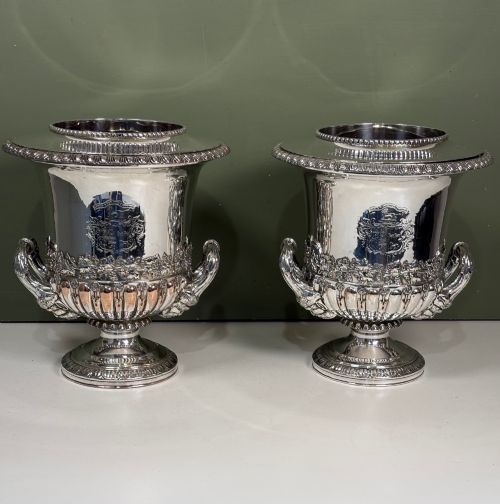


Antique Wine Pail
These antique wine pails are designed to chill bottles and serve ice with historic elegance.
Antique Wine Pail
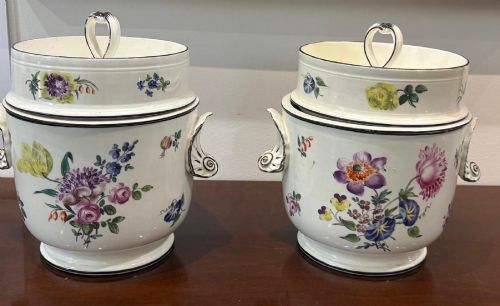
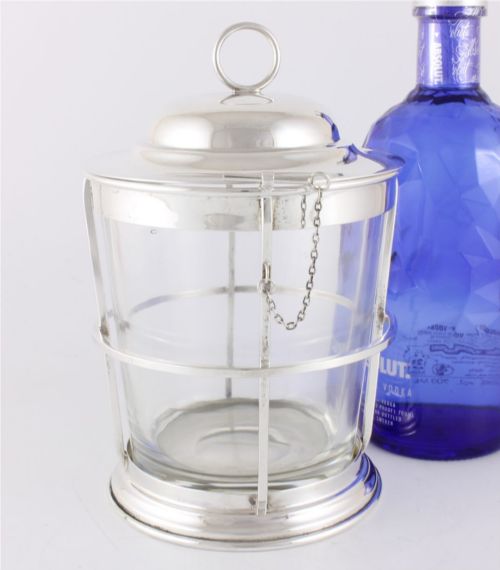
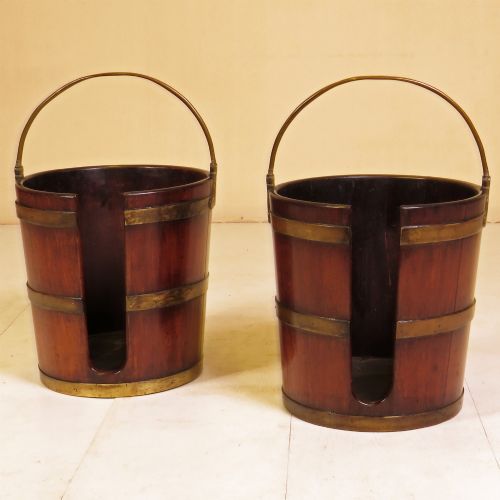
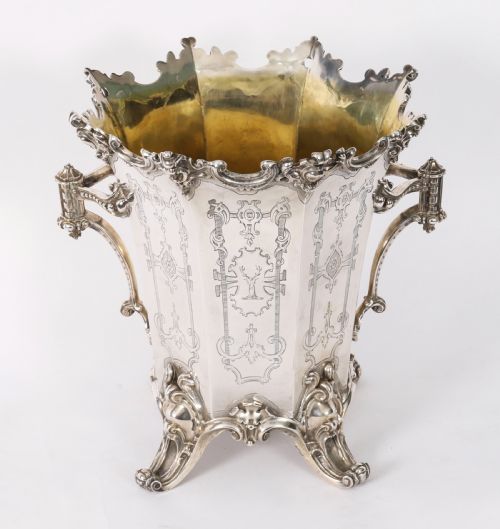
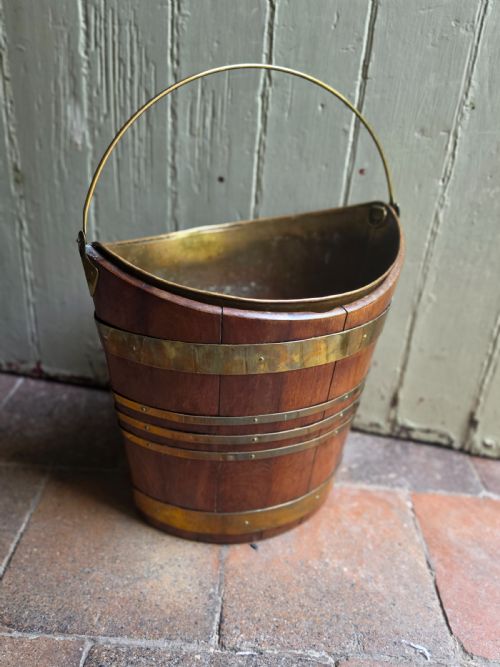
When you search for an antique wine pail, you are looking at vessels historically used for chilling wine at the table or storing ice. The forms span from Georgian mahogany buckets with brass bands to silver-plated coolers and porcelain ice pails.
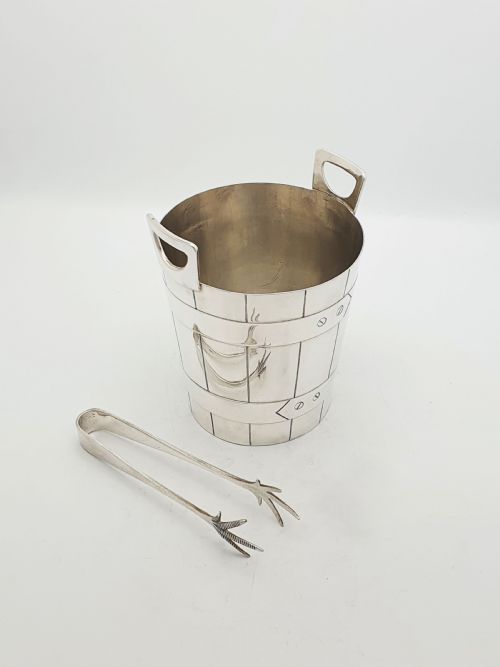
You are most likely to meet silver-plated examples from the nineteenth and early twentieth centuries alongside wooden and ceramic pieces originating in the Georgian and Regency periods. These objects served elite dining rooms and continue to function as functional barware.
The selection ranges across distinct periods including the 18th century, Regency, Victorian, and Art Deco eras. Each era brought specific materials to the form, shifting from timber staves to metal and crystal.
Materials and construction
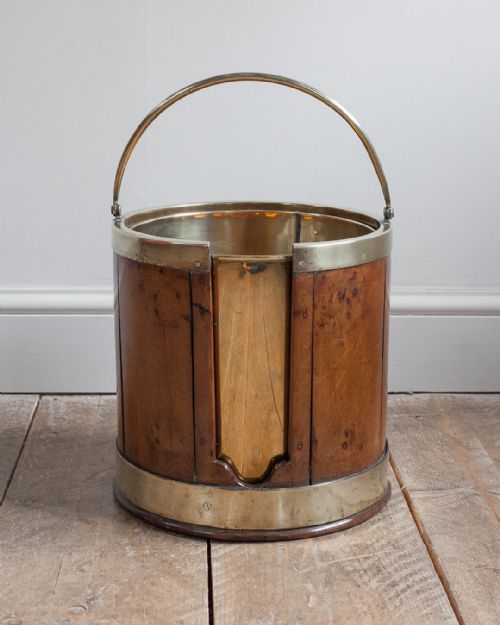
Makers utilised timber such as mahogany, oak, and walnut, frequently constructing vessels with coopered staves bound by heavy brass bands or hoops. These wooden buckets often incorporated metal or ceramic liners to hold ice and water.
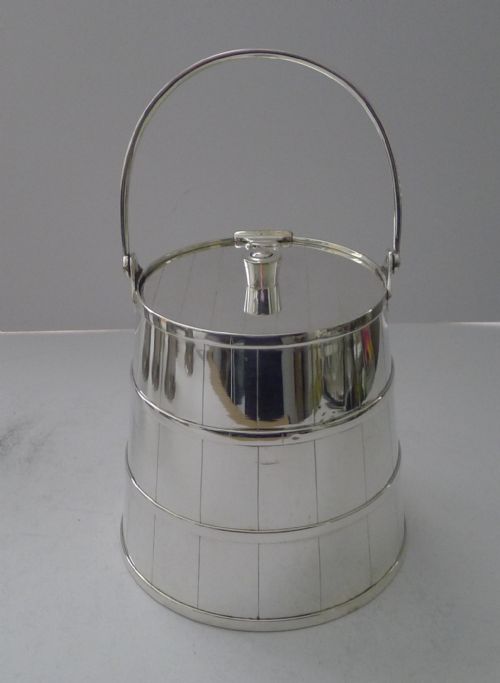
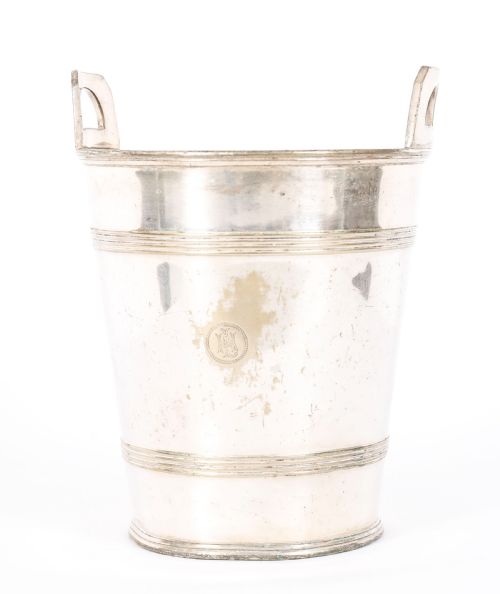
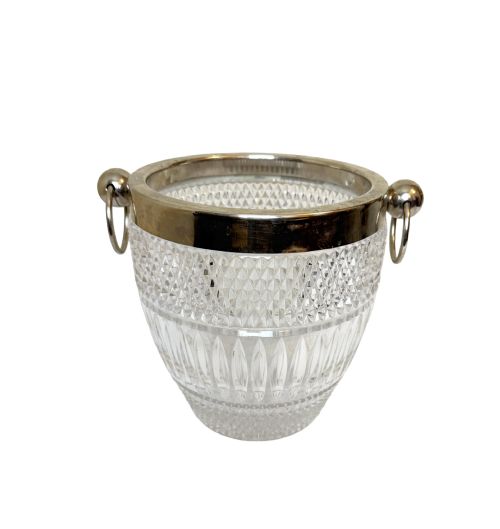
Metal versions rely on silver plate, Old Sheffield plate, copper, and solid silver, sometimes featuring heavily embossed detailing or cast mounts. Glass and crystal examples utilise heavy cutting techniques paired with silver-plated rims and swing handles.
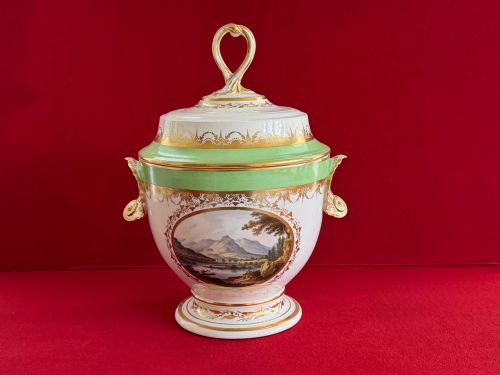
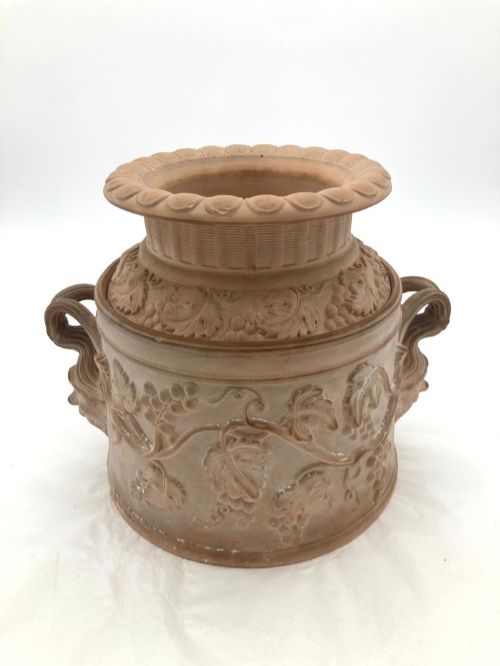
Ceramic ice pails emerge from porcelain and creamware bodies, painted with enamel decoration by noted factories. These ceramic pieces frequently include matching lids and liners designed to maintain low temperatures.
Listings feature items spanning the 18th century through the mid-20th century, incorporating mahogany, silver plate, porcelain, and crystal.
Assessing quality and execution
The distinction between ordinary and superior pieces rests on the weight of the metal, the precision of the coopering in wooden examples, and the crispness of the chased or embossed ornamentation. Heavier gauge silver plate and substantial lead crystal indicate higher initial manufacture.
Provenance and known makers elevate certain items, particularly when marked by established silversmiths or porcelain manufactories. The presence of original fitted liners, matching tongs, and undamaged heraldic engraving adds considerable substance to a piece.
Hutton Sheffield·PH Vogel·Elkington Mason And Co·Dawson·Christofle·Matthew Boulton And Co·Macabo
The Antique Wine Pail Glossary
- Old Sheffield plate
- A fused composite metal made by applying a thin sheet of silver to a thicker copper base before rolling. This technique was widely employed before the invention of electroplating.
- Creamware
- A fine earthenware developed in Yorkshire featuring a pale yellowish cream glaze. It became popular for tableware and decorative vessels during the late eighteenth century.
- Coopered
- Constructed using wooden staves fitted together side by side and bound by metal hoops, a method traditionally used for barrels and buckets.
- Plate bucket
- A deep cylindrical wooden bucket fitted with brass bands, historically utilised at the dining table for holding clean plates or chilling wine.
- Lead crystal
- Glass manufactured with a high lead content to increase weight, brilliance, and clarity, allowing for deep decorative cutting.
Antique Wine Pail: Frequently Asked Questions
What is an antique wine pail used for today?
These vessels serve effectively as champagne coolers, ice buckets, or decorative barware for modern entertaining.
Beyond practical use, they function as striking focal points when displayed on sideboards or side tables.
How do I clean a silver plated ice pail?
Maintenance requires gentle washing with warm soapy water and a soft cloth to protect the plated surface.
Harsh abrasives and chemical dips must be avoided to preserve any underlying copper and the original finish.
How can I tell a Georgian mahogany bucket from a later copy?
Period pieces display authentic construction methods such as hand-cut dovetails, aged patination on the timber, and hand-beaten brass bands.
Examine the interior for wear patterns consistent with historical use rather than modern manufacturing marks.
Did all wine pails come with liners?
Many metal and wooden examples originally featured removable metal or ceramic liners to contain melting ice and protect the outer structure.
Survival of these original liners significantly enhances the completeness and integrity of the object.