



Antique Window Panel
An antique window panel brings historic light and intricate leadwork into a room, spanning Victorian trade signs to Edwardian leaded glass.
Antique Window Panel
When you search for an antique window panel, you encounter a diverse group of architectural elements, ranging from domestic glazing to commercial shopfronts and ecclesiastical tracery.
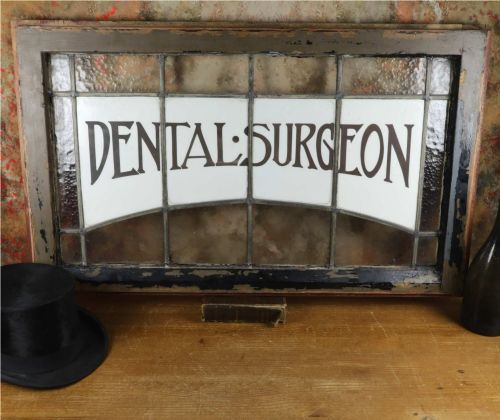
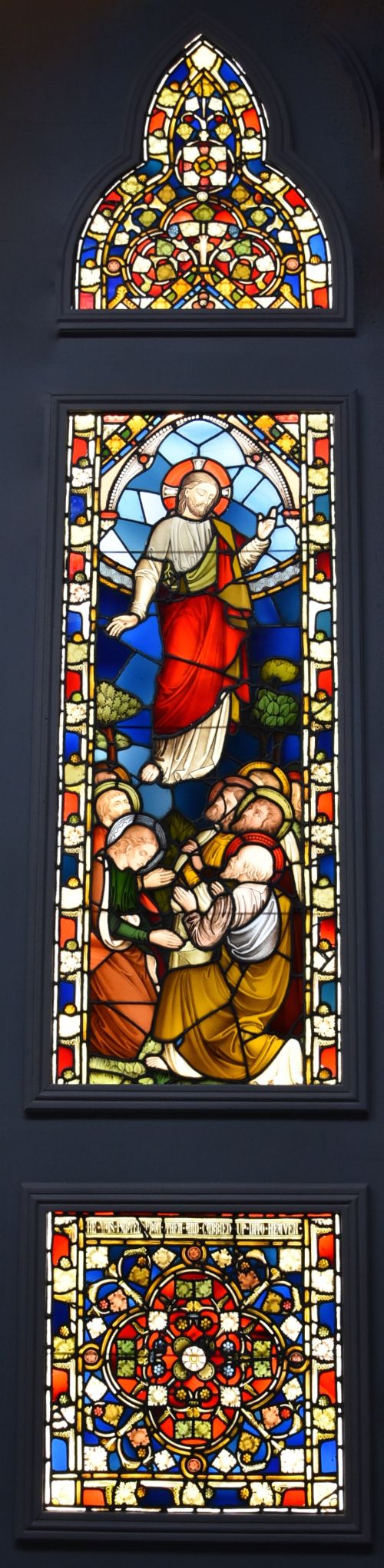
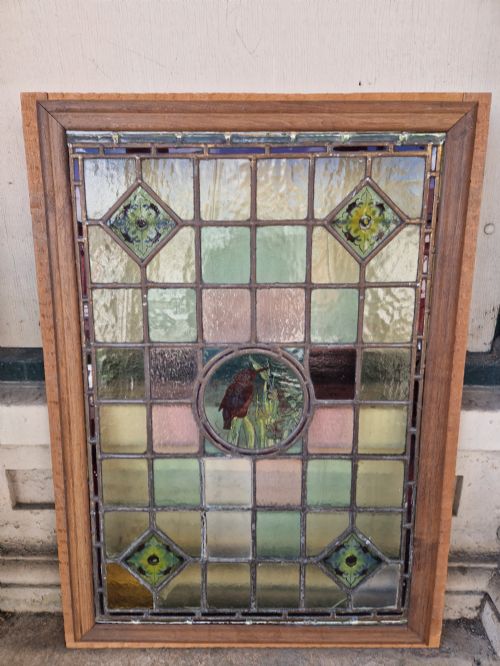
The pieces on this page heavily feature leaded and stained glass configurations from the Victorian, Edwardian, and 1900 periods, frequently incorporating hand-painted scenes, birds, and floral motifs.
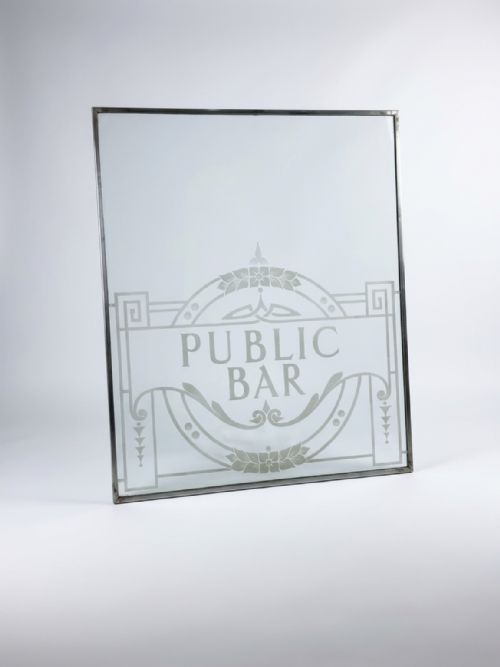
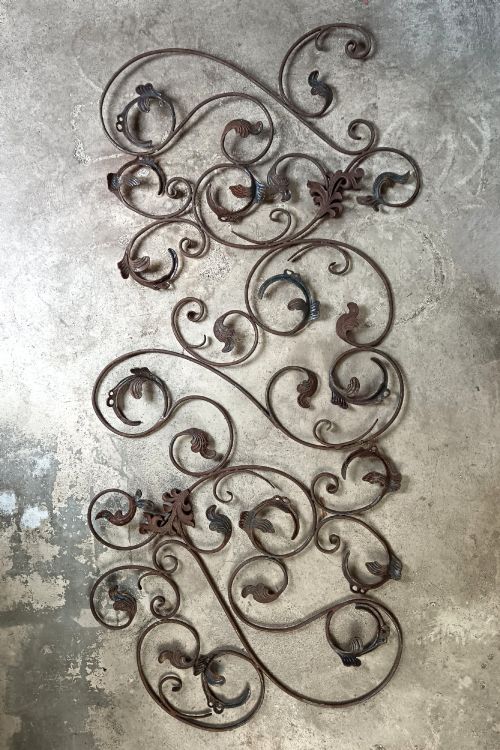
Beyond traditional glass glazing, the selection extends to carved wooden temple panels, wrought iron scrolls, and etched pub windows originating from the nineteenth and early twentieth centuries.
Materials and Construction
Makers constructed these panels by combining glass with pliable lead cames, soldering the joints to secure individual segments into complex geometric or pictorial compositions.
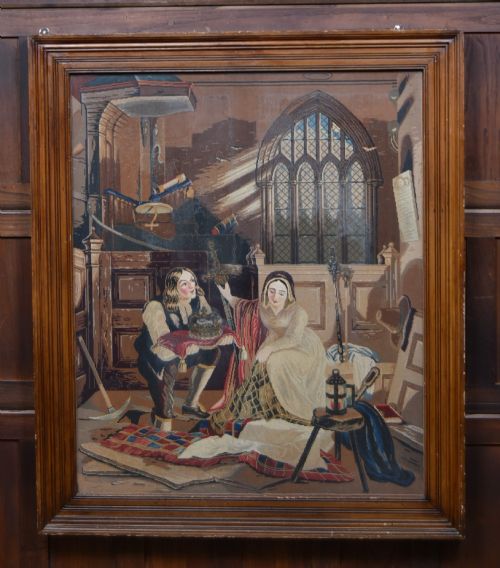
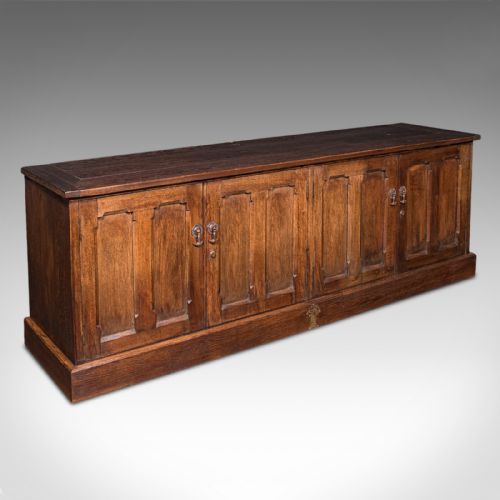
Carpenters and carvers shaped timber frames and panels using oak, pine, and gilt wood, frequently applying detailed relief carving or surface painting.
Metalwork items utilise cast iron and wrought iron, forged into structural balustrades and architectural scrolls.
Several panels preserve the likeness of a Victorian knight in armour, a Dutch boy and girl, and numerous birds perched on branches.
Assessing Quality
The distinction between ordinary and superior pieces rests on the complexity and execution of the hand-painted details, such as figurative scenes and heraldic emblems.
Integration of specialised components, including amber bullseyes and finely etched glass, elevates the visual depth of the glazing.
The structural integrity of the lead cames and the preservation of the original timber or iron framing determine the overall standard.
The Antique Window Panel Glossary
- Lead came
- The grooved lead strips used to hold pieces of glass together in a window panel. These flexible strips form the structural grid of the design.
- Bullseye
- A small, circular centre piece of blown glass showing a pontil mark. These are often incorporated into leaded panels to add texture and catch the light.
- Tracery
- Openwork stonework or woodwork supporting glass in a window, often seen in Gothic Revival pieces. This decorative framing provides structural division.
- Ecclesiastical
- Relating to the Christian Church, describing architectural salvage and church panels from the nineteenth century or earlier. Such items often feature religious motifs or tracery.
- Architectural salvage
- Building materials and decorative elements rescued from demolished structures. These items include iron scroll panels and balustrades.
Antique Window Panel: Frequently Asked Questions
How were antique window panels originally used?
These panels served as functional windows in domestic homes, public houses, and shops, or as architectural dividers within buildings.
Commercial examples advertised specific trades, whilst domestic versions provided privacy and decorative illumination through coloured glass.
How do I hang an antique window panel?
Due to the weight of lead and glass, panels require secure hanging brackets fixed to a window frame or wall studs to support the load safely.
Weight distribution prevents the pliable lead cames from sagging over time.
How do I date an antique window panel?
Dating relies on stylistic clues, such as Edwardian floral motifs, Victorian pictorial hand-painting, or Gothic Revival architectural forms.
The combination of glass texture, lead profile, and framing timber also helps narrow the period of origin.
What is the difference between stained glass and leaded glass?
Stained glass strictly refers to glass that has been coloured during its manufacturing process or painted and fired in a kiln.
Leaded glass describes the broader technique of assembling individual pieces of clear, coloured, or textured glass using lead cames.