

Antique Welsh Pottery
Antique welsh pottery brings bold colour and pattern to domestic shelves through earthenware jugs, bowls, and plaques.
Antique Welsh Pottery
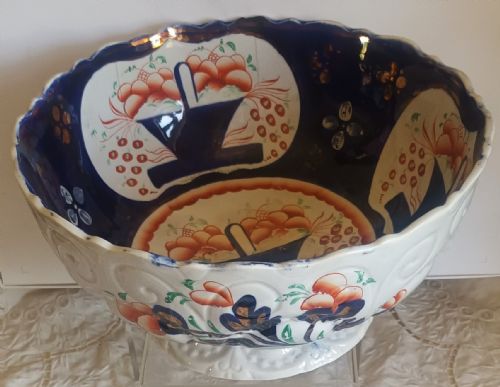
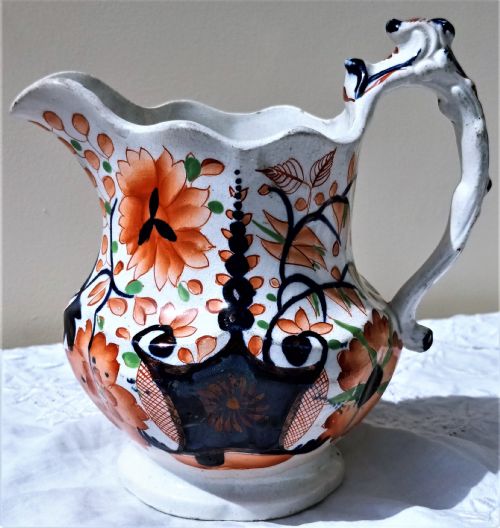
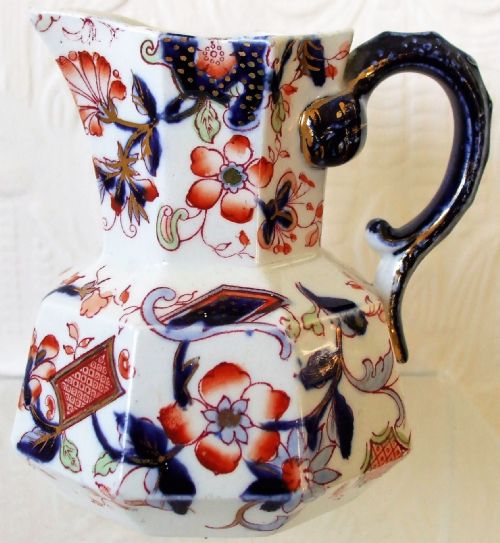
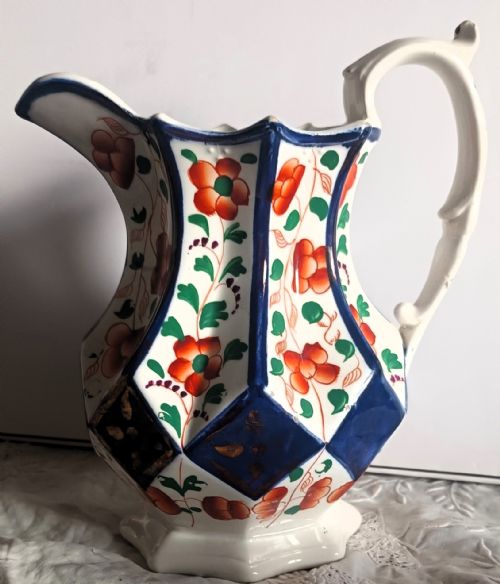
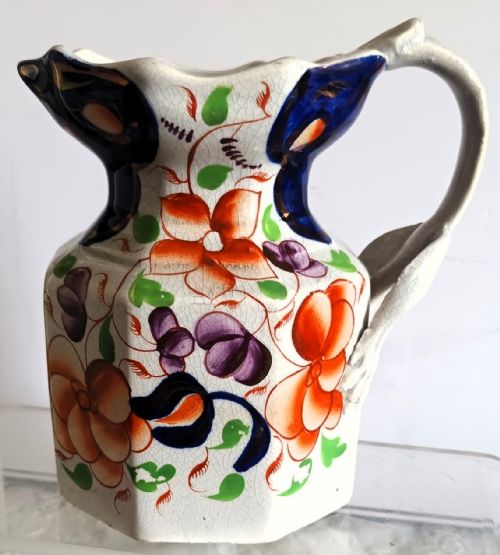
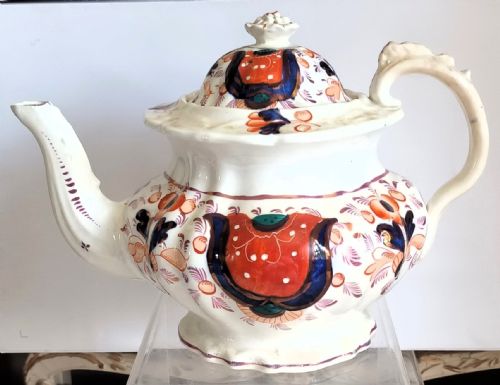
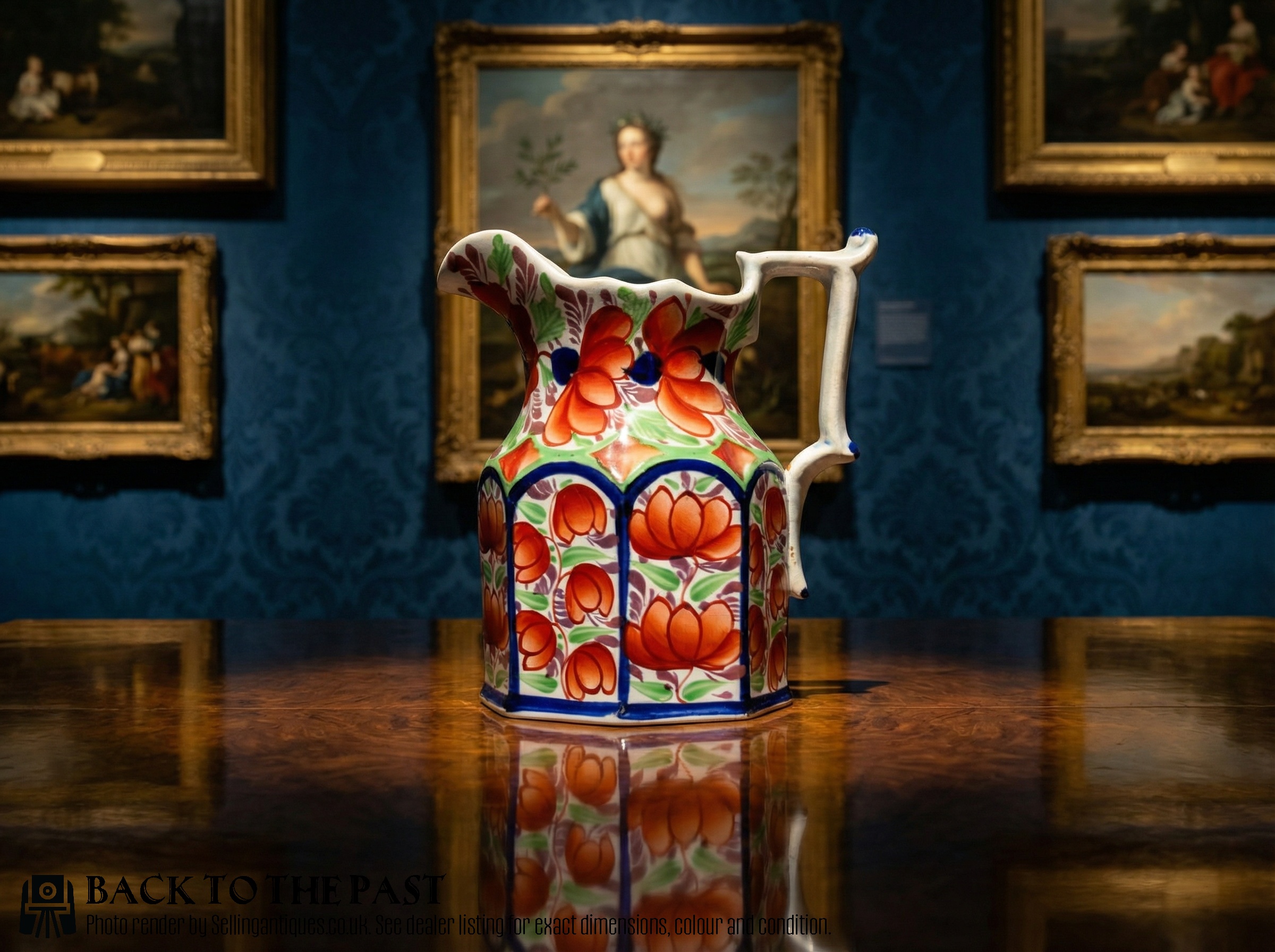
When you search for antique welsh pottery, you encounter vibrant domestic wares produced during the Georgian and Victorian periods. The selection on this page leans heavily toward nineteenth-century Gaudy Welsh pottery, alongside earlier earthenware pieces.
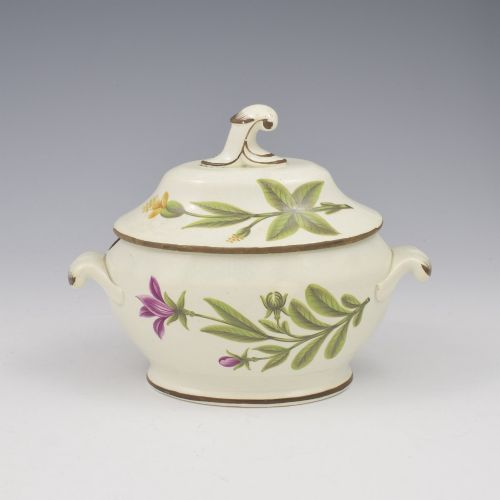
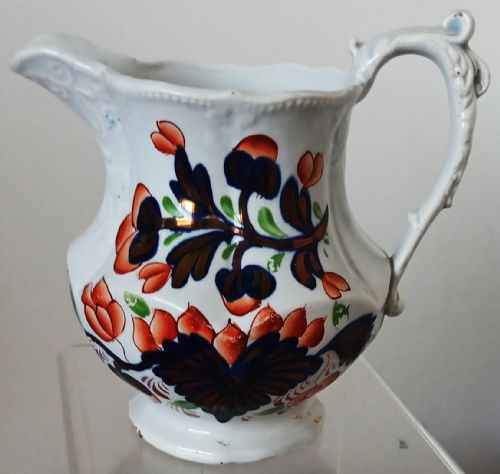
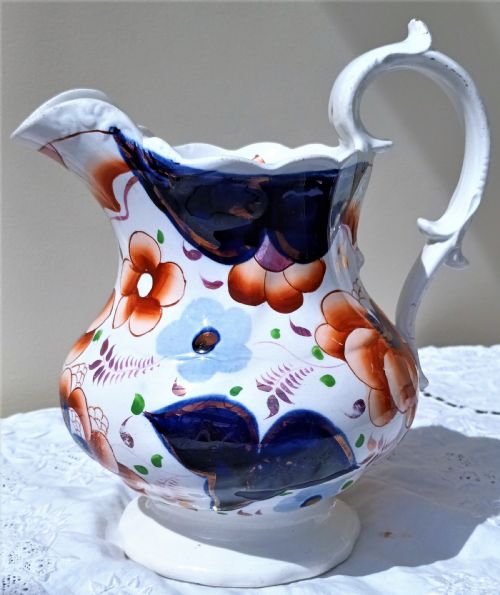
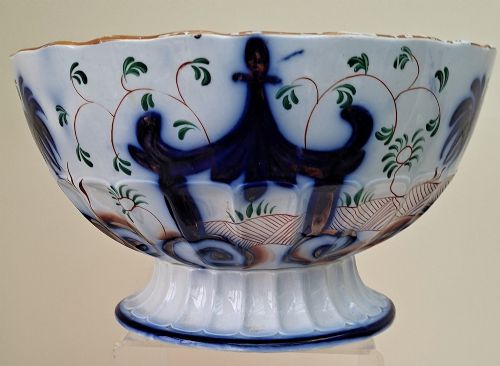
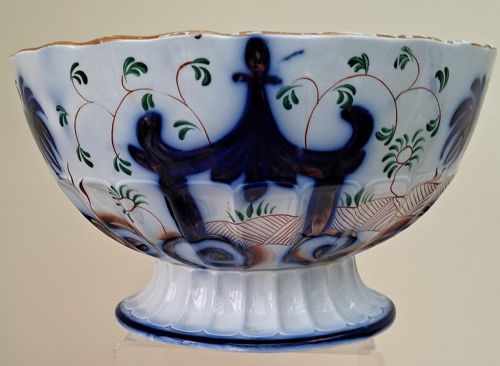
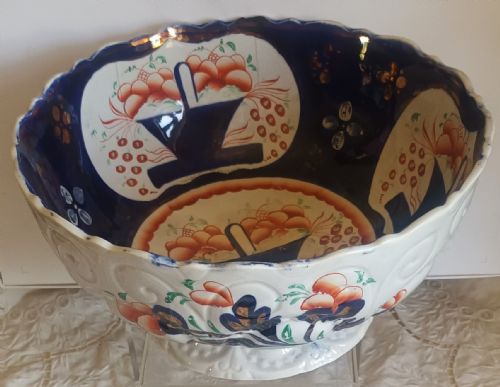
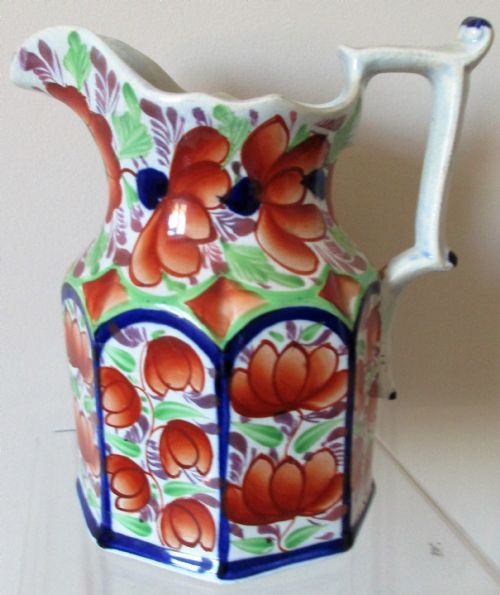
Forms span practical vessels and display items, including jugs and pitchers, footed bowls, decorative plaques, tobacco jars, and sauce tureens. These items represent both utilitarian kitchenware and the folk art traditions of the era.
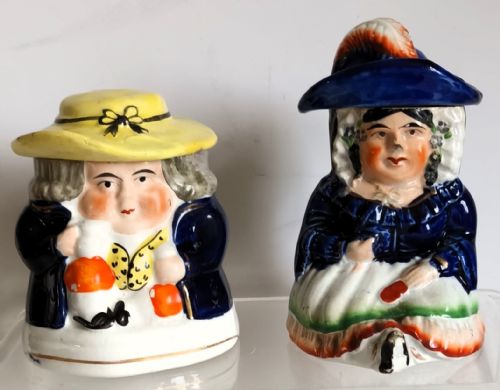
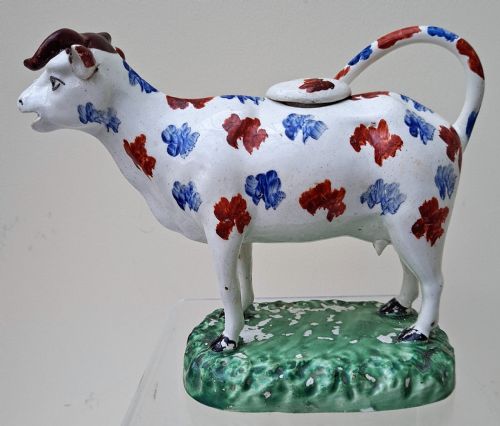
The objects reflect regional domestic life, often bearing named patterns such as Pagoda, Harlech, and Bethesda. You also find whimsical forms like cow creamers and loving cups among the domestic ceramics.
How they were made
Potters shaped these earthenware and ironstone bodies on the wheel or pressed them into moulds, creating sturdy vessels suited for daily household use. Pearlware also appears, providing a fine white surface for subsequent decoration.
Makers applied hand-painted designs using cobalt glaze, enamel, and copper lustre to achieve the striking visual effects characteristic of the regional style. Paint and enamel glaze secured vibrant hues across patterns like Grape, Basket of Flowers, and Wallflower.
Antique Welsh Pottery Retail Price Guide 2026
Typical asking prices for welsh pottery among the pieces listed under this phrase on Sellingantiques today, from the lower quarter to the upper quarter. They describe what is for sale here now, not the wider market.
Materials recorded across the selection include cobalt glaze, enamel, copper lustre, and pearlware.
What varies in quality
Quality rests in the crispness of the moulded form and the confidence of the hand-painted decoration. Stronger pieces display thick, glossy glaze applications and rich copper lustre that holds its metallic sheen.
The complexity of the pattern dictates much of the visual success, with multi-coloured motifs like the Pagoda or Lady and Gentleman requiring precise brushwork. Finer examples maintain clean lines and vibrant enamel separation without muddy blending.
Keeling And Co·Copeland Pottery·William Yale
The Antique Welsh Pottery Glossary
- Gaudy Welsh
- A style of colourful pottery decorated with cobalt blue, iron red, and copper lustre, heavily produced in the nineteenth century for domestic markets. These wares often feature named architectural or floral patterns.
- Pearlware
- A refined earthenware developed in the eighteenth century, featuring a thin glaze with a faint bluish tint that pooled in recesses. It provided a whiter ground for painted decoration than standard creamware.
- Copper Lustre
- A metallic glaze technique that imparts a reflective, copper-coloured sheen to ceramic surfaces. It appears frequently as a bordering or accent on Gaudy Welsh patterns.
- Cow Creamer
- A ceramic jug modelled in the shape of a cow, designed to pour milk or cream from the animal's mouth. These whimsical forms formed part of Georgian and Victorian table settings.
- Ironstone
- A dense, durable type of ceramic developed as a robust alternative to porcelain. It resists chipping and provided a solid base for transfer-printed and hand-painted wares.
Antique Welsh Pottery: Frequently Asked Questions
What is Gaudy Welsh pottery?
Gaudy Welsh pottery refers to brightly coloured earthenware items decorated with cobalt blue, red enamel, and copper lustre. These pieces were made primarily in the nineteenth century for everyday household use and display.
The style gained popularity for its vibrant palette, utilising motifs like Pagoda, Grape, and Basket of Flowers. Most surviving examples are jugs, bowls, and teapots produced in the Victorian era.
How do I identify a Georgian piece?
Georgian pottery pieces from this tradition often include pearlware bodies and earlier forms like sauce tureens or cow creamers. These items pre-date the main Victorian output and show distinct glazing techniques.
Look for the characteristic bluish tint of pearlware glazes and hand-painted botanical or folk art motifs. Makers during this period focused on functional forms decorated with cobalt blue and simple enamel.
Were these items used daily?
Most of these ceramic vessels served practical purposes in nineteenth-century kitchens and parlours. Jugs held liquids, basins served for washing, and tobacco jars kept dry goods stored safely.
Despite their bright enamel and copper lustre decoration, items like teapots and footed bowls were integrated into domestic routines. Their durability stemmed from sturdy earthenware and ironstone bodies.
What are decorative plaques used for?
Ceramic plaques functioned as wall art in homes, depicting local landscapes, scenic views, or picturesque locations. Makers inscribed specific titles onto the front to identify the exact spot.
These pictorial plaques show painted scenes executed on flat pottery surfaces. They represent a more decorative branch of nineteenth-century ceramic production compared to functional jugs.
How should I display them?
Display these ceramics on open shelving or plate racks where their copper lustre and enamel colours catch the light. Grouping pieces by pattern or form highlights their visual variety.
Ensure shelves are stable and support the weight of denser ironstone items. Keeping them away from direct sunlight protects the hand-painted enamel colours over time.