





Antique Welsh Chair
When you handle an antique welsh chair, you touch centuries of rural craftsmanship rooted in domestic utility and local timber.

Antique Welsh Chair
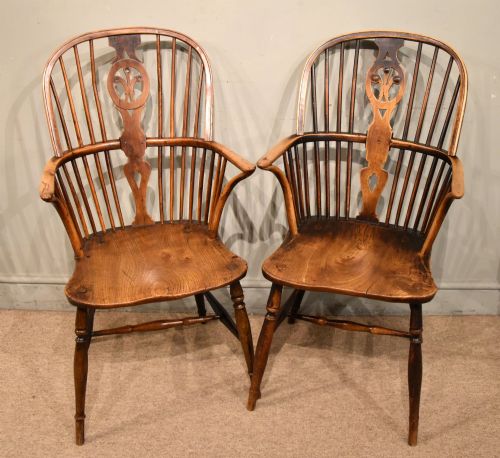
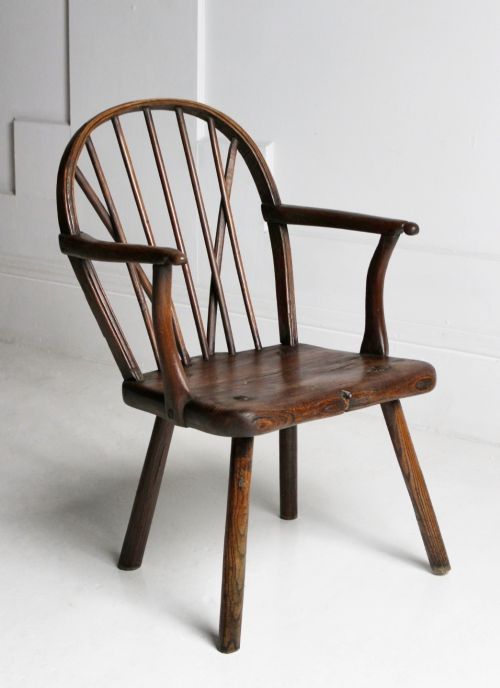
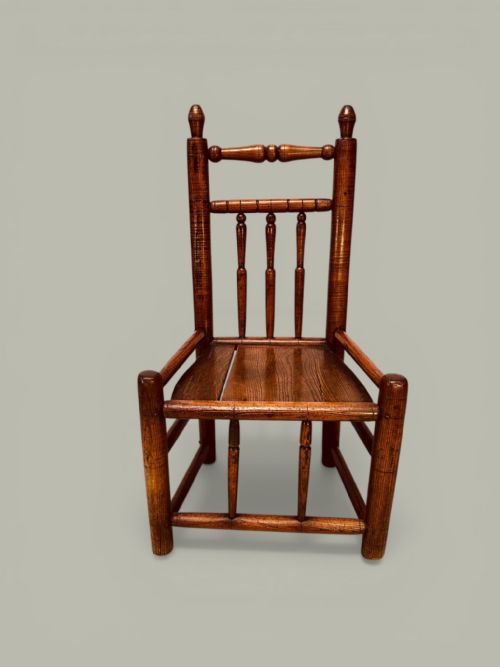
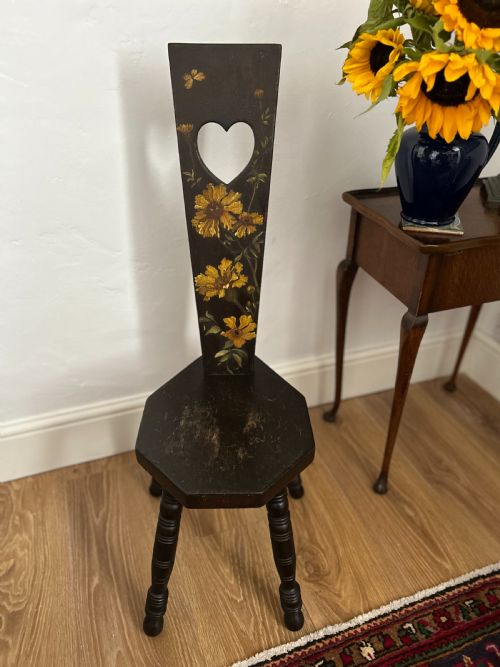
An antique welsh chair encompasses a diverse range of vernacular seating, from robust oak wainscot armchairs dating to the seventeenth century to lighter stick and comb back Windsors made in the Georgian period.
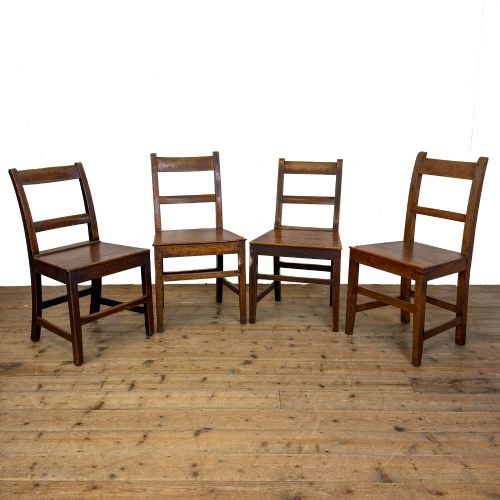
The selections span the seventeenth, eighteenth, and nineteenth centuries, demonstrating both formal panelled construction and primitive country methods.
How They Were Made
Local timbers dictate the construction, combining solid oak for structural frames and panels with flexible ash and elm for bentwood elements, spindles, and seats.
Joinery methods rely on pegged mortise and tenon joints in earlier regional pieces, while Windsor and stick back forms utilise turned legs fitted directly into solid wooden seats.
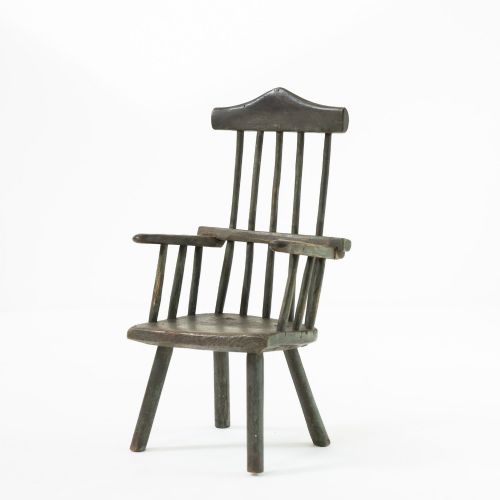
A tiny child's lambing chair kept the youngest family member safely out of the draught by the hearth.
What Varies in Quality
Quality rests upon the integrity of the timber, the balance of proportions, and the survival of original surface patination rather than purely decorative carving.
Examples retaining untouched natural wood surfaces or original hand-painted finishes command greater appreciation than those stripped down or heavily altered through later restoration.
The Antique Welsh Chair Glossary
- Wainscot
- A heavy wooden armchair constructed with panelled backrests and solid seats, typical of the seventeenth century.
- Stick back
- A chair form featuring turned spindles socketed into a solid wooden seat to support the backrest.
- Comb back
- A Windsor variation where the top rail resembles the teeth of a comb, often extended with a high headrest.
- Vernacular
- Everyday domestic objects made by local provincial makers using traditional regional styles and native materials.
- Backstool
- An early term for an upholstered or wooden chair built without arms for domestic dining use.
Antique Welsh Chair: Frequently Asked Questions
How do I date an old Welsh chair?
Dating relies on examining the construction methods, tool marks, and timber species used in the frame. Seventeenth-century examples typically show pegged panelled joinery, while eighteenth and nineteenth-century stick backs employ turned spindles.
Changes in regional style and wear patterns also help establish the approximate decade of production.
What is a vernacular chair?
A vernacular chair is an everyday piece made by local country carpenters rather than urban cabinetmakers. These makers utilised native woods available in their immediate surroundings to fulfill basic domestic needs.
Such chairs reflect regional traditions rather than strict adherence to academic design periods.
Are these chairs comfortable for daily use?
Many sturdy country armchairs and kitchen seats remain practical for daily sitting, provided the joints are stable. However, primitive and child-sized pieces are better suited for light use or display.
Checking the seat height and back angle helps determine suitability for modern comfort.
Why do some chairs have carved details?
Carving on early regional seating usually marks special commission pieces, important household positions, or regional workshops such as those in the Conwy Valley. Simple incised patterns or chip carving added decoration without weakening the primary structure.
Most everyday provincial seating remains unadorned to focus purely on functional strength.