


Rustic Oak Accent Chair
These rustic oak accent chairs combine vernacular construction with sturdy timber frames, offering enduring character to modern spaces.
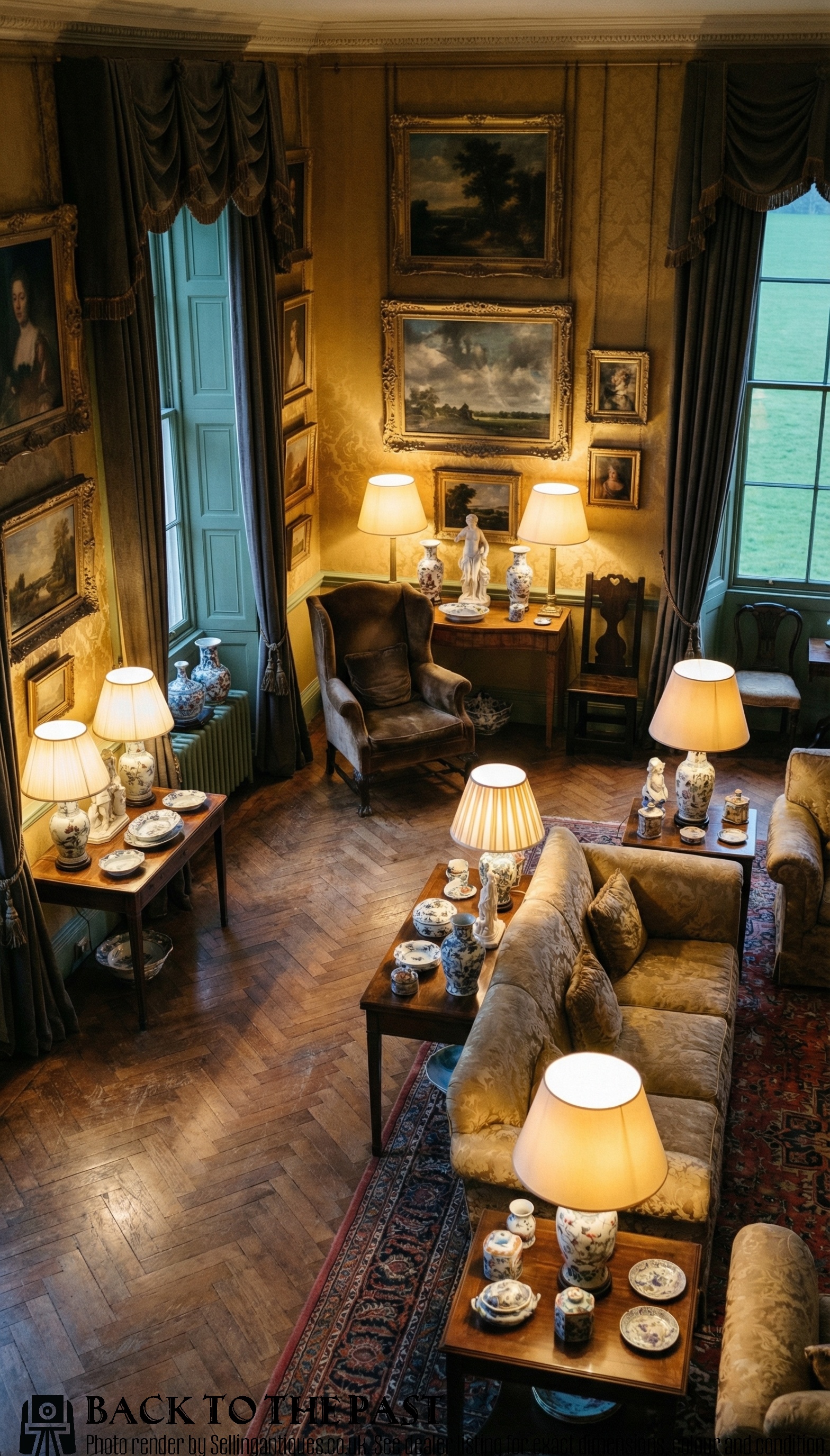
Rustic Oak Accent Chair
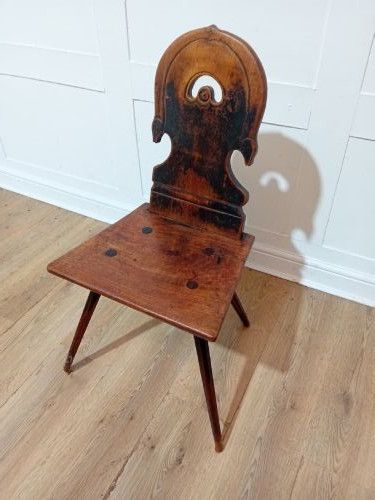
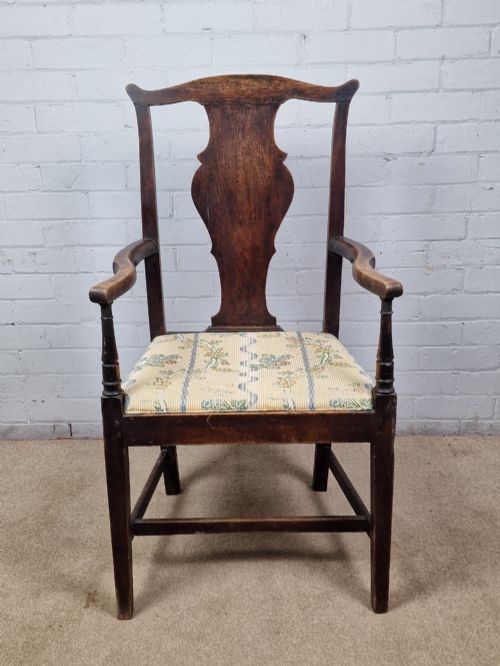
A rustic oak accent chair encompasses a variety of vernacular wooden seating forms originating from the eighteenth and nineteenth centuries, including Windsor armchairs, comb backs, and turned chairs. These pieces reflect English country, Arts and Crafts, and Victorian regional traditions rather than formal court styles.
Originating largely from Georgian and Victorian periods, these chairs bring practical heritage and unpretentious form into contemporary interiors as statement seating.
How they were made
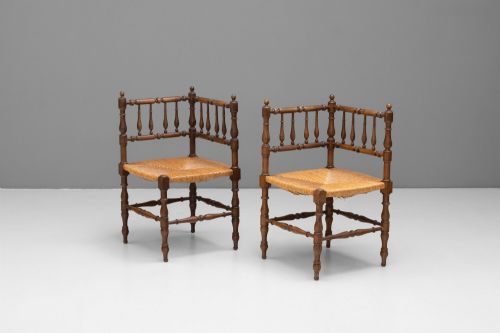
Joiners and country chairmakers utilised solid native timbers, turning structural components on lathes and shaping seats from single slabs of elm or oak. Bobbin turning, spindle work, and stick-back construction provided robust framing without complex metal fasteners.
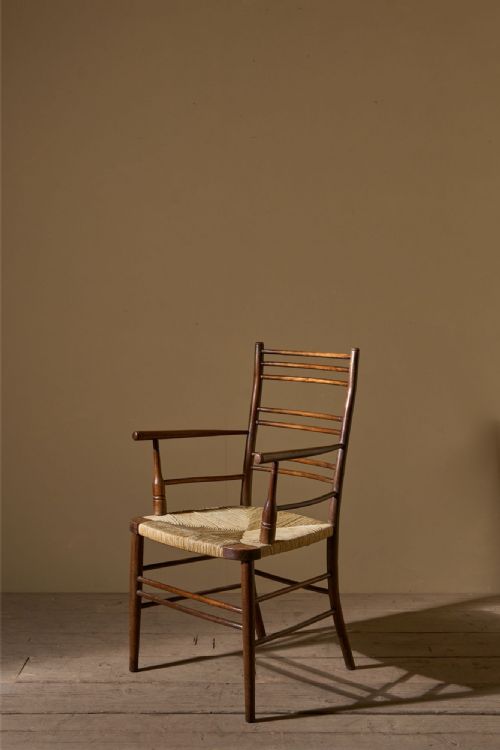
Seats incorporated natural woven rush, carved solid wood, or woven cane, relying on traditional pegged joinery and steam-bending to achieve curved backs and Windsor profiles.
Listings feature periods spanning the eighteenth through the early twentieth centuries, constructed from oak, elm, ash, and beech.
What varies in quality
The distinction between standard vernacular work and superior craftsmanship rests in the depth of hand-carving, the harmony of timber selection, and the crispness of turned members such as bobbin and spindle details. Examples featuring integrated wood combinations or distinctive regional Windsor backs demonstrate higher artisanal input.
Structural integrity depends on the retention of original pegged joints and uncompromised timber surfaces, whereas later alterations or replaced components diminish historical coherence.
The Rustic Oak Accent Chair Glossary
- Bobbin turned
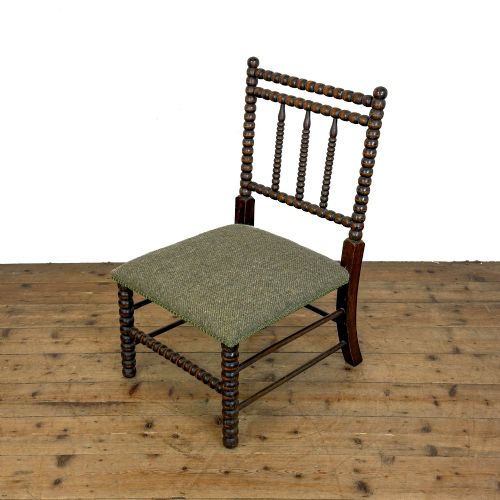
- A style of woodturning characterised by a series of rounded, spool-shaped protuberances resembling bobbins of thread. This technique appears frequently on seventeenth and nineteenth-century country chairs.
- Comb back
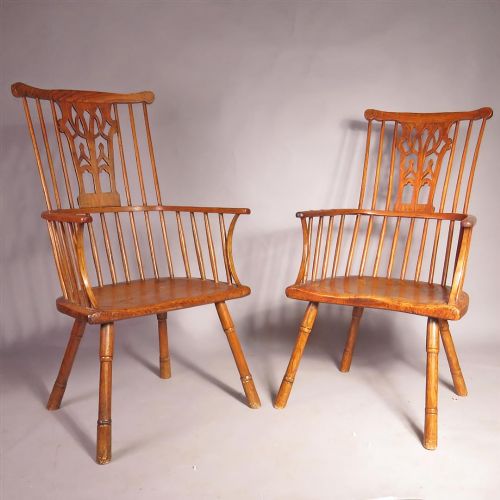
- A Windsor chair variation where the vertical spindles of the backrest extend upward into a horizontal crest rail resembling the teeth of a comb. This form provides distinct ergonomic support.
- Turners chair
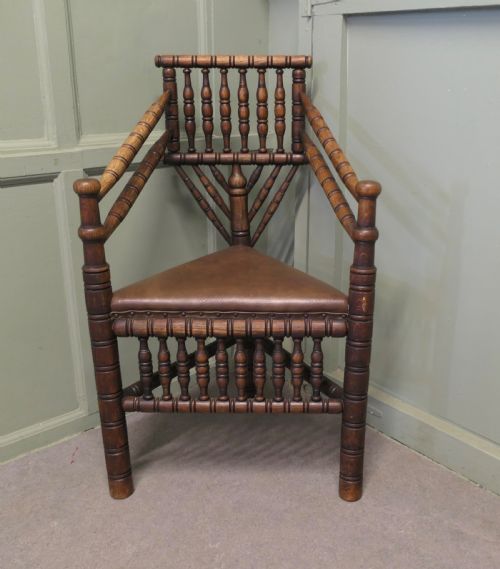
- A heavy, tripartite armchair constructed entirely from turned wooden spindles and members, also known as a cacodaemon chair. These sturdy seats date back to medieval and traditional vernacular forms.
- Rush seat
- A seating surface woven from dried marsh rushes around a wooden frame. This traditional method yields a flexible, textured pad found on country side chairs and Arts and Crafts pieces.
- Backstool
- An early term for a chair without arms, essentially an upholstered or wooden stool fitted with a supportive back. These pieces date back to the eighteenth century and earlier domestic interiors.
Rustic Oak Accent Chair: Frequently Asked Questions
How do I date an antique wooden chair?
Dating relies on examining construction methods, tool marks, timber shrinkage, and joinery style, such as hand-turned spindles or pegged joints.
Comparing the specific chair form against known Georgian and Victorian regional types helps narrow the period of manufacture.
Can I use these chairs every day?
Most rustic wooden chairs are built from solid timbers like oak, elm, and beech, making them remarkably sturdy for daily domestic seating.
Care should be taken with rush or cane seats to avoid excessive moisture and heavy point loads that might damage the organic weaving.
What woods were used in these chairs?
Makers utilised native British hardwoods, combining oak for frames with elm for solid saddle seats and beech or ash for turned spindles.
Some regional variations also incorporate fruitwoods or yew depending on local availability and the specific chair pattern.