




Antique Backstool Chair
An antique backstool chair is a sturdy early seat with a vertical back and no arms, offering solid vernacular character.
Antique Backstool Chair
An antique backstool chair represents a foundational form of seating from the seventeenth century and the Georgian era. These pieces offer an upright wooden back and a padded or solid seat, functioning as early dining or side chairs.
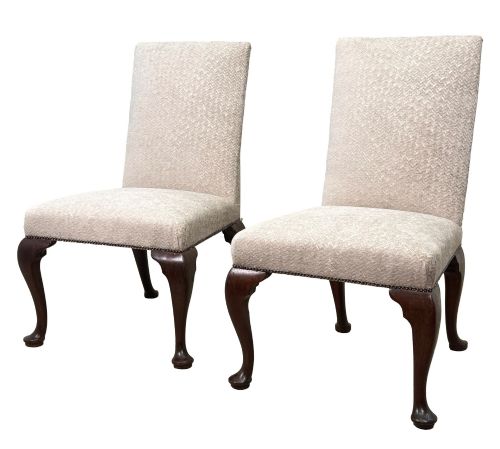
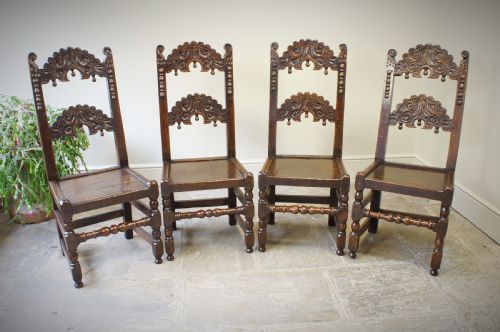
The selections available here lean heavily towards seventeenth century joined oak backstools originating from regions such as Yorkshire and South Yorkshire. Buyers also encounter walnut and mahogany examples from the Georgian period alongside elm versions.
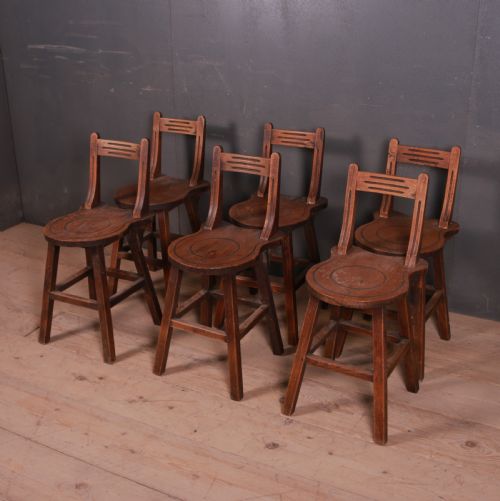
Regional vernacular traditions heavily influence these forms, yielding distinct regional traits in carving and construction. Simpler Welsh and Swiss pieces sit alongside more formal upholstered Georgian pairs.
How they were made
Joinery methods define the earliest examples, relying on pegged mortise and tenon joints to build robust frames from native oak. Carpenters shaped these structural elements by hand, ensuring enduring rigidity without metal fasteners.
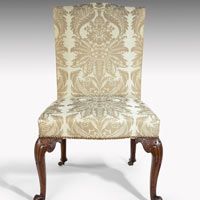
Upholstery techniques evolved over time, transitioning from simple wooden boards to padded seats covered in textiles, tapestry upholstery, and damask fabric. Later Georgian makers employed carved mahogany and walnut, occasionally applying japanned finishes around seventeen hundred.
Listings feature seventeenth-century joined oak alongside walnut and mahogany Georgian examples, incorporating textiles, damask, and tapestry upholstery.
What varies in quality
The integrity of the original timber frame separates standard examples from superior ones, particularly where extensive timber replacement has occurred. Crispness in hand carving, especially on regional Yorkshire and Welsh motifs, distinguishes finer workshops.
Surface preservation dictates the visual success of the piece, with undisturbed patination and original joined construction holding greater interest. The survival of early textile coverings or appropriate period tapestry upholstery elevates the standing of upholstered variants.
The Antique Backstool Chair Glossary
- Backstool
- An early term for a chair with a back but no arms, typically designating seventeenth-century joined seating. This form preceded the widespread adoption of upholstered parlour seating.
- Joined oak
- Furniture constructed using interlocking mortise and tenon joints secured with wooden pegs. This method creates a rigid frame without relying on iron nails.
- Vernacular
- Objects made by local craftsmen for regional use rather than high urban workshops. These pieces display traditional local building traits and native timbers.
- Japanned
- European imitation of East Asian lacquerwork using resin varnishes applied to wooden furniture. This decorative surface technique became fashionable around the year seventeen hundred.
- Tapestry upholstery
- Heavy woven fabric used to cover seat pads and backs on formal chairs. This material adds texture and colour to seventeenth and eighteenth-century seating.
Antique Backstool Chair: Frequently Asked Questions
How were backstool chairs used?
These chairs functioned mainly as dining seats or occasional side chairs in great halls and domestic chambers. Their upright design encouraged a straight posture during meals and formal daily activities.
Because they lacked arms, they could be tucked neatly beneath tables or arranged in sets along panelled walls. Upholstered versions provided extra comfort for prolonged sitting.
How do I identify a seventeenth century backstool?
Seventeenth-century backstools typically feature heavy joined oak frames with pegged mortise and tenon construction. Stylistic markers often include carved strapwork, geometric panels, and turned legs.
Regional pieces from areas like Yorkshire or South Yorkshire display characteristic local carving patterns. The timber should show deep patination and signs of genuine age.
Where were these chairs made?
Backstools were produced across various regions of Britain and Europe by local joiners and cabinetmakers. Regional workshops in Yorkshire, Wales, and Lancashire developed distinct local vernacular styles.
Urban centres produced more refined walnut and mahogany versions during the Georgian period. Swiss workshops also contributed distinct elm variants using local timber traditions.
How do I care for an antique wooden chair?
Keep wooden chairs away from direct heat sources and rapid temperature fluctuations to prevent the timber from splitting. Maintain a stable indoor humidity level to protect both the dry wood and any historic joinery.
Apply gentle beeswax sparingly to nourish the surface without building up sticky residue. Avoid harsh chemical cleaners that can strip the historic patination from the oak or walnut.