
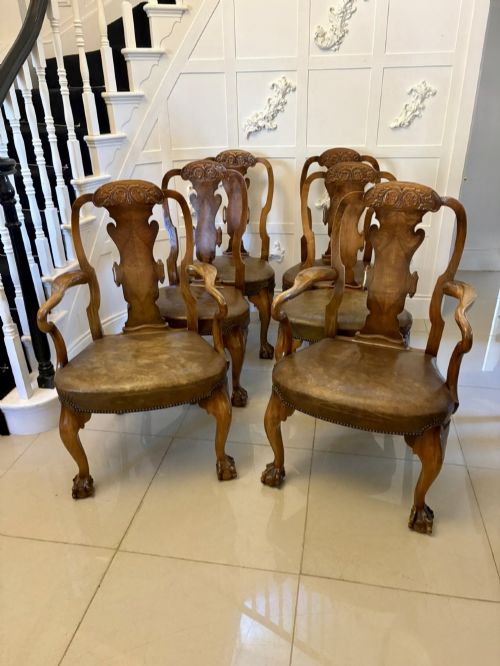
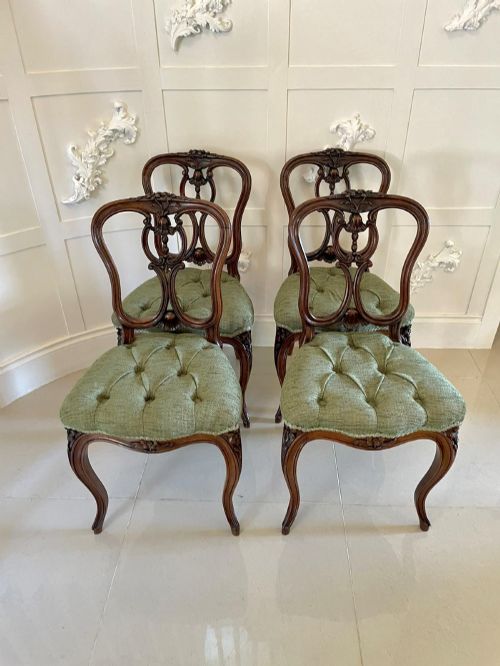


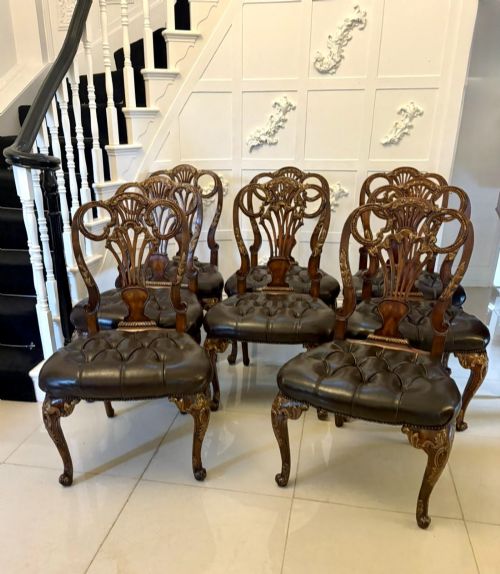
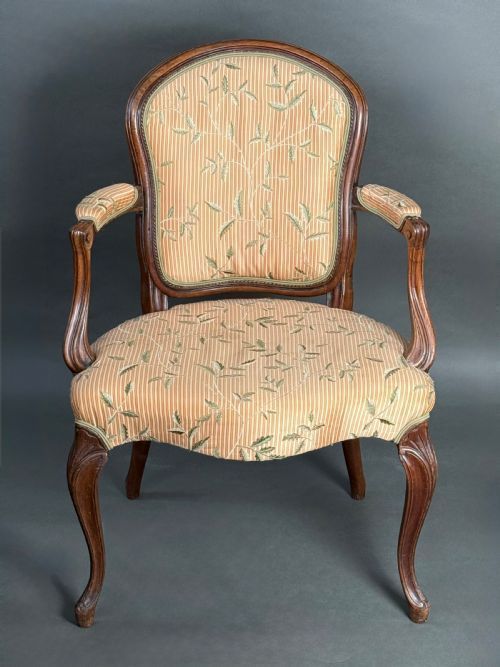
Walnut Cabriole Chair
When you search for a walnut cabriole chair, you are looking for timber seating raised on curved, graceful legs ending in disciplined terminals.
Walnut Cabriole Chair
A walnut cabriole chair spans multiple centuries of furniture making, appearing across the 18th, 19th, and early 20th centuries. These forms include dining chairs, side chairs, armchairs, and library seating.
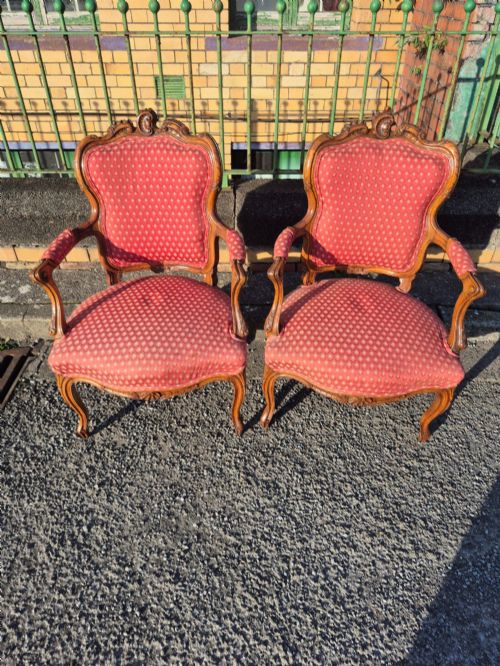
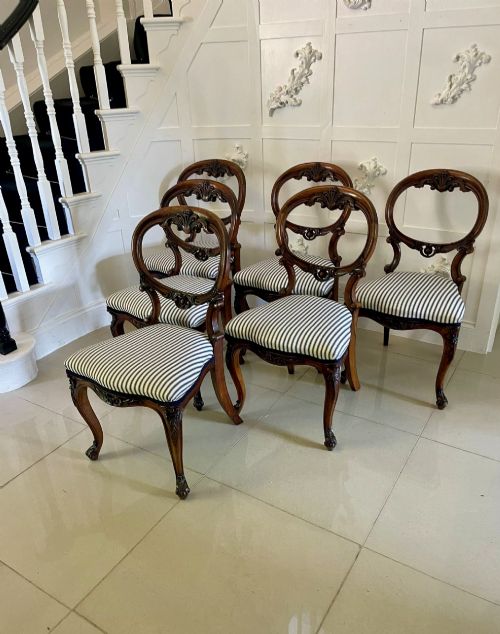
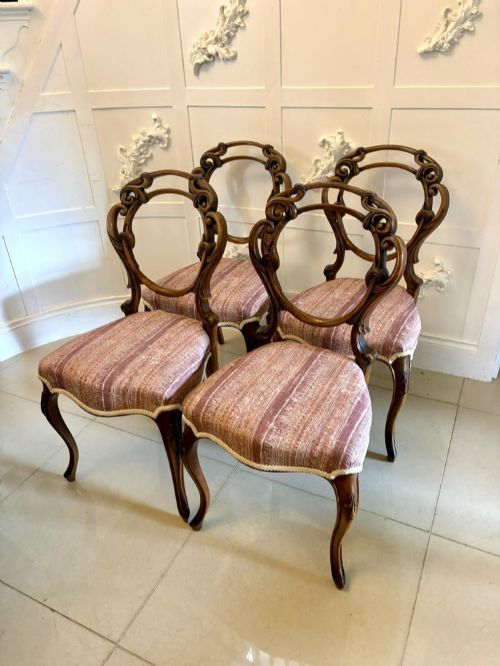
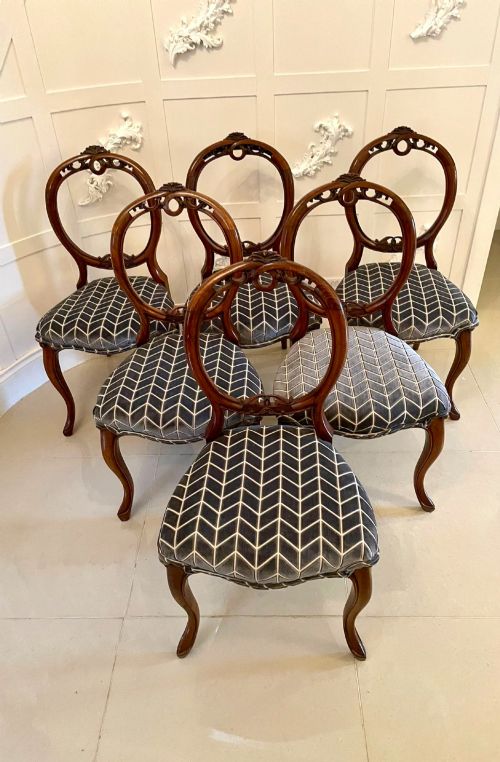
The Victorian era contributes heavily to this selection, often manifesting as balloon-back or spoon-back salon and parlour seating. Earlier examples from the 18th century anchor the tradition with Georgian and Queen Anne forms.
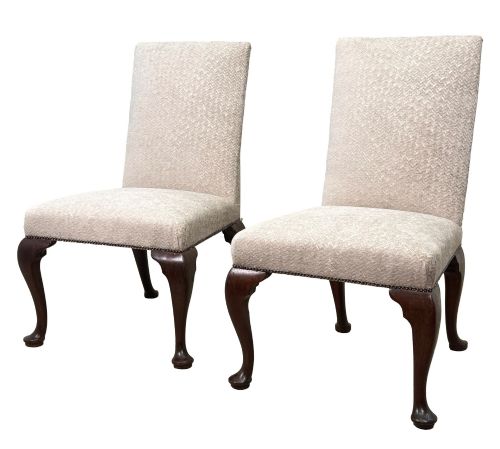
Revival styles from the Edwardian period and the 1920s also populate the listings, frequently adopting earlier Queen Anne or George II aesthetic idioms in their construction.
How they were made
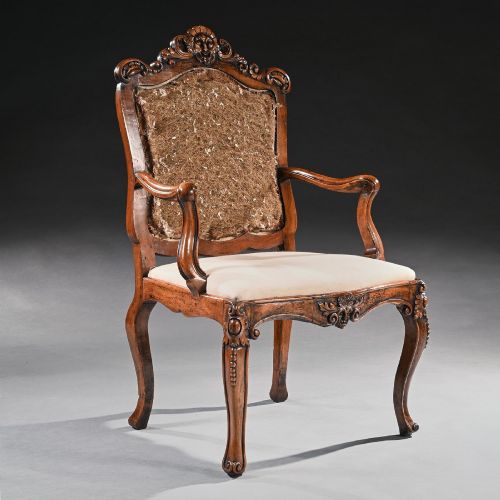
Makers utilised solid walnut and burr walnut for framing, often selecting timber that displayed rich grain patterns and deep warm tones. Carved details on knees and crest rails show the manual labour of period artisans.
Upholstery relies on traditional textiles, incorporating velvet, damask, leather, and fabric, sometimes finished with brass detailing. Interior stuffing methods varied by decade, from period horsehair to later spring units.
Listings feature walnut frames paired with diverse textiles, including damask, leather, needlepoint tapestry, and velvet.
What varies in quality
The crispness of the carved ornament on the knee of the leg separates standard production from superior examples. Sharp lines and balanced proportions indicate a more skilled hand in the workshop.
The choice of timber grain, particularly the selection of figured burr walnut veneers over plain stock, alters the visual weight of the frame. Original upholstery schemes and untouched timber surfaces also elevate the standing of a piece.
Charles Tozer
The Walnut Cabriole Chair Glossary
- Cabriole leg
- A furniture leg that curves out at the knee and tapers in toward the foot, imitating an animal's curving limb. This form gained widespread popularity during the early 18th century.
- Queen Anne style
- A design movement characterised by curved lines, pad feet, and restrained ornamentation on walnut timber. It experienced significant revivals in the late 19th and early 20th centuries.
- Balloon back
- A rounded, continuous backrest shape popular on Victorian dining and occasional chairs. This curved wooden frame often supports button-tufted or plain upholstery.
- Spoon back
- A padded chair back hollowed to resemble the bowl of a spoon, fitting the human spine. This silhouette is frequently found on mid-19th-century salon seating.
- Wing armchair
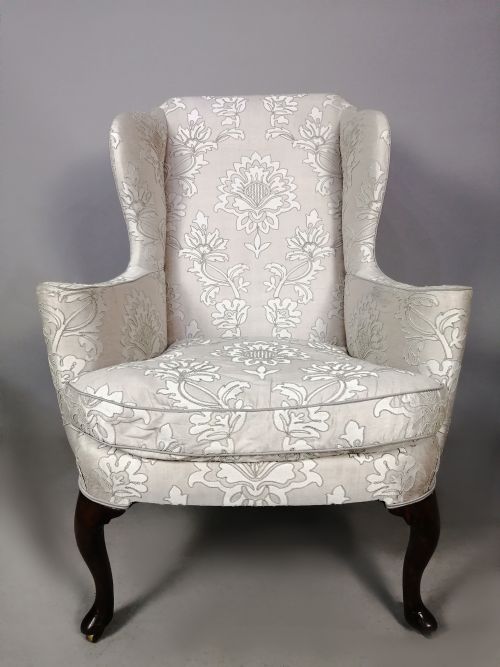
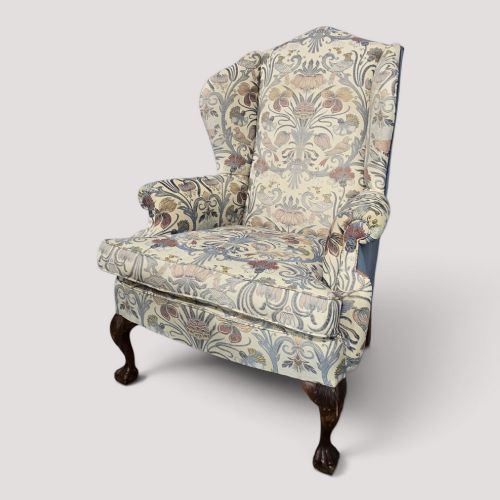
- An upholstered seat featuring protective side panels designed to shield the user from draughts. These deep-seated chairs often rest on walnut cabriole supports.
Walnut Cabriole Chair: Frequently Asked Questions
What is a cabriole leg?
A cabriole leg is a shaped furniture support that curves outward at the knee and inward at the ankle. It frequently terminates in a pad, claw and ball, or plain foot.
Originating in ancient China, this profile spread through European design during the late 17th century and remains a defining trait of Georgian and Queen Anne furniture.
How do I date a walnut chair?
Dating relies on observing construction methods, joinery marks, and the specific styling of the wood carving. Examining the wear beneath the seat rails often reveals age.
Comparing the silhouette against documented 18th-century forms and later 19th-century Victorian interpretations clarifies whether a piece is period or a revival.
Are these chairs suitable for daily use?
Period walnut seating is structurally robust, though older joints require periodic inspection to ensure stability during regular sitting. Many examples function well in modern dining and living spaces.
Care should be taken to protect antique upholstery fabrics from direct sunlight and heavy wear to preserve their original condition.
What is burr walnut?
Burr walnut is a specialised wood veneer harvested from the growths or burrs on walnut trees. It yields complex, swirling grain patterns highly prized by cabinet makers.
This material appears primarily on high-end Victorian dining sets and occasional furniture to create decorative visual contrast on flat surfaces and frames.