




Provincial Oak Armchair
A provincial oak armchair brings robust vernacular character to a room, offering sturdy timber frames and time-worn patinas that command attention.

Provincial Oak Armchair
When buyers search for a provincial oak armchair, they seek rustic seating solutions rooted in regional traditions rather than formal court aesthetics. These pieces span centuries of rural craftsmanship, originating from English and French countryside workshops.
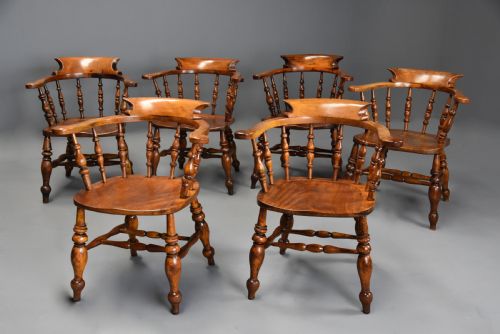
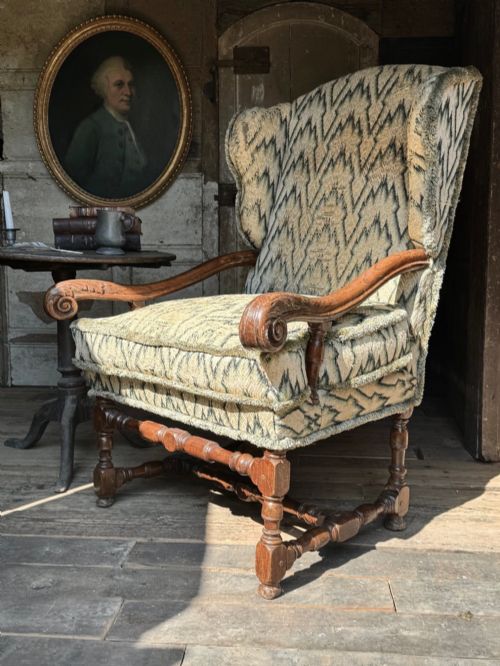
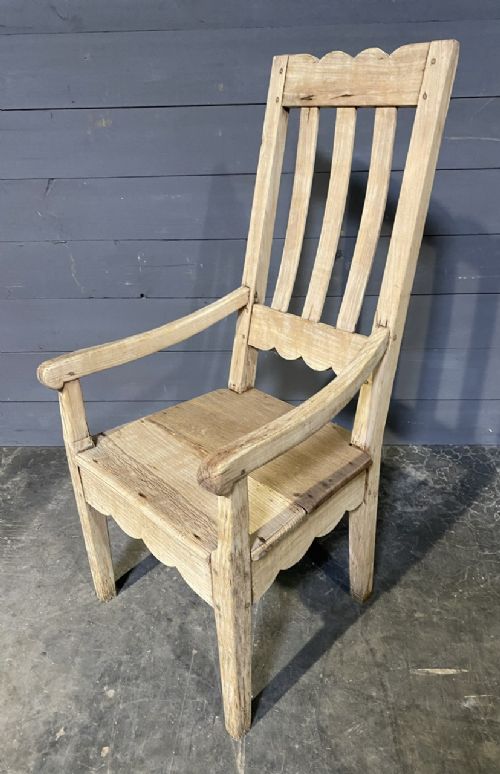
The selections available here range from early eighteenth-century wingbacks and George III country house examples to nineteenth-century smokers' bows and French country styles. Forms include large carved armchairs, caned bergères, and rush-seat ladder backs.
Makers constructed these chairs for practical daily use in farmhouse kitchens, libraries, and country parlours. Their regional variations reflect local preferences for turned spindles, solid plank seats, and carved crest rails.
How they were made
Cabinet makers and local joiners relied primarily on solid oak, complemented by elm, beech, and hardwood for secondary framing or turned components. Timber selection depended on regional woodland resources and the structural demands of the chair.
Joinery methods involved mortise and tenon construction, pegged joints, and steam-bent elements for Windsor bows and curved armrests. Seats frequently featured woven rush or solid wood planks, occasionally upholstered in velvet, textile, or fabric.
Provincial Oak Armchair Retail Price Guide 2026
Typical asking prices for provincial oak armchair among the pieces listed under this phrase on Sellingantiques today, from the lower quarter to the upper quarter. They describe what is for sale here now, not the wider market.
Several chairs come equipped with rush seats ready to support centuries of further daydreams.
What varies in quality
Quality rests in the integrity of the timber and the depth of the natural patina accumulated over generations of use. Superior examples retain their original structural joints and uncompromised proportions without excessive timber replacement.
Carving execution separates standard regional output from exceptional vernacular art. Crisp detailing on crest rails and well-turned legs indicate a maker with higher skill and local renown.
The Provincial Oak Armchair Glossary
- Wingback
- An upholstered armchair with side panels designed to shield the sitter from draughts. These deep wings frame the upholstered back and arms.
- Smokers bow
- A nineteenth-century low-backed Windsor chair featuring a turned spindle rail above a solid wooden seat. It derives from captain and smoker chair traditions.
- Bergère
- An enclosed armchair with an upholstered back and armrests built into a wooden frame. Caned panels frequently form the back and sides.
- Rush seat
- A seating surface woven from dried marsh rushes around a wooden frame. This technique provides a resilient and traditional foundation for country chairs.
- Ladder back
- A chair back featuring multiple horizontal arched slats between the upright posts. This form appears frequently in regional kitchen and dining chairs.
Provincial Oak Armchair: Frequently Asked Questions
Are these chairs comfortable for daily use?
Many provincial armchairs offer generous proportions and supportive wooden or upholstered backs suited for relaxing. Deep seats and substantial armrests provide practical comfort.
Specific models like wingbacks and smokers bows were specifically engineered for extended sitting. Adding cushions can further adapt historic seating to modern comfort standards.
How do I care for antique oak furniture?
Maintain oak surfaces by dusting with a dry cloth and applying occasional natural wax to nourish the timber. Avoid placing chairs near direct heat sources or strong sunlight.
Keeping humidity levels stable prevents the solid wood and traditional joints from drying out or splitting over time.
What is the difference between English and French provincial styles?
English country chairs often emphasise sturdy utility, featuring turned elm spindles, rush seats, and simpler geometric forms. French regional pieces frequently display more fluid carved lines and cabriole legs.
Both traditions utilise local hardwoods, but stylistic details reflect the distinct cabinet-making heritage of their respective rural regions.
How can I date an oak armchair?
Dating relies on examining tool marks, construction methods, hardware, and stylistic shifts across periods like the Georgian era or the nineteenth century. Hand-cut peg joints and irregular saw marks point towards earlier craftsmanship.
Comparing the turning patterns on legs and stretchers with documented regional styles helps narrow down the probable decade of manufacture.