


Antique Wedgwood China
These pieces of antique wedgwood china bring together centuries of refined ceramic art, offering intricate painted details and rich decorative glazes that collectors prize.
Antique Wedgwood China
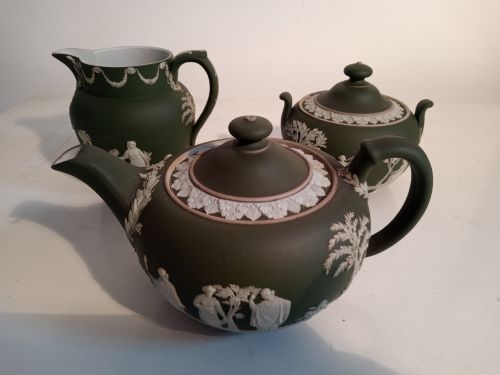
When you search for antique wedgwood china, you encounter a diverse selection ranging from tea sets and cabinet plates to decorative bowls and figurines. The selection includes items spanning the nineteenth century through the Edwardian period and the early twentieth century.
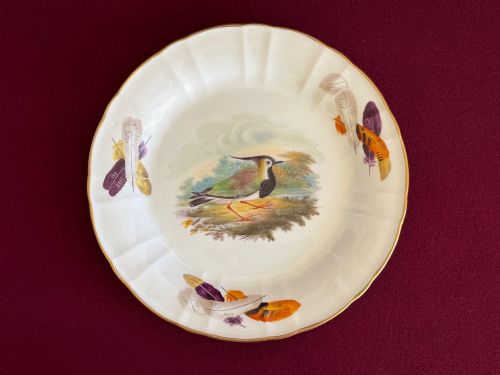
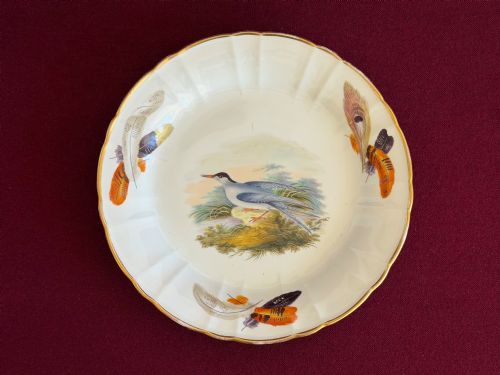
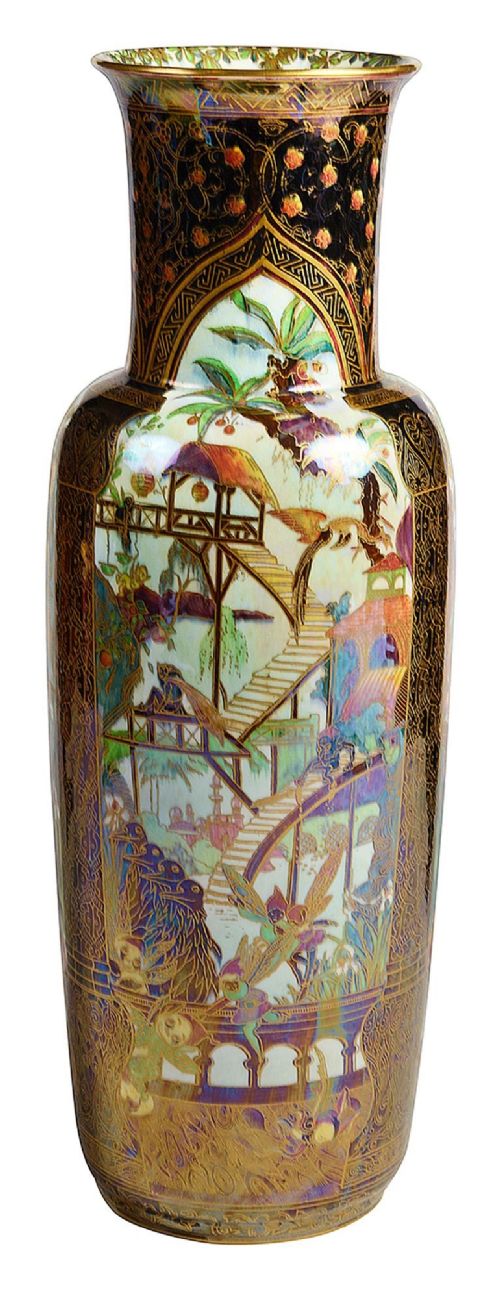
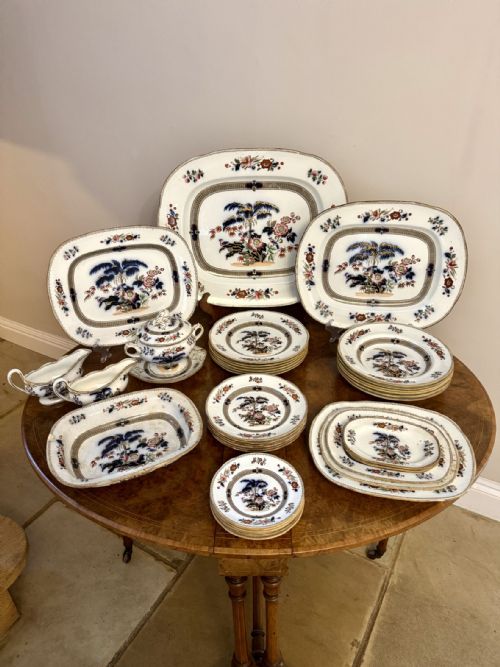
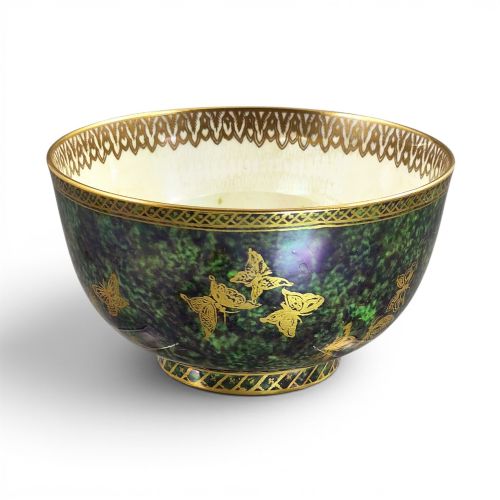
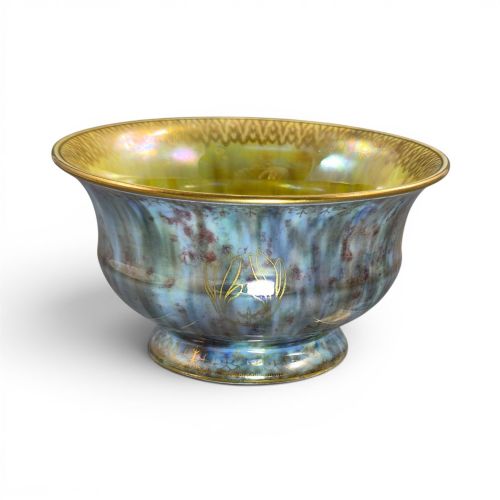
Decorative bowls and lustre vases designed by Daisy Makeig-Jones dominate the twentieth-century offerings on this page. Alongside these, you find nineteenth-century creamware and bone china dinner services featuring hand-painted botanical and bird motifs.
How they were made
Makers utilised bone china, earthenware, and creamware as the primary ceramic bodies for these items. Potters shaped these materials into functional dinner services and ornamental vessels before applying glazes.
Artisans decorated the surfaces using hand-painted pigments, enamel, and gold leaf. Lustre glaze techniques created iridescent finishes, particularly on pieces featuring fantasy and animal motifs.
Listings feature items from the Regency, Victorian, and Edwardian periods, utilising bone china, creamware, and lustre glazes.
What varies in quality
The precision and complexity of the hand-painted decoration dictate the distinction between standard wares and exceptional examples. Hand-painted botanical plates and detailed figural scenes demonstrate superior artistic execution compared to simpler transfer-printed items.
The sophistication of the glazing technique also defines the standard of the piece. Standard glazes contrast with the intricate, multi-layered effects found on specialised lustre and Fairyland wares.
Daisy Makeig Jones·James Hodgkiss
The Antique Wedgwood China Glossary
- Bone china
- A type of soft-paste porcelain containing bone ash, known for its high strength and milky white appearance. It provides a smooth surface ideal for fine painted details.
- Creamware
- A refined earthenware developed in the eighteenth century with a pale yellow or cream-coloured hue. It served as a versatile canvas for botanical and landscape painting.
- Lustre glaze
- A ceramic glaze containing metallic oxides that produce an iridescent or pearlescent sheen upon firing. This technique creates shimmering surface effects.
- Fairyland lustre
- A distinctive line of ornamental ceramics featuring fantastical motifs and rich, colourful glazes. These pieces often incorporate elaborate gilding and miniature scenes.
Antique Wedgwood China: Frequently Asked Questions
What periods do these pieces cover?
The inventory spans the nineteenth century through the Edwardian era and into the early twentieth century. Pieces from the Regency period and the 1920s also appear.
This broad chronological range encompasses various stylistic movements, including Art Nouveau, Art Deco, and Victorian Neoclassical designs.
How do I identify Fairyland lustre?
Fairyland lustre wares typically feature imaginative scenes with goblins, imps, and mythical creatures set against rich, colourful backgrounds. They often include extensive gold leaf detailing.
These pieces were largely designed by Daisy Makeig-Jones during the early twentieth century and frequently take the form of octagonal or circular bowls and vases.
What forms do dinner services take?
Dinner services comprise matching components such as cabinet plates, shaped dishes, and part dinner sets. Botanical illustrations and bird motifs frequently decorate these sets.
Earlier nineteenth-century examples often showcase hand-painted dessert services and creamware dinnerware intended for formal dining.
How should I care for antique china?
Hand washing in warm water with a mild detergent preserves the delicate hand-painted details and gold leaf. Avoid soaking pieces or placing them in dishwashers.
Display items away from direct sunlight to prevent fading of the enamel colours and lustre glazes over time.