



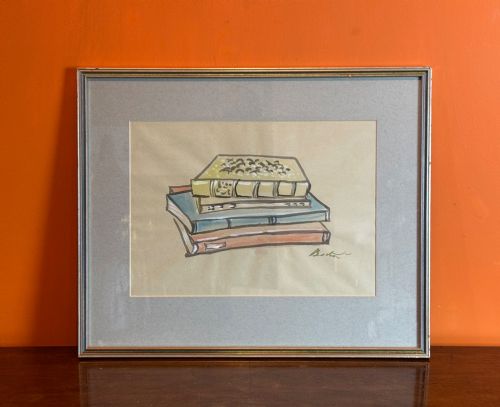
Antique Watercolour Print
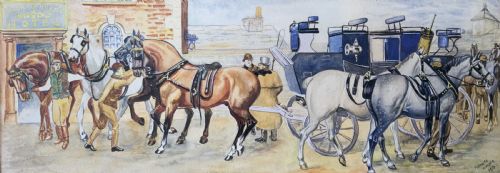
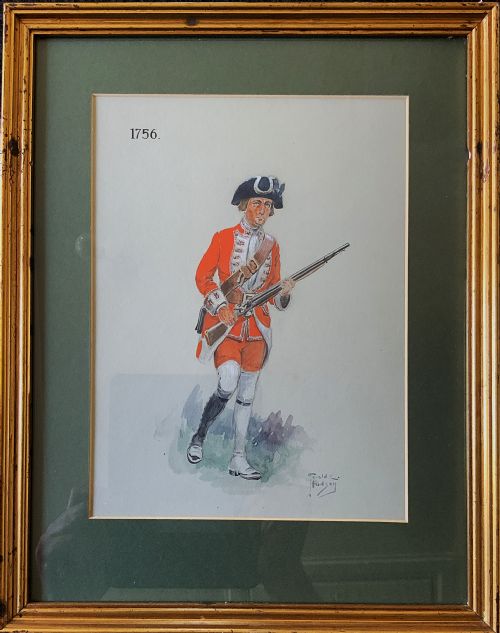
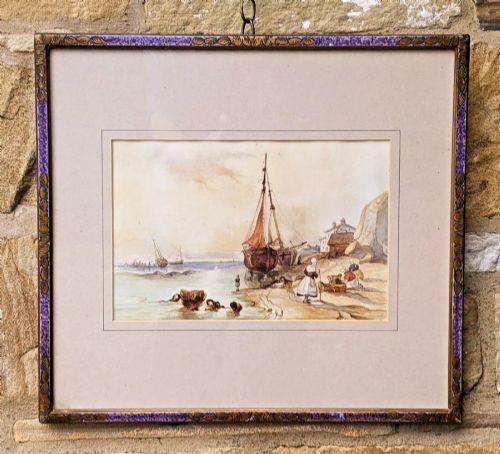
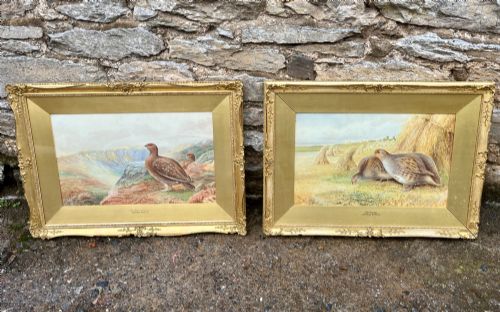
An antique watercolour print brings together hand-painted pigment and printed line from past centuries to offer intimate glimpses of domestic gardens, grand estates, and distant shores.
Antique Watercolour Print
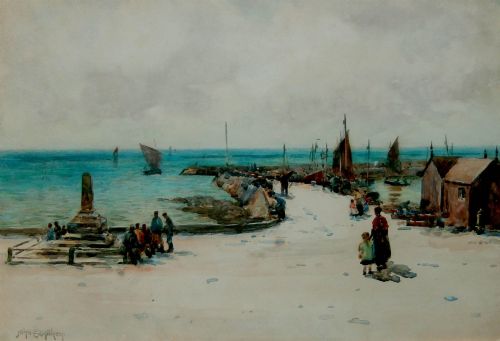
The most common forms are framed original paintings on paper, alongside hand-coloured lithographs and aquatint prints that combine ink outlines with delicate washes of pigment. These pieces originate largely from British and European schools, capturing specific historical moments through the eyes of period artists and draftsmen.
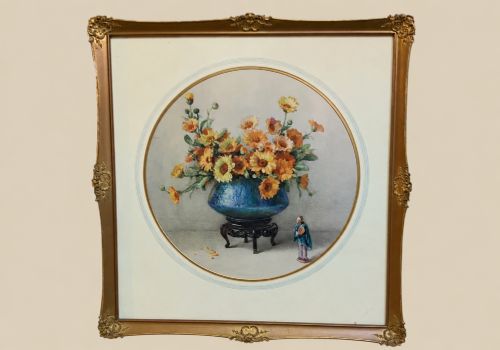
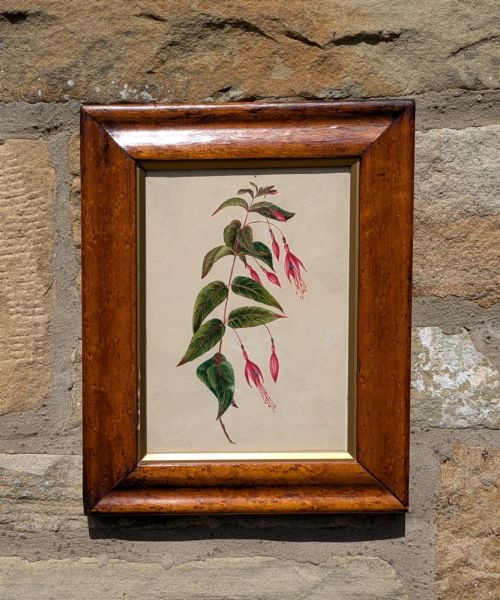
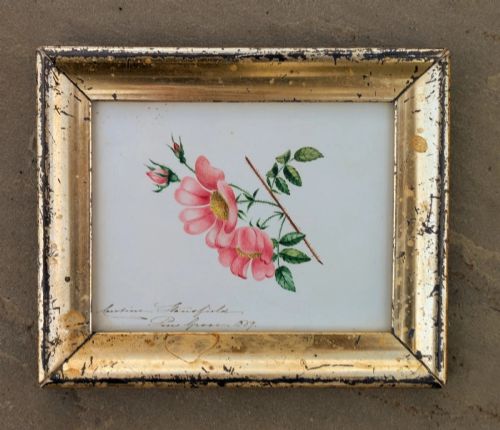
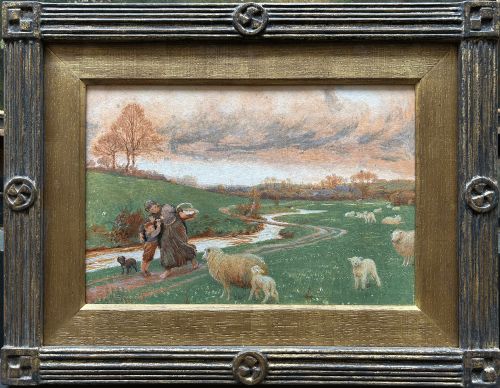
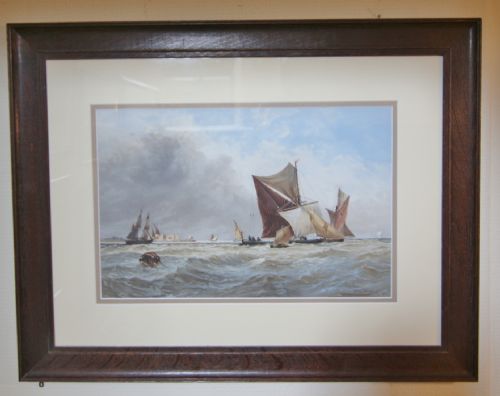
Framed artwork dominates the offerings, often presented behind glass in period timber enclosures such as rosewood, oak, ebonised wood, or gilt frames with deep mounts. The visual character relies on the interplay between paper supports and water-soluble pigments, sometimes enhanced with gouache and pencil details.
Materials and execution
Makers applied watercolour pigment, ink, and gouache onto paper supports, occasionally utilising pencil for foundational sketches before laying down washes of colour. For reproduced compositions, print techniques like lithography and aquatint provided the foundational lines that workers then hand-coloured.
Framing materials reflect the preferences of nineteenth and early twentieth-century makers, employing wood, glass, and gilt wood to protect and display the delicate works on paper. These housings frequently utilise deep giltwood mounts and ebonised mouldings to frame the pictorial space.
Listings span from the 18th century through the Regency, Victorian, and Edwardian eras up to the 1940s, featuring paper, glass, wood, and watercolour pigment.
Distinguishing quality across periods
The strength of a piece rests upon the surety of the initial ink or pencil draughtsmanship and the preservation of the watercolour pigment beneath the glass. Skill in handling washes without muddying the paper separates master works from routine commercial output.
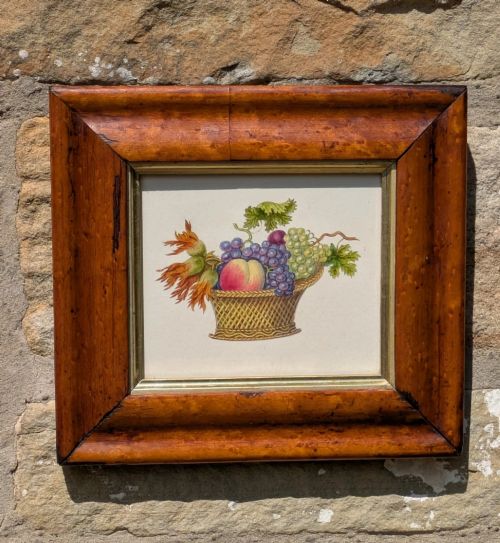
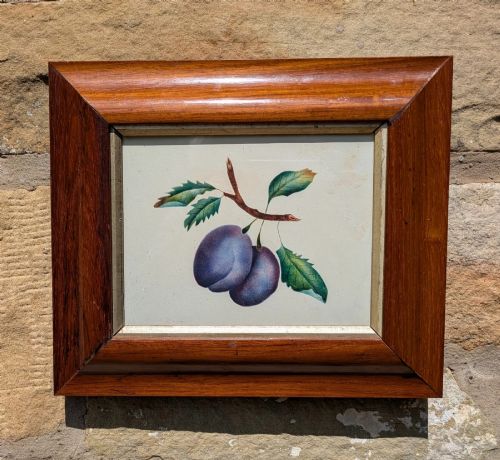
The integrity of the original frame, whether rosewood, oak, or gilt wood, contributes significantly to the overall standing of the object. Works that retain their contemporary mounts and untouched timber enclosures command greater appreciation.
Alfred Young Nutt·John E Aitken·Carl Haag·Frederick Walker·TB Hardy·George Rankin·Ralston Gudgeon·Warwick Goble·George F Pennington·James William Booth·Arthur Hopkins·John Atkinson·Thomas Sutherland
The Antique Watercolour Print Glossary
- Watercolour
- A paint consisting of a pigment suspended in a water-soluble vehicle. It is traditionally applied to paper to create transparent layers of colour.
- Gouache
- An opaque watercolour paint made by mixing pigment with a heavier, binding white agent. This medium allows for solid, light-reflecting highlights in period illustrations.
- Aquatint
- A intaglio printmaking technique that produces areas of tone resembling watercolour washes. It was frequently used for sporting and topographical prints before receiving hand-colouring.
- Lithograph
- A planographic print made from a stone or metal plate, often used for mass production before artists added manual tinting in watercolour.
- Gilt wood
- Wood that has been coated with a thin layer of gold leaf or gilt paint. This finish appears frequently on nineteenth-century picture frames.
Antique Watercolour Print: Frequently Asked Questions
How should I hang an antique watercolour?
Keep works on paper away from direct sunlight to prevent the watercolour pigments from fading against the paper ground.
Ensure rooms maintain stable humidity levels to protect both the historic paper and the wooden frames from warping.
Are these works hand painted or printed?
Many listings combine original brushwork with ink lines, while others feature hand-coloured lithographs or aquatint prints.
Examining the surface closely reveals whether the pigment sits as an original brush stroke or fills a printed outline.
What framing styles are common?
Period pieces frequently appear in rosewood, oak, ebonised wood, or gilt wood frames with deep mounts.
These surrounds often date from the same Victorian, Edwardian, or Regency eras as the artwork within.
How do I identify Victorian examples?
Victorian pieces often display characteristic subjects like maritime views, botanical studies, or sporting art executed on paper.
Signatures, framing materials, and nineteenth-century paper types help confirm the period of origin.