
Victorian Lithograph Art
These pieces of victorian lithograph art capture a fascinating range of nineteenth-century life, bringing rich colour and historic character to modern interiors.
Victorian Lithograph Art
Victorian lithograph art encompasses a wide variety of printed paper works produced during the nineteenth century and surrounding decades. When exploring victorian lithograph art, buyers encounter everything from advertising posters and magazine supplements to detailed natural history plates and architectural plans.
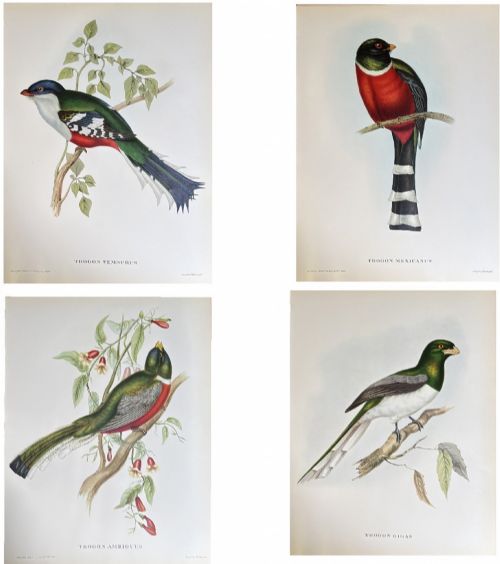
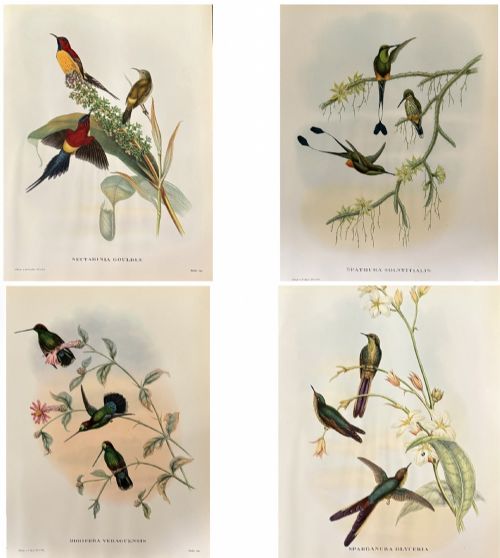
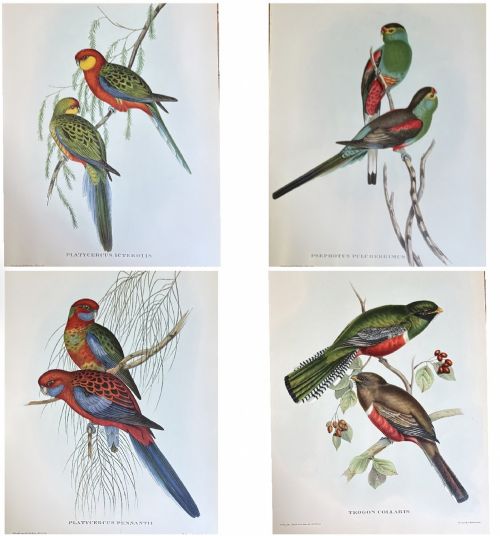
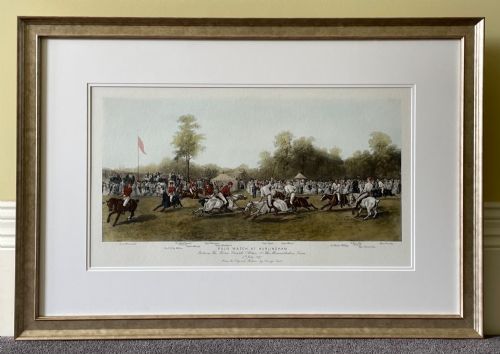
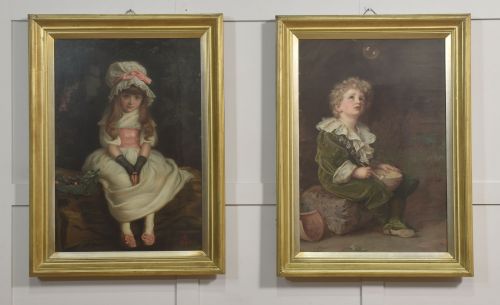
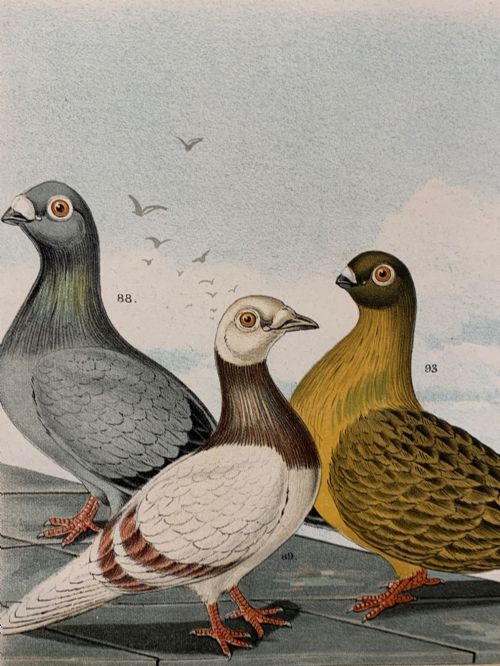
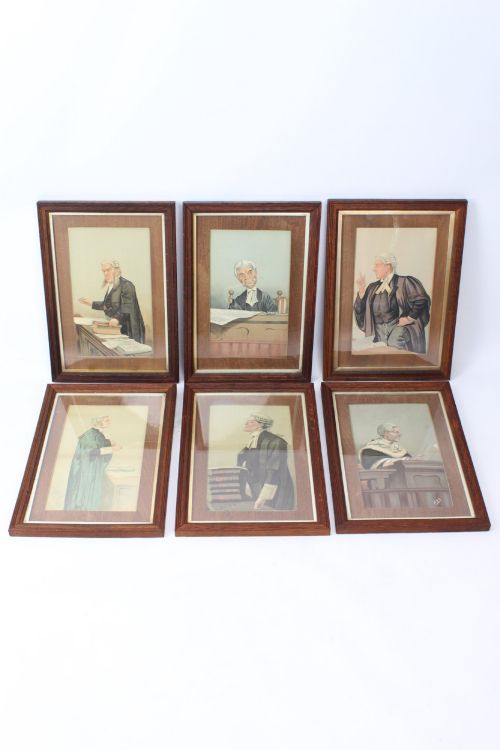
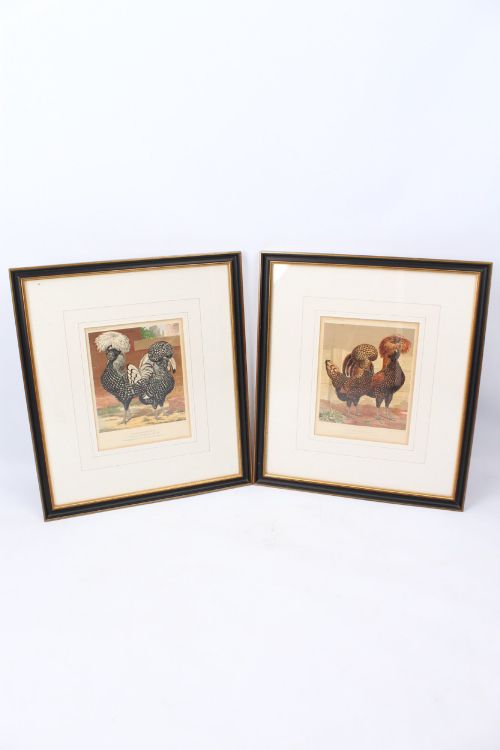
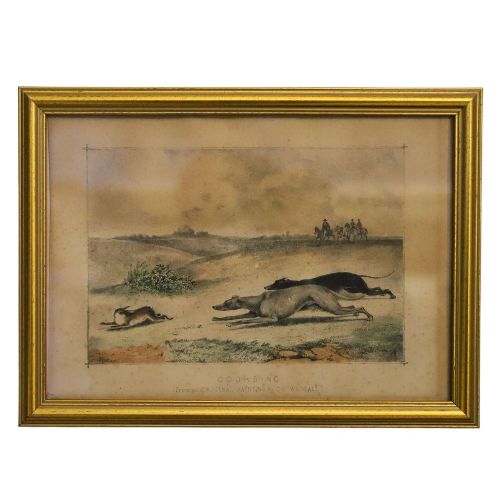
The selections available include familiar recurring forms such as Vanity Fair caricature prints, Pears soap promotional plates, and framed groupings of birds, animals, and sporting scenes. These prints bridge the gap between mass production and fine art, offering historical narrative alongside visual appeal.
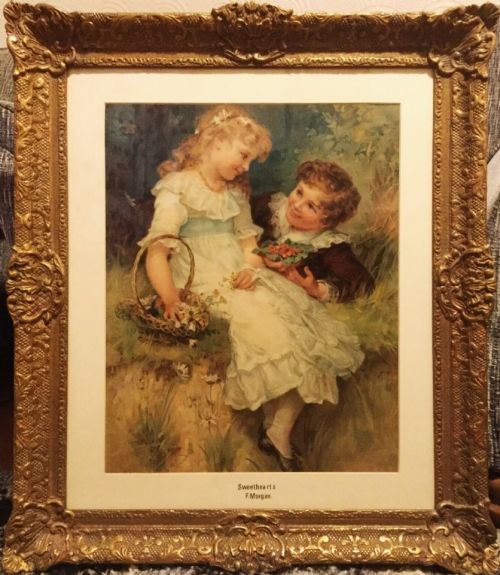
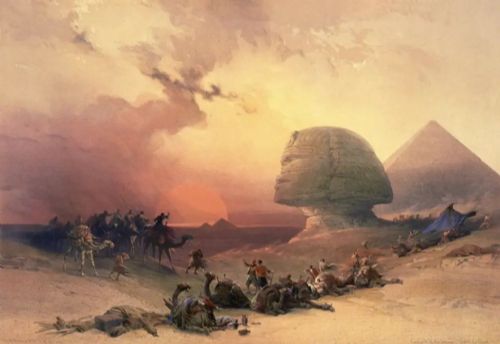
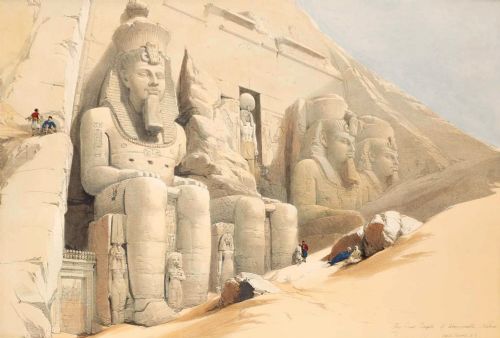
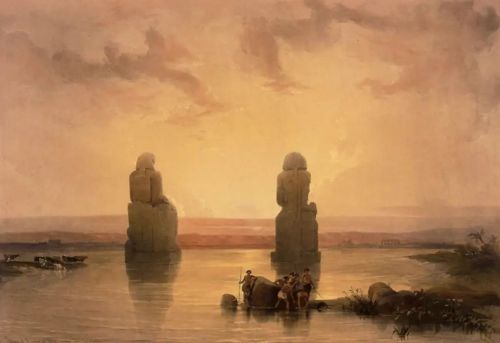
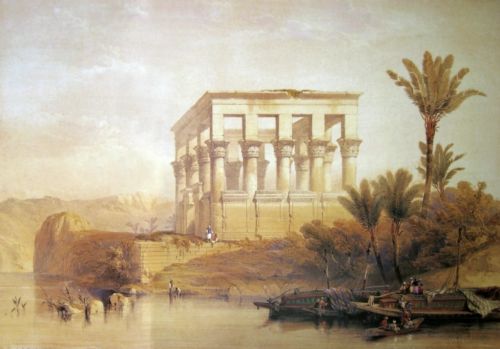
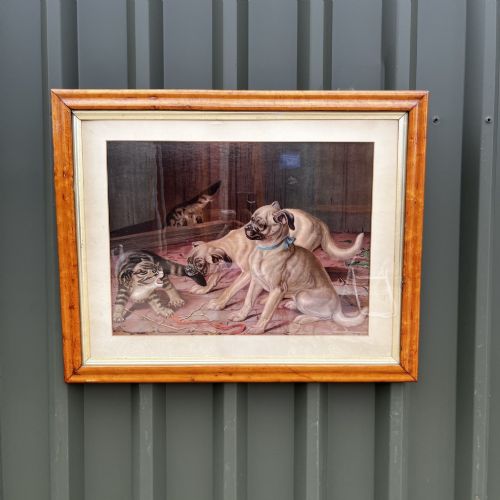
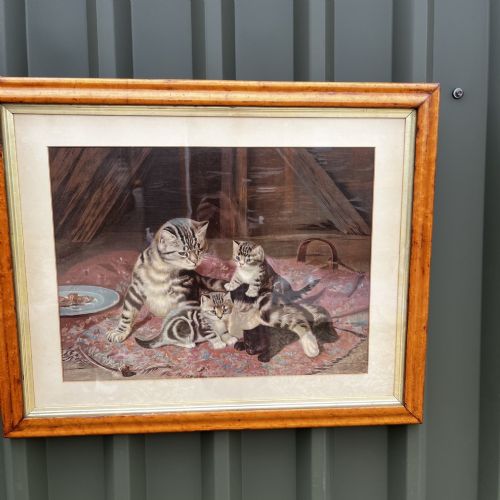
Subjects range from Orientalist desert landscapes and domestic animal studies to theatrical scenes and portraits of notable public figures. Most examples arrive mounted in period frames, often utilising gilt wood or simple timber surrounds that complement the printed surface.
Assessing Quality and Execution
Quality in these prints rests primarily upon the registration of the ink colours and the crispness of the original stone drawing. Finer impressions maintain sharp lines and subtle tonal gradations, whereas lesser examples suffer from muddy colours or blurred outlines.
The condition of the paper and the presence of original framing materials significantly influence desirability. Pieces retained within contemporary frames with original glass demonstrate a higher degree of historical integrity compared to later remounted items.
Listings feature paper, ink, and gold leaf elements set within various timber and gilt wood frames from the nineteenth and early twentieth centuries.
David Roberts·Horatio Henry Couldrey·C. H. Weigall·Louis Haghe·Charles Edward Wilson
The Victorian Lithograph Art Glossary
- Chromolithography
- A planographic printing process capable of producing multi-coloured images using a separate stone for each ink colour. This technique allowed publishers to mass-produce vivid colour prints that imitated oil paintings.
- Spy
- The pseudonym used by caricaturist Leslie Ward for his prominent portrait illustrations published in Vanity Fair magazine. These satirical figures remain highly collectable examples of late-nineteenth-century print culture.
- Giltwood
- Timber that has been coated with a thin layer of gold leaf or gold paint. Frames utilising this finish were common for displaying important prints in domestic interiors.
- Orientalism
- An artistic style depicting scenes, peoples, and landscapes of the Middle East and North Africa. Nineteenth-century artists frequently travelled to these regions to gather visual source material for later publication.
- Planographic
- A printing technique from a flat surface, such as limestone, treated so that the ink adheres only to the design areas. Lithography is the principal method of this category.
Victorian Lithograph Art: Frequently Asked Questions
How should I frame these prints?
Most antique prints benefit from conservation-grade framing that keeps the paper away from the glass to prevent moisture damage. Traditional timber or gilt frames often match the aesthetic of the period.
Using acid-free mounts ensures the paper remains stable over time while preserving any marginal text or publishing details.
Were these printed in colour originally?
Many nineteenth-century works were produced in black and white and then hand-coloured using watercolour washes by workshop assistants. Others utilised chromolithographic presses to layer multiple ink colours directly onto the paper during production.
Close inspection under magnification often reveals whether colour was applied by lithographic stone dots or by a brush.
How do I care for lithographs?
Display printed works away from direct sunlight to prevent the ink and paper from fading over time. Maintaining stable indoor humidity levels also protects the paper stock from warping or developing foxing spots.
Avoid hanging pieces in damp environments such as kitchens or unventilated spaces.
What is a chromolithograph?
A chromolithograph is a colour print produced through the application of multiple inked stones, one for each individual hue. This method enabled publishers to recreate the rich tones of paintings for a wider audience.
The technique reached its peak during the Victorian era for advertising and book illustrations.