


Vintage Wall Art Print
When you search for a vintage wall art print, you discover framed works on paper, canvas and wood spanning several centuries.
Vintage Wall Art Print
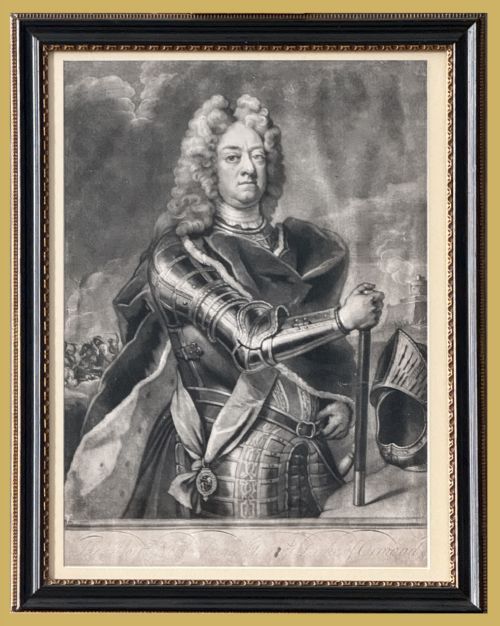
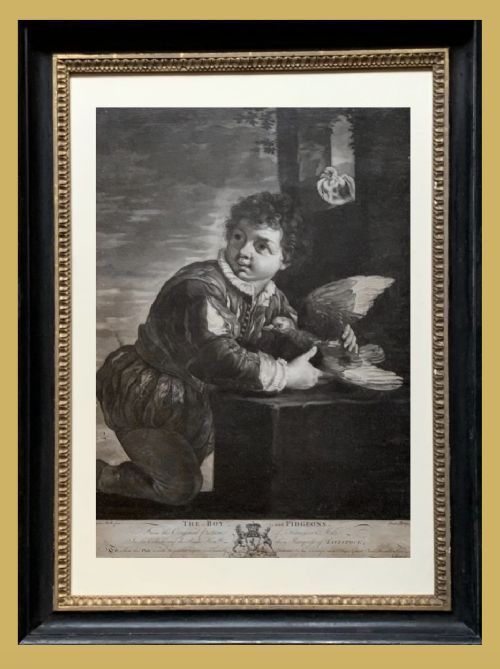
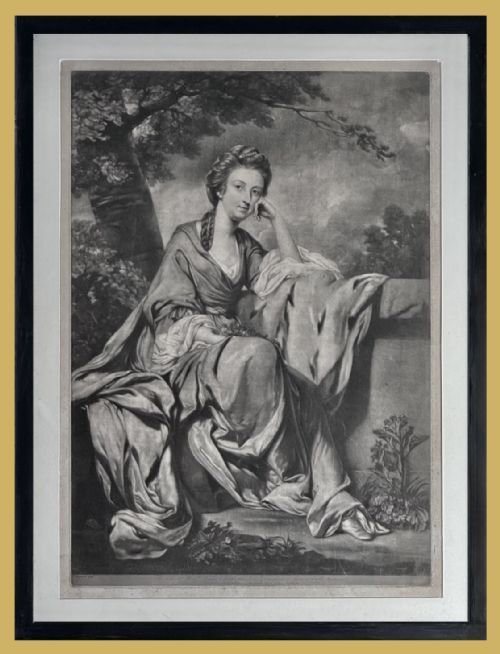
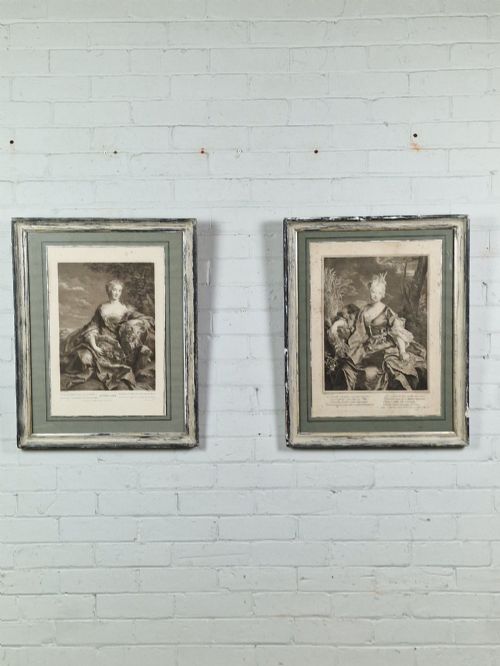
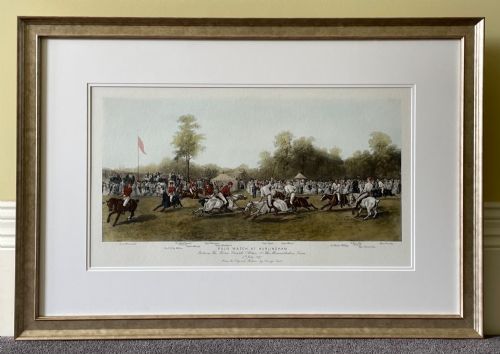
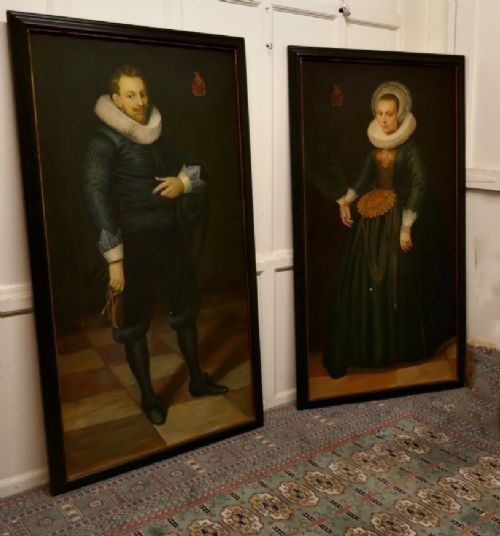
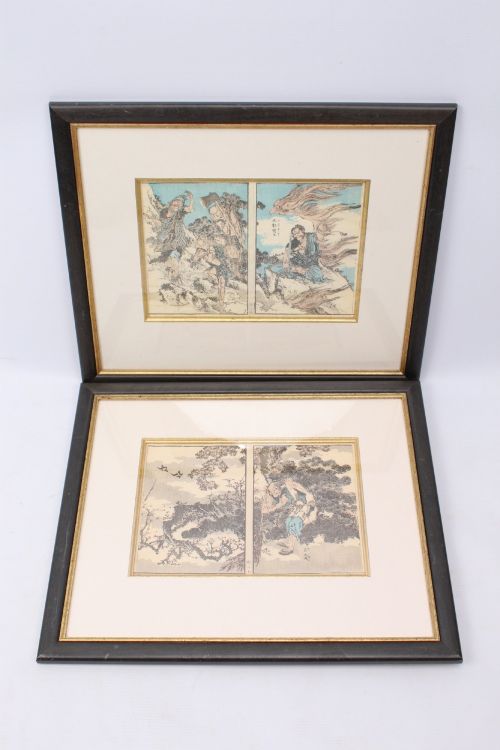
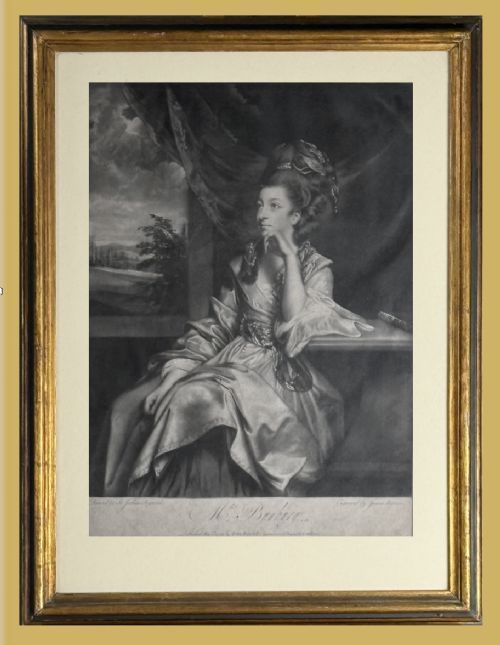
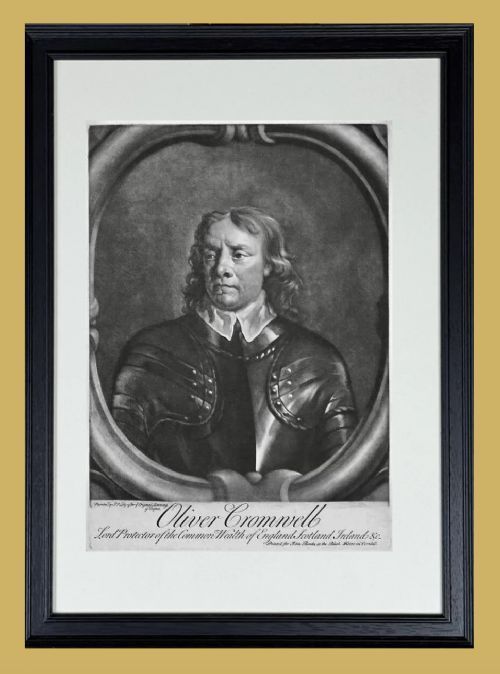
A vintage wall art print encompasses framed engravings, lithographs, etchings, mezzotints and advertising posters originating from periods such as the eighteenth, nineteenth and twentieth centuries. Buyers encounter diverse subjects including botanical studies, portraits, sporting scenes, architectural plates and railway advertisements.
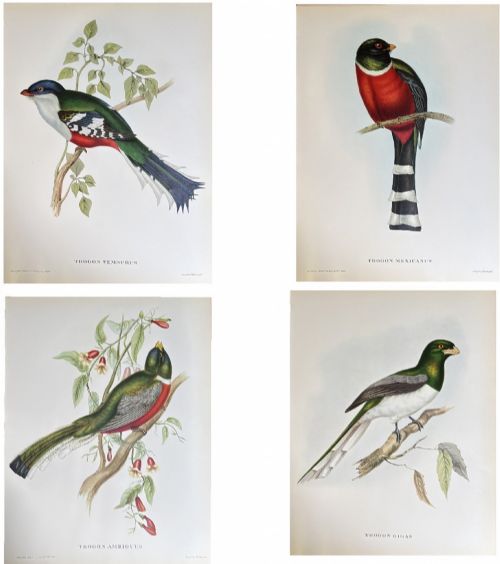
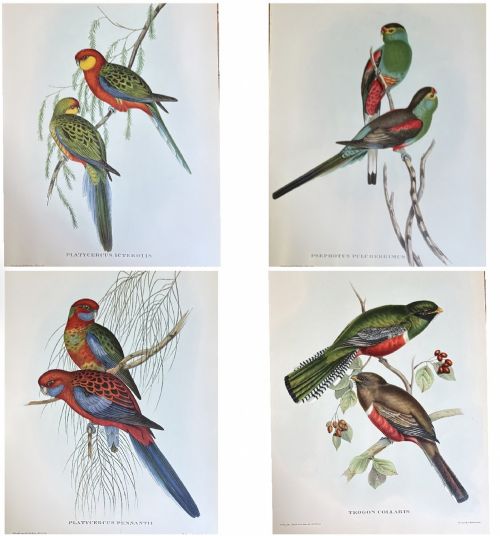
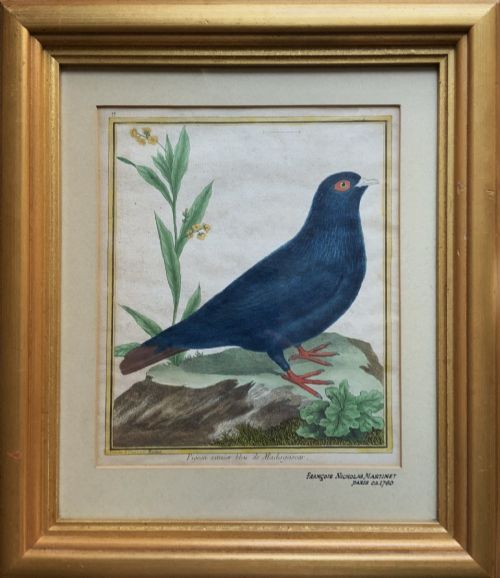
The selections span delicate hand-coloured ornithological plates by makers like François-Nicolas Martinet alongside large decorative lithographs and Edwardian periodical prints. Many retain their original timber frames and glass, while others appear as unframed sheets ready for display.
How they were made
Image creation relied on traditional printmaking techniques including copperplate engraving, mezzotint rocker work, stone lithography and woodblock carving, often utilising rich ink and watercolour on paper, vinyl canvas or card. Masters applied hand-colouring directly onto printed lines to add vibrant hues to botanical and avian subjects.
Framing utilised timber mouldings such as oak and rosewood, frequently incorporating gold leaf accents or gilt sight edges to complement the artwork. Protective glazing preserved the vulnerable paper surfaces from atmospheric moisture and dust over decades.
Nineteenth-century polo enthusiasts and bicycle racers share wall space with eighteenth-century weeping angels and mischievous cupids.
What varies in quality
Quality rests in the crispness of the impression pulled from the plate or stone, where early impressions exhibit sharp line work and subtle tonal gradations without blurring. Hand-colouring depth and the survival of original framing materials significantly elevate the character of the piece.
Condition involves the preservation of the paper substrate, where clean margins and minimal fading distinguish superior examples from those affected by heavy toning or foxing. The historical significance of the publisher, engraver or artist also guides the standing of the work.
François Nicolas Martinet·John Boydell·Sir Joshua Reynolds·William Lionel Wyllie·Kurt Meyer Eberhardt
The Vintage Wall Art Print Glossary
- Mezzotint
- A printmaking process where the copper plate is roughened uniformly to produce rich dark tones and subtle tonal graduations. It gained widespread favour for reproducing oil painting portraits during the eighteenth century.
- Lithograph
- A planographic printing method utilising a flat limestone or metal plate where image areas accept oily ink while damp background areas repel it. This technique enabled vibrant multi-coloured advertising posters and fine art prints.
- Engraving
- A technique where an artist cuts lines directly into a hard metal plate using a sharp tool called a burin. The resulting incised grooves hold the ink for transfer under pressure.
- Etching
- A process where acid bites lines into a metal plate protected by an acid-resistant ground, allowing for fluid and expressive drawn marks. Master printmakers utilised this method to achieve painterly effects.
- Foxing
- Brown or yellowish spots caused by chemical reactions in ageing paper, often accelerated by humidity or iron impurities. Collectors observe this common biological and chemical oxidation across antique works on paper.
Vintage Wall Art Print: Frequently Asked Questions
How do I hang antique prints safely?
Support heavy framed pieces securely using appropriate wall anchors matched to your plaster or brick structure rather than relying on simple picture wire alone. Position the artwork away from direct sunlight and damp zones to protect fragile paper substrates and original timber mouldings from deterioration.
Ensure the frame hangs flat against the wall using two fixing points to distribute the weight evenly. Period glazing and older frames benefit from stable indoor humidity levels to prevent timber warping and glass cracking.
Are these prints original to their stated period?
The listings comprise period impressions printed during the lifetime of the artist or shortly thereafter, alongside vintage lithographs and posters from the nineteenth and twentieth centuries. Examine the paper texture, plate marks and printing ink characteristics to confirm the period of production.
Typography, publisher inscriptions and paper ageing indicators further verify the chronological origin of each plate. Reference materials and comparable examples help distinguish original period printings from later modern reproductions.
How should I care for antique paper art?
Keep works on paper away from direct sunlight, halogen spotlights and excessive moisture to prevent fading and chemical breakdown. Professional framing using acid-free backing boards and conservation-grade mounts prevents yellowing and protects the fragile edges.
Dust wooden frames gently with a dry, soft cloth while avoiding chemical sprays near the exposed paper or glass. Consult a paper conservator if cleaning or stabilization becomes necessary.
What is the difference between an engraving and a lithograph?
An engraving relies on physical lines cut into a hard metal plate with a sharp burin, producing sharp, precise grooves that hold thick ink. This method yields crisp, linear imagery common in eighteenth-century portraits and scientific plates.
A lithograph is a planographic process drawn on stone or metal, allowing for soft tonal blending, painterly brushstrokes and vibrant polychrome poster art. Lithography dominated commercial advertising and large decorative prints during the nineteenth and twentieth centuries.