
Framed Rustic Art
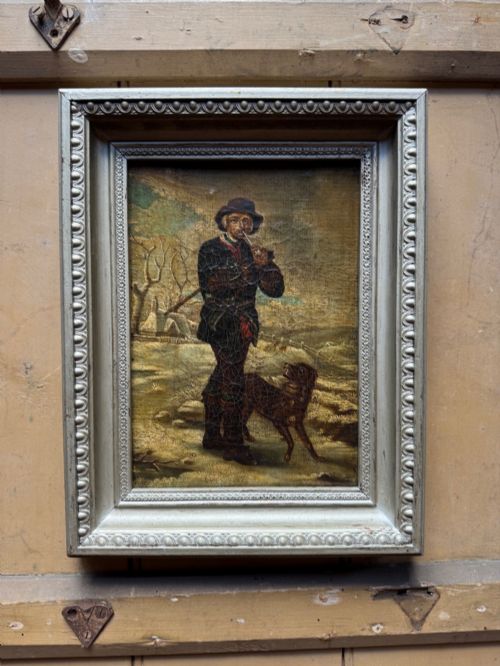
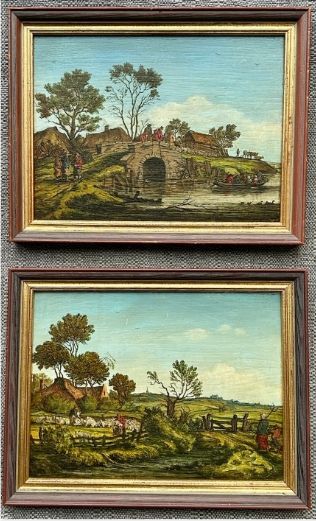
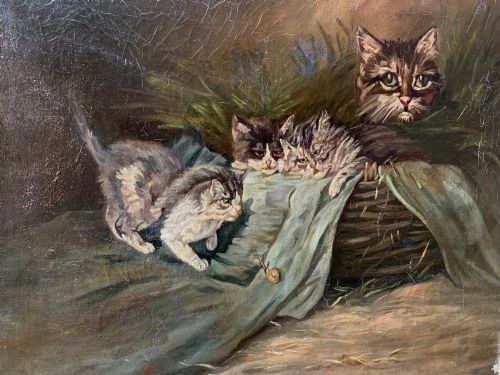
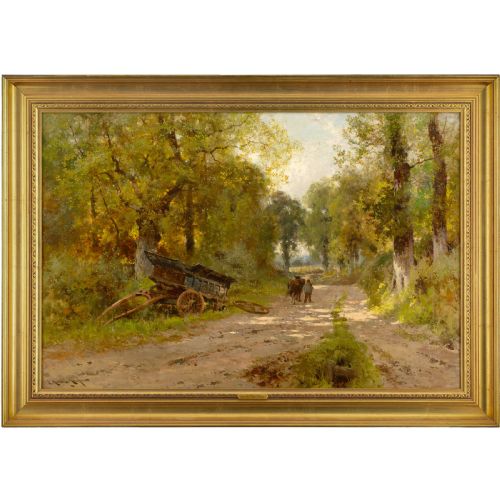
Framed rustic art brings together period oil paintings and textured needleworks housed in wooden and gilt frames that ground a room.
Framed Rustic Art
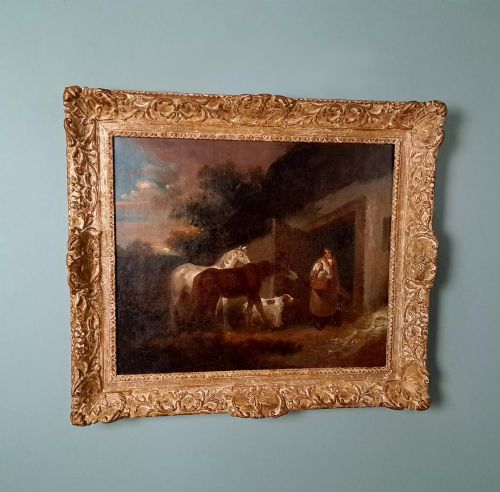
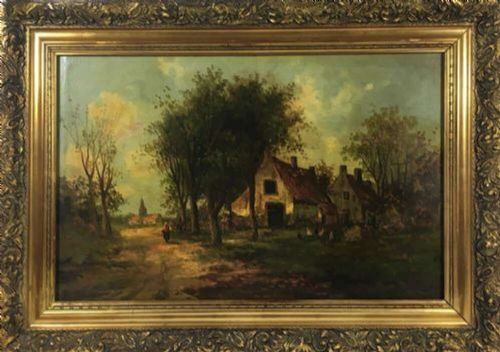
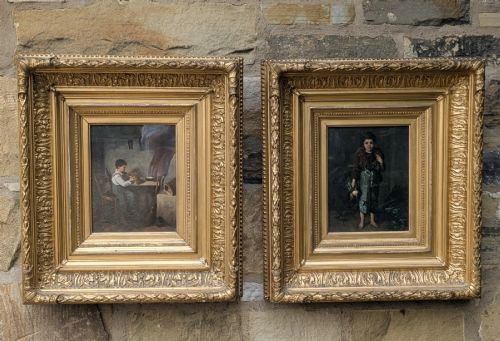
Framed rustic art encompasses period paintings, mirrors, and textile works created across the nineteenth and early twentieth centuries. These pieces typically depict rural landscapes, farm animals, domestic interiors, and pastoral scenes rooted in traditional country life.
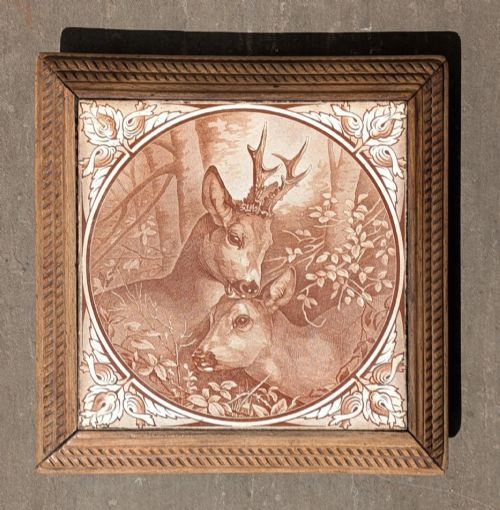
Buyers encountering this selection will frequently find oil paintings on canvas and wood panels alongside cork dioramas and needlework pictures. The physical presentation relies heavily on period wooden frames, gesso mouldings, and occasional metal accents.
The objects span Georgian, Victorian, and Arts and Crafts movements, reflecting both British and continental European schools. Domestic subjects and farmyard studies dominate the aesthetic, offering a direct view into historical rural environments.
How they were made
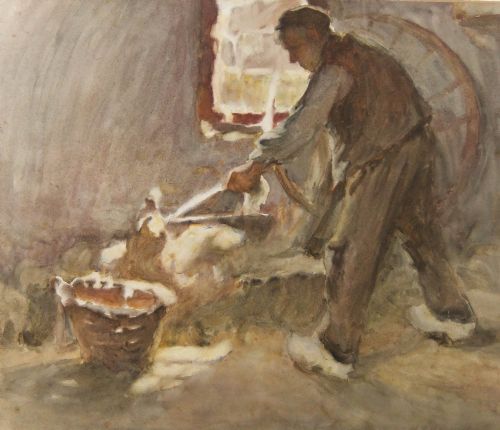
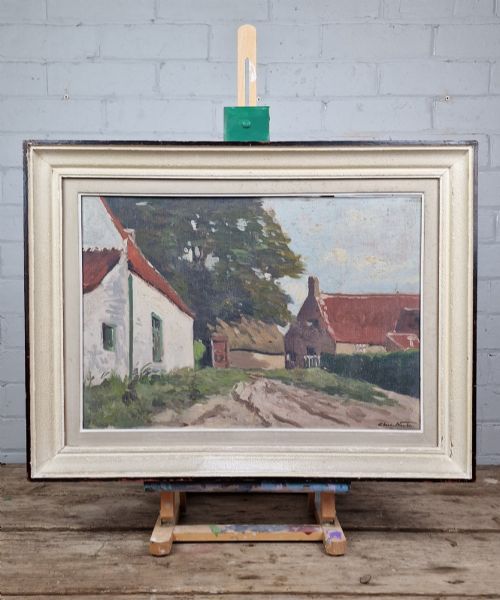
Makers utilised oil paint applied to canvas, wood panels, and boards, often building texture with thick brushwork or layering glazes. Frames were constructed from timber such as oak, then finished with carved wooden details, gesso, and gold leaf gilding.
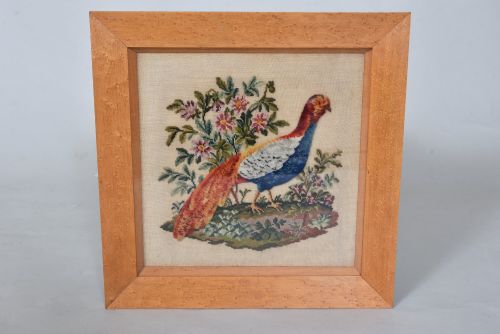
Alternative pieces incorporate mixed media elements like cork, plushwork, and hand-painted silk within needlework assemblies. Metalwork components in copper and brass appear in Arts and Crafts frames and decorative stands supporting the visual panels.
Listings feature works spanning the Georgian, Victorian, and Arts and Crafts periods, created in oil, needlework, and copper.
What varies in quality
The standard of execution in the painted surface dictates the primary division in quality, separating fluid brushwork and anatomical accuracy from stiff, derivative compositions. Handling of light and depth in landscapes and genre scenes marks the distinction between professional studio output and simpler primitive works.
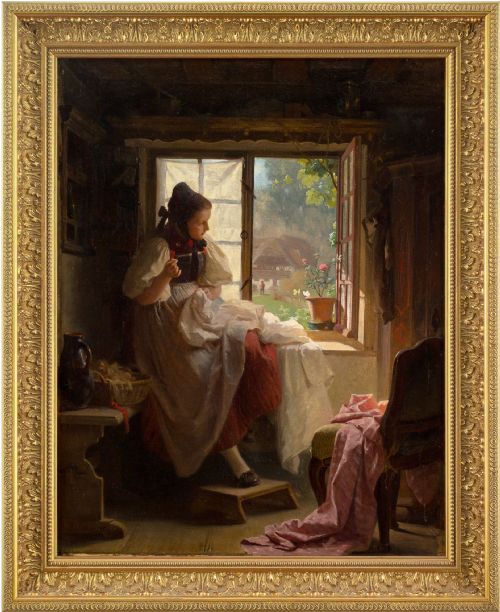
Frame construction and material integrity also separate pieces, as original giltwood and hand-carved mouldings retain greater character than later replacements. The preservation of the original canvas, panel, and backing boards influences the overall integrity of the piece.
John Horace Hooper·William Joseph Shayer Senior·Henry Silkstone Hopwood·Charles Houben·Max Kaltenmoser·Edgar Hunt·Jacob Akkersdijk·Henry Schouten·George Morland·Charles Edward Wilson·Harry Brooker·Claude Cardon·Owen Bowen·John Bell·Haynes King·James Kyd
The Framed Rustic Art Glossary
- Oil on canvas
- Pigment mixed with drying oil applied to a woven fabric stretched across a wooden frame. This surface supports most nineteenth-century landscape and genre paintings.
- Giltwood
- Timber carved and coated with a thin layer of gold leaf over a prepared base. This material forms the ornate borders of many period picture frames.
- Gesso
- A paint mixture consisting of a binder mixed with chalk, gypsum, or pigment. Artisans apply this substance to wood before gilding to create smooth decorative mouldings.
- Tramp art
- Decorative woodwork formed by chipping, notching, and gluing small pieces of scrap timber or cork into layered geometric patterns. Frames and mirrors frequently employ this technique.
- Plushwork
- A textile craft using raised fabric pile to create a three-dimensional textured surface on pictorial subjects. Pheasants and animals are common motifs in these works.
Framed Rustic Art: Frequently Asked Questions
What subjects appear in rustic art?
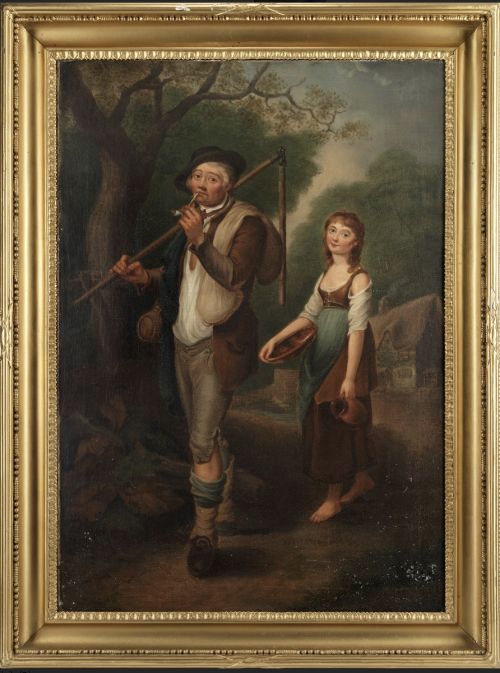
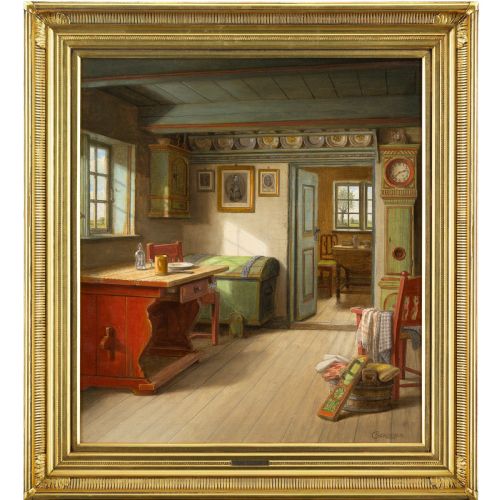
Paintings in this category show farmyard scenes, domestic cottage interiors, livestock, and countryside landscapes. Artists frequently documented rural labourers, animals, and agricultural settings.
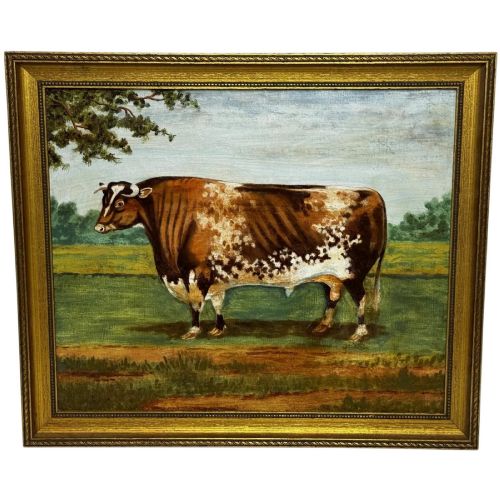
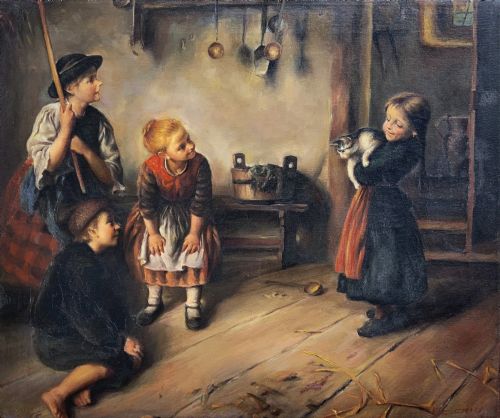
These subjects reflect nineteenth-century interests in pastoral life and domestic realism. The depictions range from detailed British school portraits of prize animals to continental genre paintings.
How do I date a framed piece?
Dating relies on examining the construction of the frame, the backing materials, and the style of the canvas or panel. Nineteenth-century works often use specific stretcher frame designs and handwritten inscriptions.
Stamps, labels from framers, and the composition of the gesso provide additional chronological markers. Comparing the painting technique to known period schools helps narrow the decade of creation.
Where should I hang these pieces?
These works suit dining rooms, libraries, and hallways where traditional wooden furniture and neutral walls create a complementary backdrop. The rustic frames anchor the art within domestic spaces.
Placement should avoid direct sunlight to protect oil paint and paper elements from fading. Maintaining stable indoor humidity prevents timber frames and panels from warping.
What is the difference between canvas and panel?
Canvas consists of woven fabric stretched over a wooden frame, offering slight flexibility and a textured surface for brushstrokes. Wood panels provide a rigid, stable foundation used often in earlier or continental works.
Panels resist sagging over time but can split if exposed to extreme moisture changes. Canvas paintings may require re-stretching or relining after prolonged periods.