
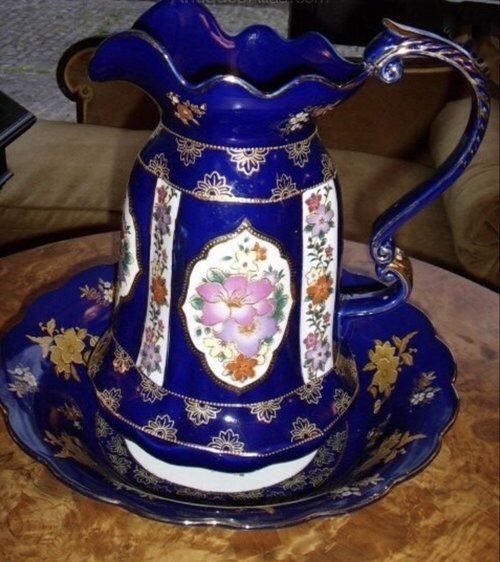
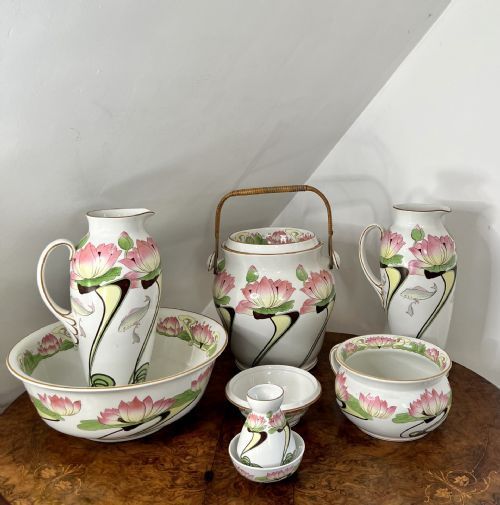


Antique Washstand Bowl
An antique washstand bowl is a utilitarian ceramic basin designed for personal hygiene, offering a glimpse into domestic life across the centuries.
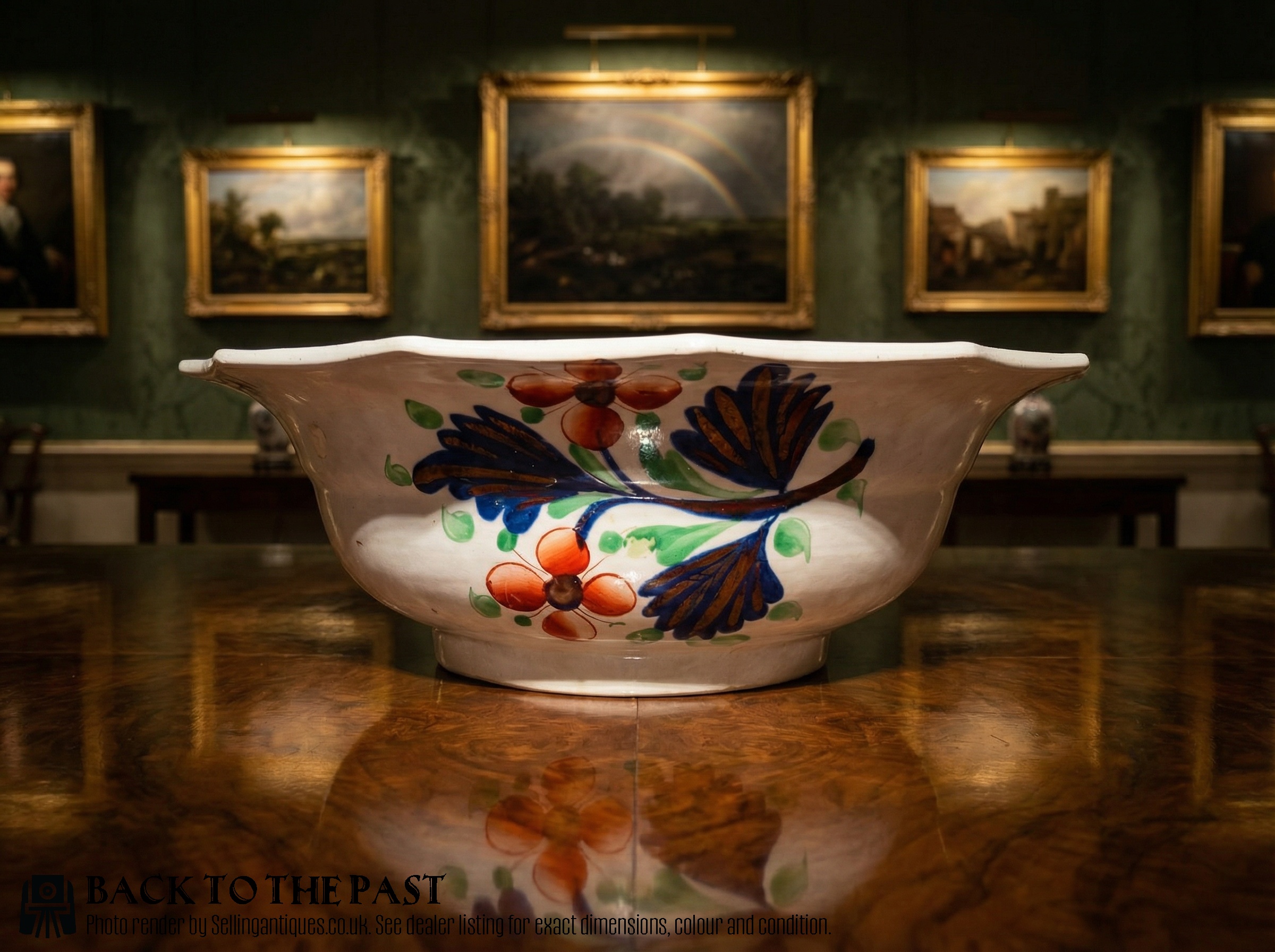
Antique Washstand Bowl
When searching for an antique washstand bowl, collectors encounter ceramic basins that originally formed part of a matching set for bedroom ablutions. These items range from nineteenth century earthenware pieces to early twentieth century bathroom sets used before plumbed indoor facilities became standard.
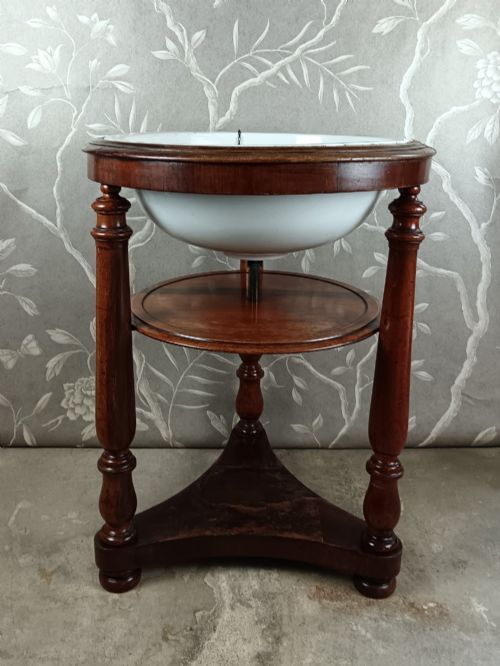
The version most commonly met on this page is the ceramic jug and bowl set, often dating from the Victorian and Edwardian periods. Alongside these earthenware basins, buyers also find mahogany and pine washstands equipped to hold the ceramic vessels.
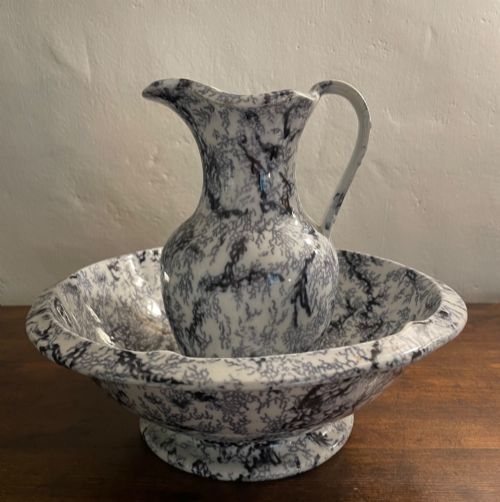
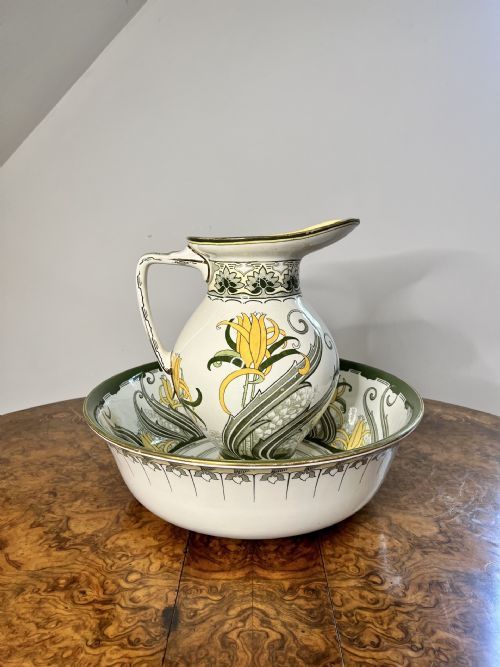
Makers utilised various styles, spanning from Georgian and Regency designs through to Victorian Chinoiserie, Aesthetic Movement, and Art Nouveau patterns. The selection encompasses plain white ironstone as well as brightly decorated transfer-printed examples.
How they were made
Potters shaped these bowls using earthenware and ceramic materials, applying glazes to create a waterproof surface suitable for daily washing. Ironstone featured prominently for its durability, allowing manufacturers to produce robust basins and matching pitchers.
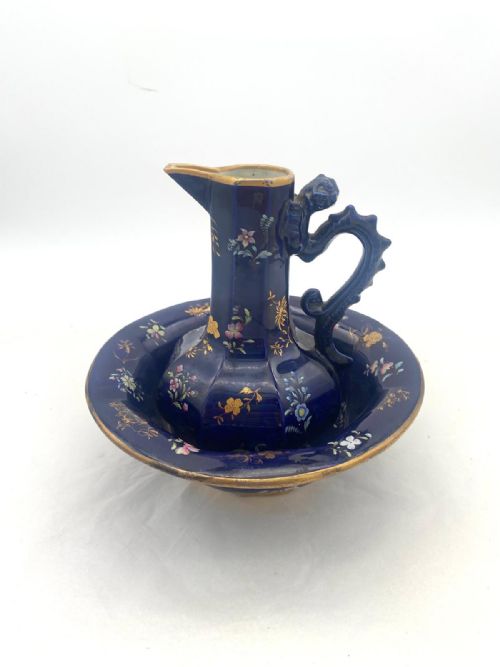
Decoration techniques included blue and white transfer printing, flow blue applications, and hand-painted floral designs finished with cobalt blue glazes. Some pieces incorporated gilt highlights or gold leaf accents, particularly those produced by prominent potteries.
Miniature jug and bowl sets allowed Victorian children to practice their washing routines with appropriately scaled miniature basins.
What varies in quality
The distinction between standard utility ware and finer examples rests upon the crispness of the transfer print and the complexity of the ceramic form, such as octagonal or panelled profiles. Potteries like those in Burslem employed superior clay bodies and more intricate decorative motifs that elevated simple washware into display pieces.
Completeness dictates much of the appeal, as surviving intact sets comprising both the jug and basin retain greater historical context than isolated bowls. The integration of the ceramic ware with accompanying timber stands, whether mahogany, pine, or bentwood, also influences the character of the piece.
Doulton Burslem·mark Jones and Sons·Masons Ironstone·Shelley
The Antique Washstand Bowl Glossary
- Ironstone
- A patented ceramic body invented in the nineteenth century that combined durability with the refined appearance of porcelain. This dense material resisted chipping, making it ideal for heavy domestic vessels.
- Flow Blue
- A nineteenth century transfer printing technique where cobalt blue ink blurred slightly during firing into the surrounding white glaze. This chemical reaction created a misty, atmospheric depth on the ceramic surface.
- Earthenware
- A porous pottery type fired at lower temperatures than stoneware or porcelain and coated with a vitreous glaze to ensure impermeability. It formed the foundation for the majority of utilitarian bedroom ceramics.
- Transfer Printing
- A method of decorating ceramics by engraving a design upon a copper plate, pulling an impression on tissue paper, and pressing it onto the biscuited clay. This allowed potteries to replicate intricate patterns consistently across large services.
Antique Washstand Bowl: Frequently Asked Questions
What is an antique washstand bowl?
An antique washstand bowl is a ceramic or earthenware basin created to hold water for morning washing before indoor plumbing became common.
These bowls usually accompanied matching jugs on timber washstands inside bedrooms.
How were washstand bowls used?
They were filled with water from a matching pitcher for daily face and hand washing in the bedroom.
Servants carried water to fill the basin, and the set sat atop a dedicated wooden washstand or table.
How do I date an antique bowl?
Dating relies on identifying the ceramic body, glaze type, maker marks stamped underneath, and stylistic motifs such as Art Nouveau curves or Victorian transfer prints.
Comparing the form and decorative style to documented factory periods provides an accurate timeframe.
Can I use an antique bowl today?
These historical ceramics function well as decorative planters, table centerpieces, or display items in modern bathrooms.
Careful handling ensures the antique glaze and earthenware body remain protected from accidental knocks.