





Antique Hand Painted Basin
An antique hand painted basin brings centuries of skilled brushwork into domestic spaces, offering both utility and decorative presence.
Antique Hand Painted Basin
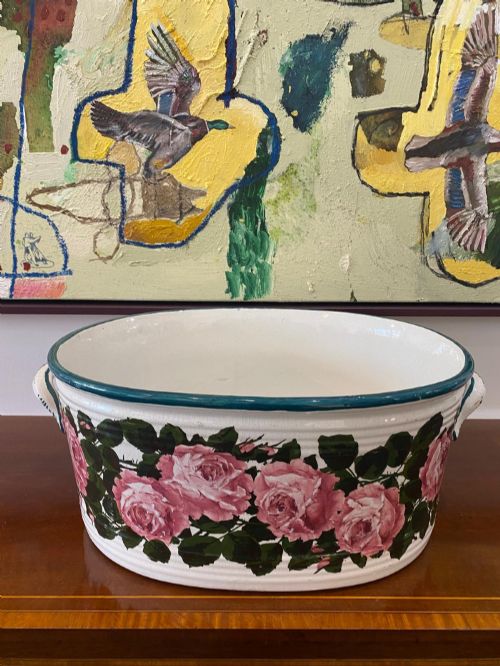
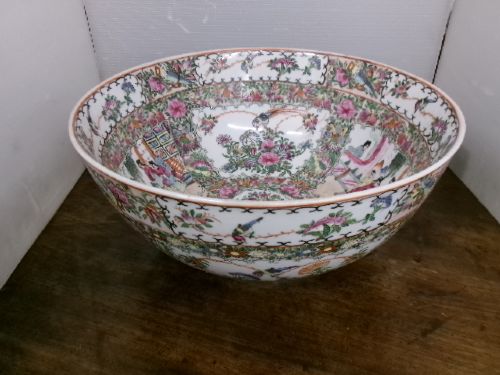
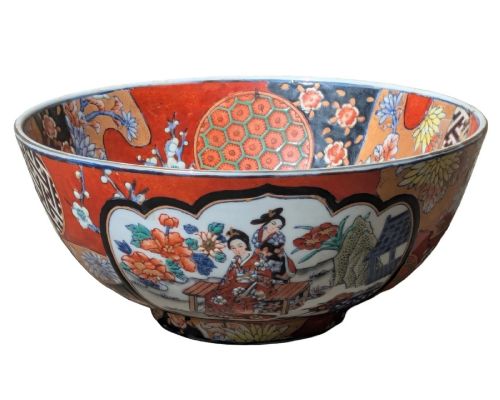
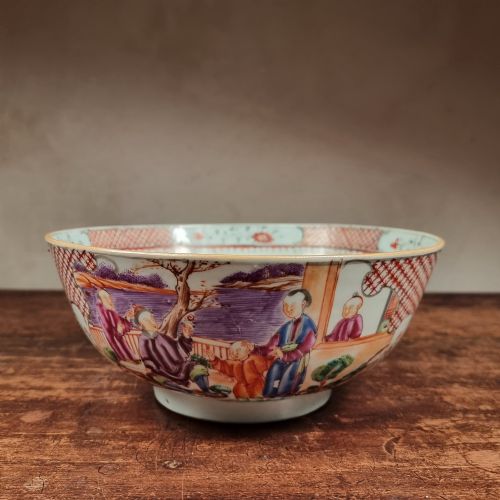
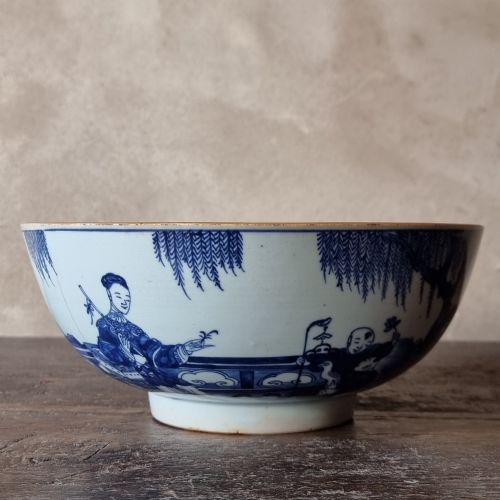
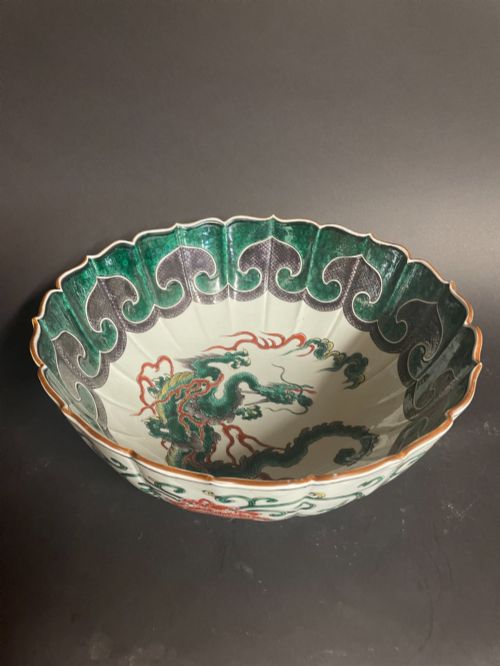
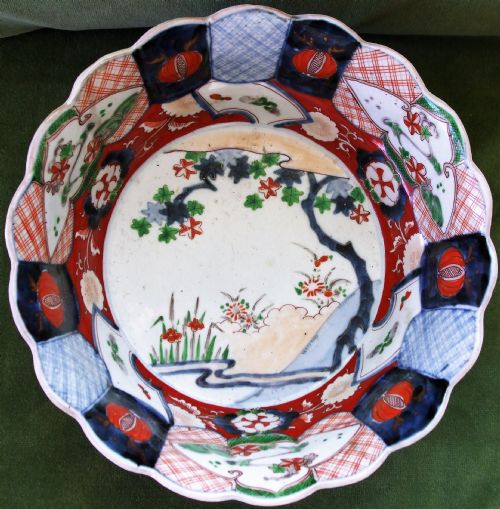
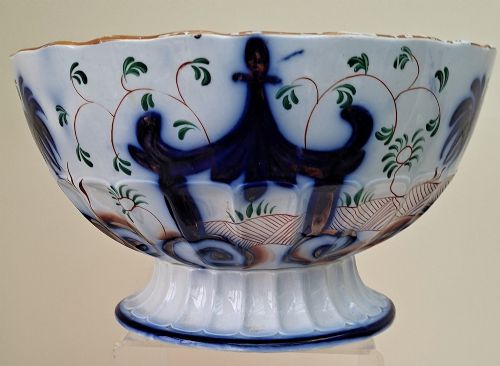
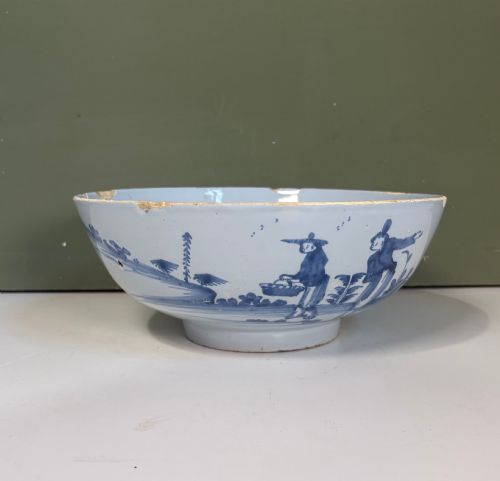
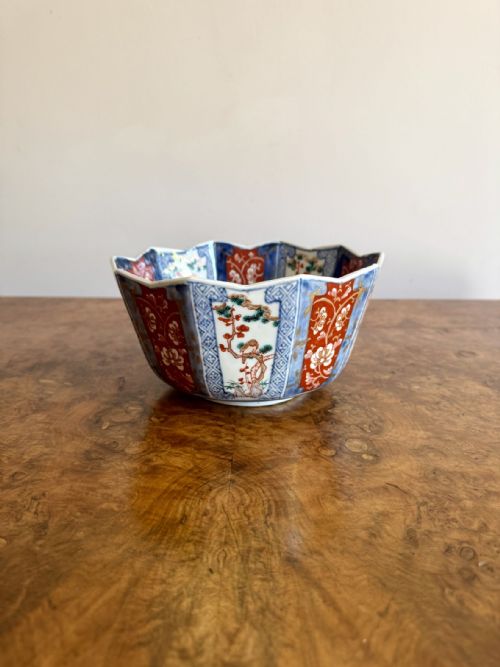
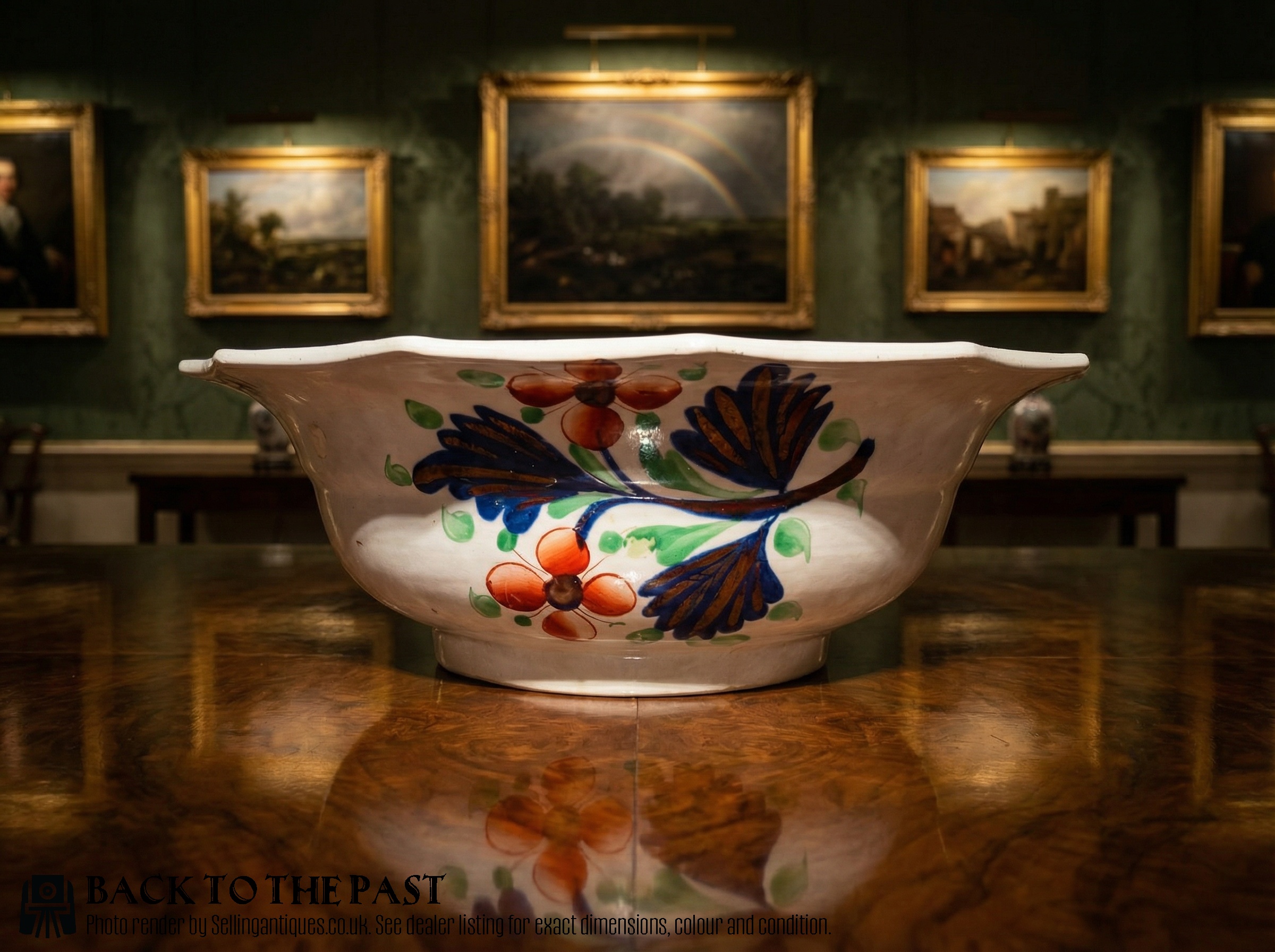
When you search for an antique hand painted basin, you encounter a diverse range of vessels spanning centuries of ceramic production. These pieces include large Chinese export punch bowls, Japanese Imari scalloped dishes, and heavy Victorian earthenware toilet basins.
The selection here draws heavily on 18th and 19th century traditions, featuring items designed for display, personal washing, or formal dining. You will frequently find Japanese Imari patterns, Chinese Canton famille rose motifs, and British earthenware designs sitting side by side.
Each form serves a distinct historical purpose, from deep garden planters and footbaths to large punch bowls and washstand basins. The variety reflects global trade routes and the shifting domestic habits of past households.
How they were made
Makers shaped these basins using traditional ceramic bodies including porcelain, earthenware, and heavy pottery, often throwing them on a wheel or forming them in moulds. Artisans then applied underglaze cobalt blue or detailed overglaze enamel colours by hand before firing the pieces in kilns.
Many Japanese and Chinese examples incorporated rich gilt highlights and gold leaf over intricate painted scenes, while British items utilised transfer printing combined with hand-painted colour fills. The application of transparent glaze sealed the pigments, creating a durable surface designed to withstand regular use.
Some basins feature hand-painted samurai battles, capturing fierce historical warfare inside a domestic bowl.
What varies in quality
The refinement of the painted brushwork dictates much of the visual success in these basins. Skilled artists achieved crisp outlines, subtle colour shading, and balanced compositions, whereas lesser examples show hurried lines and muddy pigment mixing.
The weight, throwing consistency, and clarity of the porcelain or pottery body also distinguish superior vessels. Well-preserved glazes without excessive crazing or firing distortions mark out pieces that received careful attention during production.
Wemyss·Mann & Co·Ryuzan·Nikko·Kinkozan·Mason's·Spode·Ridgway·Worcester·Royal Crown Derby
The Antique Hand Painted Basin Glossary
- Imari
- A style of Japanese porcelain featuring a distinct palette of underglaze blue, iron red, and gold, named after the port from which the wares were shipped. It became widely exported and copied in Europe.
- Famille Rose
- A major palette of Chinese ceramic enamels introduced in the 18th century, distinguished by an opaque pink or purple colour derived from colloidal gold. The style allowed for delicate shading of floral and figural scenes.
- Jardiniere
- A large ornamental pot or basin designed to hold a plant or floral arrangement, often displayed on a dedicated stand or table in Victorian and Edwardian interiors.
- Sucrier
- A small lidded sugar bowl or box used in tea service sets during the Regency and Georgian periods. These pieces frequently match larger porcelain breakfast or tea services.
- Spongeware
- A type of pottery decorated by dabbing or sponging pigment onto the clay body to create mottled or patterned surfaces. This technique produced robust, rustic kitchen and washroom vessels.
Antique Hand Painted Basin: Frequently Asked Questions
How were antique basins used?
These vessels served diverse practical and decorative functions across different households. Many larger bowls held punch for gatherings, while others formed part of washstand sets for personal grooming.
Gardeners also utilised heavy pottery basins as jardinieres for indoor plants. Their dual role as decorative art objects and functional items ensured they occupied prominent positions in historic rooms.
Can I use an antique basin daily?
While these basins were built to handle physical tasks like washing or holding water, centuries of age make modern daily use risky. Fine porcelain and historic earthenware are sensitive to thermal shock and accidental knocks.
Most collectors prefer to display them safely on sturdy surfaces rather than subject them to modern wear. Gentle dusting and careful handling preserve the fragile overglaze paints and gilt details.
How do I date an Imari basin?
Dating Imari porcelain involves examining the weight of the ceramic body, the brilliance of the cobalt blue underglaze, and the tone of the iron red enamel. Earlier pieces from the 18th century often display heavier throwing lines and softer glaze textures.
Later Meiji and Showa period items tend to feature brighter, more uniform colour applications and sharper mass-produced forms. Comparing the motifs to established stylistic periods helps narrow down the decade.
What is Chinese Export porcelain?
Chinese Export porcelain refers to ceramics manufactured in China specifically for overseas markets in Europe and the Americas. These items combined traditional Chinese manufacturing techniques with western-requested shapes and decorative themes.
Such pieces travelled vast trade networks, resulting in vibrant decorative schemes like Canton famille rose and intricate armorial designs. They remain prized records of early global trade.