
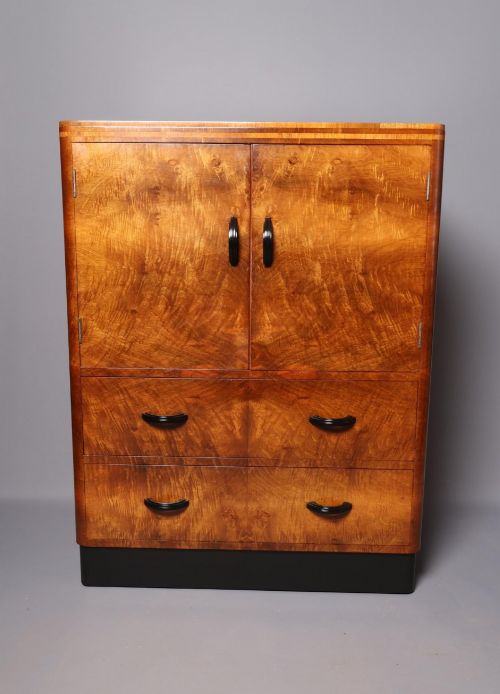


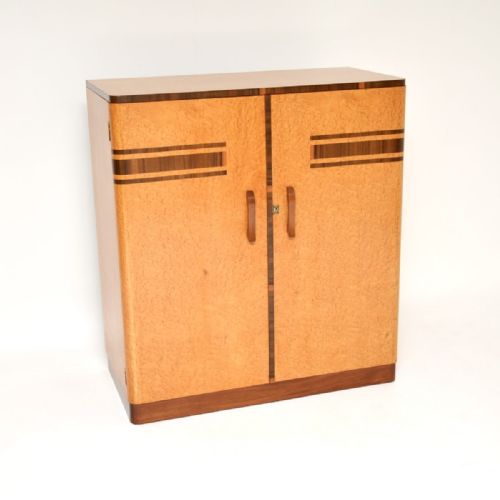


Antique Walnut Compactum
An antique walnut compactum combines hanging space and internal drawers into a substantial piece of bedroom furniture designed to hold a complete wardrobe.
Antique Walnut Compactum
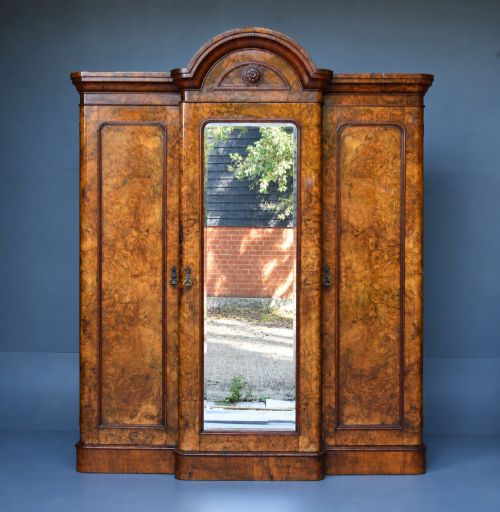
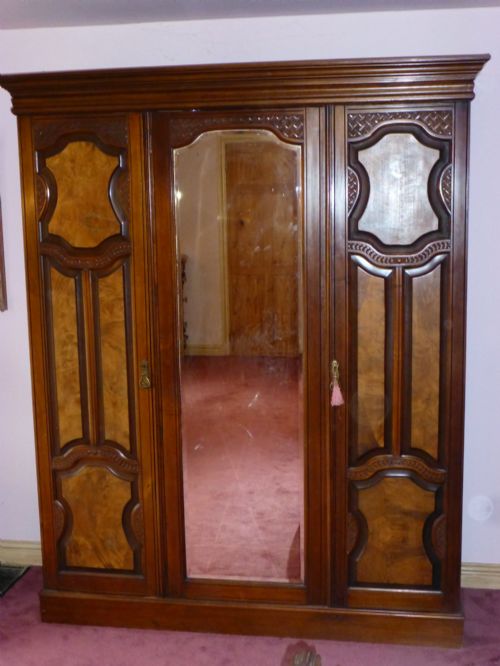
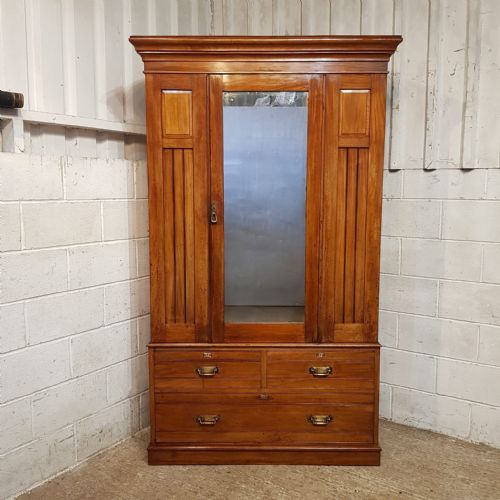
An antique walnut compactum serves as a fitted wardrobe that merges hanging compartments with internal linen presses, shelving, and sliding drawers within a single architectural frame.
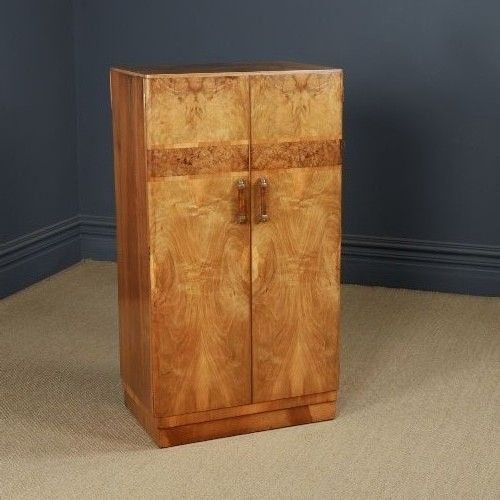
Buyers encounter examples spanning from the Victorian and Edwardian eras through to the Art Deco period of the 1930s.
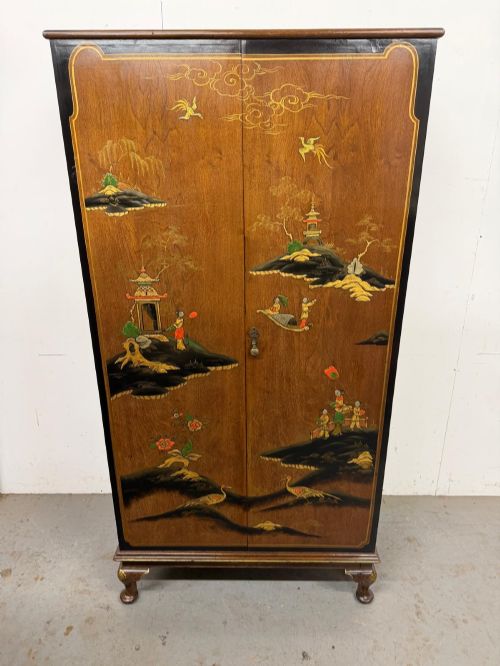
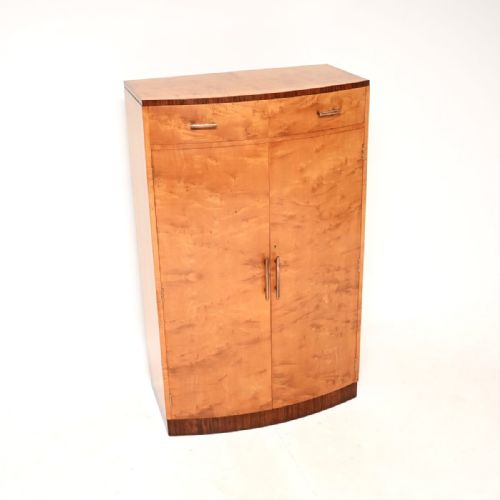
The selection ranges from large triple wardrobes to smaller double doors and tallboys, incorporating materials such as walnut, burr walnut, ash, and satin birch.
Quality Indicators
The sophistication of the timber selection dictates visual appeal, with highly figured burr walnut veneers marking the upper tier of production.
Joinery execution, the integration of internal drawer arrangements, and the presence of makers' stamps distinguish standard utility pieces from exceptional workshop outputs.
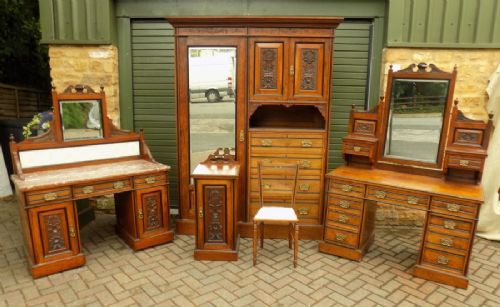
Some Edwardian wardrobe combinations arrived paired with matching dressing tables, ready for Victorian morning routines.
Holland and Sons·Lamb of Manchester·Heal's·Waring And Gillow·Gillow and Co·A and W Stewart·Denby and Spinks
The Antique Walnut Compactum Glossary
- Compactum
- A fitted wardrobe that incorporates drawers, shelves, and hanging space within one cabinet. This multi-purpose design maximises storage efficiency in period bedrooms.
- Burr Walnut
- Wood cut from walnut tree growths that produces intricate, swirling grain patterns. Cabinet makers prized this veneer for principal exterior surfaces.
- Tallboy
- A high chest of drawers or a combination wardrobe elevated on a base. These pieces provide vertical storage capacity while occupying a compact floor footprint.
- Triple Wardrobe
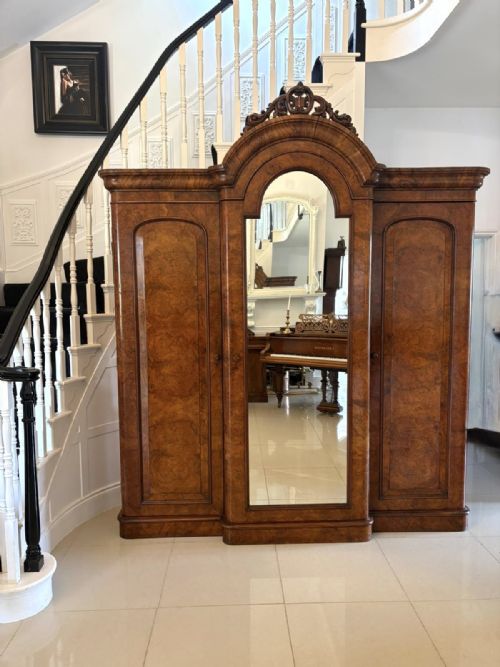
- A large three-section wardrobe featuring central and flanking doors. These substantial pieces often house a combination of hanging space and linen slides.
Antique Walnut Compactum: Frequently Asked Questions
What fits inside an antique compactum?
These cabinets provide dedicated sections for hanging garments alongside stacks of internal drawers and linen slides. Their internal layout was originally engineered to accommodate an entire gentleman's or lady's seasonal wardrobe.
Modern users find the combination of vertical hanging space and compartmentalised shelving equally practical for organising clothes and accessories without needing extra chests of drawers.
How do I date an antique compactum?
Dating relies on observing structural proportions, decorative motifs, and the transition of styles from Victorian heavily carved aesthetics to Edwardian simplicity and 1930s Art Deco geometric lines. Secondary timbers and backboards also offer clues regarding the decade of manufacture.
Maker stamps or labels found inside door frames or drawer interiors provide definitive historical attribution for specific pieces.
Are compactums difficult to move?
Many period examples were constructed as modular units or dismantling carcasses specifically to facilitate transport up staircases and through domestic doorways. Larger triple versions often separate into distinct cornice, base, and sectional wardrobe towers.
Checking the assembly method before transit ensures the structural joints remain protected during relocation between rooms.
How do I care for burr walnut veneer?
Walnut surfaces respond best to being kept away from direct sunlight and steady extremes of room temperature to prevent the delicate burr veneers from drying out. Routine dusting with a soft, dry cloth preserves the polished finish.
Applying occasional appropriate wax feeds the timber and maintains the natural lustre of the grain without creating buildup.