
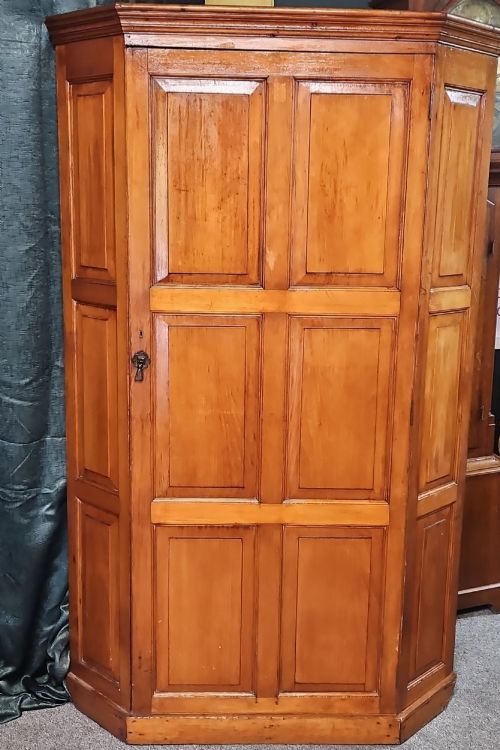


Victorian Fitted Wardrobe
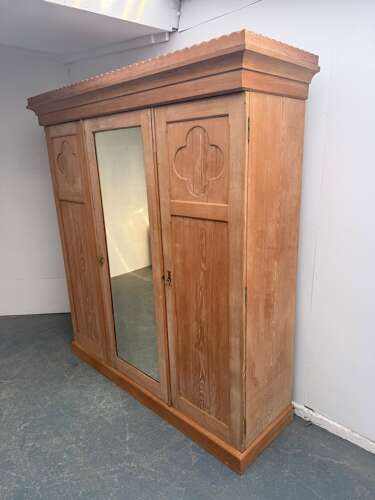
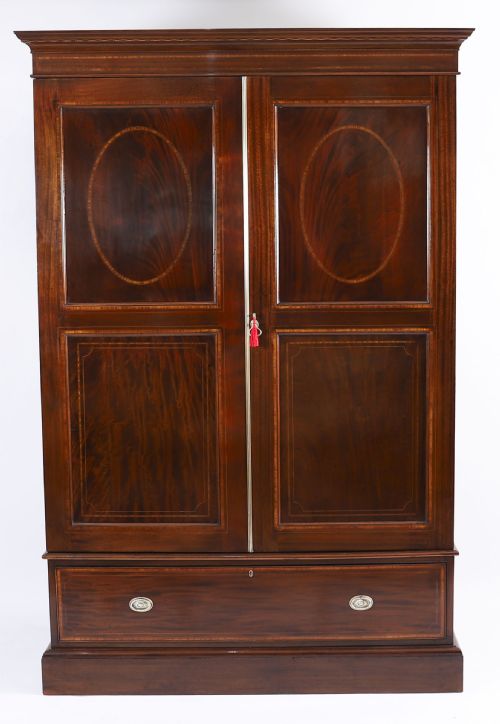
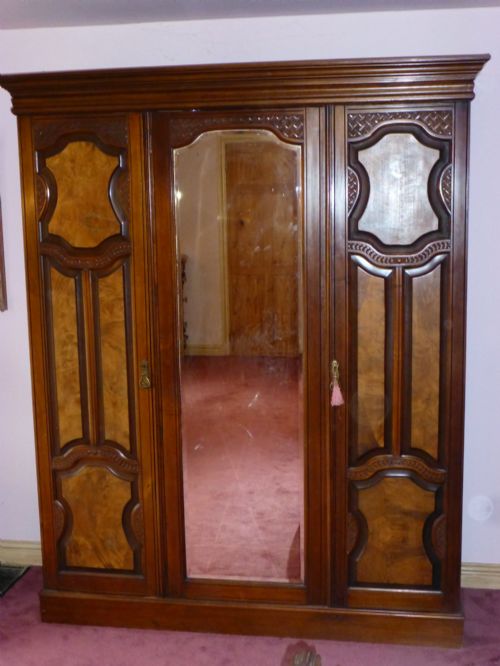
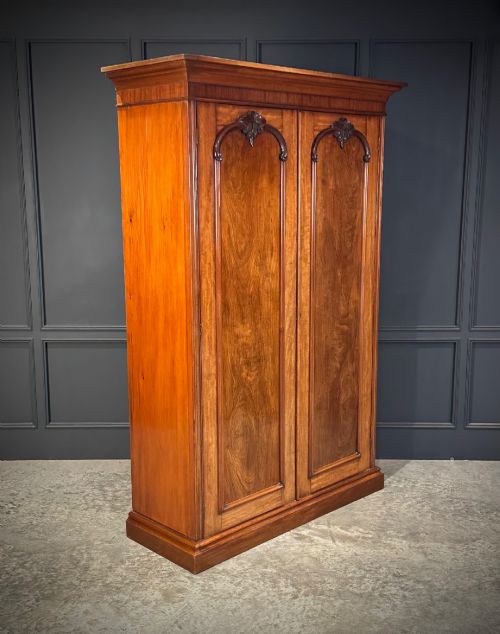
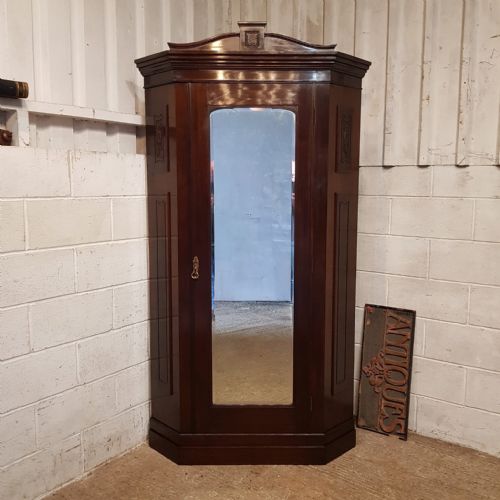
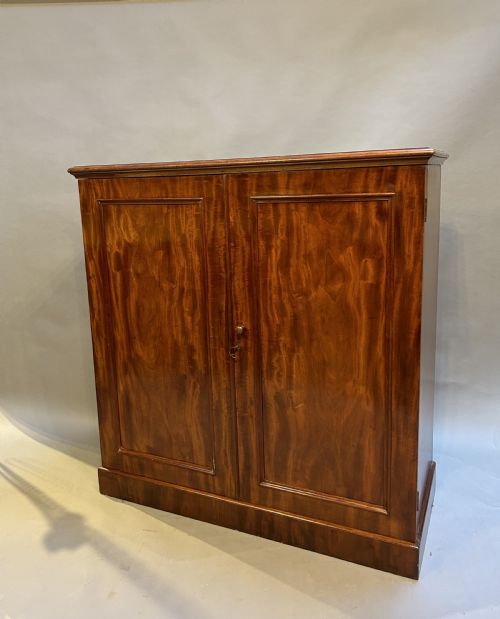
A victorian fitted wardrobe provides substantial architectural storage built from timber like mahogany, walnut and pine.
Victorian Fitted Wardrobe
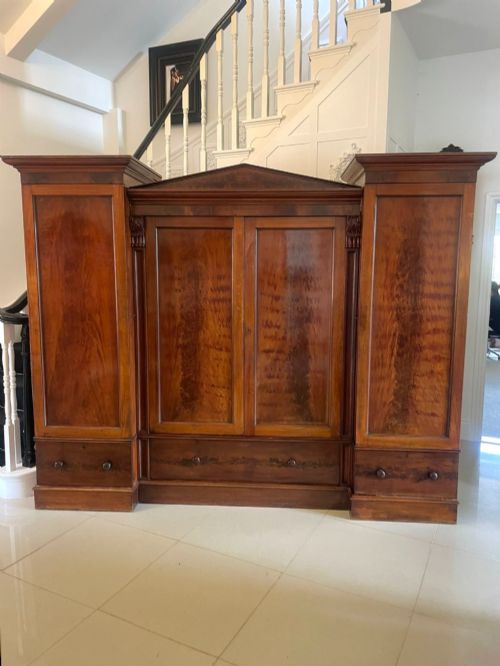
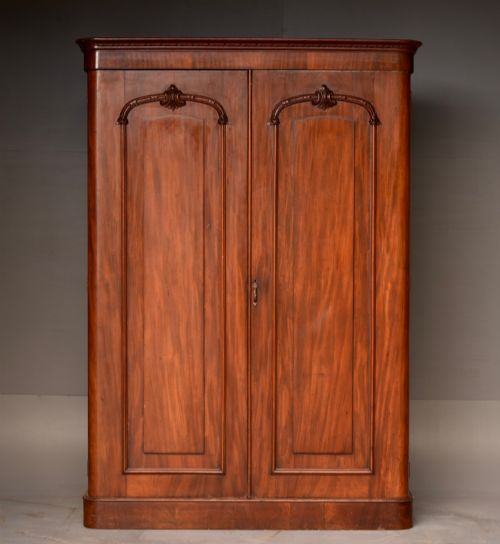
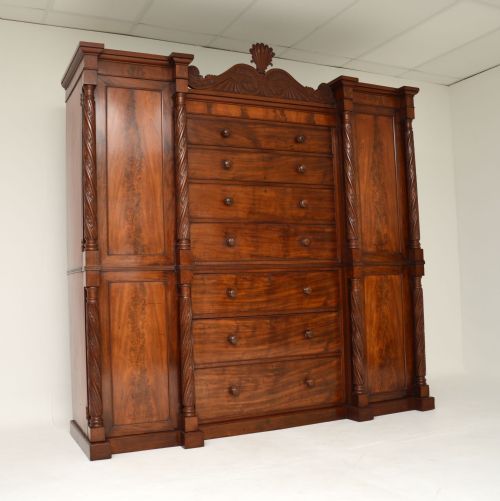
A victorian fitted wardrobe is a large storage piece designed for a bedroom, often spanning multiple doors or forming a breakfront. The version you are most likely to meet on this page is constructed from mahogany, walnut or pine, dating from the nineteenth century.
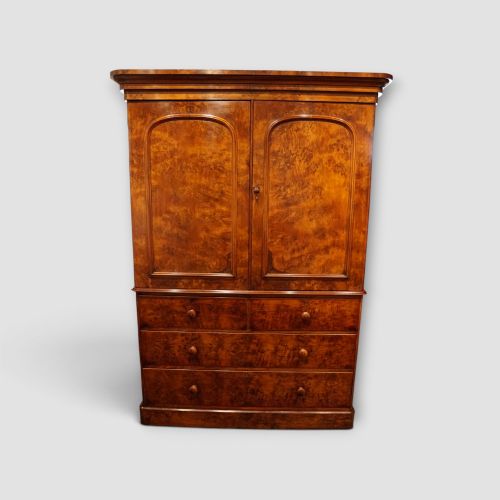
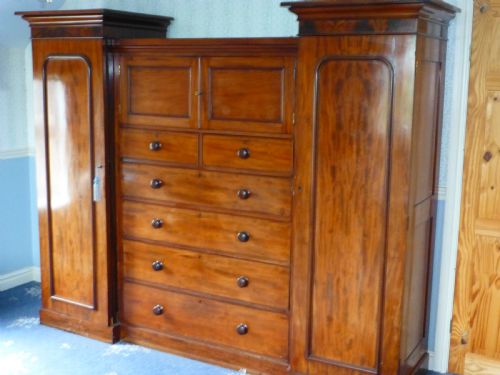
These items range from simple single door cupboards to massive triple and four door breakfront combinations, linen presses and compactums fitted with internal drawers and hanging space. They reflect the domestic requirements of the period, offering dedicated compartments for garments and linens.
The styles span standard Victorian, Gothic Revival, Arts and Crafts and revival movements, showing regional variations from English country workshops to Irish cabinets. They combine architectural presence with practical internal organisation.
How they were made
Makers utilised solid timbers alongside veneers, particularly flame mahogany and burr walnut, laid over sturdy secondary woods like pine. Brass hardware secures the doors and internal fittings, while glass panels occasionally appear on mirrored doors.
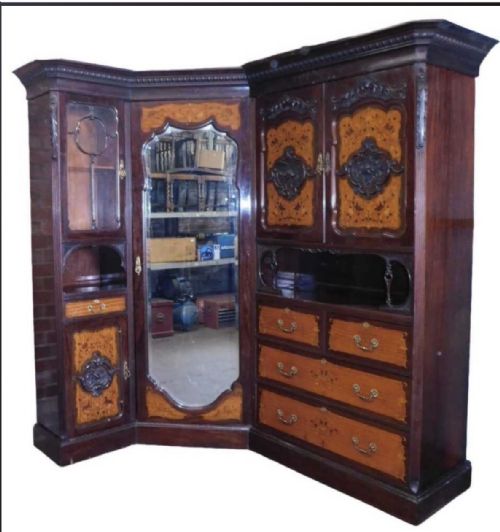
Construction relies on traditional joinery methods, allowing many of these large wardrobes to dismantle partially for transport and installation in domestic spaces. Carved details, satinwood inlay and marquetry ornament the surfaces of finer examples.
Several pieces are specifically noted as dismantling for transport, saving owners from awkward hallway standoffs with towering Victorian timber.
What varies in quality
Quality rests in the selection of timber figures, such as highly figured mahogany and burr walnut veneers, paired with sophisticated internal layouts featuring compactum drawers and linen slides. Cabinetmaking precision defines the best pieces, seen in the seamless fit of large breakfront doors and complex marquetry.
Simpler regional or pine versions rely on honest utility and original painted surfaces rather than exotic woods or elaborate carving. The structural integrity of heavy cornices and plinths distinguishes workshop-produced furniture from standard commercial output.
Holland and Sons·Gillows·Heals·Maple and Co·Robert Strahan of Dublin·Edwards & Roberts
The Victorian Fitted Wardrobe Glossary
- Compactum
- A multi-section wardrobe combining hanging space, shelving and internal drawers within a single unified case. It provides comprehensive bedroom storage.
- Breakfront
- A piece of furniture where the central section projects forward from the flanking wings. This configuration creates architectural depth and allows for wider internal capacity.
- Linen Press
- A tall cupboard featuring upper sliding trays for folded textiles above a base chest of drawers. They are traditionally associated with storing household linens.
- Sentry Box
- A narrow single door wardrobe designed to occupy minimal floor space while accommodating longer garments. The form resembles the upright shelter of a sentry.
- Marquetry
- Decorative patterns formed by fitting together small pieces of tinted woods, veneers and other materials into a wooden surface. It requires precise hand-cutting skills.
Victorian Fitted Wardrobe: Frequently Asked Questions
Will a victorian fitted wardrobe fit in my bedroom?
These wardrobes are substantial structures, often standing over two metres tall with deep cornices and breakfront projections. Measuring ceiling height and clearance for doors is essential before placement.
Many examples are designed to dismantle partially into sections, cornices, bases and sides, which greatly assists with moving them through doorways and up staircases.
How do I organise the interior of a compactum?
Compactums offer a mix of sliding linen trays, hanging compartments and deep lower drawers originally tailored for nineteenth-century garments. Adapting them for modern clothing often involves balancing folded items on the wooden shelves.
The smaller drawers suit accessories and smaller apparel, while the central hanging space accommodates longer coats and dresses depending on the internal drop.
What is the difference between a wardrobe and a linen press?
A wardrobe is primarily constructed for hanging garments vertically on rails or pegs behind full-length doors. Interiors often maximise vertical drop for coats and dresses.
A linen press specifically incorporates sliding trays or shelves in the upper section for stacking folded textiles horizontally, sitting above a chest of drawers in the base.
How do I care for antique mahogany and walnut surfaces?
Polished timber benefits from regular dusting with a soft, dry cloth to prevent grit accumulation on the delicate veneer and carved details. Avoiding direct sunlight and sustained heat sources protects the finish from fading and splitting.
Applying a traditional beeswax feed periodically maintains the natural lustre of nineteenth-century wood without building up heavy synthetic residues.