

Antique Triple Armoire
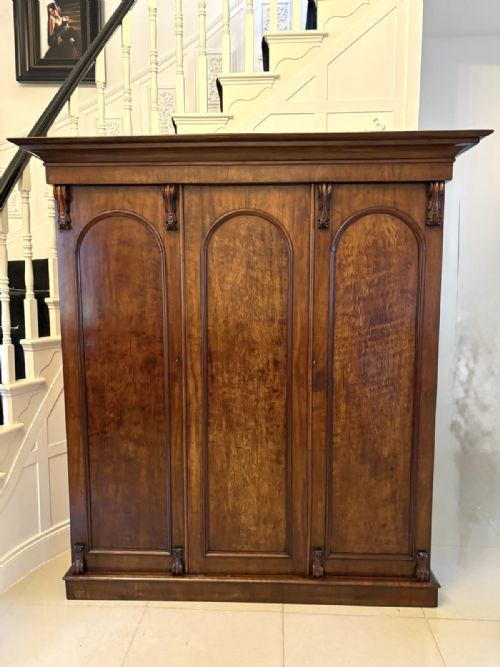
When choosing an antique triple armoire, you invite substantial architectural presence and generous compartmentalised storage into a bedroom.

Antique Triple Armoire
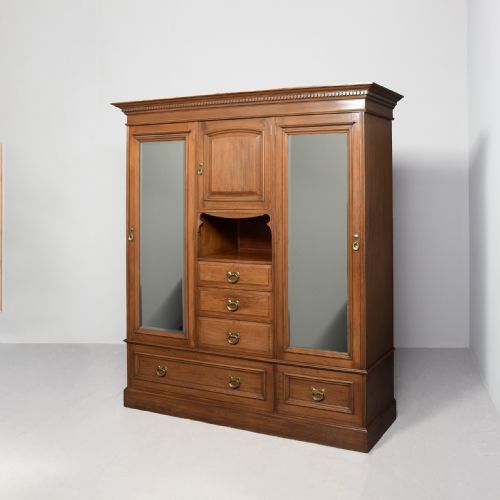
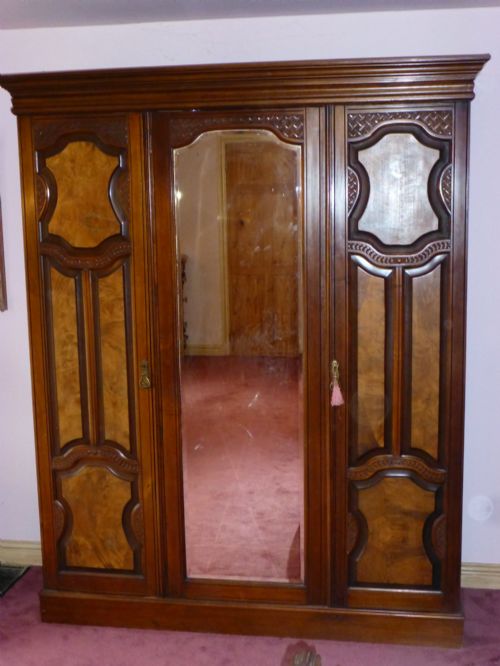
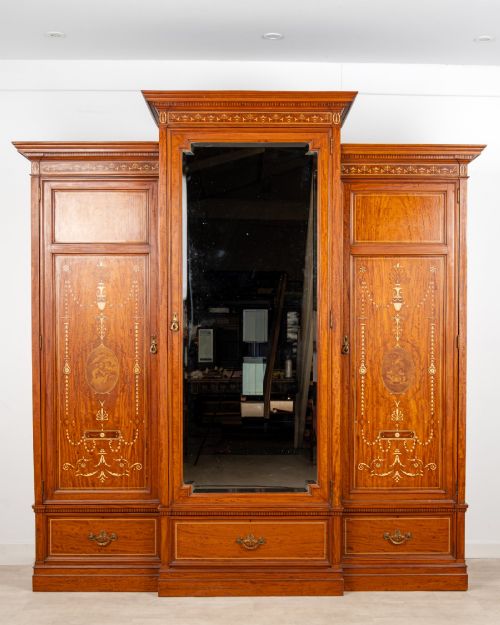
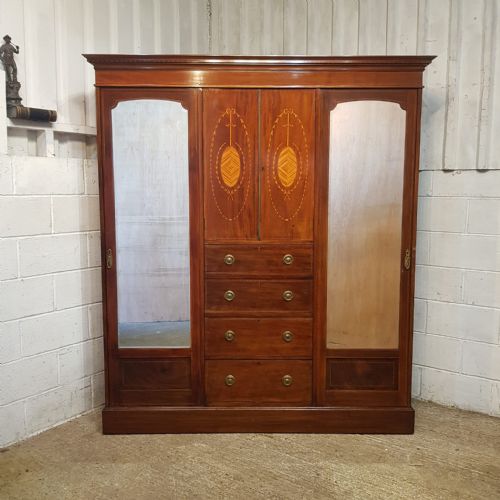
An antique triple armoire provides expansive storage across three vertical sections, combining central hanging space with flanking compartments or drawer banks known as compactums.
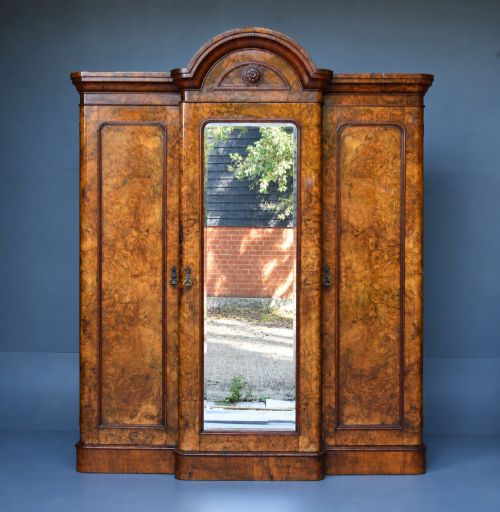
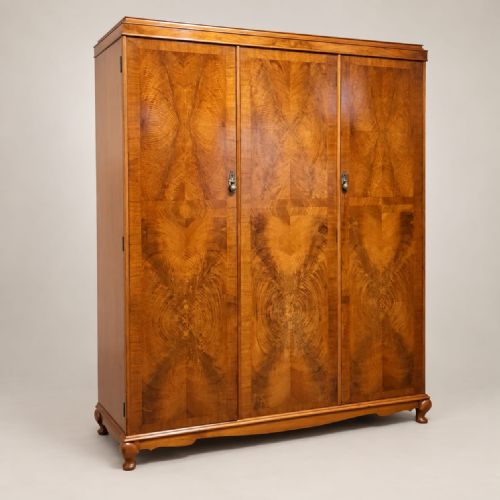
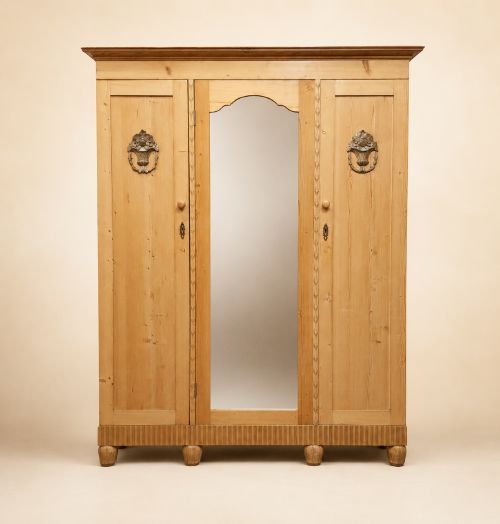
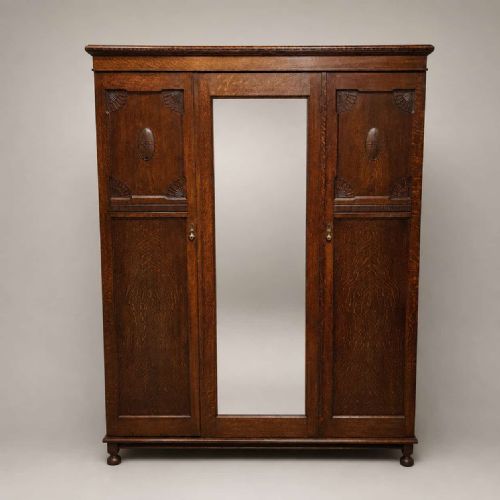
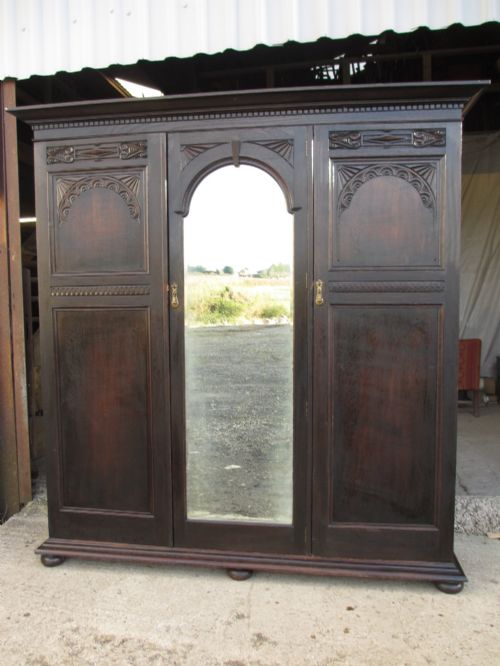
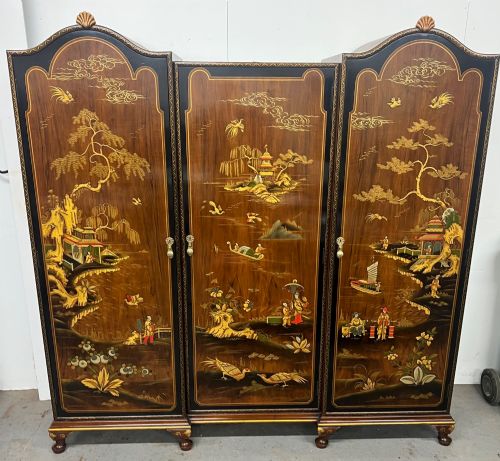
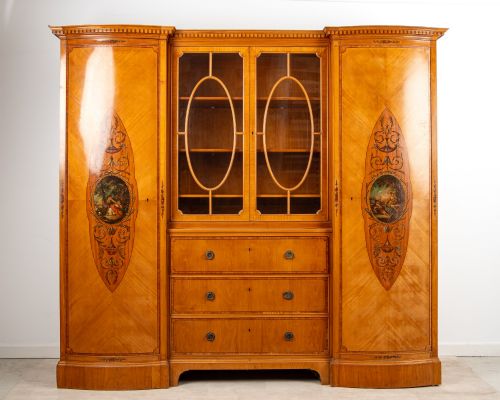
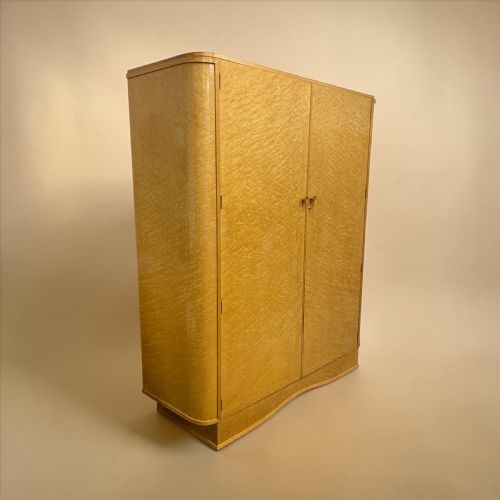
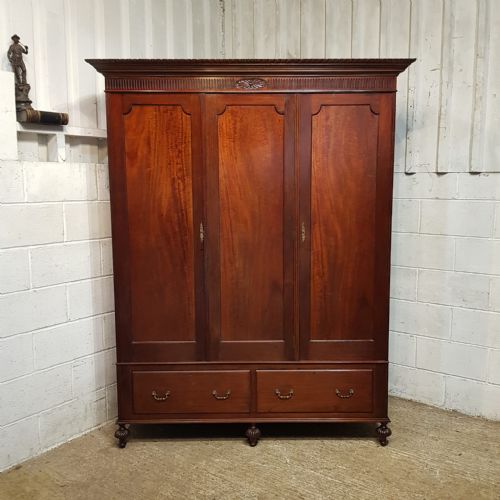
The pieces seen here span the Victorian, Edwardian, and Art Deco periods, alongside examples from the early twentieth century.
Makers utilised native and imported timbers, frequently configuring the central door with a bevelled glass mirror plate.

Materials and Construction
Cabinetmakers constructed these large wardrobes using solid foundations of oak, pine, or mahogany, subsequently applying decorative veneers of burr walnut, figured mahogany, and satinwood to the exterior surfaces.
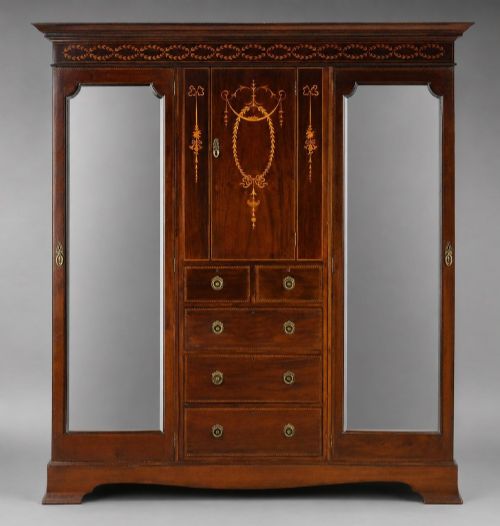
Many examples incorporate hand-carved details, inlaid stringing in contrasting woods, and applied brass hardware.
Due to their substantial proportions, the majority of these wardrobes are engineered to dismantle into modular sections for transportation and installation.
Antique Triple Armoire Retail Price Guide 2026
Typical asking prices for triple armoire among the pieces listed under this phrase on Sellingantiques today, from the lower quarter to the upper quarter. They describe what is for sale here now, not the wider market.
Listings feature woods spanning mahogany, burr walnut, oak, satinwood, and pine across Victorian, Edwardian, and Art Deco periods.
Quality and Distinction
The grade of an antique triple armoire depends heavily on the selection of timber veneers, such as richly figured burr walnut or flame mahogany matched symmetrically across the three doors.
Construction methods dictate durability, seen in deep breakfront cornices, panelled interiors, and integrated drawer boxes within compactum layouts.
The presence of original bevelled mirror glass, hand-painted decorative panels, and refined cabinetwork by established firms elevates individual examples.
Maples and Co·Holland and Sons
The Antique Triple Armoire Glossary
- Compactum
- A multi-compartment wardrobe that integrates hanging space, shelving, and internal drawers within a single architectural unit. These configurations maximise internal storage efficiency.
- Breakfront
- A cabinet design where the central section projects forward from the flanking wings. This creates depth and architectural presence on large wardrobe facades.
- Satinwood
- A durable, light-yellow exotic timber utilised extensively for fine cabinet veneers and delicate inlay work during the Edwardian period.
- Serpentine
- A gently undulating curved front line found on select cabinets. This contour requires advanced woodworking skill to shape timber accurately.
- Cornice
- The decorative moulded projection running along the top of the wardrobe. It frames the upper edge and provides a finished architectural cap.
Antique Triple Armoire: Frequently Asked Questions
Do antique triple armoires dismantle?
Most large Victorian and Edwardian examples separate into modular components including a cornice, a base plinth, and three distinct vertical carcass sections.
This modular engineering permits the wardrobe to pass through standard household doorways before being reassembled in place.
What is a compactum wardrobe?
A compactum layout combines hanging space with banks of internal drawers, shelves, and sometimes a sliding linen press within the flanking or central doors.
This multi-functional arrangement provides comprehensive bedroom storage without requiring additional chests of drawers.
How do I identify an Edwardian armoire?
Edwardian examples often display lighter timbers such as satinwood and mahogany, frequently enhanced with delicate inlaid stringing and crossbanding.
The aesthetic leans towards refined classical revivals rather than the heavier, darker proportions typical of mid-Victorian production.
Where should I place a triple wardrobe?
Because these pieces span considerable widths and incorporate heavy timber construction, they require a solid, level wall with adequate clearance for opening three large doors.
Positioning them away from direct heat sources protects the polished veneer surfaces and prevents timber movement.