

Antique Walnut Bench
An antique walnut bench brings warmth and solid timber framing to a hall or bedroom, appearing in forms ranging from Victorian footstools to French window seats.
Antique Walnut Bench
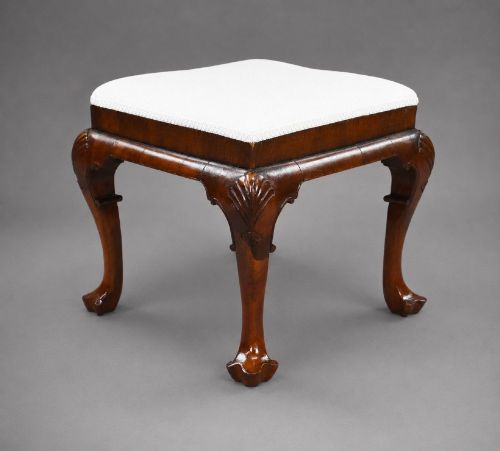
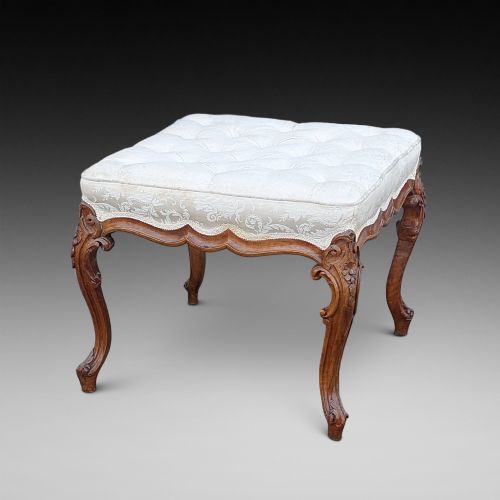
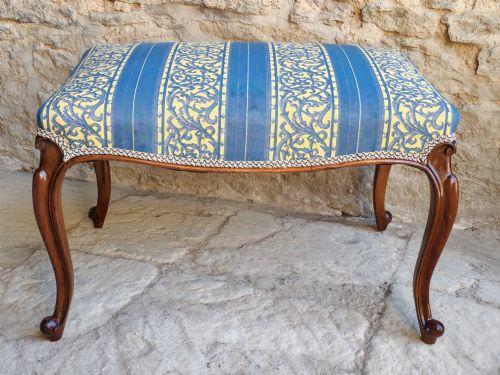
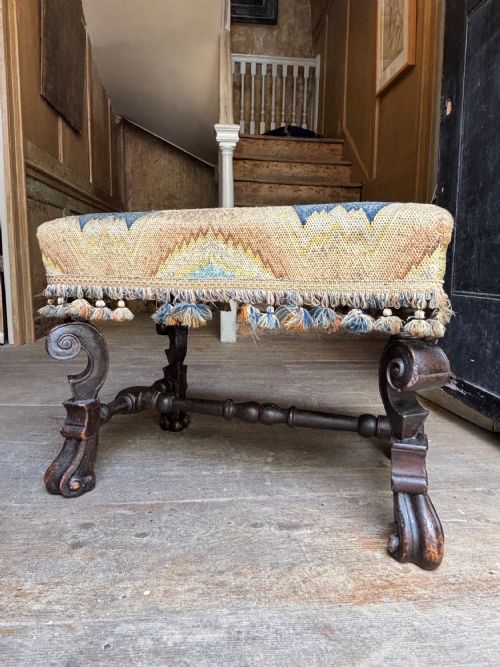
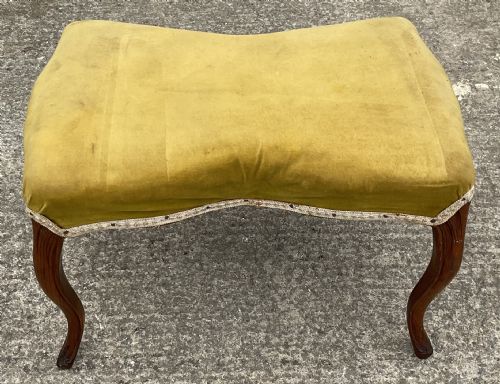
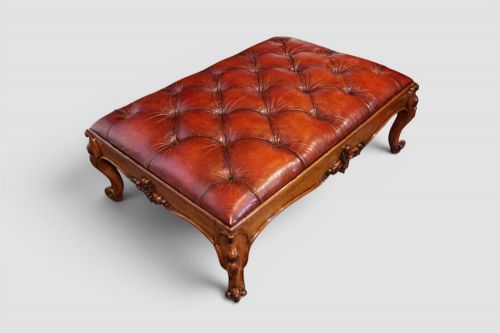
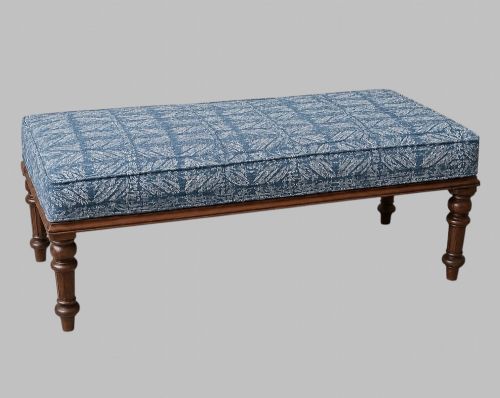
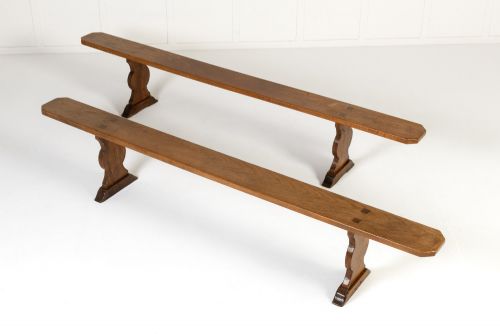
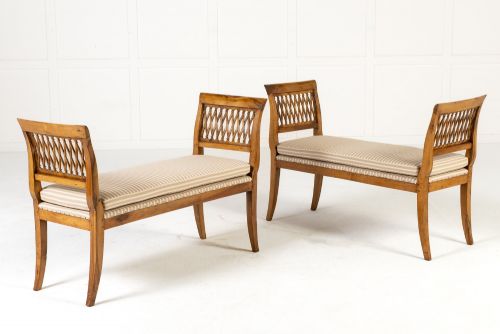
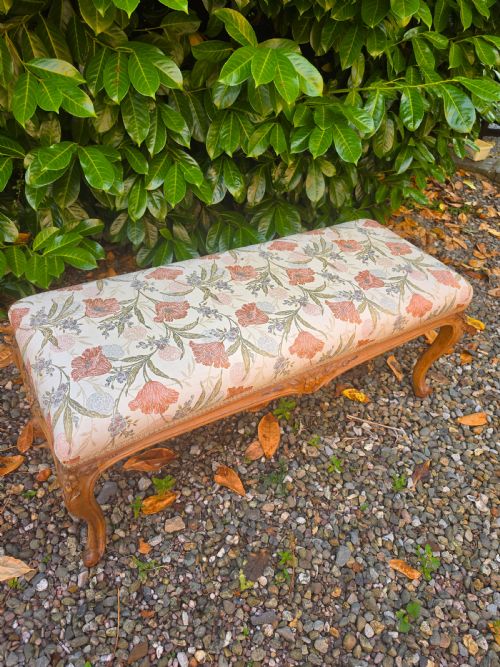
When searching for an antique walnut bench, buyers encounter a diverse group of seating furniture that includes long hall benches, window seats, footstools, and larger settees. The most frequent examples appearing in the selection are Victorian and nineteenth-century pieces, often featuring carved cabriole legs and upholstered tops.
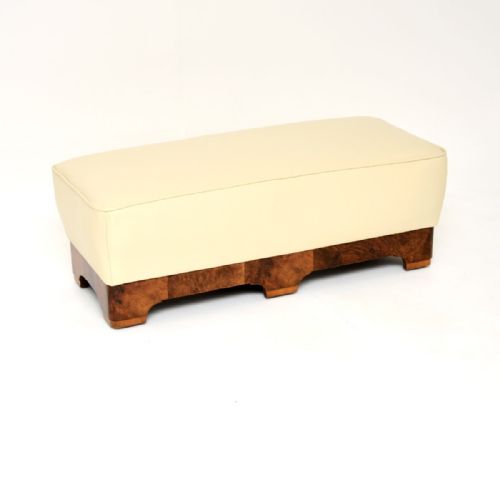
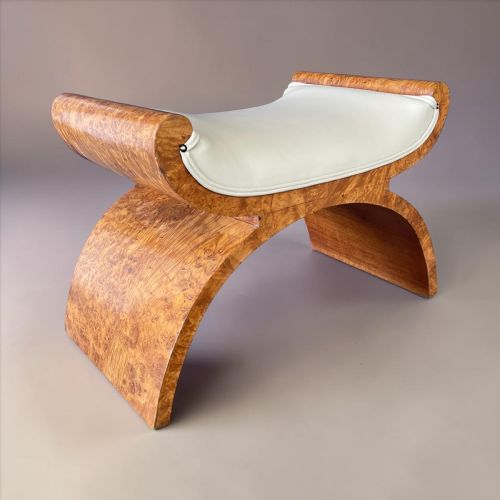
The category extends across multiple centuries, accommodating seventeenth-century baroque forms, eighteenth-century Queen Anne style settees, and twentieth-century Art Deco dressing table stools. These objects served various domestic functions, from waiting room seating and piano benches to hallway rests and bedroom dressing seats.
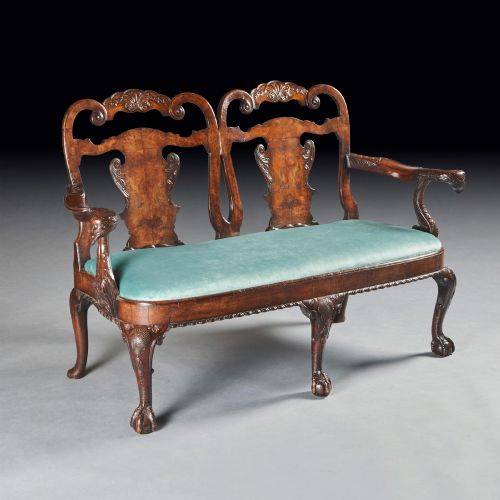
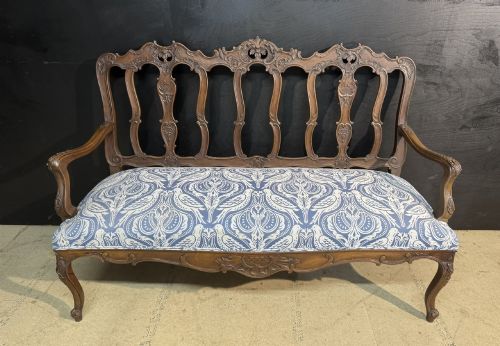
Makers and designers working in different eras adopted distinct regional styles, such as French chateau window seats, Italian carved cassapanca benches, and English twin chair back sofas. Despite this variety in form and function, walnut timber remains the unifying material across the selection.
What varies in quality
The standard of carving and timber selection dictates the distinction between ordinary production and finer craftsmanship. Deeply carved ornamentation on the walnut frame, balanced proportions, and the use of highly figured veneers elevate the character of a piece.
The integrity of the construction and the quality of the upholstery materials, whether original hand-dyed leather, antique tapestry, or professional textile coverings, determine the overall execution of the seating.
The listings span from the seventeenth century through to Art Deco pieces from 1930, utilising walnut, leather, velvet, and tapestry.
Harry and Lou Epstein·Howard and Sons·Robert Kime
The Antique Walnut Bench Glossary
- Cabriole leg
- A furniture leg that curves outward and then tapers inward, finishing in a pad, scroll, or claw foot. This form mimics animal legs and appears frequently on eighteenth-century and Victorian furniture.
- Cassapanca
- A traditional Italian wooden bench featuring a high back, armrests, and a storage box beneath the seat. These heavy hall benches are often carved from walnut.
- Window seat
- A narrow bench designed specifically to fit into the recess of a window. These seats frequently feature upholstered tops and short wooden legs.
- Duet stool
- An elongated piano stool or seating bench designed to accommodate two players at once. They often include internal storage compartments beneath the hinged seat.
- Daybed
- A long seating item intended for reclining during the day, combining the characteristics of a chair and a bed. Examples often incorporate carved wooden frames and upholstered mattresses.
Antique Walnut Bench: Frequently Asked Questions
How do I use a walnut bench at home?
These benches fit easily into hallways for putting on shoes, place themselves naturally at the foot of a bed, or serve as window seats in living areas. Smaller stools function well as moveable footstools or low coffee tables when paired with a tray.
Larger settees and daybeds provide principal seating in studies or dressing rooms. Their substantial timber frames and upholstered surfaces introduce both texture and practical seating to domestic spaces.
What is the difference between a window seat and a hall bench?
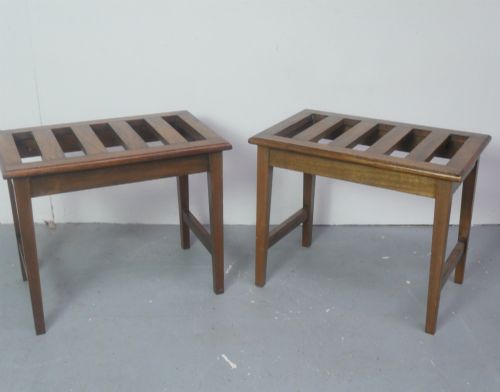
Window seats are generally lower, narrower pieces designed to sit beneath glazing without blocking light, often featuring upholstered tops and decorative frames. Hall benches tend to be taller, stiffer pieces intended for entryways, occasionally incorporating solid wooden seats or carved backrests for upright sitting.
While window seats prioritize comfortable upholstery for prolonged sitting, hall benches focus on durable construction and storage or display capabilities. Both forms utilise walnut framing, but their intended domestic placement shapes their physical height and backrest design.
How do I identify a Victorian walnut piece?
Victorian walnut seating typically displays darker timber tones, robust carved cabriole legs, and buttoned upholstery finishes in leather or heavy fabric. The proportions are often generous, reflecting the decorative tastes of the nineteenth century.
Detailing on these pieces frequently includes floral carvings, scrollwork, and exposed walnut frames surrounding padded elements. Comparing the leg turnings and joinery helps separate mid-nineteenth-century examples from later revival pieces.
Are these benches suitable for daily use?
Most antique walnut benches are structurally sturdy enough for daily seating, provided the joints remain tight and the internal frame is sound. Pieces with fresh upholstery or reinforced frames handle regular use in hallways and bedrooms without issue.
Delicate antique pieces with intricate carvings or historic cane work require more careful treatment to preserve fragile materials. Checking the stability of the legs and the tension of the webbing ensures safe everyday sitting.