


Antique Walnut Accent Chair
Looking for an antique walnut accent chair? These timber seating pieces bring deep grain and period character into modern rooms.
What an antique walnut accent chair is
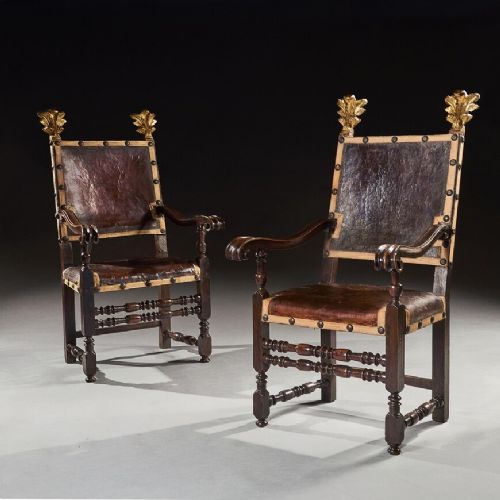
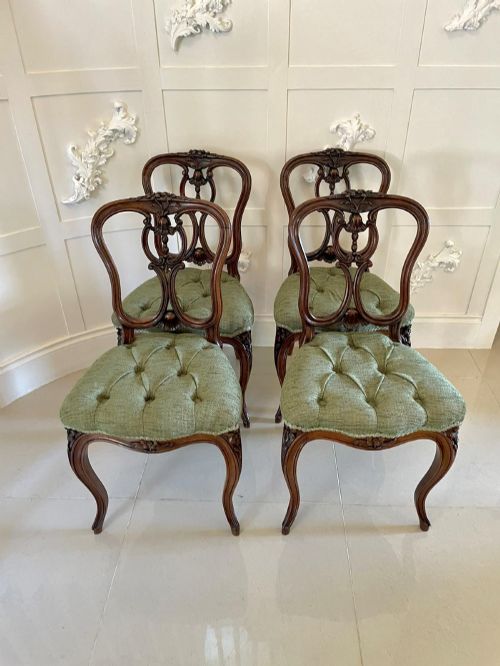
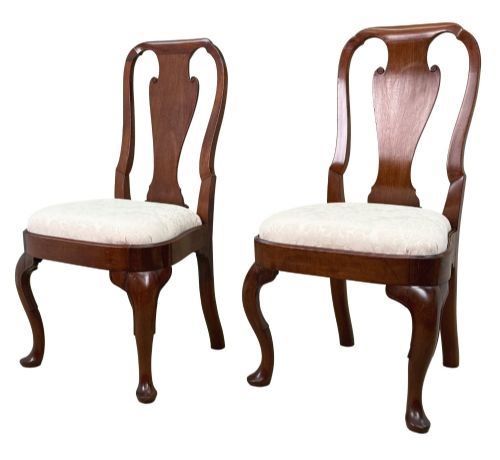
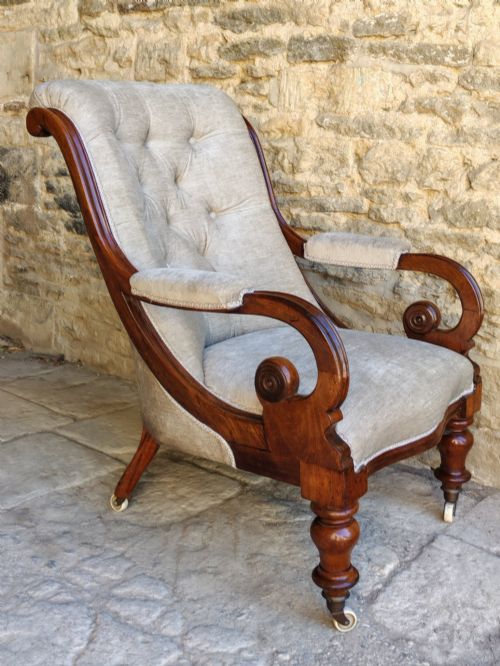
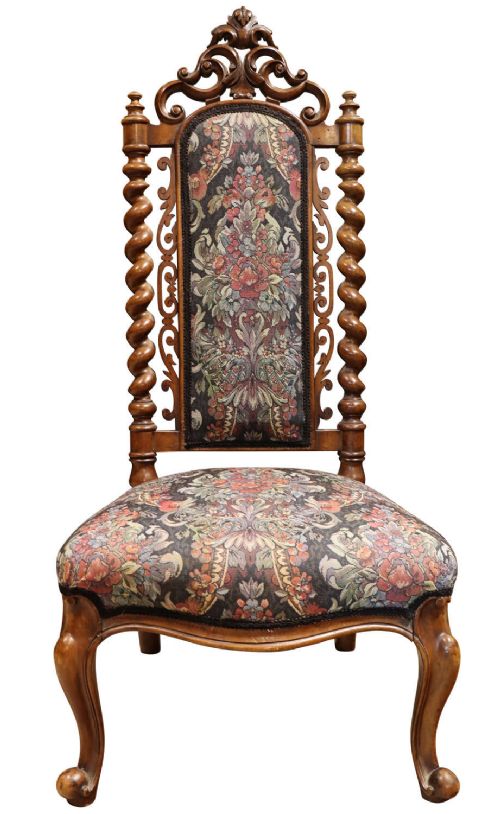
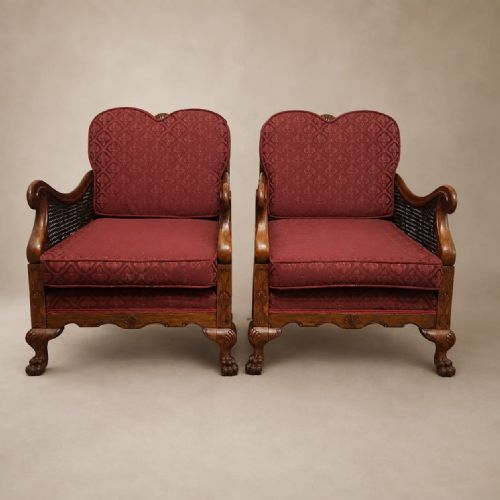
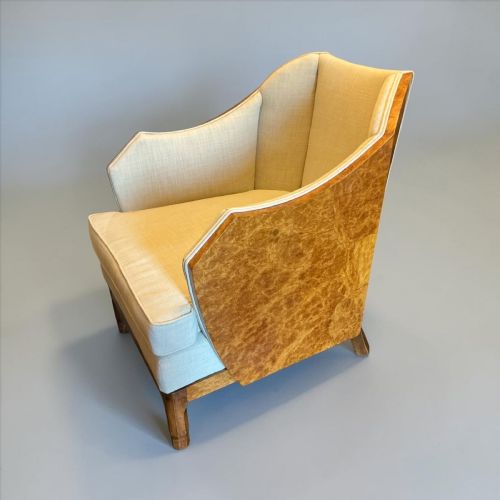
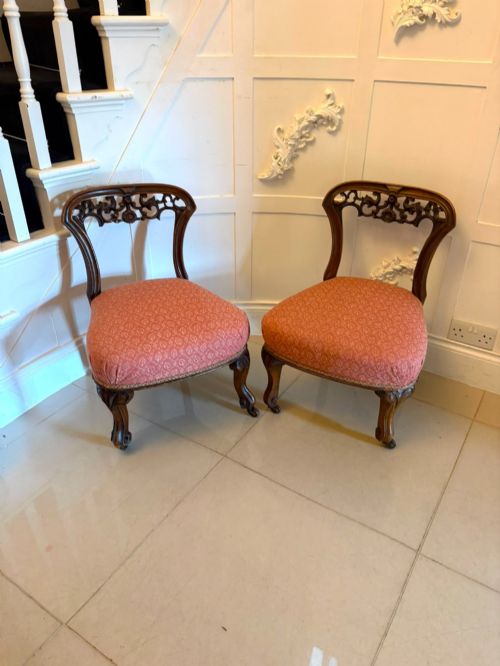
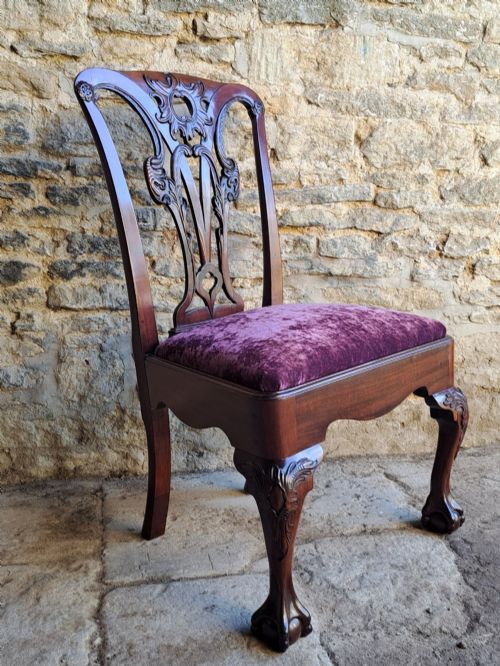
An antique walnut accent chair provides compact, decorative seating drawn from several distinct periods of furniture history. Buyers searching for an antique walnut accent chair encounter forms ranging from late seventeenth-century caned seats to Victorian nursing chairs and mid-eighteenth-century side chairs.
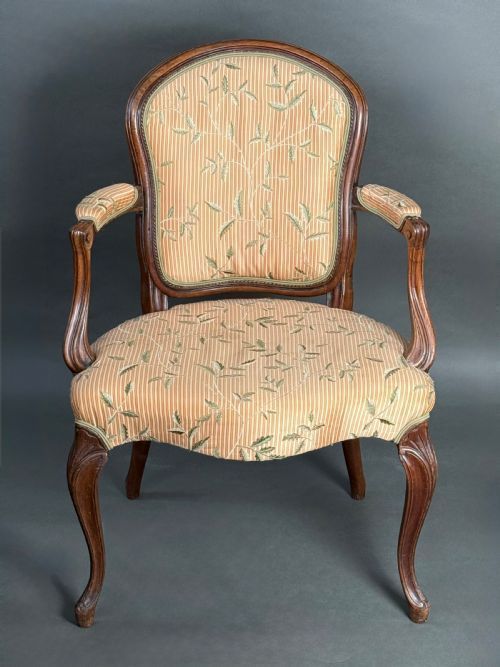
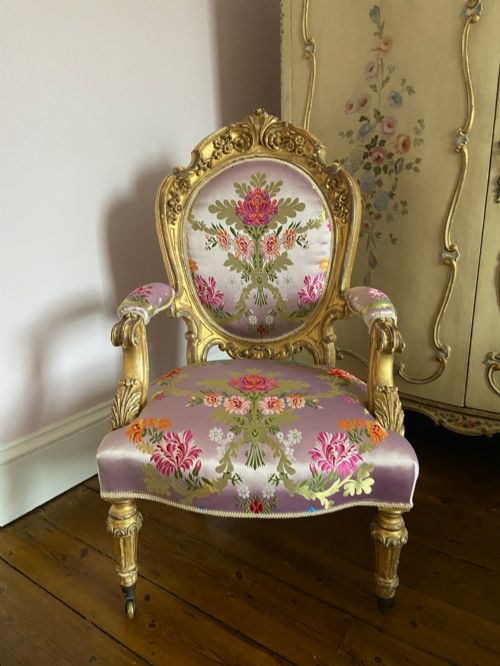
The selection on this page demonstrates various regional interpretations, including Irish craftsmanship, Carolean taste designs, and French farmhouse fauteuils. These pieces function as occasional seating in drawing rooms, bedrooms, and parlours, combining structural timber frames with period upholstery or exposed woodwork.
How they were made
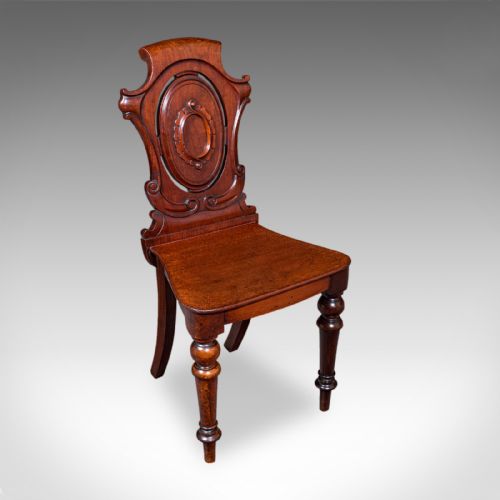
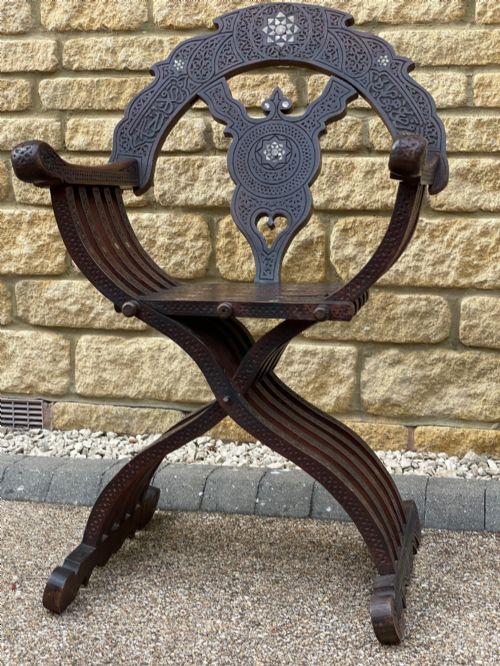
Cabinet makers utilised solid walnut timber to construct the structural frames, often incorporating carved details, high backs, and open arms. Wood surfaces were finished with natural polishing methods, and certain examples received painted treatments in line with specific stylistic tastes.
Upholstery techniques varied across the centuries, employing materials such as velvet, damask fabric, needlepoint tapestry, and wool. Additional construction elements included caned seating panels and brass hardware details.
Retail Price Guide 2026
Typical UK retail prices for walnut accent chair, calculated from the Sellingantiques database of over a million retail prices indexed since 2003. This retail price guide relies exclusively on Sellingantiques data; no external sources or auction records are used, so the figures do not describe the wider market.
One chair bears the quiet evidence of an eighteenth-century farmhouse kitchen, having survived generations of family life in solid walnut.
What varies in quality
Quality rests in the crispness of the timber carving and the integrity of the walnut grain across the frame. Pieces featuring sophisticated joinery and well-preserved structural proportions stand apart from simpler vernacular examples.
The grade of the secondary materials, from fine damask and needlepoint to traditional caning, influences the overall refinement of the piece. Authenticity of the period surface finish further determines the standing of an individual chair within its type.
The Antique Walnut Accent Chair Glossary
- Carolean
- Pertaining to the reign of Charles II, known for rich carved walnut woodwork, scrolling motifs, and high backs. This style heavily influenced later revival furniture.
- Fauteuil
- An open-armed upholstered armchair originating in France, typically featuring exposed wooden framing around the back and armrests. These pieces combine formal elegance with comfortable proportions.
- Caning
- A seating technique using woven rattan strips to create a light, flexible panel within a wooden frame. It appears frequently on seventeenth-century walnut chairs.
- Nursing chair
- A low-seated Victorian chair designed originally for infant care, featuring an upholstered back and seat. These chairs often sit lower to the ground than standard parlour seating.
Frequently Asked Questions
Where should I place an antique walnut accent chair?
These chairs suit drawing rooms, bedrooms, and reading corners where their decorative timber frames can be appreciated. Their compact scale makes them ideal as occasional seating rather than primary lounge chairs.
Position them away from direct sunlight and heat sources to protect the historic walnut timber and any textile or caned elements from drying out over time.
How do I care for walnut wood and period upholstery?
Maintain the timber by dusting regularly with a soft, dry cloth and applying appropriate furniture wax sparingly when the surface appears dry. Avoid commercial silicone sprays that can damage historic polishes.
For upholstered components featuring velvet, wool, or needlepoint, rely on gentle vacuuming with a soft brush attachment. Professional textile cleaning is recommended for antique fabric preservation.
What is the difference between a side chair and an armchair?
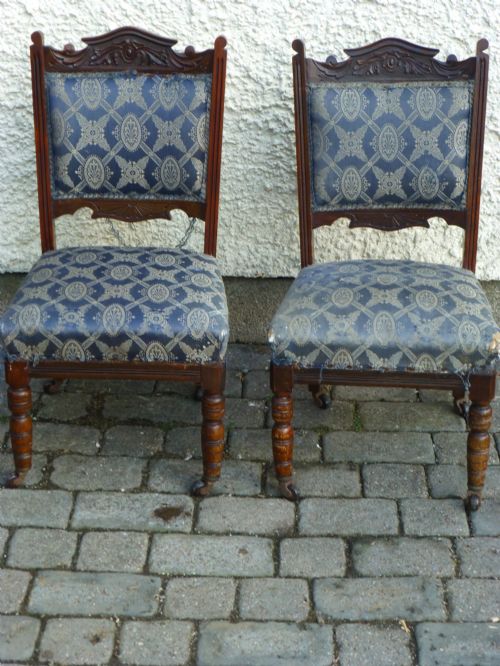
Side chairs are built without armrests, making them narrower and easier to tuck against a wall or around a table when not in use. They provide upright support for occasional sitting.
Armchairs incorporate structural armrests for added comfort and visual presence, often serving as focal points within a room arrangement.
How can I tell a Victorian chair from an eighteenth-century one?
Eighteenth-century examples often exhibit simpler, structural lines associated with Georgian or Carolean tastes, utilising solid walnut and traditional joinery methods. The proportions tend to reflect earlier domestic habits.
Victorian pieces, such as nursing chairs and drawing room seats, frequently display revival styling, heavier upholstery, and lower seat heights designed for nineteenth-century comfort.