


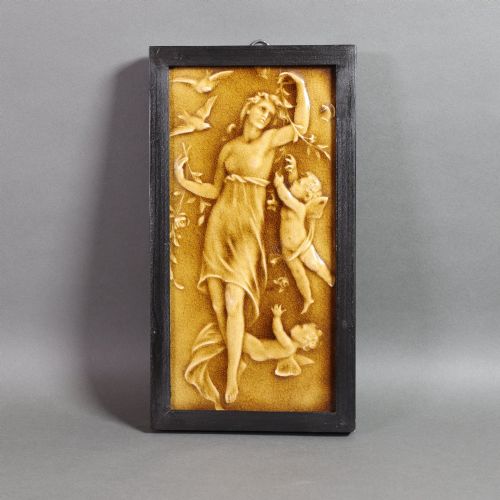
Antique Wall Hanging Frame
When you search for an antique wall hanging frame, you encounter the timber, giltwood and textile enclosures that display mirrors, paintings and needlework on period walls.
Antique Wall Hanging Frame
An antique wall hanging frame primarily supports mirrors, oil paintings, tapestries and decorative plaques designed to mount directly onto domestic walls. Buyers seeking this category most frequently meet nineteenth-century giltwood, gesso and timber frames alongside eighteenth-century walnut examples and fabric-mounted panels.
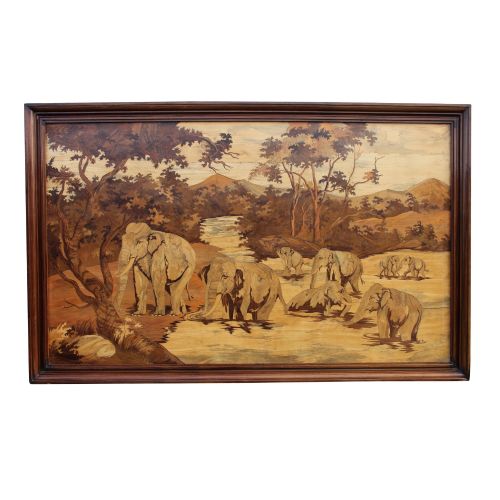
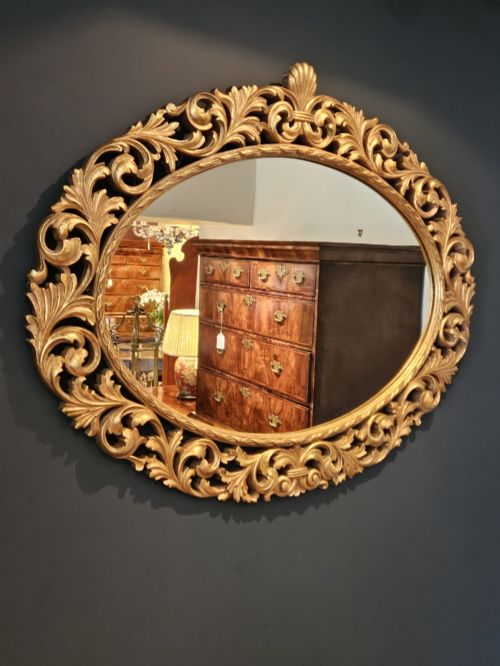
The objects span varied domestic and decorative forms, ranging from overmantle mirrors and carved oval frames to needlework pictures and embroidered textile panels housed in rosewood or walnut surrounds. Chronologically, the selection extends from seventeenth-century classical fragments through Georgian and Victorian revivals up to early twentieth-century pieces.
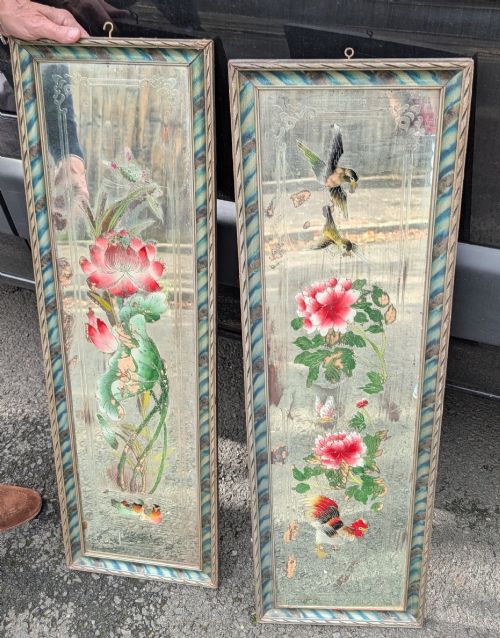
Origin and regional style shape these pieces, with French, Italian, Dutch and English workshops contributing distinct carving traditions, from Florentine gilt wood to Chinoiserie and neoclassical painted panels. Such variety ensures that collectors encounter functional mirrors and purely decorative wall art alike.
How They Were Made
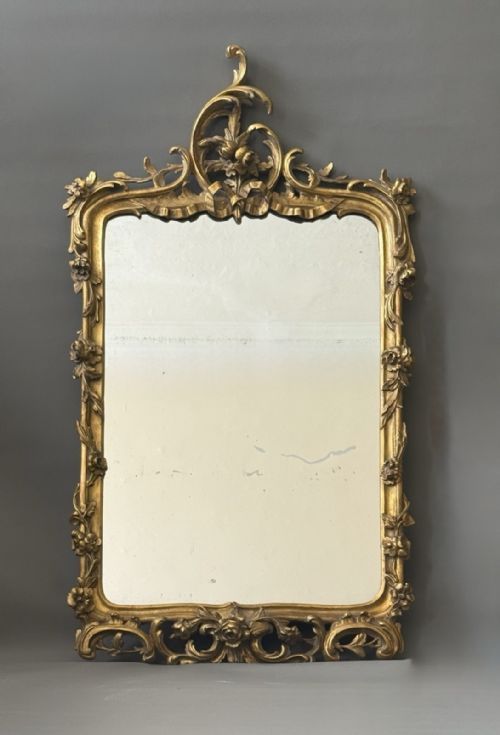
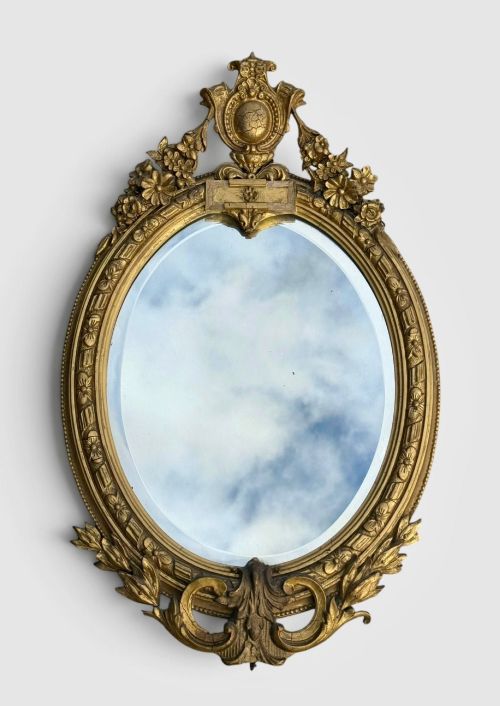
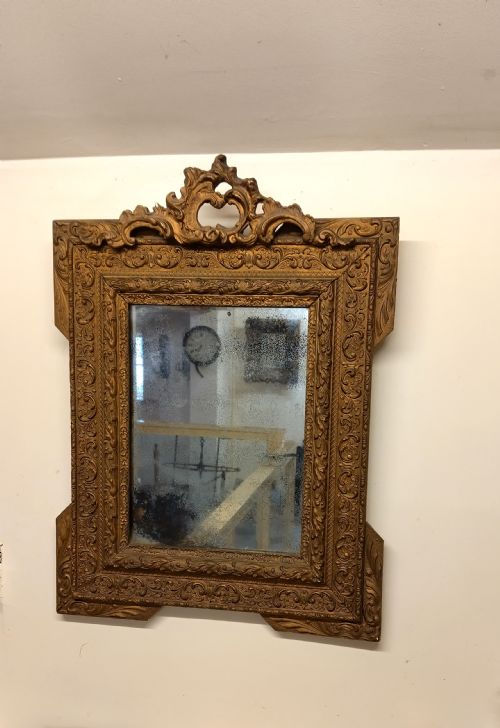
Carvers shaped solid timber foundations from walnut, oak, mahogany and maple, often applying layers of gesso to build intricate relief ornament before gilding the surface with gold leaf or silver-gilt. Composition ornaments and plaster reliefs provided alternative methods for creating elaborate floral, mythological and rococo scrolls without carving every detail by hand.
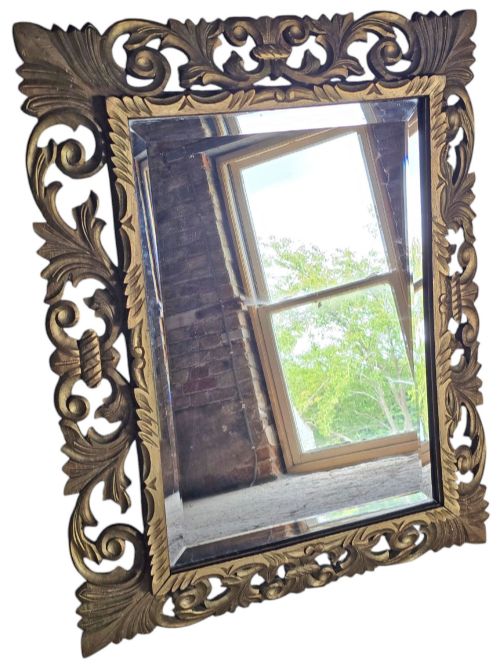
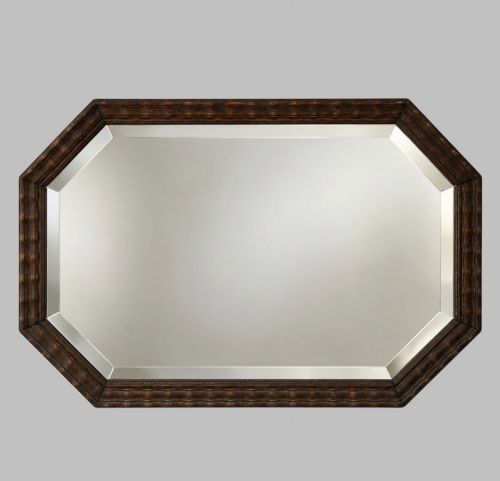
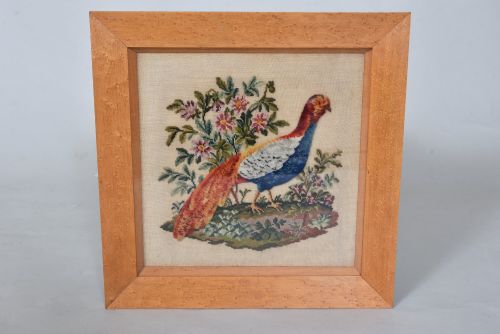
Makers integrated glass plates, frequently bevelled or engraved, into wooden and giltwood surrounds using traditional glazing and backing techniques suited to mirrors and overmantles. Textile pieces utilised wool, silk and needlework petit point, secured within timber frames like rosewood to protect the fabric against dust and handling.
Listings feature periods spanning from the seventeenth century through to the 1920s, incorporating glass, giltwood, gesso, wool and silk.
What Varies In Quality
The depth and sharpness of the hand-carved detail distinguish finer frames from simpler production pieces, particularly where gesso ornaments meet the wooden substrate. Crisp execution in floral vines, masks and classical motifs separates superior workshop output from softer, later mouldings.
Original surfaces and gilding condition govern the integrity of a piece, with undisturbed patination and original mirror plates holding greater appeal than heavy later interventions. The harmony between the framing material and the artwork, mirror or tapestry it encloses dictates the overall coherence of the object.
Waring and Gillow
The Antique Wall Hanging Frame Glossary
- Gesso
- A plaster-like mixture applied to wood frames as a base for carving and gilding. This material allows artisans to achieve sharp relief details that take gold leaf smoothly.
- Giltwood
- Timber coated with gold leaf over a prepared ground. It defines the lustrous finish seen on many formal wall mirrors from the eighteenth and nineteenth centuries.
- Petit point
- A counted-thread embroidery executed on canvas using diagonal stitches. It creates finely detailed pictorial scenes often found preserved in nineteenth-century wall hanging frames.
- Overmantle
- A large mirror or panel designed specifically to hang on the wall directly above a fireplace mantel. These pieces frequently feature extended horizontal proportions and elaborate crestings.
- Parcel gilt
- Woodwork where only specific carved elements or raised details receive gilding while the surrounding timber remains exposed. This technique highlights particular decorative motifs against a walnut or mahogany ground.
Antique Wall Hanging Frame: Frequently Asked Questions
How do I hang a heavy antique frame safely?
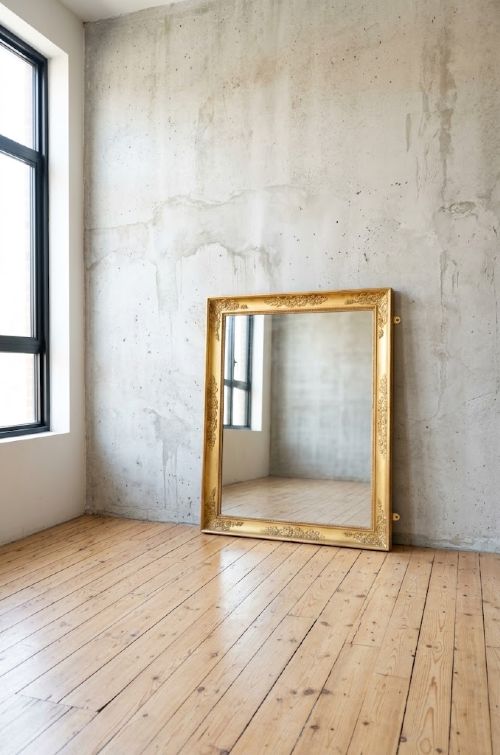
Heavy giltwood and timber frames require secure wall fixings distributed across appropriate load-bearing points rather than relying on a single picture wire. Using professional mirror brackets screwed into wall studs ensures the weight is supported safely.
For fragile plaster or gesso ornaments, take care to avoid resting the decorative cresting against hanging hardware. Professional installation prevents accidental stress on antique joints and corner mitres.
Can I replace the glass in an old mirror?
Original antique mirror plates often display desirable silvering losses, foxing and distortion that contribute to their period character. Retaining the original glass maintains the historical integrity of the piece.
When replacement is unavoidable due to damage, opt for silvered glass that respects the thickness and bevelling style of the original surround. Avoid modern high-reflectivity glass where possible to preserve the visual softness of the frame.
What is the difference between an overmantle and a wall mirror?
Overmantle mirrors are specifically scaled to hang above fireplace mantels, often possessing wider horizontal proportions to anchor the architectural space of a room. Standard wall mirrors are designed for general vertical placement across hallways, living spaces and bedrooms.
While construction techniques overlap, overmantles often feature more elaborate crestings and architectural mouldings suited to focal hearth positions. Both types utilise similar timber and gesso construction methods.