
Antique Wall Bracket Light
These antique wall bracket light fixtures bring character and illumination to a room, offering period charm through brass, bronze, and carved wood.
Antique Wall Bracket Light
An antique wall bracket light delivers both functional illumination and decorative presence, drawing on centuries of lighting design for interior spaces. Buyers searching this phrase encounter fixtures ranging from simple brass and copper brackets to ornate giltwood and bronze confections.
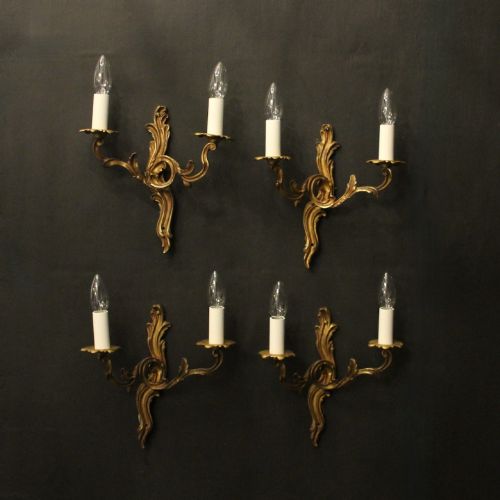
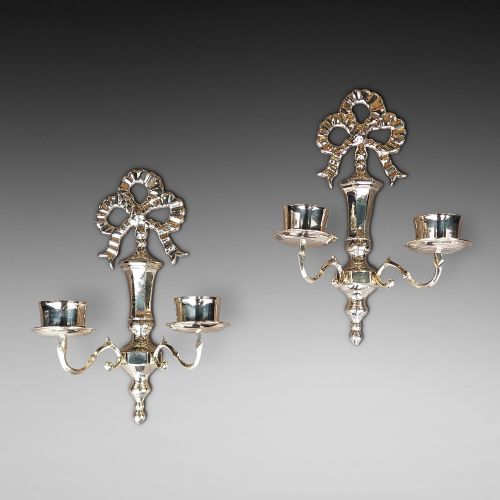
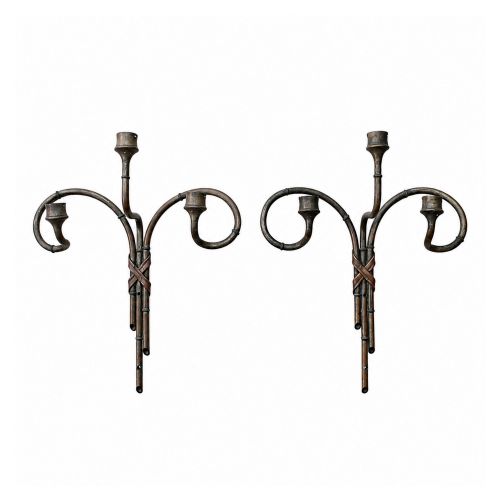
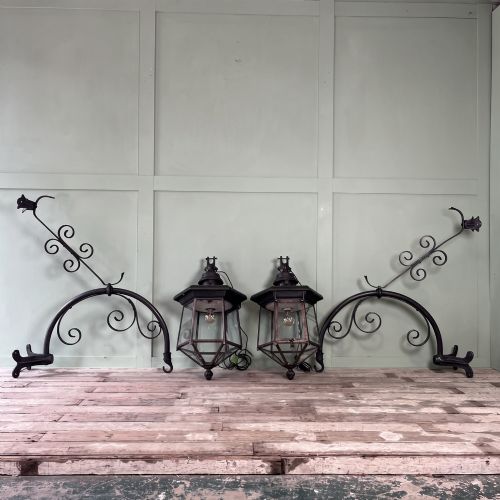
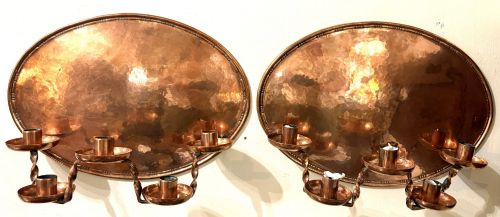
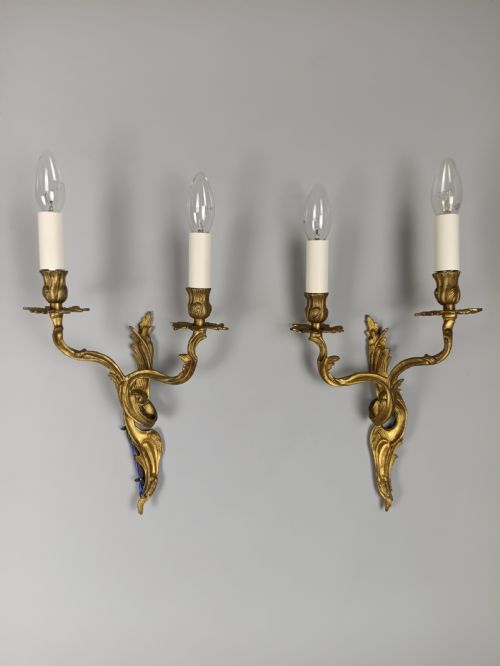
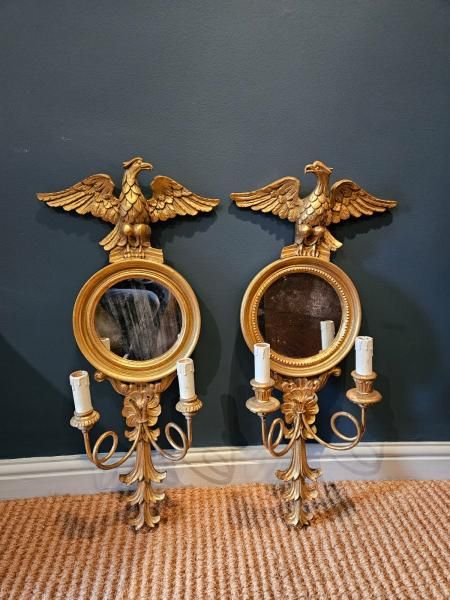
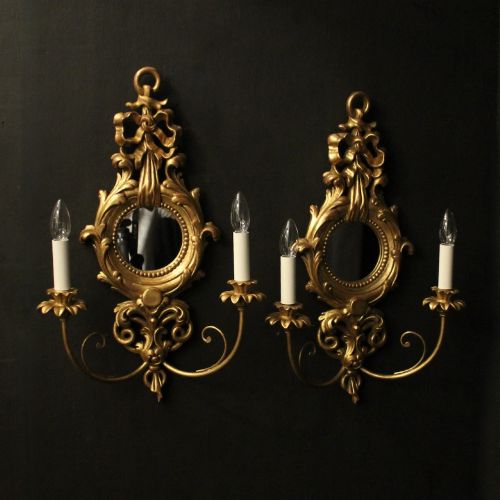
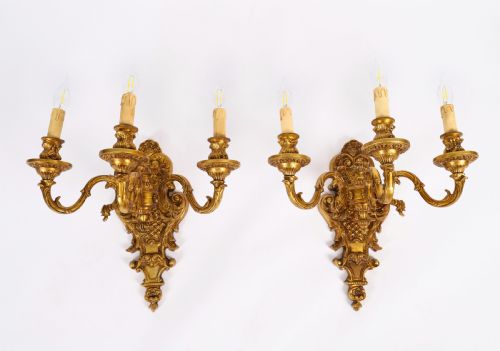
The selection includes French Rococo revival pieces, Edwardian brass designs, and Arts and Crafts copper sconces alongside practical lanterns and mirrored backplates. Pieces frequently appear as pairs or larger sets, originating from English, French, and Italian workshops across the nineteenth and early twentieth centuries.
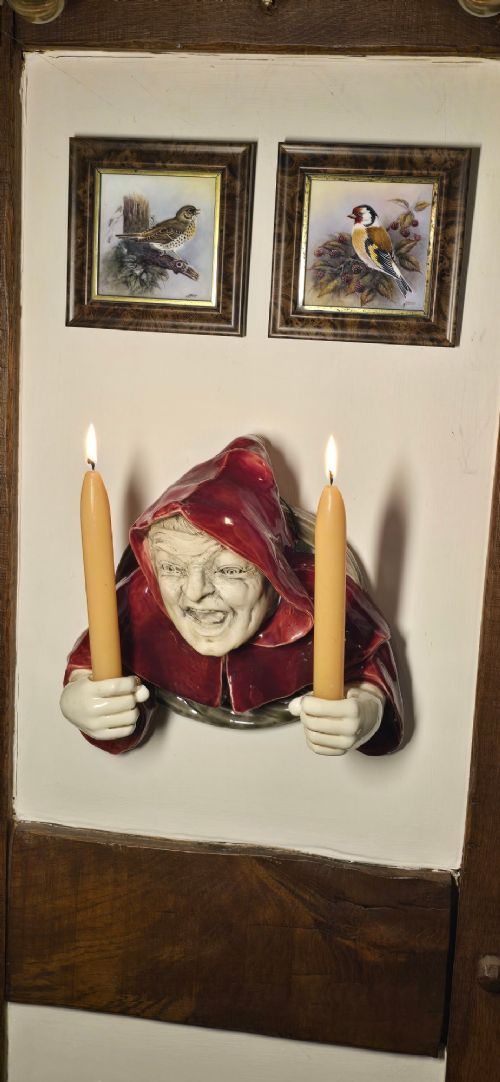
Form follows function in these wall-mounted pieces, which hold single or multiple candles and electric bulbs on projecting arms or brackets. The evidence points to domestic interiors outfitted with cast metal, hand-carved wood, and pottery figures serving as structural mounts.
Materials and construction methods
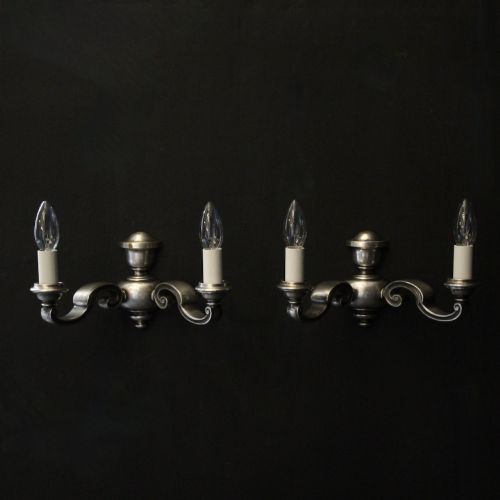
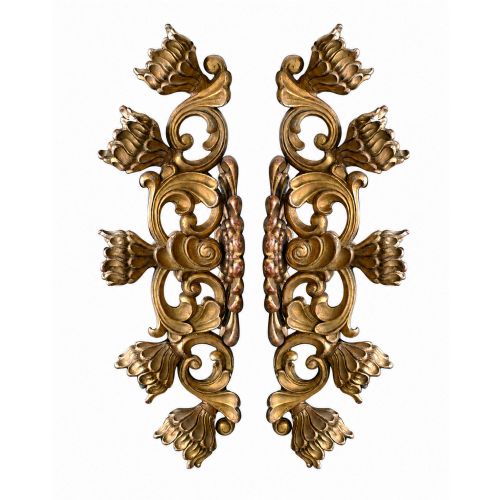
Metalworking dominates the construction of these fixtures, utilising cast brass, bronze, copper, and silver-plated or silver-gilt finishes. Ormolu and gilt bronze provide rich surface decoration on French models, while silvered brass and iron serve utilitarian and decorative roles alike.
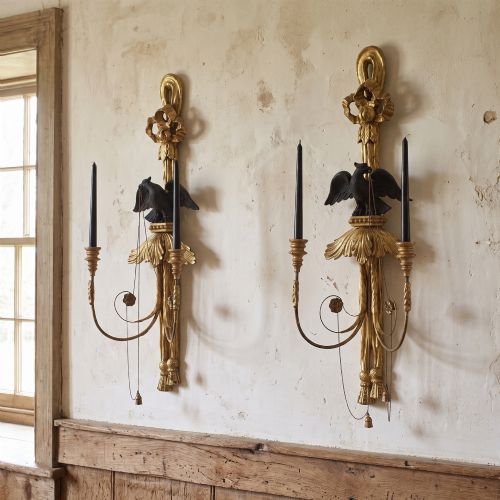
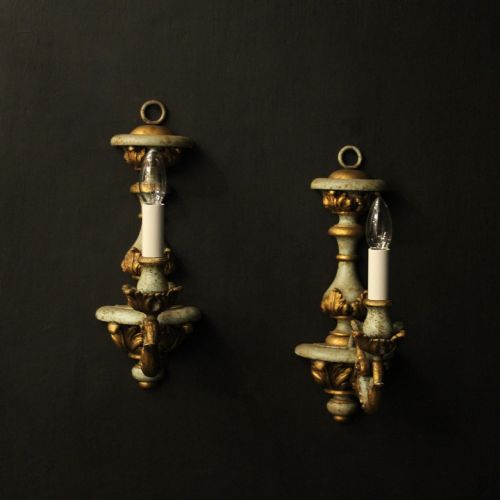
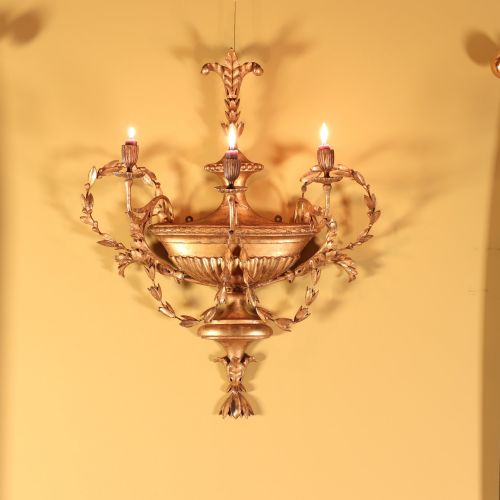
Woodworking and carving appear in giltwood and gesso pieces, particularly in Italian and English styles employing deep relief work. Hand-carved details, applied gesso, and polychrome painted finishes require skilled craftsmanship to support protruding candle arms.
Glass elements, including prismatic shades and mirrored backplates, integrate with metal brackets to multiply light output within a room. Structural integrity relies on sturdy wall mounts, often taking the form of spiral twist brackets or heavy cast backplates.
Materials documented across the inventory include copper, brass, gesso, giltwood, silver-plated metal, and prismatic glass.
Judging quality and craftsmanship
Quality rests in the crispness of the casting and the depth of the hand-carving on wooden frames. Superior pieces display finely chased details in bronze and brass, whereas lesser examples show softer edges and simplified surface ornament.
The choice of materials dictates the upper tier of the range, where heavy fire-gilded ormolu and genuine giltwood outshine standard plated metals. Original matching sets and pairs command attention for their symmetry and unified patination across all component arms.
Proportion and structural balance separate exceptional brackets from ordinary ones, particularly in large multi-arm sconces and architectural lanterns. The integration of supporting brackets with the main light body reveals the maker's architectural understanding.
REVO Leicester·F. and C. Osler·Meissen
The Antique Wall Bracket Light Glossary
- Ormolu
- Gilded bronze produced by applying a mercury and gold amalgam to a bronze object. This technique creates a durable, luminous golden surface found on fine French pieces.
- Girandole
- An ornamental branched wall light or candelabrum, frequently incorporating a mirrored backplate to reflect and amplify the illumination.
- Gesso
- A plaster-like mixture applied to wood surfaces as a base for gilding or painting. It allows craftsmen to carve intricate relief details before applying gold leaf.
- Applique
- A French term for a wall-mounted light fixture or sconce. It designates a decorative bracket fixed directly to the wall surface.
- Adam revival
- An architectural and decorative style inspired by neoclassical motifs. It draws upon ancient Roman design with symmetrical urns, swags, and delicate foliage.
Antique Wall Bracket Light: Frequently Asked Questions
How do I wire an antique wall bracket light?
Many antique wall lights arrive rewired or ready for modern electrical installation by a qualified professional. The hollow arms and backplates often accommodate contemporary wiring without altering the exterior appearance.
For fixtures retaining original candle sockets, technicians adapt the internal fittings to accept standard modern bulbs while preserving the historical housing.
Were these lights originally meant for candles or electricity?
The earlier pieces in this category, dating from the seventeenth through the nineteenth centuries, were designed exclusively for wax candles. These feature drip pans and spike mounts intended to catch melted wax.
By the late nineteenth and early twentieth centuries, fixtures began incorporating gas or electric fittings alongside traditional candle arms to suit changing domestic technology.
How should I clean gilded bronze and brass?
Gilded bronze and ormolu require gentle dusting with a soft, dry brush to prevent the abrasive removal of the thin gold layer. Moisture and chemical polishes strip the historic surface patination permanently.
Unlacquered brass develops a natural oxidation over time, which most collectors prefer to leave undisturbed rather than polishing to a bright shine.
How do I distinguish French Rococo revival from English styles?
French Rococo revival fixtures display asymmetrical scrollwork, naturalistic shell motifs, and exuberant organic curves executed in heavy gilt bronze. They emphasise fluid movement across multiple branching arms.
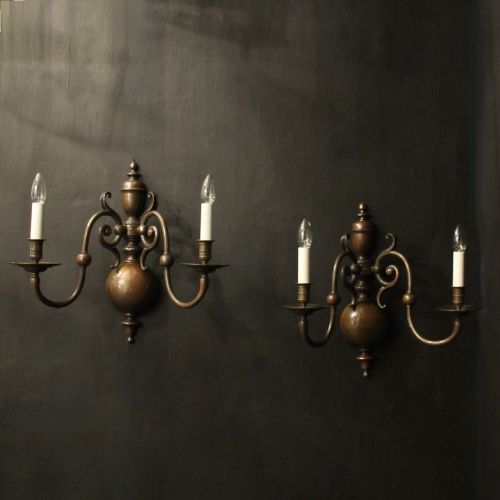
English and American interpretations tend toward greater structural symmetry, incorporating classical revival elements such as Adam urns, restrained wooden giltwood frames, and disciplined geometric balance.