



Late Victorian Wall Sconce
A late victorian wall sconce brings period warmth to a room, offering candle or mirror light through nineteenth-century design.
Late Victorian Wall Sconce
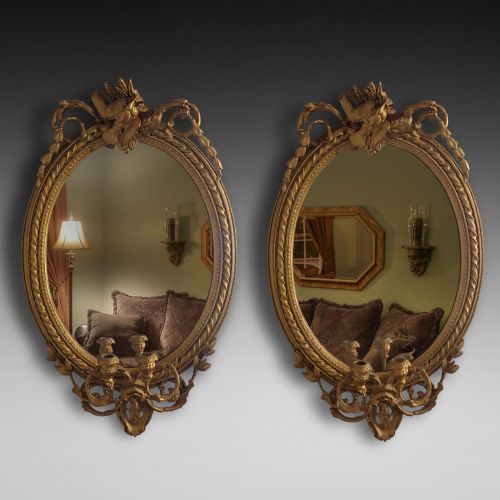
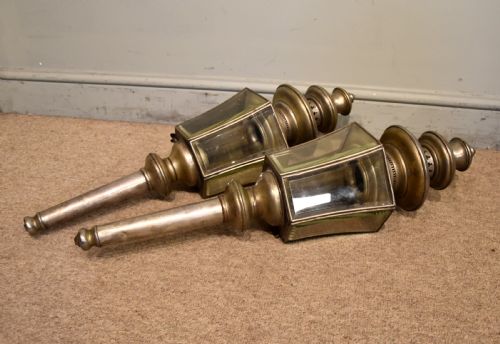
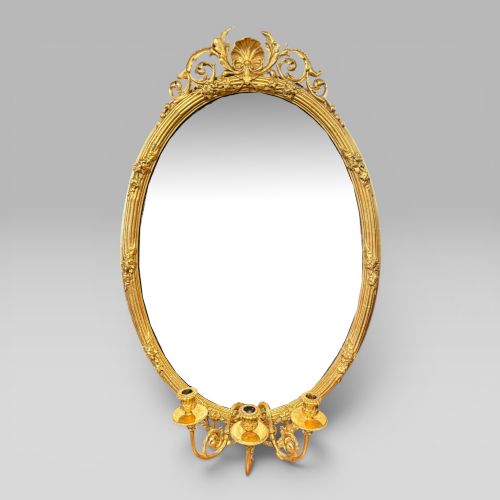
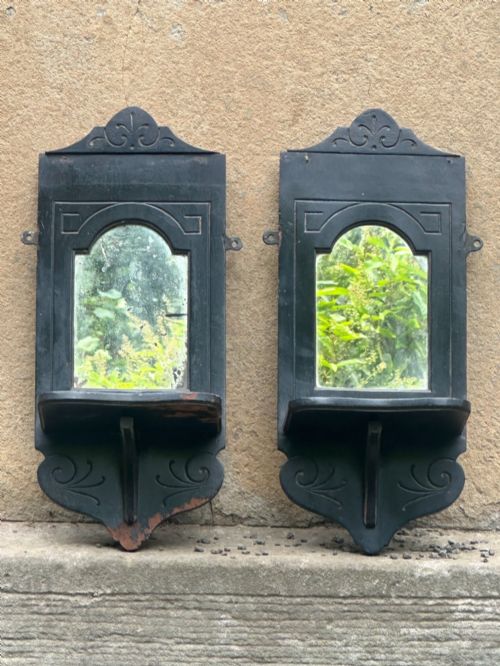
When you search for a late victorian wall sconce, you encounter a selection of nineteenth-century lighting and mirrored fixtures originating from the Victorian era, alongside pieces touching the Edwardian period and 1900. These items primarily manifest as girandoles, wall mirrors, wall lights, and wall lanterns.
The objects frequently appear in pairs, spanning styles such as Victorian Rococo Revival, Neo-Classical, Belle Epoque, Aesthetic Movement, Chinoiserie, and Orientalist. Origin and design variety reflect the eclectic tastes of the late nineteenth century.
The most common forms on this page include gilded girandoles, mirrored sconces, and coach-house style wall lanterns. Each piece utilises period materials suited to domestic wall placement and candle illumination.
Materials and construction methods
Maker construction relies on brass, copper, bronze, and gilt metal combined with mirror glass, cut glass, and plain glass. Giltwood, gilt wood, and gilt painted plaster also provide ornate framing for reflective surfaces.
Finishes range from verdigris patinated copper on neo-classical coach-house lanterns to detailed gilt carving on mirrored sconces. Metalwork and carved wood form the structural chassis supporting candle arms and glass panels.
Current listings feature glass, brass, mirror glass, metal, giltwood, gilt metal, gilt wood, and plaster across the Victorian, 1900, and Edwardian periods.
Distinguishing quality in period wall sconces
Quality rests in the crispness of the carving or metal casting, particularly within styles like Victorian Rococo Revival and Neo-Classical design. Finer pieces demonstrate precision in gilded surfaces and secure joinery between glass, metal, and wood elements.
The integrity of the mirror glass and the purity of cut glass components elevate an object. Original patination on bronze, copper, and brass surfaces likewise separates standard workshop output from exceptional examples.
Cottier and Co
The Late Victorian Wall Sconce Glossary
- Girandole
- A branched wall-light or candle sconce incorporating a mirror backplate. This form reflects candle illumination into the room while adding decorative weight to a wall.
- Sconce
- A wall-mounted lighting fixture designed to hold candles or lamps. Historical examples often pair metal arms with reflective backplates.
- Giltwood
- Timber treated with gold leaf or gold paint to simulate solid gold. It provides a bright, reflective surface popular in nineteenth-century decorative schemes.
- Verdigris
- A green patina formed naturally or chemically on copper, brass, or bronze surfaces. This weathered coating indicates age and exposure in outdoor or coach-house lighting.
- Aesthetic Movement
- A late nineteenth-century design style emphasising visual beauty over narrative or moral themes. Pieces in this manner often draw on diverse cultural motifs.
Late Victorian Wall Sconce: Frequently Asked Questions
What is a girandole?
A girandole is a decorative wall sconce or mirror featuring candle holders attached to the frame. The integrated mirror plate multiplies the available light in a space.
These pieces served functional and decorative roles in nineteenth-century interiors, combining illumination with ornate woodwork or metal casting.
Where were wall sconces placed?
Wall sconces typically hung in principal rooms such as drawing rooms, dining rooms, and hallways. Positioning them near windows or opposite fireplaces maximised candlelight.
Coach-house lanterns and exterior wall lights were mounted beside doorways or along passageways for practical illumination.
How do I care for giltwood?
Giltwood requires gentle dusting with a soft, dry brush to protect the delicate gold leaf or paint finish. Moisture and harsh cleaning agents damage the surface.
Keeping the pieces away from direct sunlight and damp environments preserves the underlying wood and gilt layers.
How do I date these pieces?
Dating relies on stylistic clues, construction techniques, and material wear consistent with the nineteenth and early twentieth centuries. Specific revivals like Rococo Revival or Aesthetic Movement point to particular decades.
Backplates, mirror bevelling, and fastener types help distinguish Victorian manufacture from later reproductions.