
Antique Vessel in Bottle
An antique vessel in bottle brings together maritime folk art, hand blown glass, and intricate ceramic containers crafted across the eighteenth and nineteenth centuries.
Antique Vessel in Bottle
The antique vessel in bottle selection spans maritime folk art dioramas featuring model sailing ships, alongside functional glass decanters, carboys, and ceramic bottle vases.
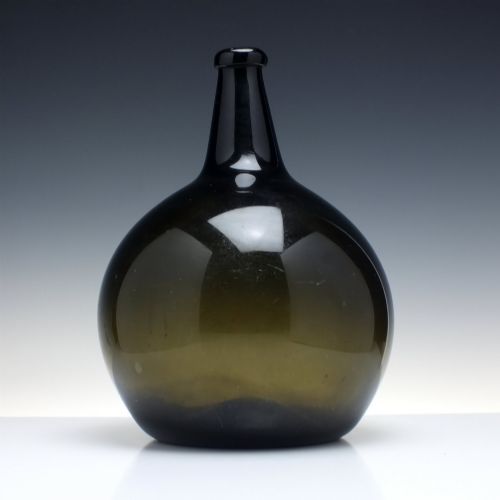
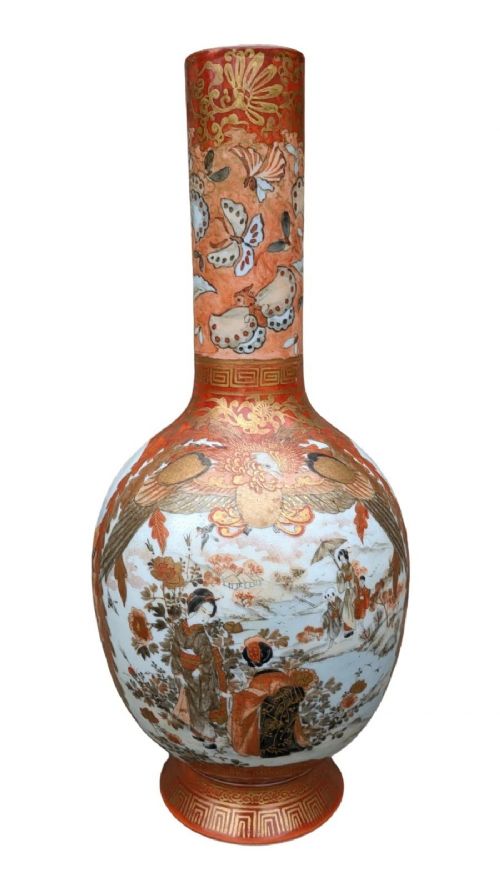
Buyers encounter eighteenth-century Georgian wine bottles and nineteenth-century apothecary jars alongside Chinese porcelain snuff bottles and Japanese Kutani pottery.
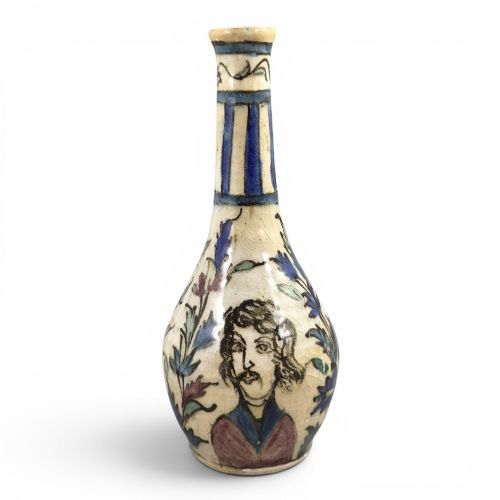
Originating from British, European, and Asian workshops, these pieces range from utilitarian German salt-glazed stoneware to decorative Venetian glass and Persian Qajar pottery.
Materials and Techniques
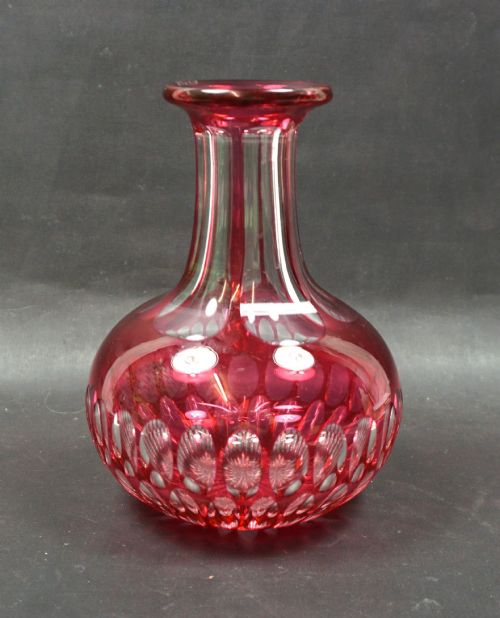
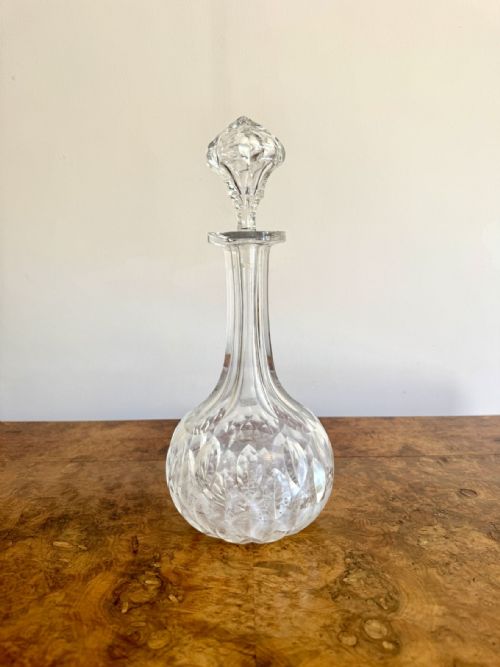
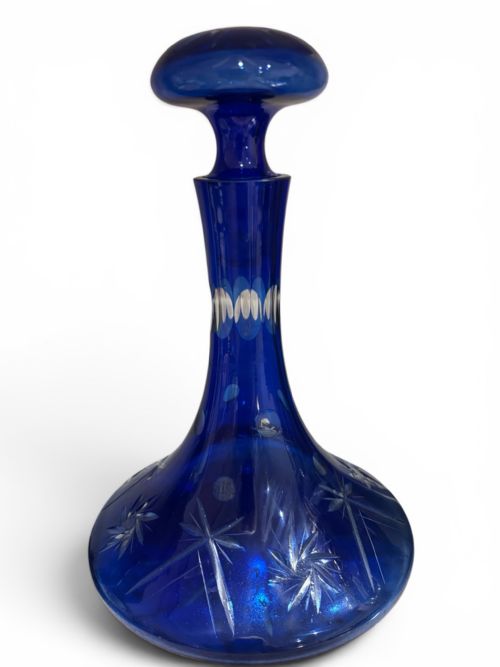
Glass vessels utilise hand blown techniques, including cranberry over crystal, milk glass, and cut glass featuring Lynn rings or etched patterns.
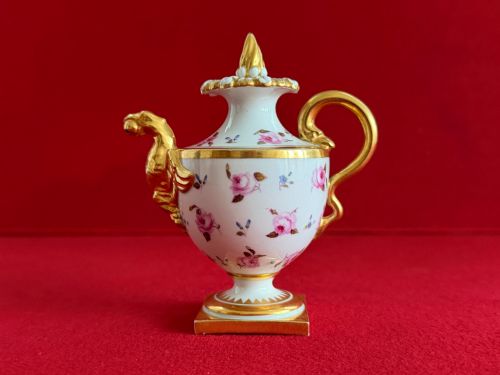
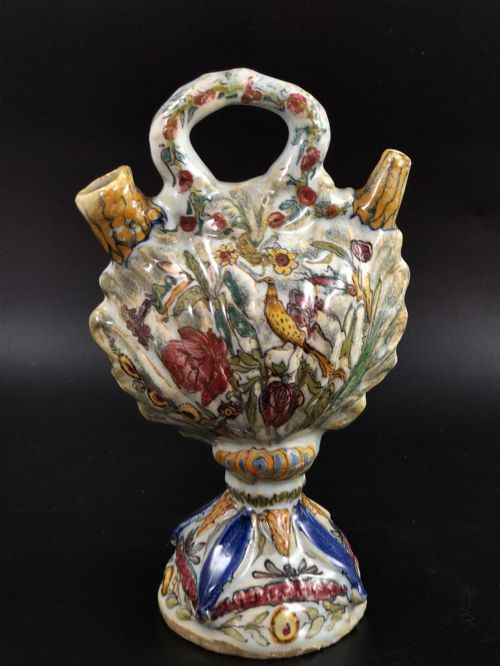
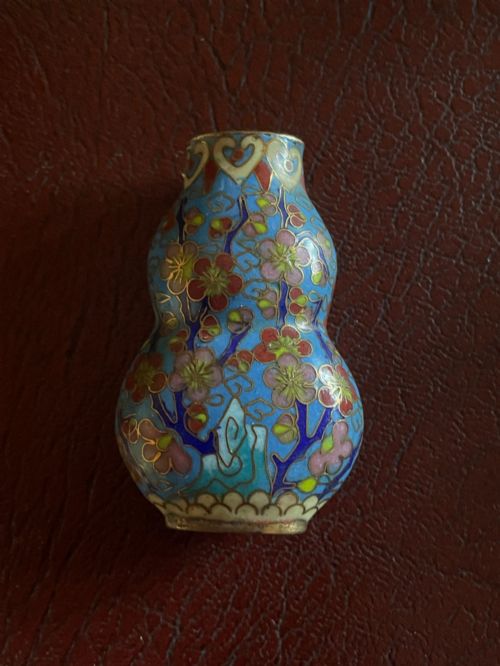
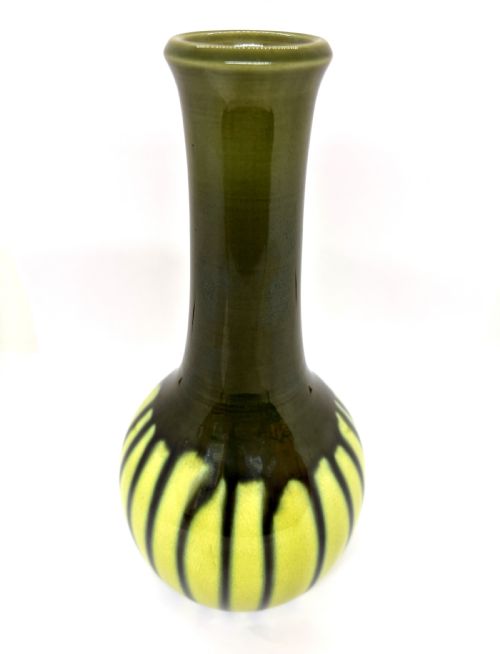
Ceramic pieces incorporate porcelain, majolica, stoneware with salt glazes, and cloisonne, frequently adorned with enamel or underglaze blue decoration.
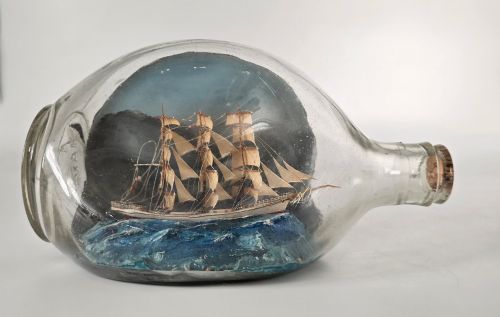
Maritime folk art items combine timber hulls and cloth rigging assembled meticulously inside glass bottles.
Listings feature eighteenth and nineteenth-century glass, porcelain, stoneware, and maritime folk art from British, European, and Asian origins.
Judging Quality
Superior examples demonstrate precision in hand blowing, cutting, or painting, whether through crisp facets on a decanter or fine detail on a porcelain snuff bottle.
The integrity of the interior components dictates value in folk art dioramas, where rigging and hull construction require exceptional miniature craftsmanship.
Condition and originality govern the standing of ceramic and glass containers, prioritising intact glazes, clear crystal, and authentic period fittings.
Flight Barr And Barr·Stevens And Williams·Pauly And Co
The Antique Vessel in Bottle Glossary
- Carboy
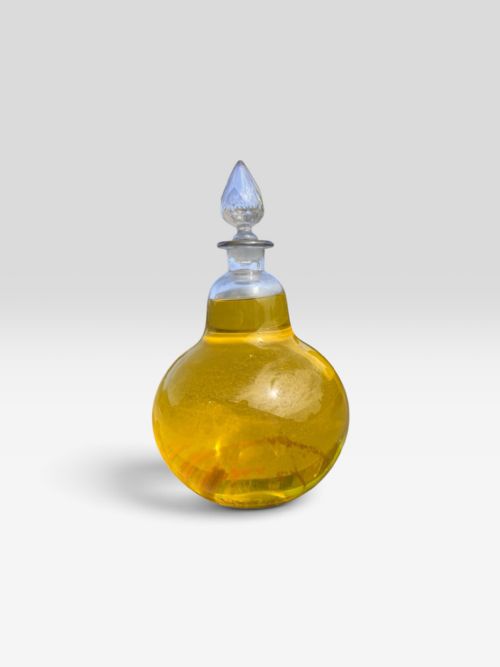
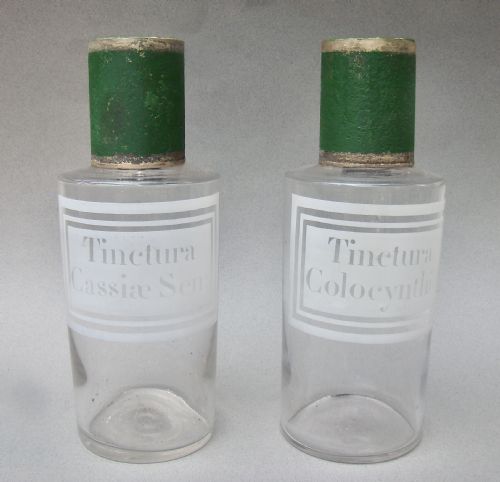
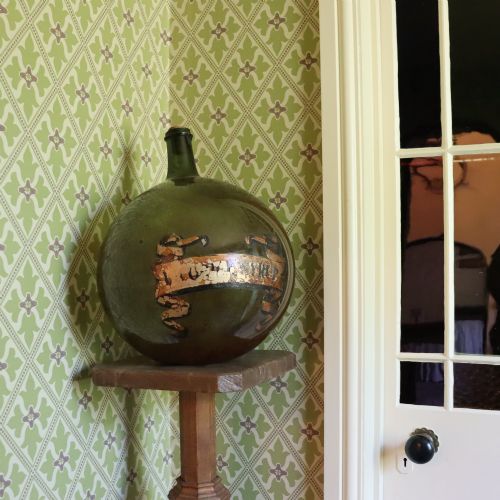
- A large, bulbous glass bottle traditionally used for holding liquids, often seen in nineteenth-century apothecary settings. These heavy vessels display characteristic bubbles and pontil marks from manual blowing.
- Latticinio
- A Venetian glass technique embedding opaque white or coloured glass threads into clear glass. This method creates delicate net or ribbon patterns inside decanters and scent bottles.
- Lynn rings
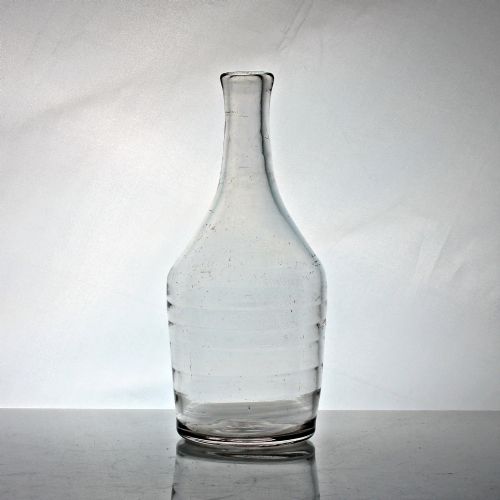
- Horizontal raised bands encircling the neck of Georgian decanters. They provided a secure grip for pouring when hands were wet or greasy.
- Snuff bottle
- A small container used to hold powdered tobacco, highly developed in Qing dynasty China. These portable vessels exhibit intricate painting, carving, or porcelain glazes.
- Tokuri
- A traditional Japanese ceramic or glass sake bottle featuring a narrow neck and bulbous body. They are prized for their simple, functional elegance and regional pottery glazes.
Antique Vessel in Bottle: Frequently Asked Questions
How are ships placed inside glass bottles?
Makers constructed miniature wooden sailing ships with hinged masts that folded flat against the deck to pass through the narrow bottle neck.
Once inside, pull-strings attached to the rigging raised the masts into position and secured the diorama permanently.
What is the difference between a carboy and a decanter?
Carboys are large, heavy-duty storage vessels traditionally utilised in apothecaries or laboratories for bulk liquids.
Decanters are smaller, refined tableware items shaped specifically for serving wine and spirits at the dining table.
How do I identify eighteenth-century glass?
Early glass frequently displays a rough pontil mark on the base where the punty rod was snapped off after blowing.
Look for natural irregularities in the metal, including tiny air bubbles and slight variations in thickness characteristic of manual production.