




Antique Venetian Torchere
An antique venetian torchere brings dramatic figural sculpture and bold surface colour into a room, serving as a striking display stand.
Antique Venetian Torchere
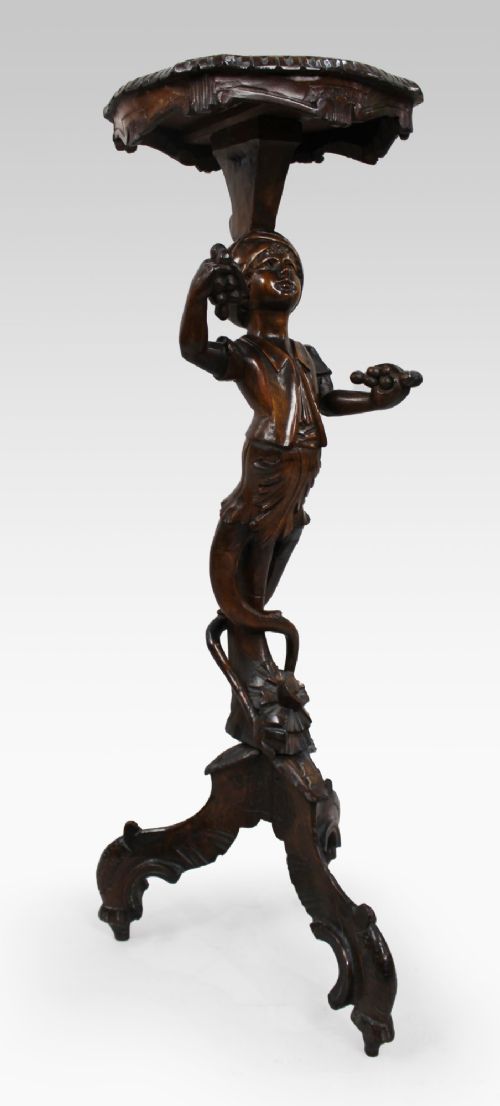
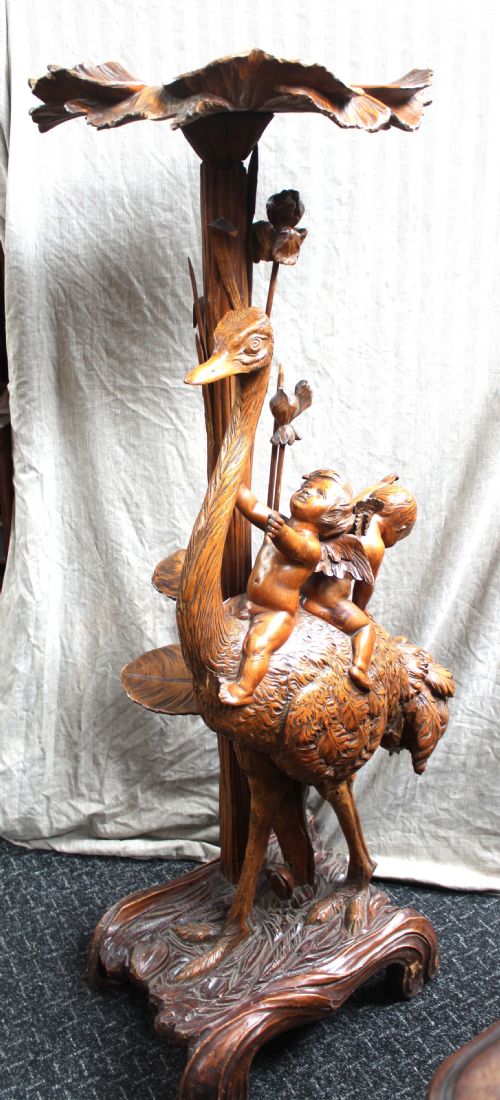
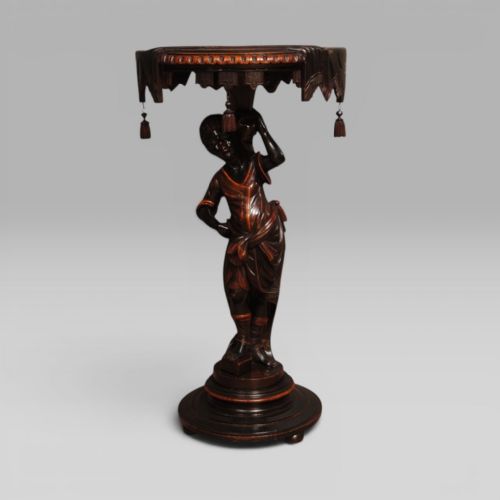
An antique venetian torchere takes the form of an elaborately carved figural pedestal, stand, or table designed to hold a light or display an object. These pieces frequently depict figures such as gondoliers, young women, or attendants dressed in detailed historical attire.
The pieces appearing here span from the early nineteenth century through the Edwardian era and the nineteen-twenties. Visitors will predominantly encounter carved wood and polychrome-decorated Blackamoor figures supporting trays, tables, or standard lamps.
Makers drew heavily upon Venetian Baroque, Venetian Rococo, and Italian Renaissance Revival styles to create these decorative furnishings. Originating primarily from nineteenth-century Italy, they combine sculpture with functional interior display.
Materials and construction methods
Carved wood and walnut form the structural foundation of these figures and pedestals, shaped by hand to achieve expressive postures and detailed drapery. Artisans applied gesso over the timber to create a smooth, responsive base for subsequent surface decoration.
Materials appearing across the inventory include carved walnut, polychrome paint, gold leaf, gesso, and bronze.
Distinguishing quality across examples
The artistry of the carving determines the visual impact of the piece, separating dynamic, finely rendered figures from stiffer, simpler forms. Greater depth in the carving of facial expressions, hair, and fabric folds demonstrates superior craftsmanship.
The preservation of original surface decoration dictates the historical integrity of the object. Examples retaining untouched polychrome paint and gold leaf hold greater visual harmony than those with obscured or heavily restored surfaces.
The Antique Venetian Torchere Glossary
- Torchere
- A tall ornamental stand originally designed to carry a torch or candle, later adapted to hold lamps or decorative objects. In this selection, they often take the shape of carved figural pedestals.
- Blackamoor
- A European decorative art motif depicting figures from North Africa or the wider non-European world, typically rendered in carved and painted wood holding trays or lights. These pieces date predominantly from the nineteenth and early twentieth centuries.
- Polychrome
- Decorated in multiple colours. This technique is central to the vibrant appearance of nineteenth-century Venetian stands.
- Giltwood
- Wood that has been coated with gold leaf or gold paint. It provides the shimmering highlights seen on many Venetian pedestals and tables.
- Gesso
- A plaster-like mixture applied to wood to create a smooth surface for painting and gilding. It allows for crisp detail in the final ornamentation.
Antique Venetian Torchere: Frequently Asked Questions
What is an antique venetian torchere used for?
These pieces function as striking display stands, plant pedestals, or standard lamps within a room. Their primary purpose is to elevate objects while adding strong sculptural presence.
Historically, they served to illuminate dark corners or display small items on attached trays and tabletops. Today, they remain decorative accent pieces for grand interiors.
How do I care for a polychrome torchere?
Dust the carved surfaces gently with a soft, dry brush to prevent the accumulation of dirt within the intricate details. Avoid liquid cleaners and harsh chemicals, which can damage original paint and gold leaf.
Keep the piece away from direct sunlight and strong heat sources to protect the wood and gesso from cracking. Stable indoor humidity helps preserve the fragile polychrome decoration.
How can I tell the period of these stands?
Examine the style of the carving, noting whether it aligns with nineteenth-century Italian revival movements or later Edwardian adaptations. The complexity of the costume and the specific form of the pedestal often point towards a particular decade.
Inspect the materials beneath the surface, as older walnut bases differ in weight and grain from later softwoods. Original surface wear and pigment composition also offer clues to the age of the piece.
Where should I place a torchere at home?
Position the piece in a corner, hallway, or spacious reception room where the figural carving can be viewed from multiple angles. They work well as standalone sculptures or paired as matching pedestals.
Ensure the location is clear of heavy foot traffic to protect delicate protruding elements like hands and trays. Placing a stable object on top helps balance the vertical form.