
Polychrome Painted Figure
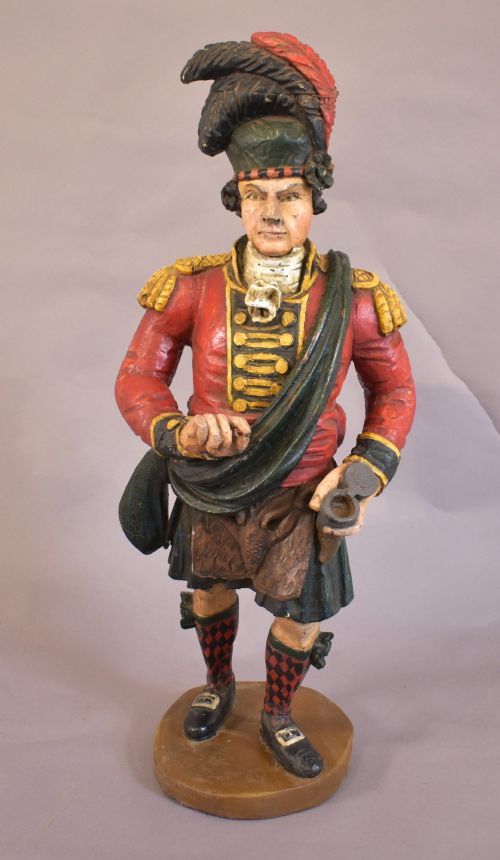
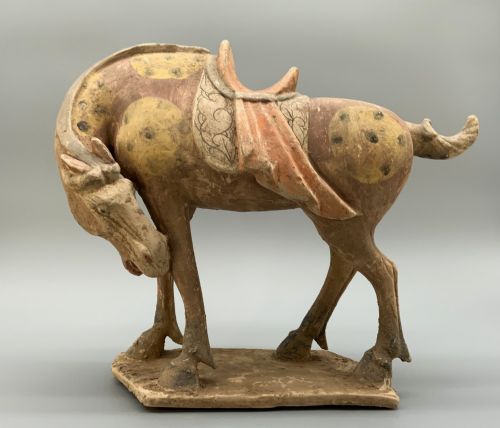
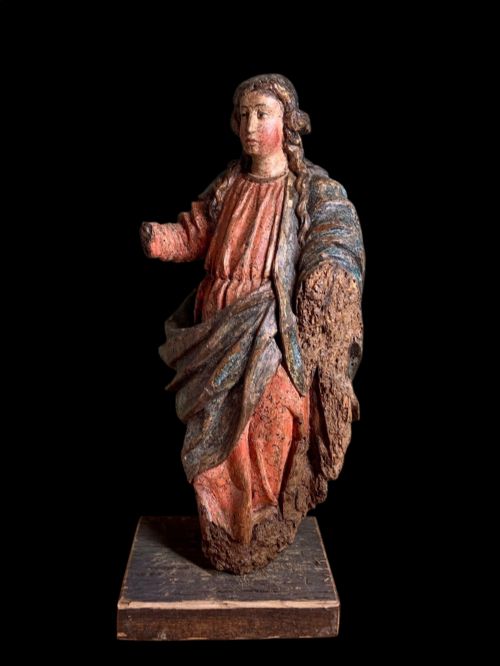
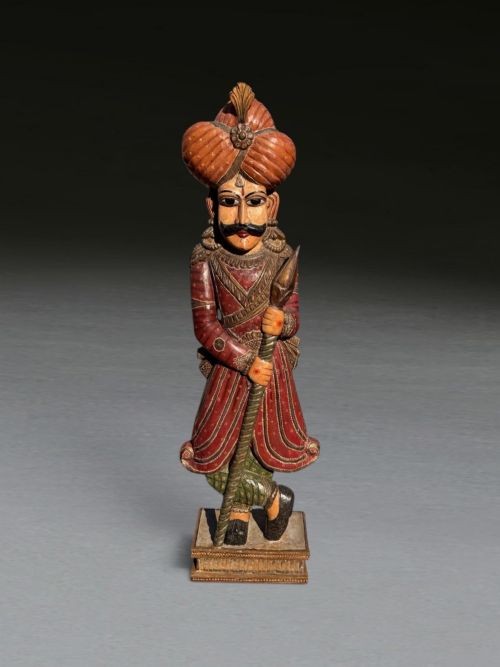
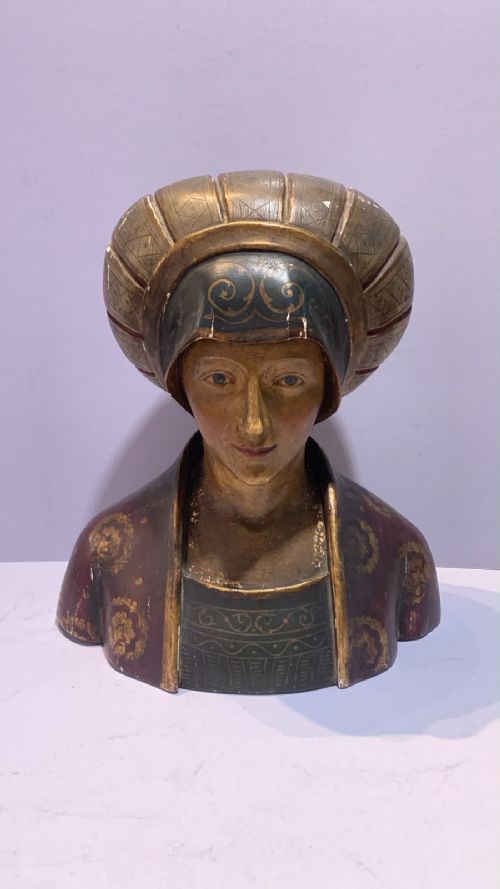
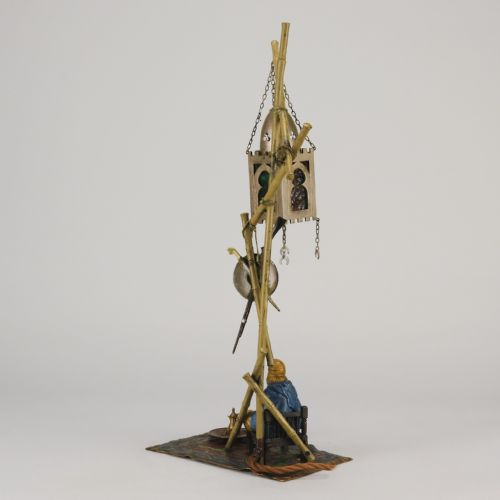
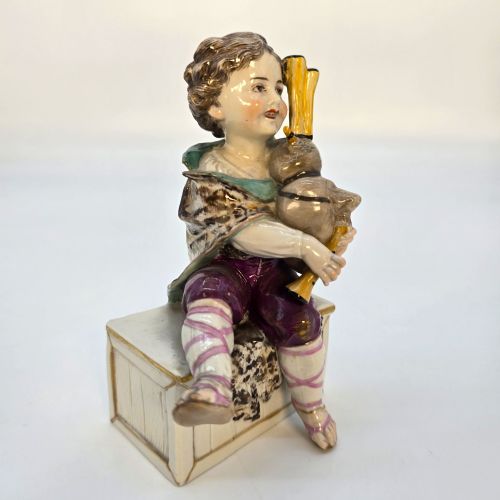
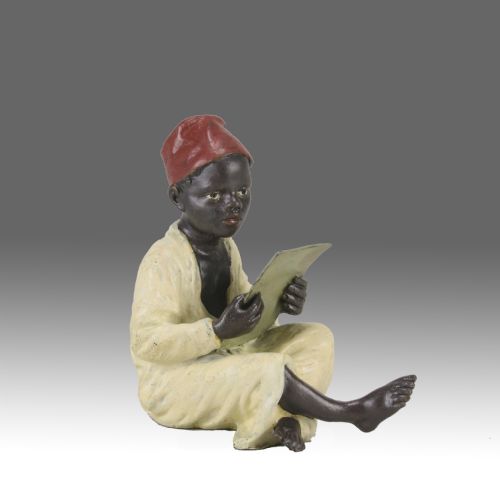
A polychrome painted figure brings layered pigment and modelled form together, capturing human and animal subjects across porcelain, bronze, earthenware and wood.
Polychrome Painted Figure
A polychrome painted figure spans multiple centuries and continents, drawing on traditions from European porcelain factories and Asian ceramic kilns. Buyers find works ranging from Staffordshire pottery to cold-painted bronze and carved wood.
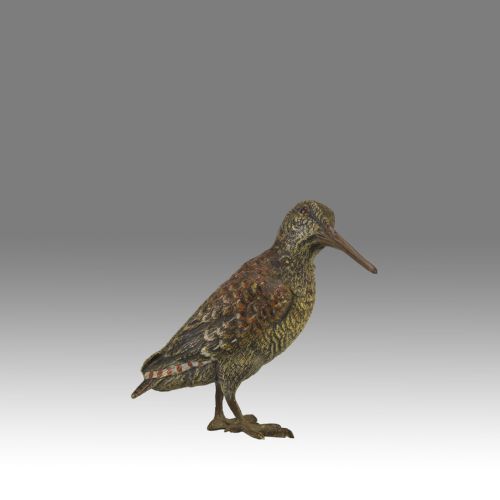
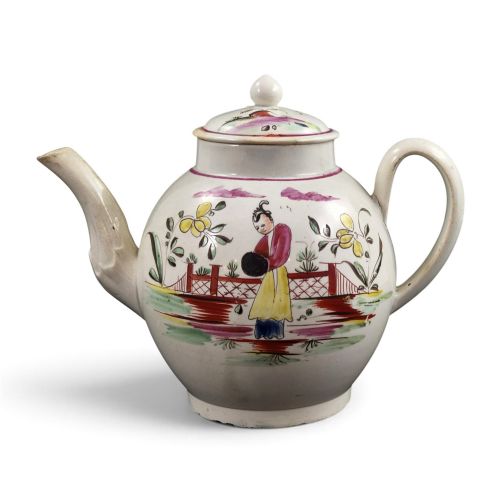
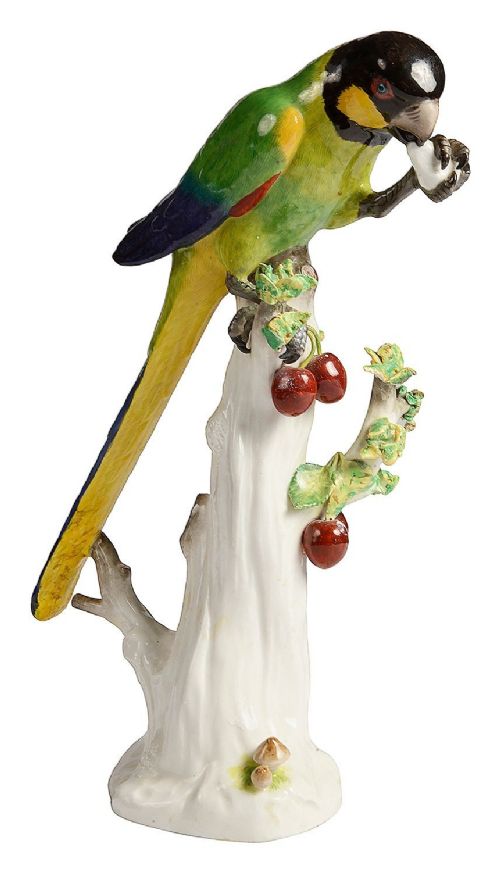
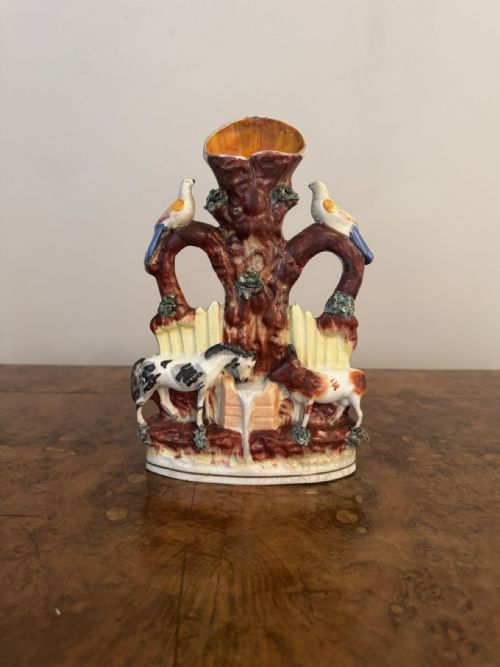
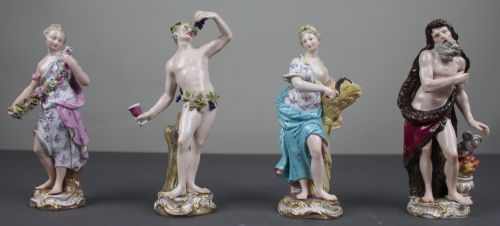
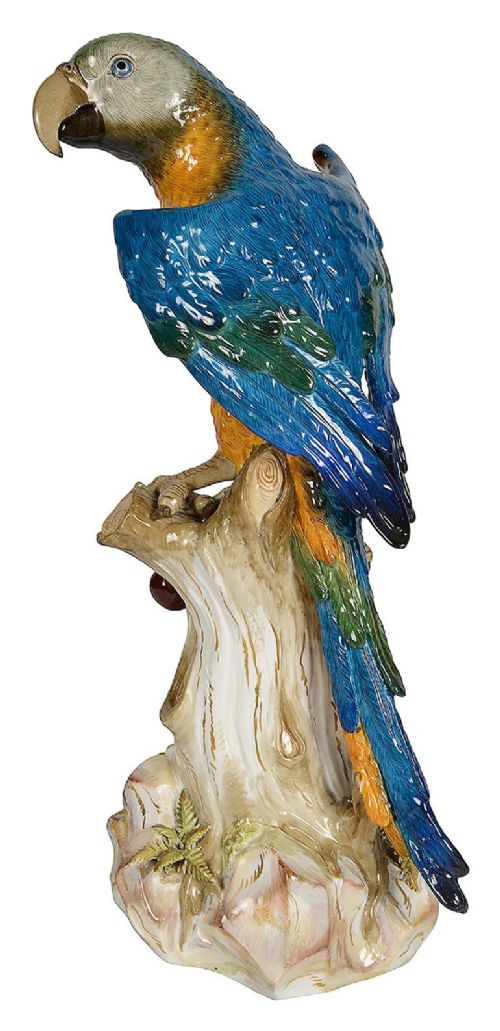
The most common examples on this page date from the nineteenth and early twentieth centuries, encompassing Victorian Staffordshire earthenware, Meissen porcelain, and Orientalist bronze sculpture. These pieces depict human subjects, from soldiers and scholars to allegorical figures and animals.
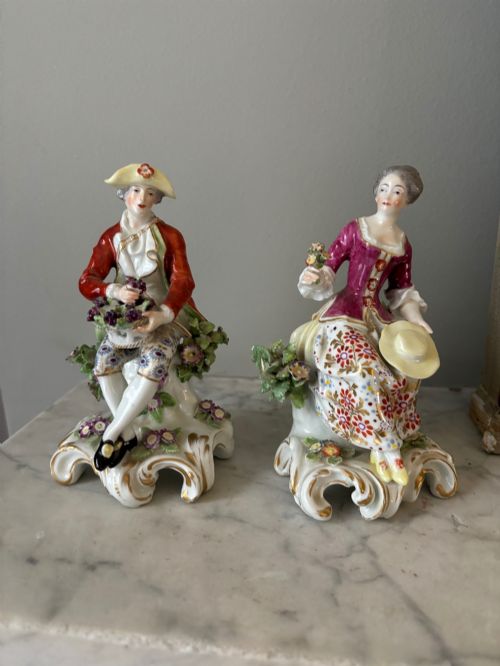
Forms vary from small cabinet pieces to large decorative sculptures and pairs of figures. Each item displays hand-applied pigment over a base material, whether enamel on porcelain, paint on wood, or cold-paint on metal.
Materials and production methods
Makers utilised a diverse palette of base materials, including hard-paste porcelain, creamware, earthenware, carved lime wood, plaster, and bronze. Each material required distinct preparation before the application of colour.
Surface decoration relied on hand-painted enamels, oil-based paints, or cold-painted finishes applied directly to metals like bronze and spelter. Gilding with gold leaf and detailed gesso work frequently added highlights to garments and bases.
Firing techniques for ceramic figures involved high-temperature kilns to set the body and glaze, followed by lower-temperature enamel firings to fix the painted details. Wood and metal sculptures relied on carved foundations or cast metal layers sealed with protective grounds before painting.
Listings feature items spanning the eighteenth, nineteenth, and twentieth centuries, utilising materials from earthenware and porcelain to cold-painted bronze.
Assessing quality and execution
Quality rests upon the precision of the modelling and the finesse of the brushwork. Superior pieces display crisp facial expressions, well-defined hand and drapery details, and confident polychrome application that adheres cleanly to the contours of the form.
The choice of medium and workshop reputation also dictate the standing of a piece. Works originating from established European manufactories or signed by renowned bronze founders exhibit superior weight, balance, and pigment durability compared to mass-produced domestic wares.
Franz Bergman·Meissen·Charles Vyse·John Bevington·Volkstedt Rudolstadt Factory
The Polychrome Painted Figure Glossary
- Cold-painted bronze
- A technique where bronze sculptures are painted with oil paints or enamels without being fired in a kiln afterward. This method was widely used by Viennese foundries in the late nineteenth and early twentieth centuries.
- Polychrome
- The practice of decorating architectural elements, sculptures, or pottery in a variety of colours. It contrasts with monochrome finishes and highlights sculptural details through contrasting pigments.
- Creamware
- A type of fine earthenware with a pale yellowish-white glaze, developed in Yorkshire during the eighteenth century. It provided a smooth surface suited to painted decoration.
- Spelter
- An alloy of zinc and copper used as a cheaper alternative to bronze for cast figures and decorative objects. It was frequently painted or bronze-plated to simulate heavier metals.
- Gesso
- A plaster-like mixture used as a base for painting on wood or canvas. It creates a smooth, absorbent surface for subsequent layers of pigment and gold leaf.
- Famille rose
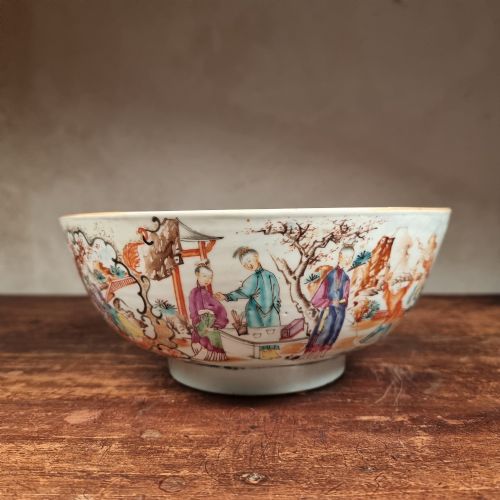
- A Chinese porcelain palette introduced in the Qing dynasty, characterised by opaque pink enamels. It allowed for subtle tonal gradations in painted figures and floral motifs.
Polychrome Painted Figure: Frequently Asked Questions
What is cold-painted bronze?
Cold-painted bronze refers to metal sculptures that have been decorated with paints rather than fired ceramic glazes. The paint adheres to the bronze surface without undergoing high-temperature kiln firing.
This technique became especially popular in Vienna during the late nineteenth century. It allowed for vivid, lifelike coloration on small animal and human figures.
How can I tell porcelain periods apart?
Porcelain dating relies on factory marks stamped, painted, or incised into the base of the piece. Familiarity with specific blue underglaze crossed swords, anchor marks, or impressed numerals helps pin down an era.
Additionally, the texture of the glaze, the weight of the paste, and the style of the hand-painted decoration provide strong clues to eighteenth- or nineteenth-century origins.
Where were these figures displayed?
Historically, decorative figures sat on mantelpieces, sideboards, and enclosed vitrines within formal drawing rooms and studies. Larger sculptures and pairs of vases occupied pedestals or hallway niches.
Wealthy collectors also housed cabinet bronzes and porcelain figurines in specialised display cabinets to protect them from handling and dust.