





Antique Venetian Painting
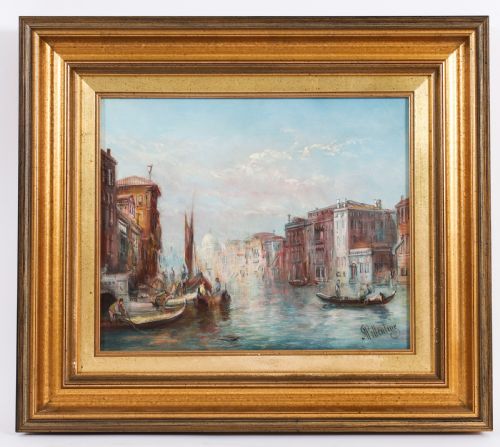
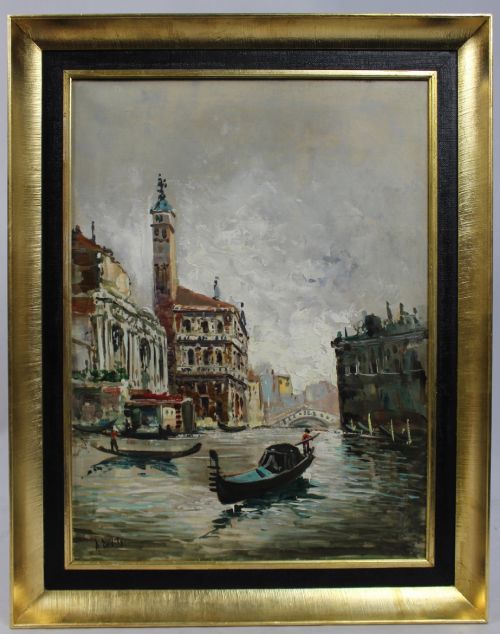
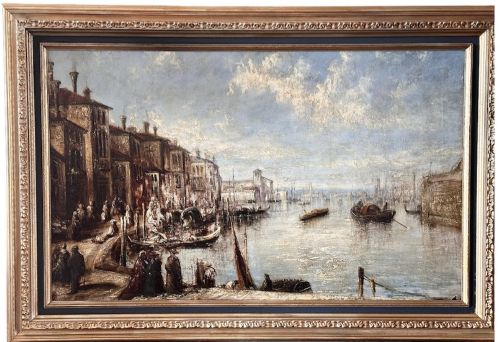
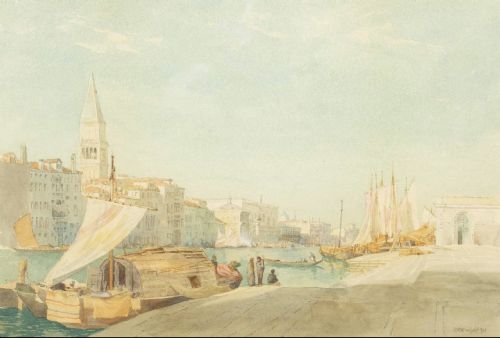
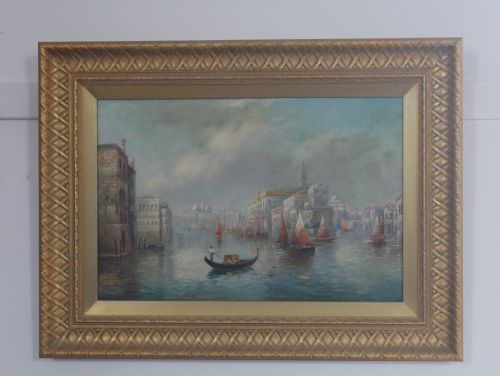
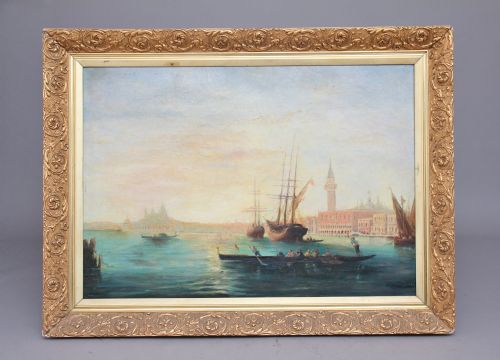
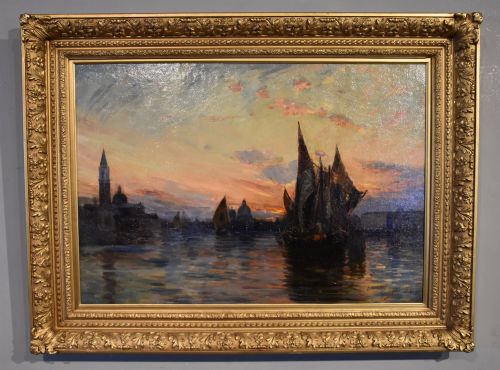
These antique venetian painting examples capture the light, water and architecture of the lagoon through the eyes of various artists.
Antique Venetian Painting
An antique venetian painting portrays the canals, lagoons, and historic architecture of Italy through the hands of artists working across the eighteenth, nineteenth, and early twentieth centuries. These works include oils on canvas and delicate watercolours on paper, capturing scenes from the Grand Canal to quiet side waterways.
The selections available range from detailed nineteenth-century topographical views by named artists to atmospheric early twentieth-century lagoon scenes. Collectors encounter both grand canvases meant for prominent wall spaces and smaller cabinet watercolours depicting daily life, gondolas, and historic palazzos.
Beyond pure landscapes, this category encompasses portraits and genre scenes connected to the region, utilising traditional canvas and panel supports. Each piece reflects the enduring appeal of the city's unique light and crumbling facades across different artistic movements.
What varies in quality
Quality rests in the handling of light and perspective, distinguishing works that convincingly render the distinctive atmospheric haze of the lagoon from rigid or formulaic topographical records. The articulation of water, reflection, and architectural detail reveals the true skill of the painter.
The significance of the artist's hand and documented attribution elevate certain examples above unsigned studio output. Original period framing, good surface preservation without extensive overpainting, and the clarity of the composition determine the standing of each piece.
Listings feature works spanning the eighteenth century through the 1960s, executed in oil on canvas, oil on board, and watercolour on paper.
Alfred Pollentine·Francis Moltino·Richard Henry Wright·Thomas Hodgson Liddell·F J Aldridge·Claude Jousset·Antonietta Brandeis·Antoine Bouvard Senior·E Perez Senet·Clara Montalba·James Salt·Luigi Pastega
The Antique Venetian Painting Glossary
- Oil on canvas
- A painting medium where pigments are suspended in a drying oil, applied to a stretched fabric support. This combination allows for rich blending of colour and varied surface textures.
- Gesso
- A traditional paint mixture consisting of a neutral binder mixed with chalk, gypsum, or pigment, used to prepare wood or canvas surfaces. It provides a smooth, stable ground for subsequent layers of paint or gilding.
- Giltwood
- Wood carved and coated with a thin layer of gold leaf or gold paint. This finish creates a bright decorative border suited to traditional picture frames.
- Topographical
- A style of artwork focused on the accurate depiction of specific places, buildings, and landscapes. These views serve as visual records of historical cityscapes.
- Watercolour
- A painting method in which the paints are made of pigments suspended in a water-soluble vehicle. Artists utilise this technique on paper to achieve luminous, transparent washes of tone.
Antique Venetian Painting: Frequently Asked Questions
What subjects appear in these paintings?
The works primarily depict the Grand Canal, Venetian lagoons, historic palazzos, and bustling market scenes featuring gondoliers and local inhabitants.
Artists also recorded quiet architectural studies and atmospheric evening views across the water.
How do I identify the period?
Dating relies on stylistic clues, framing methods, stretcher construction, and the type of canvas or paper used by the artist.
Signatures, archival labels, and known working dates of painters provide further confirmation of age.
Are watercolours as durable as oils?
Waterworks on paper require careful framing behind glass away from direct sunlight to prevent fading of the pigments.
Oils on canvas offer greater resilience, though both mediums benefit from stable indoor humidity and temperature.
Who were the artists painting Venice?
A mix of local Italian painters and visiting British, French, and European artists travelled to the city to capture its unique architecture.
Many exhibited widely during the nineteenth and early twentieth centuries, creating distinct visual records.