


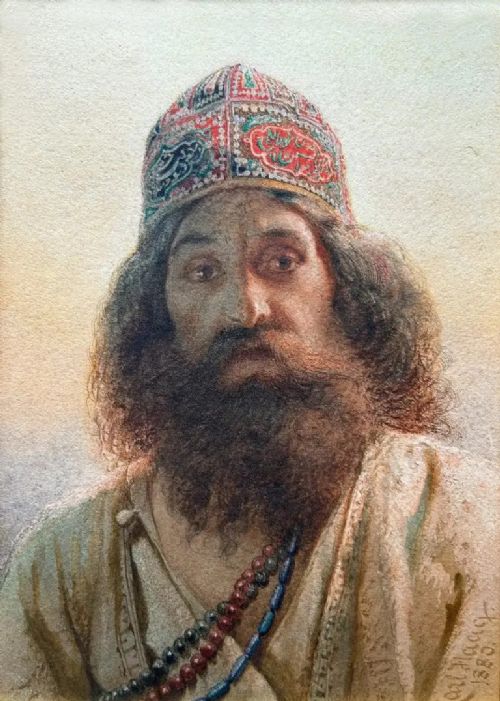
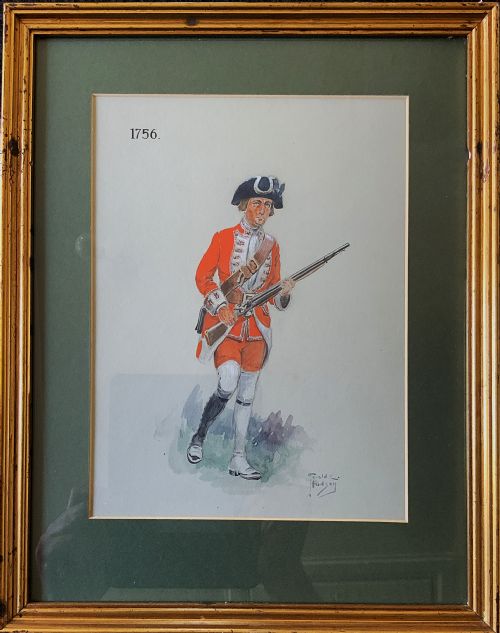
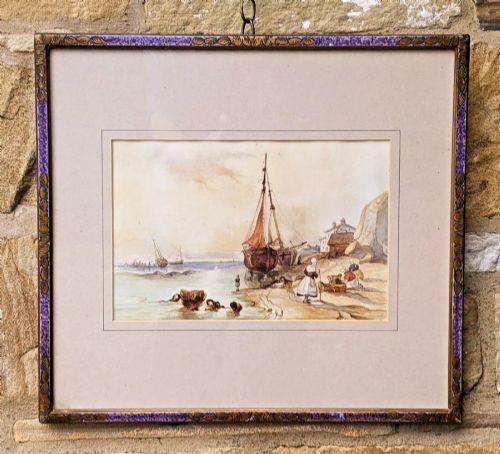
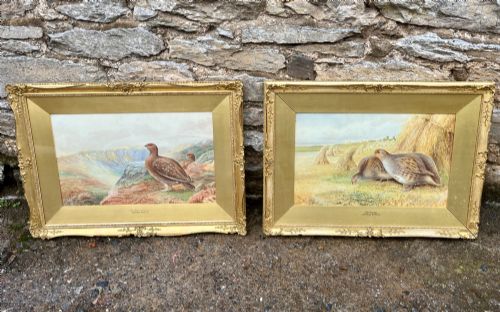
Paper Watercolour Art Print
When you search for paper watercolour art print, you uncover original works on paper spanning centuries of artistic observation.
Paper Watercolour Art Print
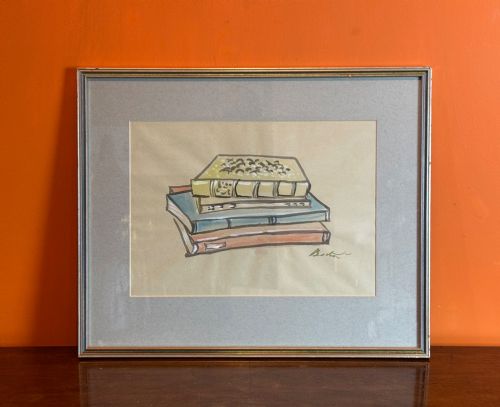
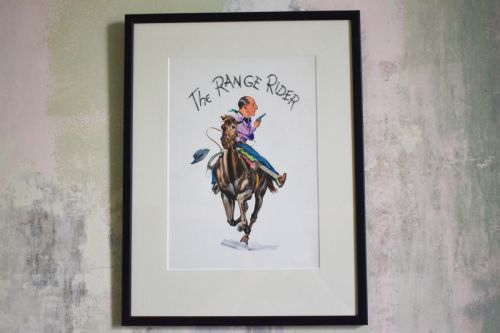
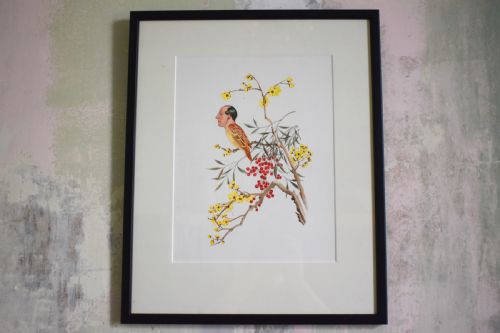
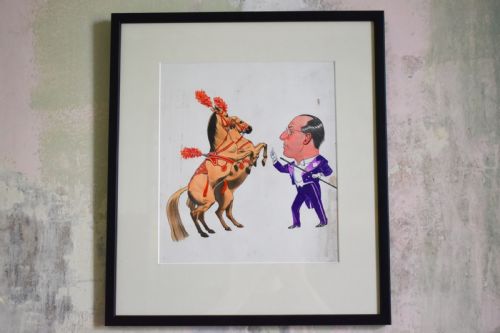
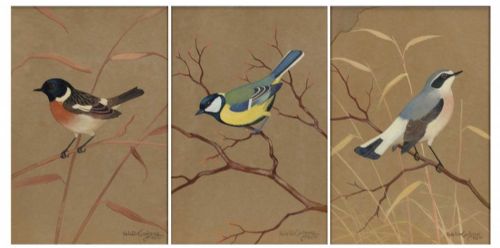
A paper watercolour art print brings together original watercolours, gouache paintings, ink drawings and early prints on paper from periods including the Victorian era, Edwardian years and the mid-century. Buyers seeking a paper watercolour art print encounter framed artworks depicting landscapes, botanical studies, architectural views, birds and figurative subjects.
The selection ranges from 18th-century German watercolours and late 19th-century river scenes to 1920s architectural prints and 1940s game bird studies. These pieces originate from British, European and Asian workshops, executed on paper and pith paper, often preserved beneath glass in wood or gilt wood frames.
How they were made
Artists applied watercolour pigment, ink and gouache onto paper or pith paper support surfaces using fine brushes. Many works incorporate preparatory wash or ink drawing beneath the pigment layers.
Framing utilised wood and gilt wood moulding to protect the delicate paper, frequently enclosing the artwork behind glass alongside mount boards to separate the image from the glazing.
Listings incorporate works executed on traditional paper as well as delicate nineteenth-century Chinese pith paper.
What varies in quality
Quality rests in the surety of the brushwork and the preservation of the pigment against fading on the paper. Stronger compositions display confident handling of watercolour wash and ink line.
The integration of the period frame, whether wood or gilt wood, and the protective condition of the glass contribute to the overall integrity of the surviving piece.
Thomas Ellison·Alfred Young Nutt·Carl Haag·George Rankin·Cecil Beaton·Ralston Gudgeon·Warwick Goble·George F Pennington·James William Booth·Edith E Caswall·Fred Lawson·Charlotte Isa James·Henry Wimbush·Jane Utley·Robin Hill·Kees van Dongen·John Sherrin·Paul-Louis Barruel·John Atkinson
The Paper Watercolour Art Print Glossary
- Watercolour
- A painting method where the pigments are suspended in a water-based solution. It creates translucent washes of colour on paper.
- Gouache
- An opaque water-based paint that includes a white pigment filler. It provides solid areas of colour distinct from transparent watercolour.
- Pith paper
- A delicate material formed from the pith of the Tetrapanax papyrifer plant. It was utilised in 19th-century Chinese export paintings.
- Gilt wood
- Wood framing treated with a thin layer of gold leaf or metallic gilding. It enhances the presentation of antique works on paper.
- Wash
- A thin, fluid layer of watercolour pigment spread evenly across paper. It establishes atmospheric backgrounds or tonal depth.
Paper Watercolour Art Print: Frequently Asked Questions
How should I hang these?
Protect works on paper from direct sunlight to prevent watercolour pigments from fading on the sheet. Position them away from moisture sources in rooms with stable humidity.
Ensure the frame rests securely on appropriate wall fixings. Keep the glass clean using dry or minimally damp cloths without spraying liquid directly onto the frame rebate.
What periods do these cover?
The works span from the eighteenth century through the nineteenth and twentieth centuries, including Victorian and Edwardian examples. Mid-century modern and 1960s pieces also appear within the selection.
Earlier items include eighteenth-century German watercolours and architectural studies. Later items encompass 1940s bird studies and 1960s landscape ink drawings.
Are these original works?
Many examples are original hand-painted watercolours, gouache paintings and ink drawings created directly on paper. Artists signed or attributed these unique pieces across various decades.
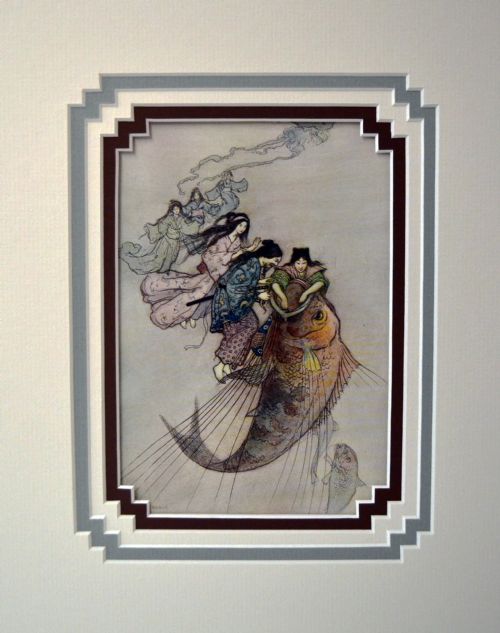
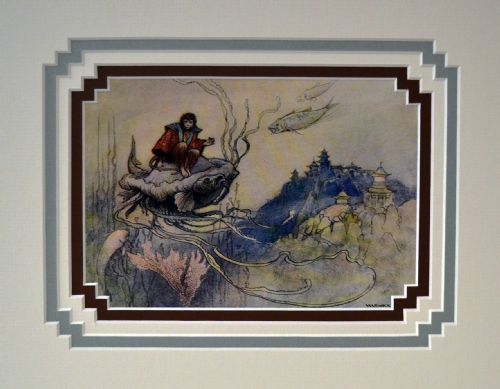
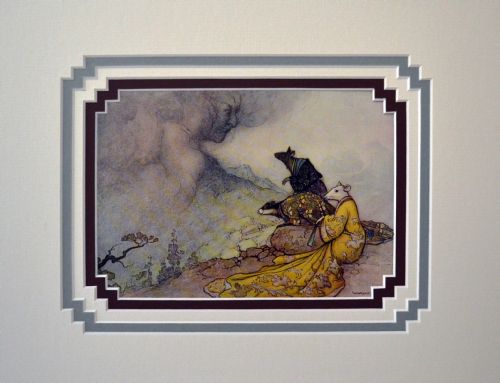
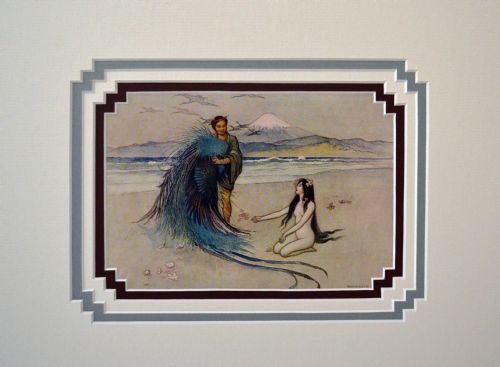
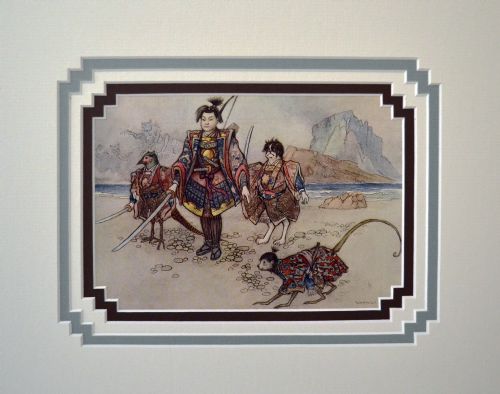
The selection also includes period print editions, such as early twentieth-century fairy tale book illustrations and architectural prints on paper.
What materials were used?
Primary materials include watercolour pigment, ink and gouache applied to paper supports, with occasional pith paper used in Chinese export art. Glazing protects the face of the artwork.
Frames are constructed from wood and gilt wood, often enclosing the paper behind glass alongside protective backing boards and mounts.