
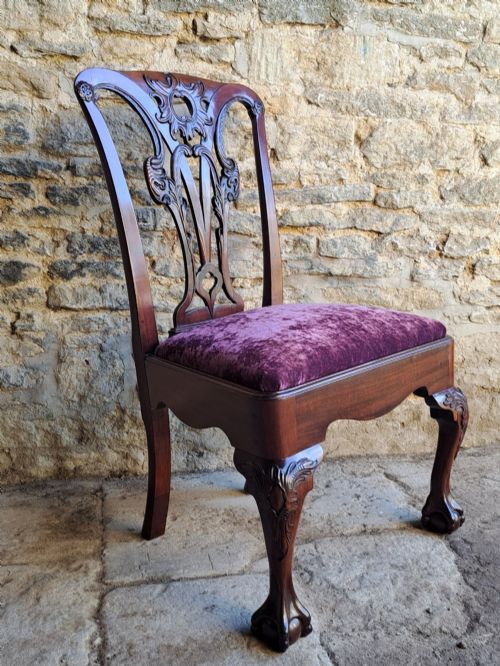
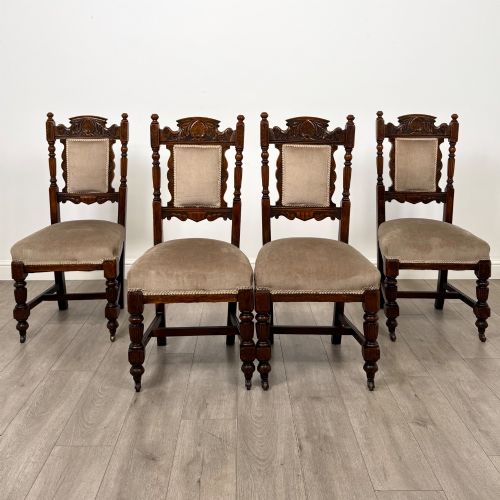
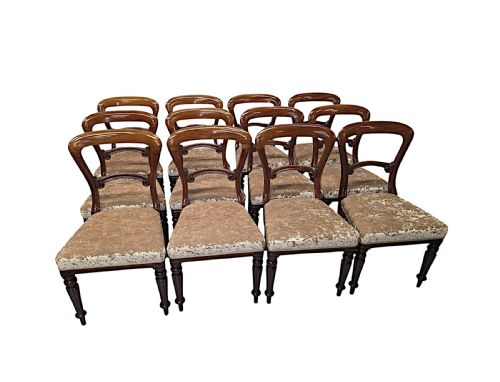
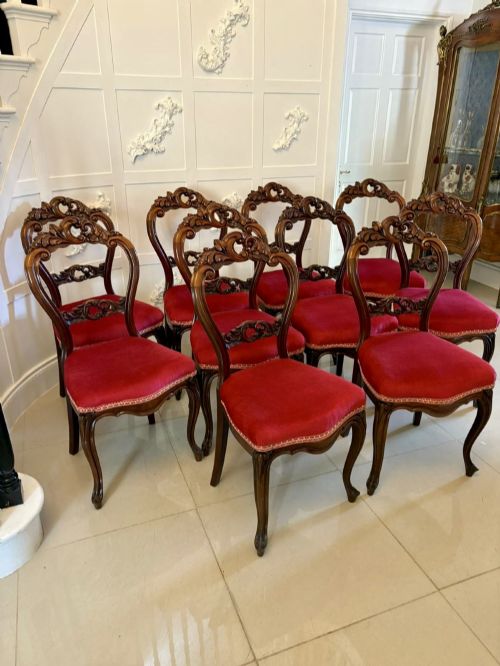
Antique Velvet Side Chairs
These antique velvet side chairs bring tactile richness and period character to a room, offering enduring utility in varied woods.
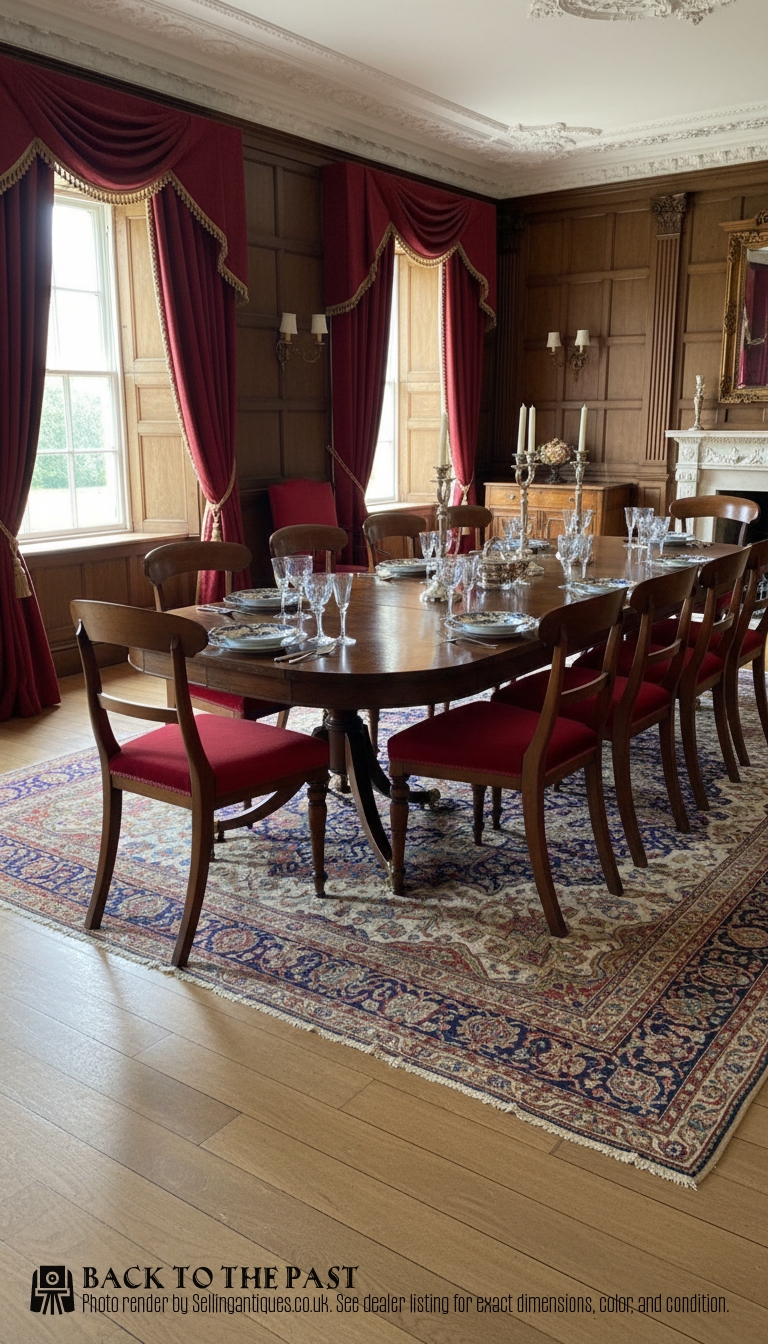
Antique Velvet Side Chairs
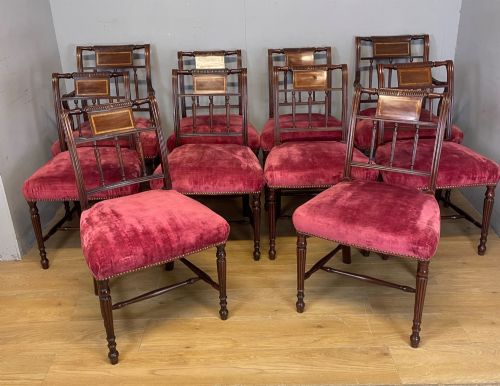
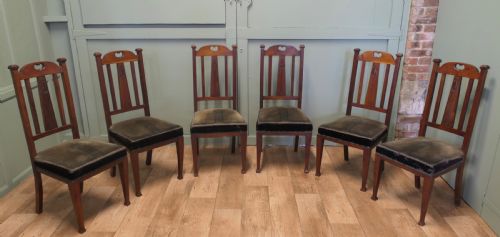
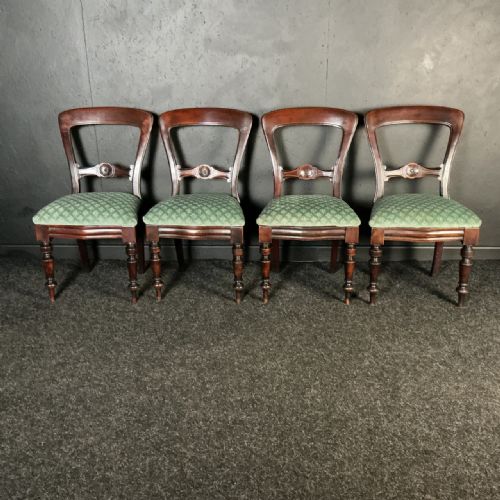
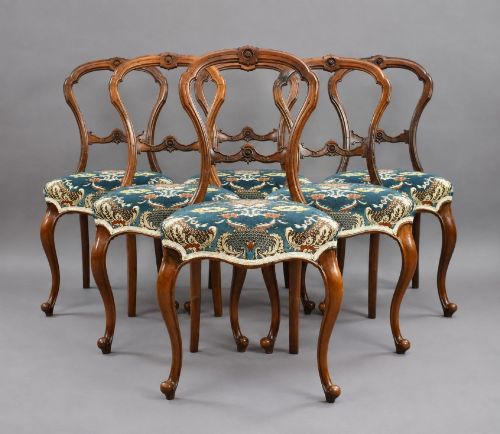
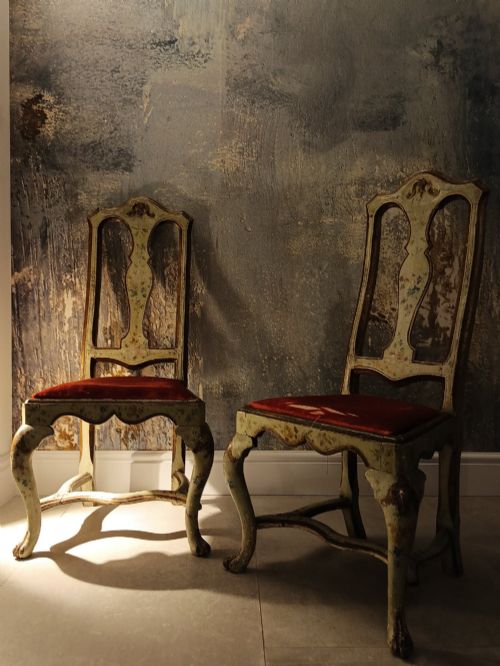
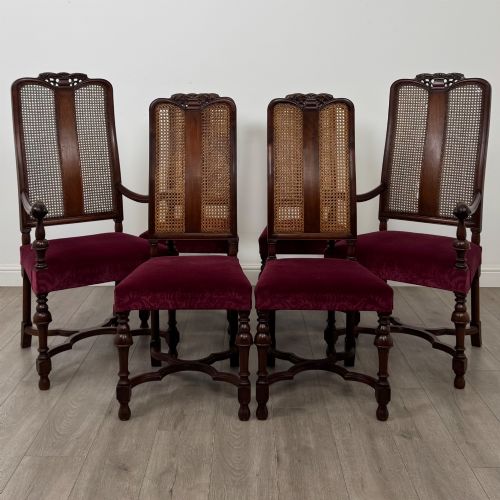
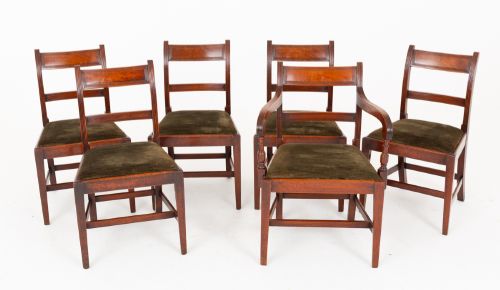
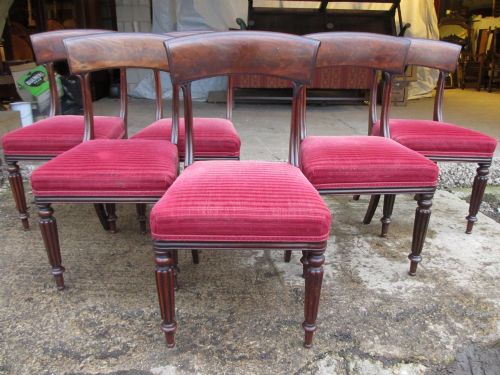
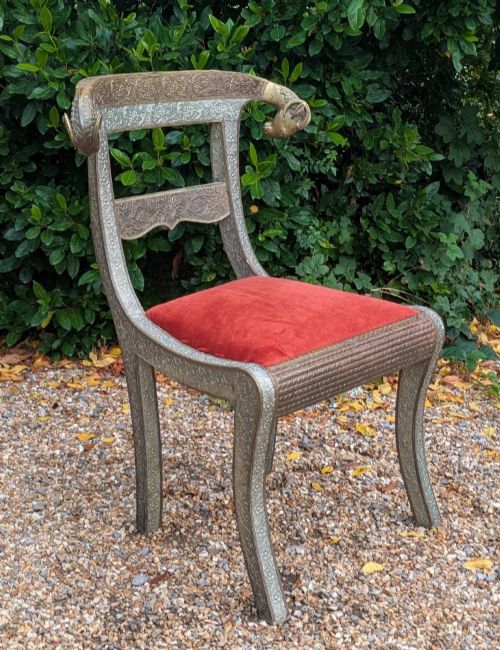
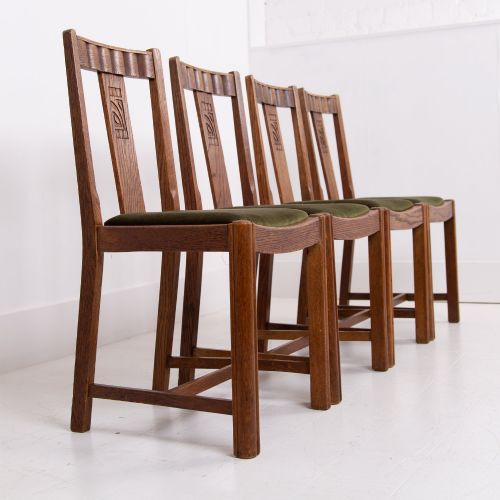
Antique velvet side chairs encompass seating primarily from the Victorian, Georgian, and Edwardian eras, alongside pieces shaped by Arts and Crafts and Regency aesthetics. While the search phrase points specifically to side chairs, the available selection demonstrates how closely related dining chairs and occasional seating overlap in historical forms.
The materials and frames span multiple centuries, ranging from 18th-century walnut and mahogany to later oak and rosewood. Buyers encountering these pieces will find that upholstery treatments such as Zoffany fabric and velvet frequently complement carved wooden frames rooted in distinct stylistic revivals.
Materials and Construction
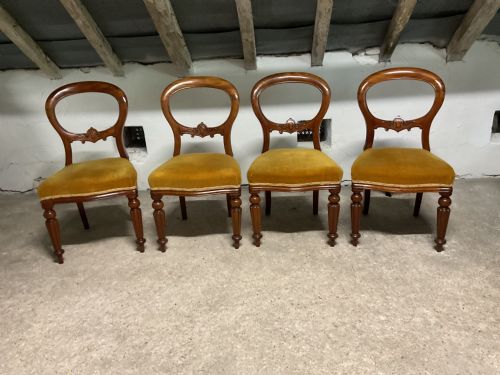
Makers utilised dense hardwoods such as mahogany, oak, walnut, and rosewood to build durable frames capable of supporting intricate carving and turning. These foundational timbers were frequently shaped into balloon backs, shield backs, or scroll-carved profiles before receiving velvet and textile upholstery.
Detailing often involved brass fittings, ebonised finishes, gilding, and fine inlay work applied to satinwood or mahogany surfaces. Textile applications varied from standard velvet to heraldic crests and specialised decorator fabrics.
Victorian conversation sofas allowed two people to sit face-to-face while maintaining strict conversational distance.
Standards of Craftsmanship
Distinction across these chairs rests in the crispness of the hand-carving and the structural integrity of the timber frame. Pieces that display deeply defined scrollwork, balanced proportions, and substantial primary hardwoods sit apart from simpler utilitarian seating.
The execution of joinery and the selection of secondary timbers indicate the level of workshop care invested in the piece. Superior examples maintain uncompromised framing beneath their textile upholstery, reflecting deliberate construction methods.
Gillows·Strahan·Cowtan and Sons
The Antique Velvet Side Chairs Glossary
- Balloon back
- A rounded, oval-shaped chair back popular during the Victorian period. This profile offers ergonomic support while showcasing the grain of mahogany or rosewood.
- Shield back
- A chair back shaped like a heraldic shield, frequently associated with late 18th-century and Edwardian designs. Carvers often decorated these frames with delicate inlay or openwork splats.
- Bergère
- An enclosed upholstered armchair featuring exposed wooden framing and cane or upholstered sides. This French-derived form prioritised seated comfort.
- Ebonised
- Wood treated with a dark finish to imitate expensive ebony. Makers applied this technique to highlight gilded details or create sharp contrast in Regency designs.
- Carolean Revival
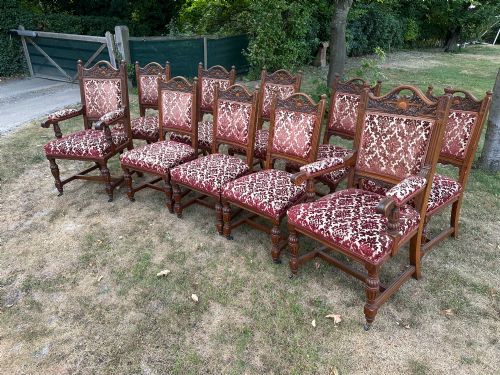
- A late 19th-century style replicating the ornate, carved walnut and oak furniture of the 17th century. These pieces often feature high backs and rich textile coverings.
Antique Velvet Side Chairs: Frequently Asked Questions
How do I clean velvet upholstery?
Velvet requires gentle brushing to maintain the pile and prevent crushing over time. Professional cleaning is recommended for antique textile preservation.
Harsh chemical treatments should be avoided to protect the integrity of historical fibres.
Are side chairs sturdy enough for daily use?
Most antique side chairs are structurally robust thanks to dense hardwoods like mahogany and oak. Their primary design was intended for regular dining or drawing-room seating.
Care should be taken with older joints to ensure they remain stable under weight.
How do I distinguish Victorian from Georgian chairs?
Georgian chairs generally display lighter proportions, straight legs or subtle cabriole forms, and restrained carving. Victorian examples often feature heavier mahogany frames, balloon backs, and turned legs.
Upholstery styles and timber patination also offer strong clues to the period of origin.
Can I mix different wood tones in a dining set?
Mixing woods is common in period interiors, provided the scale and style of the chairs share a cohesive aesthetic. Matched sets remain uniform, but individual side chairs work well as occasional seating.
Matching the overall height and upholstery colour helps unify diverse wood tones.