

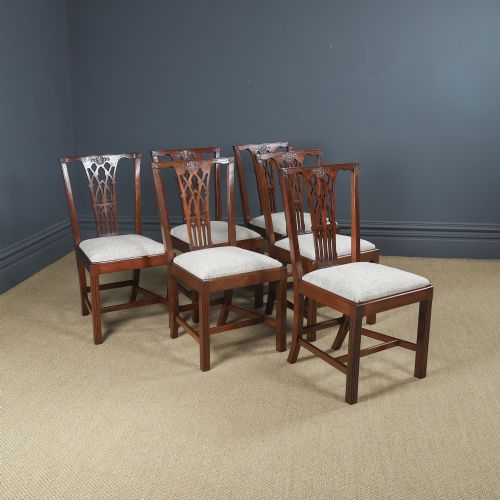


English Victorian Side Chairs
English victorian side chairs bring robust nineteenth-century craftsmanship into everyday rooms through varied regional woods and traditional revival styles.
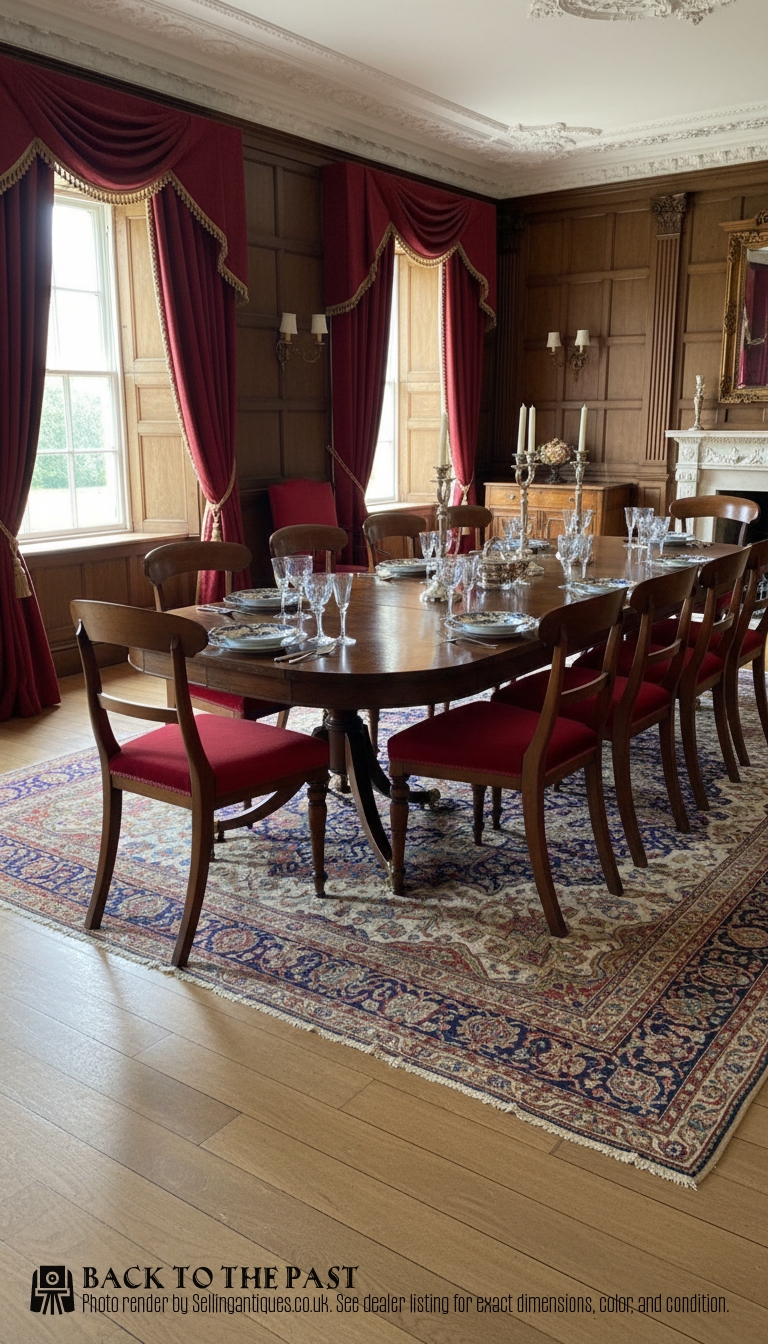
English Victorian Side Chairs
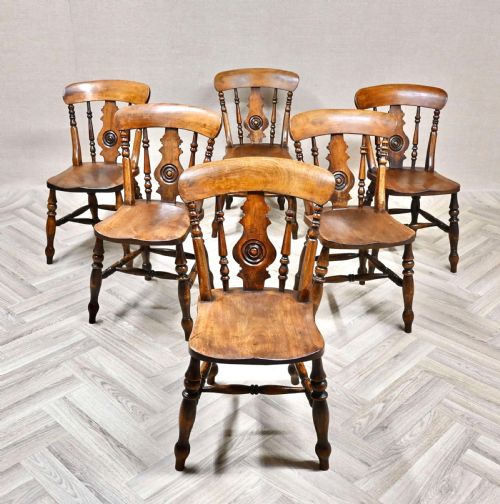
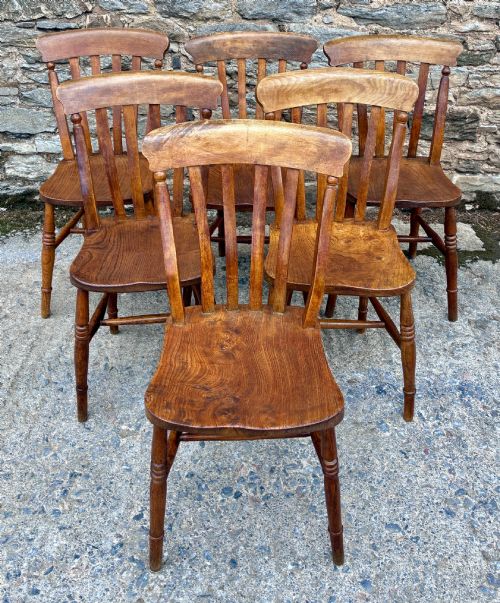
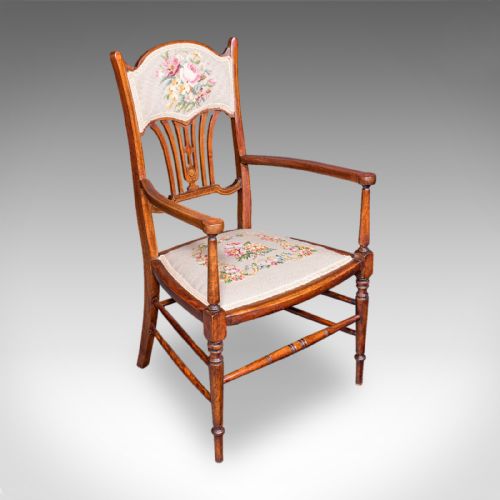
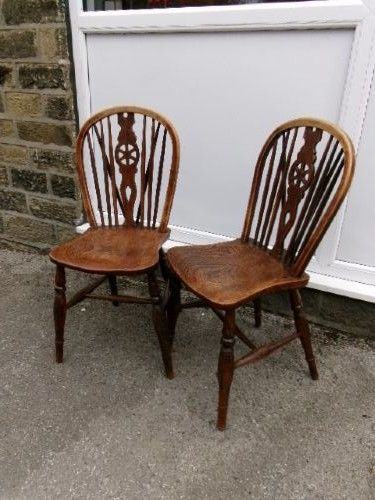
English victorian side chairs encompass a broad selection of nineteenth-century seating designed for dining rooms, halls, and drawing rooms without arms. These pieces range from robust elm and beech country Windsors to formal walnut and mahogany balloon back or revival dining seats. Buyers searching for english victorian side chairs frequently encounter sturdy kitchen variants alongside carved oak hall chairs and polished formal sets.
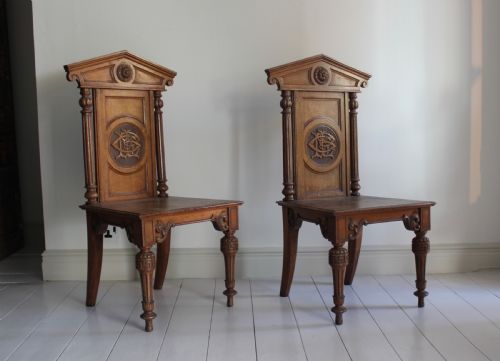
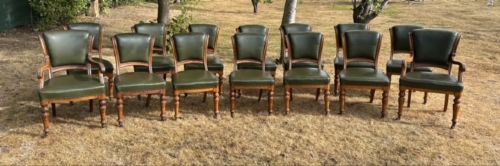
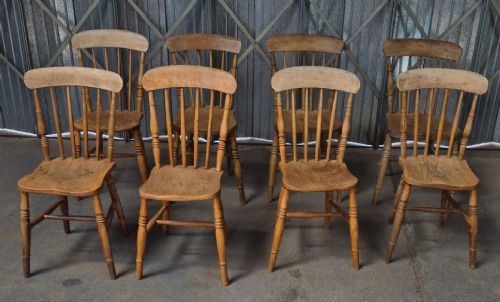
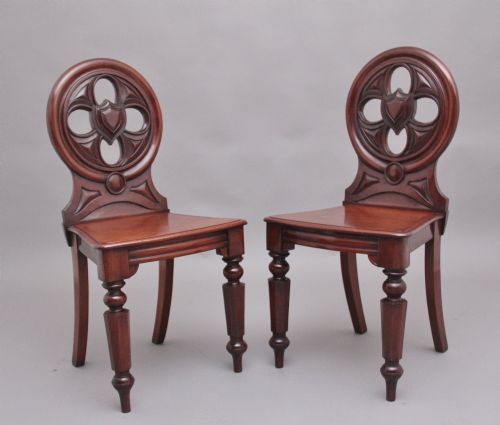
The materials and forms reflect the diverse domestic production of the nineteenth century, utilising native hardwoods like oak and elm alongside imported mahogany and walnut. Regional variations appear distinctly, from Thames Valley stick backs to Gothic revival hall chairs bearing carved decoration. Matching sets, pairs, and individual accent seats populate the records, showing both vernacular utility and formal parlor elegance.
How They Were Made
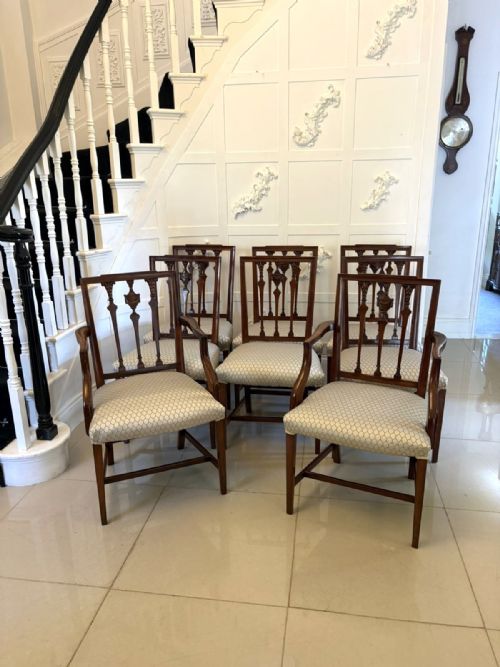
Cabinetmakers and rural bodgers constructed these chairs using solid native and imported timbers, frequently combining elm seats with beech or ash spindles in Windsor forms. Turned components relied on pole lathes, while formal dining chairs employed mortise and tenon joinery in dense mahogany, walnut, and oak.
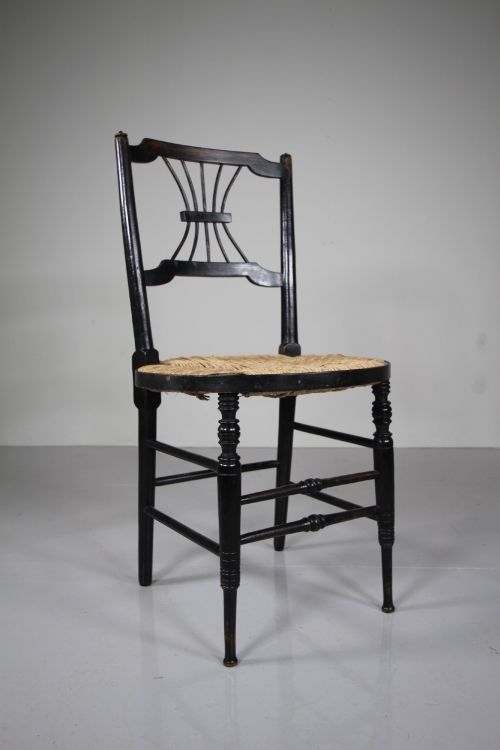
Surface decoration and upholstery varied by intended placement, incorporating carved crest rails, applied brass details, needlework tapestry, and fabric or rush seating. Turn-of-the-century pieces occasionally added marquetry inlay or bobbin turnings to simpler hardwood frames.
Victorian prayer chairs occasionally double as quiet spots for hiding spare door keys beneath the rush seating.
What Varies in Quality
Construction rigidity distinguishes the sturdiest examples from those weakened by loose joints or dried timber shrinkage in traditional frame connections. The crispness of hand-carved details on Gothic oak panels or mahogany balloon backs indicates the skill applied at the bench.
Timber selection dictates overall resilience, where dense grains in mahogany and quarter-sawn oak outlast softer secondary woods unless properly maintained. Original surface patination and matching sets hold greater structural and visual consistency than assembled groups.
William Morris·Holland And Sons·James Shoolbread·Gill And Reigate·Gillows
The English Victorian Side Chairs Glossary
- Balloon Back
- A rounded, oval-shaped chair back popular in Victorian dining designs. This profile curves outward to support the back comfortably during meals.
- Windsor
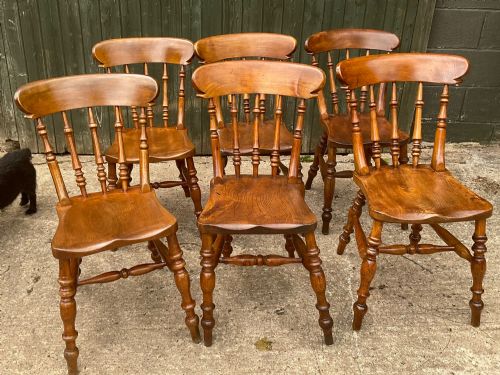
- A traditional wooden chair built with a solid saddle-shaped seat into which legs and spindles are wedged. These vernacular pieces frequently utilise elm and beech.
- Hall Chair
- A rigid, often unpadded wooden seat placed in entrance halls for brief use. They typically feature solid timber panels with carved crests or family crests.
- Stick Back
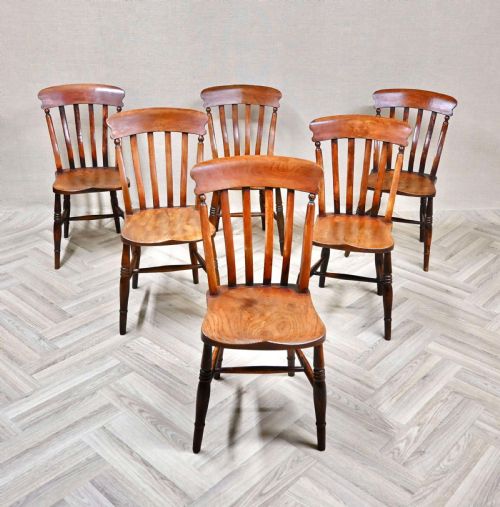
- A regional chair design featuring vertical wooden spindles inserted directly into the seat. Thames Valley makers specialised in this sturdy vernacular form.
- Prie Dieu
- A low devotional chair featuring an elevated padded top rail for kneeling and prayer. These upholstered bedroom seats date widely to the mid-nineteenth century.
English Victorian Side Chairs: Frequently Asked Questions
How do I identify a Victorian side chair?
Examination of timber types, joinery methods, and characteristic silhouettes like balloon backs or Gothic carved panels helps determine the nineteenth-century origin. Secondary woods and tool marks underneath the seat provide further clues.
Comparing proportions and regional vernacular traits against documented examples clarifies whether a piece belongs to the early, mid, or late Victorian eras.
Where were side chairs used originally?
These chairs served multiple household functions, positioned around dining tables, against hallway walls, or beside bedroom dressing desks. Parlours and drawing rooms utilised lighter occasional chairs for guests.
Kitchen and Windsor variants supported daily domestic labour, while formal mahogany or walnut sets remained strictly within public entertaining spaces.
Can I mix these chairs with modern tables?
Combining antique timber side chairs with contemporary dining tables creates a striking contrast of textures and eras. Their diverse heights and finishes allow for eclectic interior arrangements.
Ensuring comfortable seat heights relative to the table surface remains the primary consideration for practical daily dining use.